Makhana Nutrition: Is Foxnut as Healthy as the Packet Says?
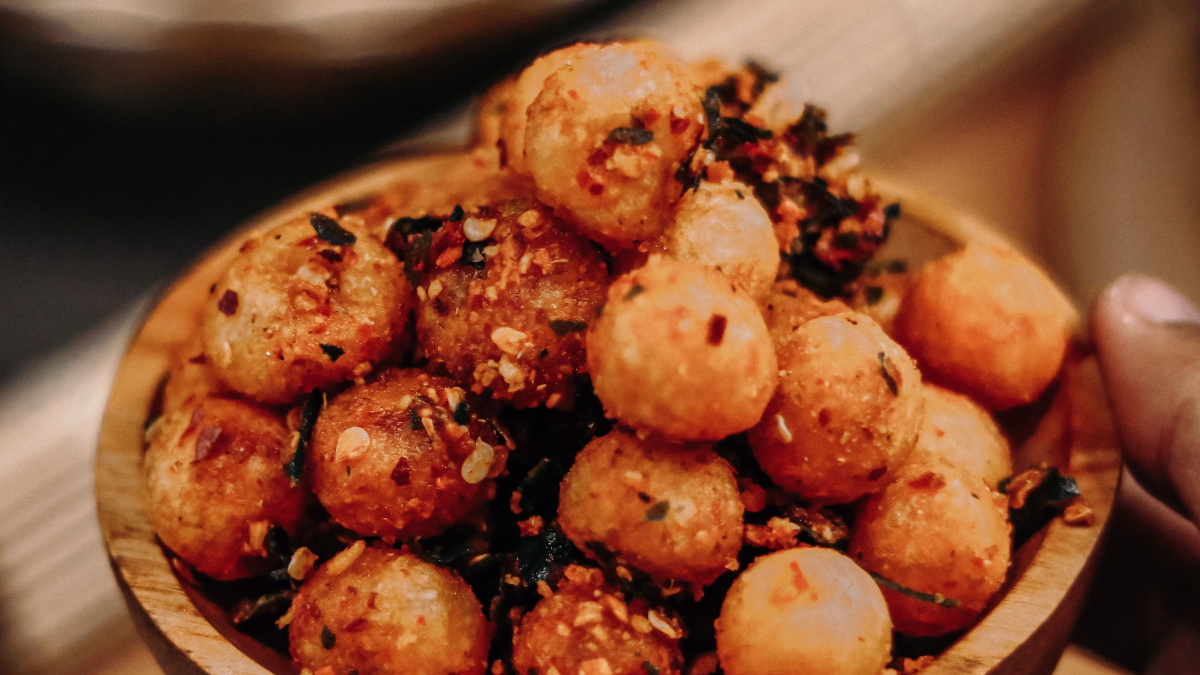
Plain makhana, a peri-peri pack and a caramel-coated handful share a starting ingredient. Here is how to judge what each actually brings to your snack bowl.
Table of Contents
Plain roasted makhana can be part of a varied diet. To judge makhana nutrition, look at what a portion supplies and what has been added: a 30 g portion provides roughly 3 g of protein using one published analysis, while ‘low GI’ findings apply to particular preparations, not every packet. Savoury seasonings can add salt and fat; sweet coatings can add sugar. Compare the nutrition panels on the same basis, then check the amount you actually eat. The front of the pack cannot do that job for you.
For anyone who knows makhana from fasting days or kheer, its move into the snack aisle is easy to recognise. Now there are peri-peri, cream-and-onion and caramel versions, often accompanied by promises of protein, a low glycaemic index or guilt-free snacking.
The question is whether those promises help you choose. Here is what each one can—and cannot—tell you.
Popped makhana contains some protein, but the amount in your bowl matters more than a prominent word on the packet.
A 2023 laboratory analysis involving ICMR-NIN researchers reported about 9 g of protein per 100 g of popped makhana. Using that figure, 30 g supplies about 2.7 g, or roughly 3 g. For scale, a large egg supplies about 6 g. This is a comparison of everyday portions, not equal weights of the two foods.
That does not make makhana a poor snack. It means a bowl contributes a modest amount of protein and should not be asked to do the work of all the protein-containing foods in your day.
Nutrient claims such as ‘high protein’ have formal criteria under FSSAI regulations; this portion example does not establish whether a particular pack meets them. Check that product’s protein figure. If protein has been added, the ingredient list can tell you its source, such as milk or soy.
The glycaemic index, or GI, compares the rise in blood glucose after a food with the rise after a reference food, using an equal amount of available carbohydrate. It describes a tested food; it does not tell you everything about a snack or your usual portion.
A study published in 2022 tested roasted makhana in ten healthy adults and reported a GI of about 37, in the low range. That is a useful finding, but a small study of one preparation is not a result for every makhana product.
The 2023 laboratory analysis used a different method: it estimated GI from starch digestion outside the human body. Its estimate for popped makhana was about 62, compared with about 36 for raw seeds.
These are different preparations and different kinds of measurement. A laboratory estimate and a GI measured in people should not be treated as interchangeable tests, or averaged into a single makhana score.
Plain roasted makhana still contains carbohydrate and can raise blood glucose. Adding sugar, jaggery or condensed milk, as in makhana kheer, changes the carbohydrate content of the dish. The response depends on the recipe, portion and person. Plain does not mean it has no effect on blood sugar.
For the shopper, the practical point is simple: a study of plain or roasted makhana does not establish the GI of a sweet-coated pack. GI also does not remove the need to consider the carbohydrate in the portion you eat. If you have diabetes or prediabetes, discuss how makhana fits into your eating plan with your doctor or dietitian rather than relying on the packet’s claim.
Plain makhana roasted without added oil is low in fat. But roasting and seasoning are separate steps: oil or ghee may be added to carry flavour and help seasoning stick. ‘Roasted, not fried’ does not necessarily mean ‘no added oil’.
The ingredient list shows which fats have been used. The nutrition panel shows total fat and saturated fat, which are more useful for comparing packs than the name of the oil alone.
None of this makes a flavoured snack a guilty choice. ‘Guilt-free’ offers reassurance without telling you how much fat, sugar or salt is in your bowl. You can enjoy the flavour and still check the numbers.
A savoury seasoning can add sodium, while a caramel or jaggery coating can add sugar. The amount varies by product, so ‘flavoured makhana’ is too broad a category to judge in one sentence.
For context, the World Health Organization recommends that adults consume less than 2,000 mg of sodium a day, equivalent to less than 5 g of salt. That includes all food eaten during the day, not just salt added while cooking.
On sweet packs, read both total sugars and added sugars. Jaggery added as a coating still contributes added sugar; the familiar ingredient name does not change that. On savoury packs, compare sodium and fat. A caramel-coated handful can be enjoyed as a sweet snack, just as a seasoned pack can be enjoyed as namkeen. Neither needs a health halo to earn a place.
A light, crisp texture does not prove that makhana is especially gentle on digestion. The studies discussed here measured food composition, starch digestion or blood glucose responses; they did not test whether makhana relieves bloating or constipation.
The 2023 analysis also found that popping reduced phytic acid, a compound that can affect mineral absorption. That finding does not establish a digestive benefit in people.
Fibre in the overall diet can help support regular bowel movements, alongside adequate fluids. For makhana, check any fibre figure on the particular product rather than assuming a crunchy bowl supplies plenty. Whole grains, pulses, vegetables and fruit remain useful sources across the day.
Think about the snack alongside the rest of your meals. You could have makhana with plain curd, mix it with roasted chana or peanuts, or eat it alongside seasonal fruit. These are ways to bring different foods into the snack, not remedies for digestive symptoms.
If a particular snack repeatedly leaves you uncomfortable, note the portion, flavour and accompanying foods rather than assuming the base ingredient is responsible. Persistent symptoms deserve a conversation with a healthcare professional.
Start by checking whether the figures are per 100 g, per serving or per whole pack. For a fair comparison, put two products on the same basis. Then work out what your own portion provides.
| Check | What to look for | Why it helps |
| Ingredients | Makhana, added oil or ghee, sweet coatings, seasoning and allergens | Shows what has been added. The number of ingredients alone does not decide nutritional quality. |
| Protein | Grams on the panel, adjusted to your portion | Shows the contribution from the amount you actually eat. |
| Sodium | Milligrams, compared on the same basis | Helps compare the salt contribution of different savoury packs. |
| Fat and sugars | Total and saturated fat; total and added sugars | Shows the amounts in the finished snack, including any additions. |
| Serving and pack size | Grams per serving and servings in the pack | Prevents a whole packet from being counted as one serving when it contains more. |
A quick packet check: suppose a 60 g pack declares its nutrition per 30 g serving. Eating the whole pack means doubling every per-serving figure, including protein, sodium, fat and sugars. If the panel instead gives values per 100 g, multiply each by 0.6 for that 60 g pack. These are calculation examples, not figures from a particular product.
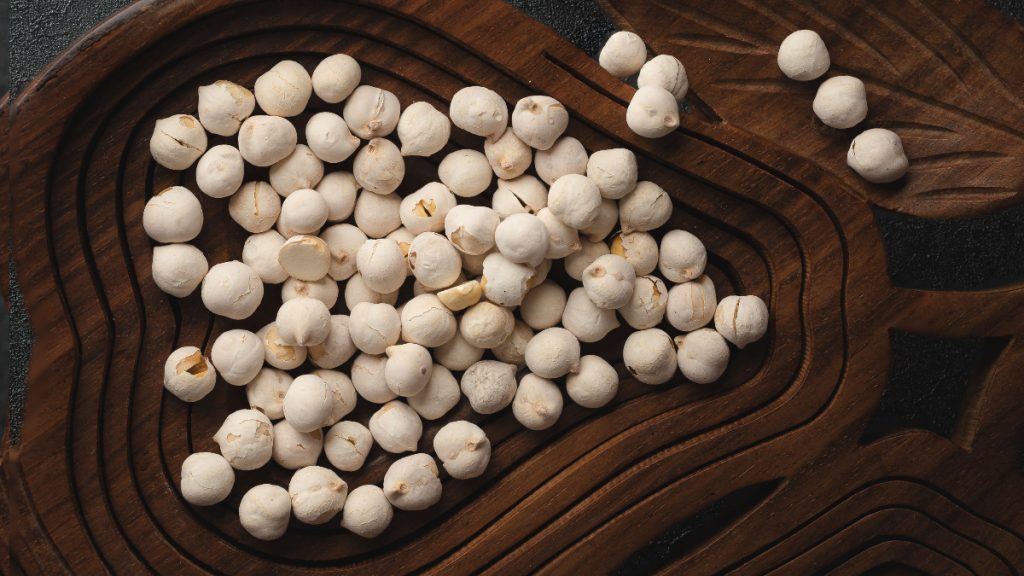
If you want to choose the amount of oil and salt yourself, buy plain makhana and flavour it at home. There is room for more than one kind of crunch:
If you prefer a ready-seasoned pack, use the label guide above. The more useful choice is the one whose contents and portion suit what you want from the snack, rather than the one with the most reassuring front label.
Buying a larger pack? Serve some into a bowl, close the pack properly and follow its storage instructions. That makes the portion easier to see without turning snacking into a calculation every time.
For the same questions applied to wider wellness promises, read Gut Health Advice: 4 Checks Before You Believe It.
Makhana deserves to be enjoyed for its crunch. Read the packet for what that particular version contributes, and give the rest of your meals equal attention.
Disclaimer: This article provides general information and does not replace personalised medical or dietary advice. If you have diabetes, prediabetes or another condition requiring a specific eating plan, consult your doctor or a qualified dietitian. If symptoms continue, are severe or keep coming back, speak to a doctor. Sudden weight loss, blood in stool, severe or persistent pain, or difficulty swallowing need prompt medical attention.
Makhana contributes protein, but a typical snack portion provides a modest amount. A 2023 analysis of popped makhana reported about 9 g per 100 g, equivalent to roughly 3 g in 30 g. For a specific packet, use its nutrition panel; an added-protein formulation may differ from plain makhana.
A 2022 study in ten healthy adults reported a GI of about 37 for its roasted makhana. A 2023 laboratory study estimated about 62 for popped makhana using a different method. Neither result establishes the GI of every commercial pack.
A packet labelled ‘low GI’ is not, by itself, enough to choose a snack for diabetes. The carbohydrate in your portion and any added sugar matter. Ask your doctor or dietitian how makhana fits your individual eating plan.
It depends on the product and portion. Compare protein, sodium, total and saturated fat, and total and added sugars on the same basis. Flavour alone does not tell you the amounts. Making flavoured makhana at home lets you choose and measure the added oil, salt and sugar.
There is no universal daily allowance for makhana. The 30 g portion used in this article is an illustration, not a recommendation for everyone. Choose an amount that fits your appetite, meals and any personalised dietary advice.
Fibre and adequate fluids support normal bowel function. The studies cited here did not establish that makhana prevents or relieves constipation, and its dry texture alone is not evidence that it causes it. If constipation persists or keeps returning, seek medical advice rather than relying on one snack.