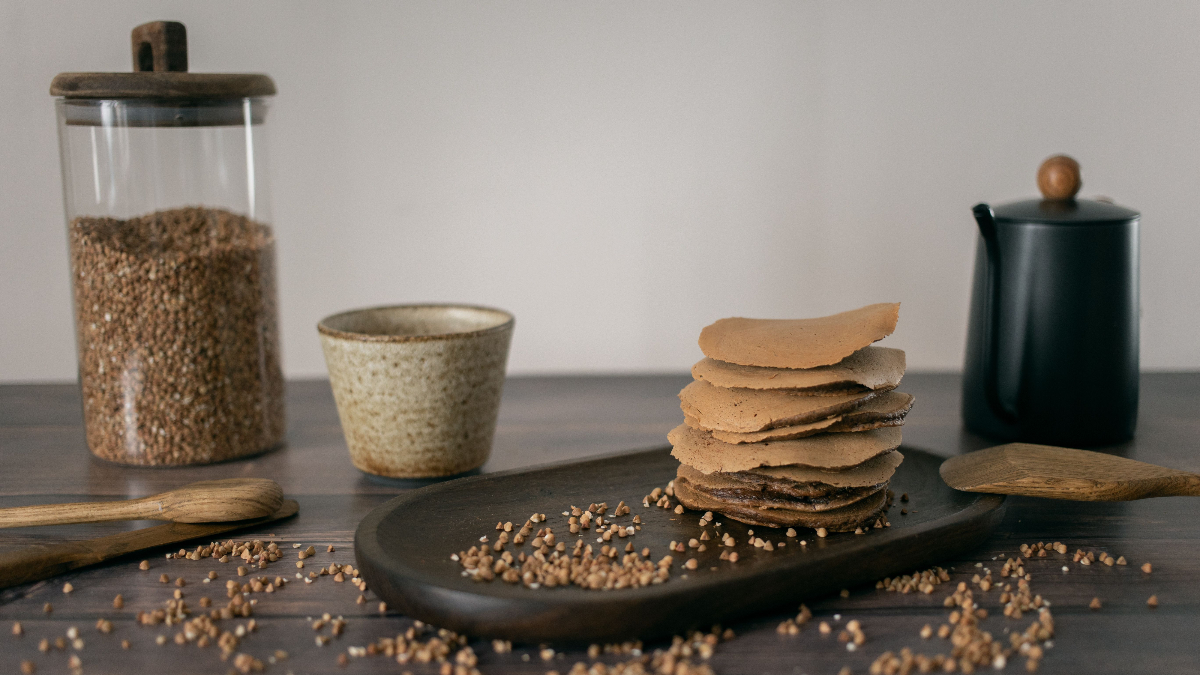
Kuttu Atta Safety: How to Buy, Store and Cook Vrat Flour
Before the first vrat roti, check the flour and give it a dry, clean home.
Table of Contents
Buy kuttu atta from a reliable seller, check the packet and dates, and keep opened flour in a clean, dry, airtight container. Cook dishes thoroughly and avoid tasting raw dough. Discard flour with mould, insects, damp clumps or an unusual smell; a normal smell alone does not prove it is safe. If vomiting or diarrhoea follows a vrat meal, stop serving that batch and seek medical care for severe symptoms or difficulty keeping fluids down. These steps reduce risk, but cannot guarantee that flour is free from contamination or adulteration.
When Navratri, Shivratri or another vrat arrives, the flour shelf in an Indian kitchen changes population almost overnight. Ordinary wheat atta gives way to kuttu, singhara or rajgira for rotis, puris, cheelas and pakoras. It is easy to focus on what is permitted and forget a less glamorous question: how has that flour been bought, stored and handled?
Kuttu atta is made from buckwheat, a pseudocereal: its seeds are used like cereal grains, although the plant is not a cereal grass. Singhara atta comes from dried water chestnuts. These are different ingredients, and which vrat foods are permitted depends on your family or tradition.
In April 2021, news reports described more than 500 people in east Delhi becoming unwell after kuttu-based meals. Other illness clusters were reported in Delhi-NCR in March 2024 and northwest Delhi during Navratri in September 2025. Officials investigated suspected problems with the flour, but one reported incident does not establish the cause of another.
The useful response is to pay attention to the flour before it reaches your plate. Reports of illness do not mean that all kuttu atta is unsafe, or that every stomach upset after a vrat meal has the same cause.
A sealed packet cannot guarantee safety, but its label gives you useful checkpoints. FSSAI’s purchasing guidance advises checking dates, packaging and the condition of ingredients. Before buying kuttu atta, ask:
Being within the printed date does not make a damp or damaged packet a sound purchase. And if the label is missing or unreadable, you have less information to work with.
Freshly milled flour can be appealing, especially when you know the shop and its turnover is good. But freshly milled does not automatically mean safer. Ask when the kuttu was milled and how the flour has been stored; look at the cleanliness of the mill and its containers.
Loose flour is not inherently unsafe. It simply gives you fewer label details to check. Buy from a seller who can answer your questions, rather than treating “fresh” as a complete safety certificate.
Moisture can encourage mould and spoilage. FSSAI’s storage guidance recommends keeping dry ingredients such as flour in well-sealed containers, protected from excess moisture and pests.
If the original packaging does not close securely, transfer the flour to a clean, fully dry, airtight, food-grade container. A damp jar defeats the purpose of an airtight one. Use a dry scoop, close the lid after measuring, and keep the flour away from steam, splashes and direct heat.
The shelf beside the stove may seem convenient, but it is a poor home for flour. Keep the label or photograph it, and mark the opening date. Avoid topping up an old jar with new flour: you lose track of which batch you are using.
There is also a practical reason not to haul home a 10-kilo pack simply because kuttu is a festival staple. If your household uses it only during a few fasting periods a year, buy what you expect to use rather than giving it a permanent corner of the pantry.
There is no single shelf life that applies to every brand, pack and storage situation. Buckwheat flour can lose quality during storage even without visible mould or insects.
A 2025 study from Assam Agricultural University followed flour from two buckwheat varieties for two months, comparing storage at 25°C and 4°C. Chemical indicators of fat deterioration increased during storage, with greater deterioration at 25°C. Cooler storage helped preserve quality under those conditions.
That study measured changes in flour quality. It did not establish a universal household expiry date or prove that rancid flour caused food poisoning.
Follow the packet’s date guidance, storage directions and any instructions for use after opening. If refrigeration is recommended, keep the flour tightly sealed and dry. A fridge cannot make an old or suspect batch safe.
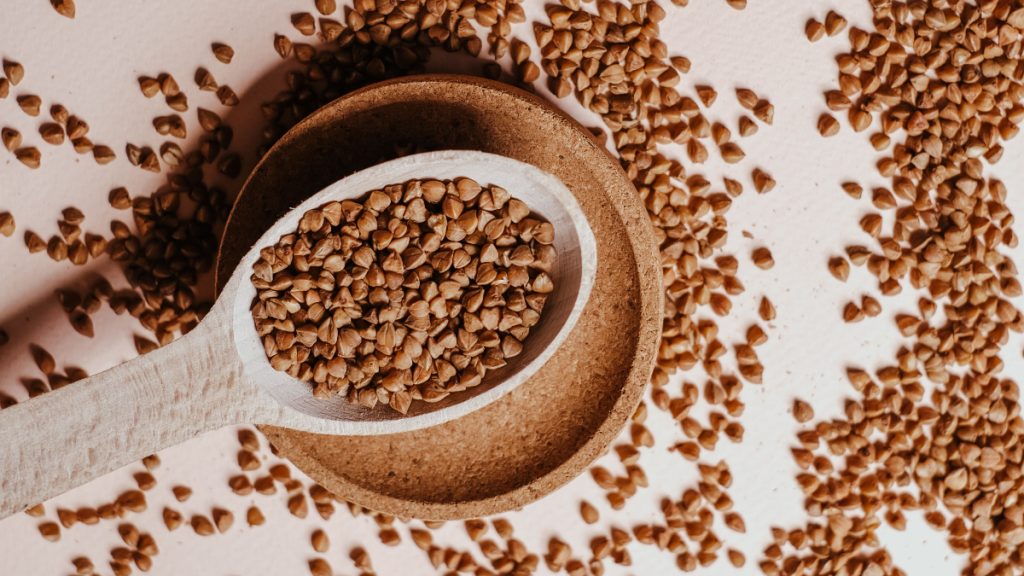
A rancid, musty or otherwise unusual smell is a reason to stop using flour. But WHO warns that contaminated food may look, smell and taste unchanged. Your senses can flag a problem; they cannot rule every problem out. Do not taste raw flour to test it.
| What you notice | What to do |
| A packet is torn, unsealed or damp in the shop. | Choose another pack. Check its dates and batch details. |
| Opened flour has mould, insects, damp clumps or an unusual smell. | Discard the batch. Do not sieve out affected bits or mix it with fresh flour. |
| People become unwell after food made from the same flour. | Stop serving food made from that batch. Keep the packet and receipt for reporting, and seek medical care as needed. |
Flour is not necessarily ready to eat just because it has been milled. The US Food and Drug Administration’s flour guidance advises against eating raw flour, dough or batter. That matters when making kuttu rotis, cheelas, puris or pakoras, too: resist tasting the mixture before it is cooked.
WHO’s Five Keys to Safer Food include clean handling, safe water and ingredients, thorough cooking and safe storage temperatures. Wash hands and utensils, keep raw flour away from ready-to-eat food, and follow the recipe’s cooking instructions. A crisp outside is not a reason to leave the middle of a pakora raw.
Cooking is not a rescue method for a spoiled or suspect batch. Some toxins produced by mould survive food processing, so heating cannot be relied on to make mouldy flour safe.
A dry packet of kuttu atta and a bowl of dough are not the same thing. Mix dough close to cooking time. If it will not be used promptly, cover and refrigerate it rather than leaving it beside the stove for hours.
For cooked dishes and other perishable food, FDA food-handling guidance advises refrigeration within two hours, or within one hour when the surrounding temperature is above 32°C. Keep the fridge at 4°C or below. Divide leftovers into shallow containers so they cool quickly; do not wait for a large pot to cool on the counter.
Stop using the suspect batch and stop serving food made from it. Vomiting or diarrhoea after a meal does not, by itself, identify which ingredient caused the illness.
Take small, frequent sips of fluid. Oral rehydration solution (ORS) from a pharmacy can help replace fluid and salts lost through vomiting or diarrhoea; mix sachets with safe water exactly as the packet instructs. Do not delay hydration or medical care to continue a fast.
Seek medical care urgently for blood in the stool, repeated vomiting that prevents drinking, severe abdominal pain, or dehydration such as very little urine or dizziness. Children, older adults, pregnant people and anyone with weakened immunity need extra caution; contact a clinician early if they become unwell.
Keep the packet, batch details and purchase receipt, if available. A suspected food-safety problem can be reported through FSSAI’s Food Safety Connect app or portal. Reporting helps authorities investigate; it is not a substitute for getting medical care.
Once the flour checks are done, there is plenty of room to enjoy the cooking. For meal ideas beyond the usual puris and pakoras, see what you can eat on Ekadashi, using the ingredients your household permits.
Disclaimer: This article provides general food-safety information and is not a substitute for medical advice, diagnosis or treatment. Follow product instructions and seek prompt medical care for severe symptoms or signs of dehydration. Fasting practices vary by household and tradition.
Check the seller, seal, dates, batch details and storage conditions. Avoid damp or damaged packs. These checks reduce risk, but cannot guarantee that flour is free from contamination.
Use a clean, fully dry, airtight container, away from heat and steam. Retain the label, mark the opening date and follow the packet’s storage instructions.
Follow the label’s dates and instructions for use after opening. Buckwheat flour shelf life depends on storage and packaging; one study cannot set an expiry for every packet.
Proper cooking reduces microbial risks, but cannot reliably remove all hazards, including some mould toxins. Never use cooking to rescue visibly spoiled flour or a suspected unsafe batch.
No. Kuttu atta is buckwheat flour; singhara atta comes from dried water chestnuts. Both are used in vrat cooking, but they are different ingredients and customs vary.