
What Is Ghost Poop? Floaters, Sinkers & the Clean Finish, Explained
The disappearing stool, the clean finish and the gas-only false alarm have one nickname. Here’s what to notice before you flush.
Table of Contents
“Ghost poop” is an informal term for a stool that seems to disappear, a bowel movement that leaves little residue, or an urge to go that turns out to be gas. A disappearing stool may simply have sunk out of sight. A clean finish can happen with a formed stool, but neither is a reliable gut-health test. Floating often reflects trapped gas; sinking can be normal too. What matters more is a recurring change in your usual pattern. Seek medical advice for persistent greasy stools or urgency, and urgent help for black, tarry stools, heavy bleeding or severe pain.
You sit down, you definitely went, and then you look and… nothing. Or you get up feeling oddly clean, with none of the usual business afterwards. Social media has a name for both experiences: the ghost poop.
The trouble is that the term means different things to different people. Gastroenterologists interviewed by Parade describe the disappearing stool, the clean finish and the gas-only false alarm. Each needs a slightly different explanation, so let’s take them one at a time.
This is the version where you know something happened, but there’s nothing to see. On a Western commode, the stool may have sunk out of sight into the toilet’s outlet. The shape of the toilet matters too: what you can see in one bowl may disappear in another.
Disappearing from view does not tell you how much fibre you ate or how well your gut is working. The more useful questions are whether passing the stool felt comfortable and whether anything has changed from your usual pattern.
Trapped gas makes stool less dense, which can help it float. Water content can also affect its density. Floating by itself does not mean that the stool contains too much fat.
The classic experiment on this question is more than 50 years old. In a 1972 study published in the New England Journal of Medicine, researchers examined stools from 33 healthy people, including nine whose stools floated. When the gas in those floating samples was compressed, every sample sank. After the gas was removed, the previously floating and sinking samples had similar densities.
Gut microbes can be part of the explanation. A 2022 study in mice linked microbial colonisation to changes in stool buoyancy in a laboratory test. That is interesting evidence about how the phenomenon can arise, but it cannot identify the microbes in a particular person’s floating stool.
According to MedlinePlus guidance on floating stools, most causes are harmless, and a dietary change can increase the gas that allows a stool to float. A floater cannot, on its own, tell you whether your microbiome is “good” or “bad”.
In a squat toilet’s shallow pan, floating and sinking may be harder to notice. You may be more aware of whether stool leaves streaks or washes away easily. Those details depend partly on the toilet and water flow, so they are not health measures either.
ALSO READ | What Happens to Your Gut in Space? A Study of 52 Astronauts Offers Clues
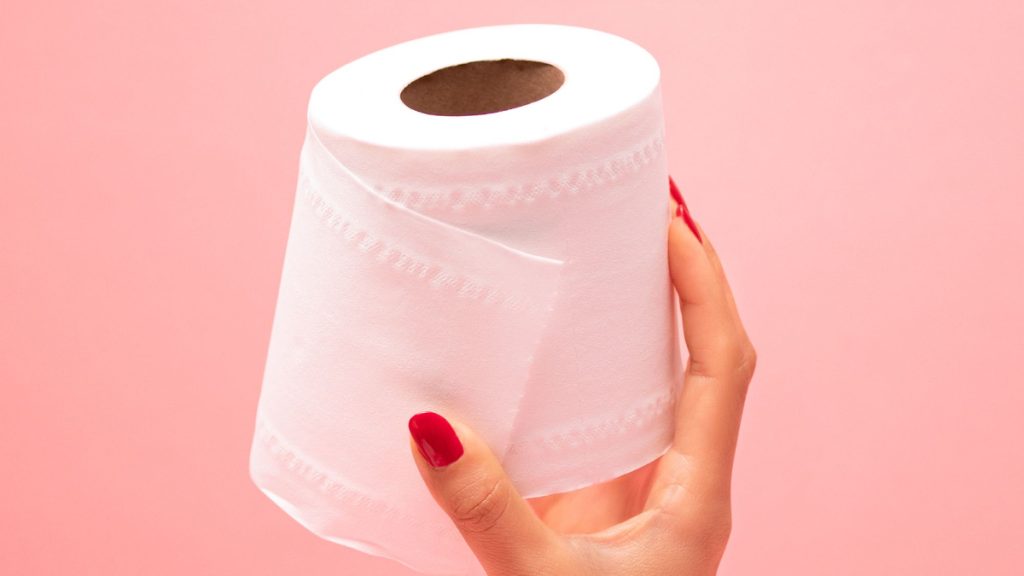
In toilet-paper explainers, this ghost poop leaves little or no trace on the paper. If you wash with water from a mug, lota or health faucet, the equivalent is a bowel movement that leaves little residue to clean away.
A soft, formed stool may leave less residue. So can a hard, dry stool. The clean finish matters less than whether the stool was comfortable to pass: little residue is not reassuring if you had to strain or it hurt.
The Bristol Stool Chart gives doctors and patients a shared way to describe stool shape. Type 3 is formed with cracks on its surface; type 4 is smooth and soft. Both are commonly used as examples of well-formed stools, although shape alone cannot establish overall gut health.
You can explore the wider picture in Happy Tummy’s guide to what counts as a regular bowel movement.
Most of us also know the opposite of a clean finish: stool that clings, takes more cleaning and leaves streaks behind. Cleveland Clinic’s guidance on sticky stools notes that occasional stickiness can occur with a high-fat diet or extra mucus. One sticky visit does not tell you the cause.
But regularly pale, greasy, bulky, unusually foul-smelling stools deserve medical advice, especially if they are difficult to flush or come with unexplained weight loss. Avoid assuming a recurring pattern is simply the aftermath of puris and pakoras.
Black, tarry stool is a separate warning sign: it can indicate bleeding in the digestive tract and needs urgent medical advice.
The third ghost is the urge that leads to nothing more than gas. Gas in the lower bowel can create a feeling of fullness that resembles the need to pass stool. An occasional false alarm is usually unremarkable.
NIDDK explains that gut bacteria produce gas when they break down carbohydrates that have reached the large intestine undigested. If you have suddenly added more dal, chana or vegetables to your meals, you may notice more gas. That does not make these foods unsuitable; portion size, preparation and your own tolerance matter.
A persistent feeling that you still need to go, even after a bowel movement, is different. Doctors use the term tenesmus for the feeling of needing to pass stool despite the bowel being empty. If the feeling continues or keeps returning, arrange a medical review. Seek advice promptly if it comes with pain, fever or blood.
ALSO READ | Should You Avoid Sugar While Taking Antibiotics? What A New ‘Nature’ Study Says
You do not need to inspect every visit. When you notice something different, consider the whole pattern: colour, consistency, effort, frequency and how you feel afterwards. A stool that floats one day and sinks the next is much less useful information than a new pattern of painful or greasy stools.
| What you notice | Other clues to consider | What to do |
| Stool floats, sinks or disappears from view | It otherwise looks and feels usual, with no other symptoms | This feature alone usually needs no action. Notice any recurring changes. |
| A clean finish | Stool is formed and passes comfortably | Clean as usual. The amount of residue is not a health score. |
| Repeatedly pale, greasy or bulky stools | An unusual smell, difficulty flushing or unexplained weight loss | Arrange a medical review. |
| Repeated urges with little or no stool | The feeling persists after going, or causes discomfort | Arrange a review; seek advice promptly for fever, pain or blood. |
| Black, tarry stool or bloody diarrhoea | A possible bleeding warning, rather than ordinary stickiness | Seek urgent medical advice. |
| Heavy or ongoing bleeding, faintness, or severe abdominal pain | Symptoms that need immediate assessment | Seek emergency medical care. |
The bleeding advice follows NHS guidance. NIDDK also advises prompt assessment when difficulty passing stool comes with constant abdominal pain, vomiting or an inability to pass gas. Do not wait for symptoms to persist for weeks if warning signs are present.
You cannot order a ghost poop, and there is no need to chase one. The familiar habits below are about comfort and regularity.
For everyday meal ideas, ask Happy Tummy GPT: “Give me three gradual ways to add fibre to my usual dal-roti-sabzi meals.”
A ghost poop can be an ordinary bathroom variation. The useful takeaway is to know your usual pattern and recognise changes that deserve attention. You do not need to turn every flush into a gut-health report card.
Disclaimer: This article provides general information, not a diagnosis or personalised medical advice. Follow your clinician’s guidance if you have an existing condition or prescribed dietary or fluid restrictions. Seek medical advice for symptoms that persist or recur, and urgent care for the warning signs described above.
READ NEXT: Is the Indian Gut Microbiome Different? What a Study of 575 Adults Found
“Ghost poop” is an informal label for a stool that seems to disappear, a bowel movement that leaves little residue, or an urge that turns out to be gas. The term is not a medical diagnosis.
A disappearing stool or clean finish cannot establish gut health. A comfortable, formed bowel movement can be reassuring, but hard, dry stool may also leave little residue. Consider ease of passing stool and any changes from your usual pattern.
Floating alone is usually harmless and often reflects trapped gas. Seek medical advice if floating stools repeatedly look pale or greasy, smell unusually foul, or occur with unexplained weight loss or other symptoms.
Occasional stickiness can occur with extra mucus or a high-fat diet, but the cause cannot be identified by appearance alone. Repeated greasy or pale stools need a medical review. Black, tarry stool needs urgent advice.
Gas can make the lower bowel feel full, creating an urge similar to passing stool. An occasional episode is usually unremarkable. A persistent or recurring urge, especially with pain, fever or blood, should be checked.
Stool is commonly brown, soft and formed, often resembling Bristol types 3 or 4. Comfortable passage and your usual frequency also matter. Appearance alone cannot rule out a health problem, and cleaning needs vary with the stool and washing method.