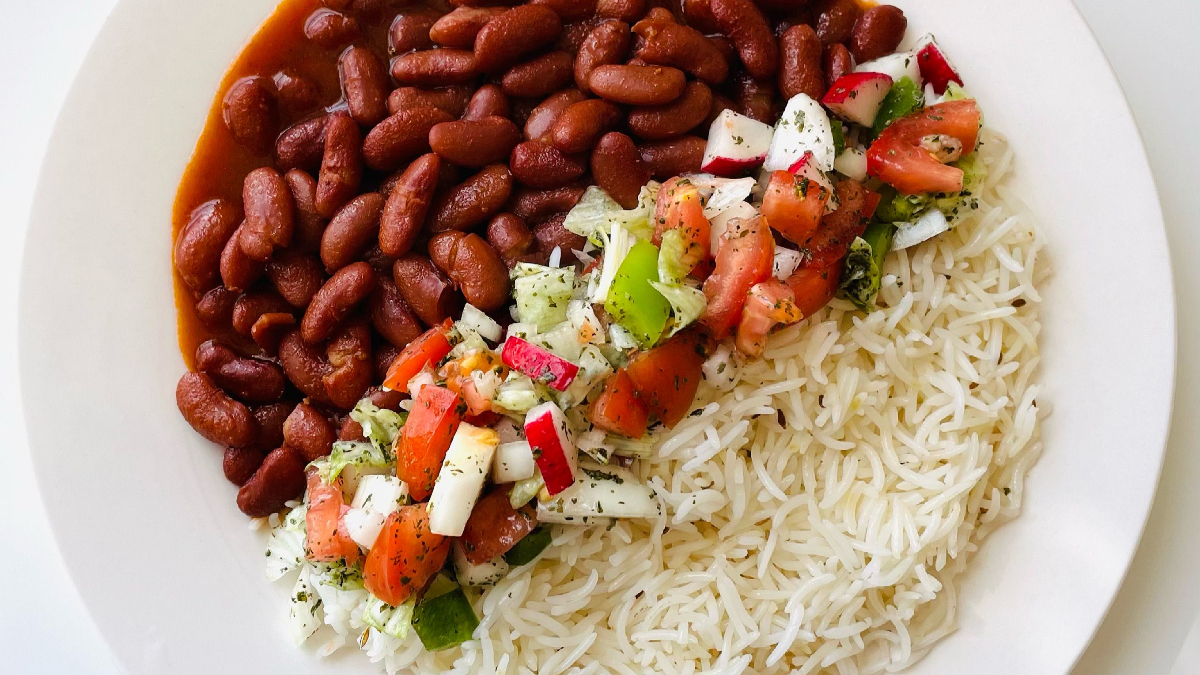
3 High-Protein Vegetarian Mains That Bring Fibre Along With Them
Rajma and moong combine plant protein with fibre; paneer brings protein and works well alongside vegetables, pulses and whole grains. Three familiar dinners, made for real weeknights.
Table of Contents
Indian vegetarian cooking has a useful overlap: many pulses bring protein and fibre in the same spoonful. Rajma masala and sprouted moong usal put that combination at the centre of dinner, while vegetable-packed paneer bhurji offers another useful protein option. The trick is to think about what the whole meal provides, rather than asking every ingredient to do everything.
Protein has become the thing everyone is suddenly counting, and vegetarian Indian eating gets treated as a problem to be solved, usually by adding paneer to everything or buying a tub of something. That is one way to address protein intake, but it is not the whole nutrition picture.
Rajma, chana, moong, masoor and lobia bring protein and dietary fibre together. Some fibres are fermented by gut microbes, while others contribute to stool bulk or work in different ways. Paneer, curd and eggs can be useful protein foods too; they simply need fibre-rich companions elsewhere in the meal or day. There is no reason to assume that eating paneer or using a supplement makes anyone’s gut worse off.
These are three familiar dinners rather than a contest between plant and dairy protein. Two are pulse-forward; the third shows how to build an enjoyable meal around paneer without forgetting vegetables and grains.
The traditional pairing of a cereal with a pulse — dal with rice, rajma with rice, idli with sambar, khichdi as one dish — has a genuine nutritional basis. Cereals tend to be relatively low in lysine, while many pulses are relatively low in sulphur-containing amino acids such as methionine. Together they can improve the amino-acid profile of a meal.
You do not have to combine them at every single sitting to obtain adequate protein: variety and total intake across the day matter too. But dal-and-rice remains a convenient, delicious way to make the combination happen without thinking too hard about it.
Rajma brings protein and fibre to a dish people actually look forward to. The cooking does take time, especially if you are starting with dried beans, so make a batch when you can and let the leftovers do some of the weeknight work.
• 1 cup dried rajma, soaked overnight in plenty of water
• 2 onions, finely chopped; 3 tomatoes, puréed
• 2 tbsp oil; 1 tbsp ginger-garlic paste
• ½ tsp jeera; a pinch of hing; ¼ tsp haldi
• 1 tsp dhania powder; ½ tsp jeera powder; ½ tsp red chilli powder; ½ tsp garam masala
• Salt and chopped coriander to finish
1. Drain the soaked rajma, rinse and cook in fresh water until fully tender. For stovetop cooking, bring to a vigorous boil for at least 30 minutes before simmering until soft; for a pressure cooker, follow its kidney-bean instructions and cook until the beans mash easily. Do not rely on a fixed number of whistles.
2. Heat oil, add jeera and hing, then onions. Cook until properly browned, about 8–10 minutes depending on your pan and heat. This is where the gravy gets much of its depth.
3. Add ginger-garlic paste and cook briefly. Add tomato purée and powdered spices except garam masala. Cook until the tomato mixture thickens and loses its raw smell; a visible layer of separated oil is not essential in a low-oil gravy.
4. Add thoroughly cooked rajma with enough of its cooking liquid to make a gravy. Simmer for about 15 minutes and mash a few beans against the pot to thicken naturally.
5. Finish with garam masala and coriander. Taste and adjust salt.
Soaking rajma and other dried pulses can shorten cooking time. Some water-soluble oligosaccharides, including raffinose-family sugars that gut bacteria can ferment, may also pass into the soaking water. Discarding it can reduce some of these compounds, though the effect varies and does not eliminate gas. Some people find that increasing pulse portions gradually improves tolerance; others may continue to experience discomfort.
The non-negotiable step for rajma is thorough cooking. Raw or undercooked kidney beans contain phytohaemagglutinin, which can cause acute vomiting and diarrhoea. Never eat beans that remain firm or crunchy; soaking alone does not make them safe. Do not rely on a slow cooker alone to cook raw kidney beans.
Sprouting changes a bean’s carbohydrate and antinutrient profile. That is interesting food science, but it does not guarantee that sprouted moong is easier on everyone’s stomach. Maharashtrian-style usal is a satisfying way to cook it with onion, tomato, curry leaves and goda masala.
• 2 cups fresh sprouted whole moong
• 1 onion and 1 tomato, chopped
• 2 tbsp oil; 1 tsp mustard seeds; a pinch of hing
• 8–10 curry leaves; 1 tsp ginger-garlic paste
• ¼ tsp haldi; 1 tsp goda masala or garam masala; ½ tsp chilli powder
• Salt; 2 tbsp grated coconut; lemon to finish
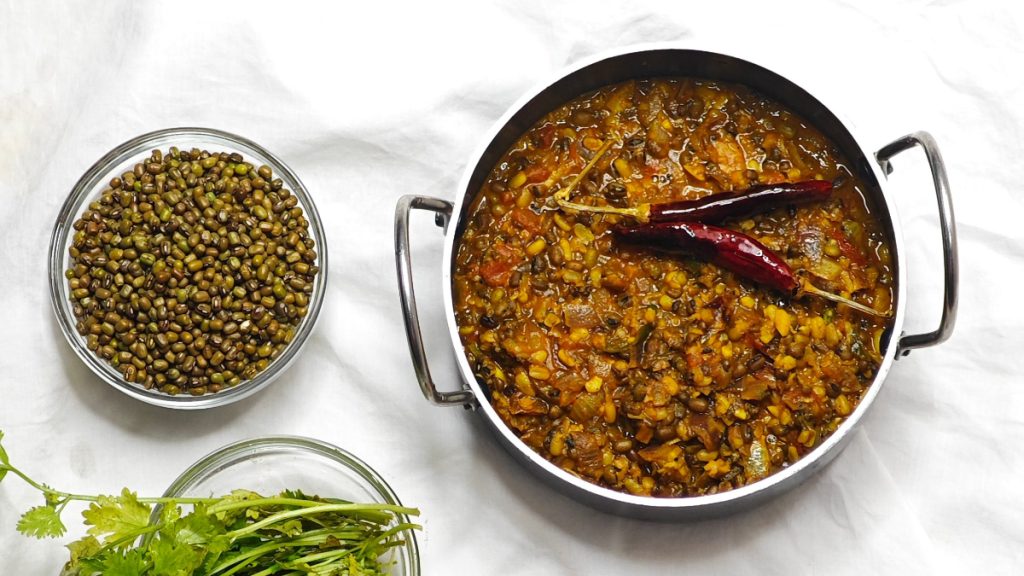
Use clean equipment and potable water. Soak whole moong, drain well, and sprout only the quantity you plan to cook soon. Rinse and drain regularly, and refrigerate promptly once sprouted; warm weather can speed up both sprouting and bacterial growth. Discard anything slimy, mouldy or off-smelling — but remember that harmful bacteria may be present even without visible spoilage.
Food-safety note: homemade and shop-bought sprouts can carry harmful bacteria. Do not eat this recipe’s sprouts raw or lightly cooked. Cook thoroughly until piping hot throughout. Pregnant people, young children, older adults and people with weakened immunity should avoid raw or undercooked sprouts; fully cooked unsprouted moong is a sensible alternative if you do not want to use sprouts.
1. Heat oil, add mustard seeds and let them pop, then add hing and curry leaves.
2. Add onion and cook until soft; stir in ginger-garlic paste and tomato and cook until the tomato breaks down.
3. Add sprouts, spices, salt and about ½ cup water. Cover and cook until the sprouts are completely cooked and piping hot throughout, adding a little more water if needed. Cooking time varies with sprout length and batch size; do not use a fixed 10–12-minute timer as your safety test.
4. Finish with coconut and lemon just before serving.
Paneer brings protein and calcium and makes a quick, useful weeknight dinner. Plain paneer contributes little dietary fibre, so let the vegetables do some work too — and serve the bhurji with a whole-grain roti, dal or another fibre-rich side if that suits your meal.
• 250g paneer, crumbled
• 1 onion, 1 capsicum and 2 tomatoes, finely chopped
• 2 tbsp oil; ½ tsp jeera; a pinch of hing
• 1 tsp ginger-garlic paste; 1 green chilli
• ¼ tsp haldi; ½ tsp chilli powder; ½ tsp garam masala; salt
• Chopped coriander and lemon to finish
1. Heat oil, add jeera and hing, then onion and green chilli. Cook until the onion turns translucent.
2. Add ginger-garlic paste, then capsicum. Cook for a few minutes until slightly tender but still colourful.
3. Add tomatoes and spices, and cook until the tomatoes soften. Stir in crumbled paneer and heat through for about 3–4 minutes without drying it out.
4. Finish with coriander and lemon. Add extra vegetables if you enjoy them, but remember that a single capsicum does not supply all the fibre a balanced day needs.
• Cook rajma ahead when you have time. Cool it promptly in shallow containers, refrigerate within two hours (within one hour in very hot conditions) and eat refrigerated leftovers within about three to four days, or freeze portions. Reheat the portion you need until piping hot.
• Sprout moong only as far ahead as necessary, refrigerate it promptly once sprouted and cook it thoroughly, ideally the same day. For simpler planning, use fully cooked unsprouted moong instead.
• Keep paneer refrigerated according to the packet instructions. Frozen paneer is workable, but thaw it in the fridge and expect a slightly different texture in bhurji.
• Build a pattern that fits your preferences: pulses on several days, paneer, tofu, curd or other protein foods when useful, plus vegetables, fruits and whole grains for dietary variety.
There is one thing worth saying in a category dominated by expensive answers: dried pulses can be an economical way to add protein and fibre to everyday meals. Prices vary by city, brand and season, so there is no fixed cost comparison with paneer or protein powders. But meals built around ingredients already in the kitchen are often easier to repeat than a plan that needs a new purchase every week.
Protein and gut health need not be separate conversations. Pulses are particularly useful because they contribute protein and fibre together; paneer adds another convenient protein option and works well when the rest of the plate supplies plant foods. Increase pulse portions gradually if they cause discomfort, drink enough fluids, and choose the version of these familiar recipes that you will actually want to make again.
• ICMR-NIN, Dietary Guidelines for Indians (2024): balanced diets and cereal–pulse combinations.
• US FDA, Bad Bug Book (2nd ed.): phytohaemagglutinin in raw or undercooked kidney beans.
• US FDA, Selecting and Serving Produce Safely: food safety and raw sprouts.
• US FDA, Food Safety for Moms-to-Be: risks from mung-bean and other raw sprouts.
• USDA-FSIS, Food Safety Basics: prompt refrigeration and leftover storage.
This article offers general food and nutrition information, not medical or personalised dietetic advice. If you have persistent or severe digestive symptoms, allergies, kidney disease or a prescribed diet, seek advice from a qualified healthcare professional. The recipes should be kitchen-tested before their cooking times and yields are treated as definitive.
No. Cereals and pulses have complementary amino-acid patterns, and combining them in a meal is practical, but they do not have to be paired at every sitting. A varied diet across the day can provide adequate amino acids.
Some oligosaccharides in pulses reach the colon, where gut bacteria ferment them and may produce gas. Soaking, discarding the water and cooking thoroughly can reduce some of these compounds. Hing is a traditional flavouring, not a proven way to prevent gas. Individual tolerance varies.
Paneer is a useful protein food, but it supplies little fibre. Whether it meets your protein needs depends on the portion and the rest of your diet; include fibre-rich foods across the day.
Sprouting changes the bean’s composition, but it does not guarantee easier digestion or an overall nutritional advantage for everyone. Sprouts must be thoroughly cooked because raw and lightly cooked sprouts can carry harmful bacteria.
Amounts depend on ingredient brands, cooking yields and serving sizes. These recipes have not been laboratory analysed, so exact protein-per-serving figures are not claimed here. A dietitian can advise on personal protein needs.
Yes, with safe storage. Refrigerate cooked food promptly in shallow covered containers, use most cooked leftovers within three to four days, and reheat until piping hot. Refrigerate fresh sprouts promptly and cook them thoroughly rather than leaving them warm for long periods.