Can You Eat Makhana in a Navratri Fast? A Practical Guide
Makhana is a familiar vrat food. Here is how to check flavoured packets, roast it at home and give it a useful place on your fasting plate.
Table of Contents
Yes, makhana is commonly eaten during a Navratri fast. The popped seeds, also called fox nuts, are used in phalahar meals, roasted snacks and vrat kheer. Plain makhana is the simplest option; flavoured packets need an ingredient check for anything your household avoids, such as onion, garlic, grain-based flours or a particular type of salt. Fasting customs vary, so follow your family’s practice rather than assuming that every makhana product is suitable. At home, roast it with a little ghee or use it in dishes made with your permitted ingredients.
A pan of makhana can be a welcome change from another packet of chips or a round of sabudana vadas. It brings crunch without needing to be deep-fried. The useful question is how to fit it into your fasting day, alongside the other foods you are eating.
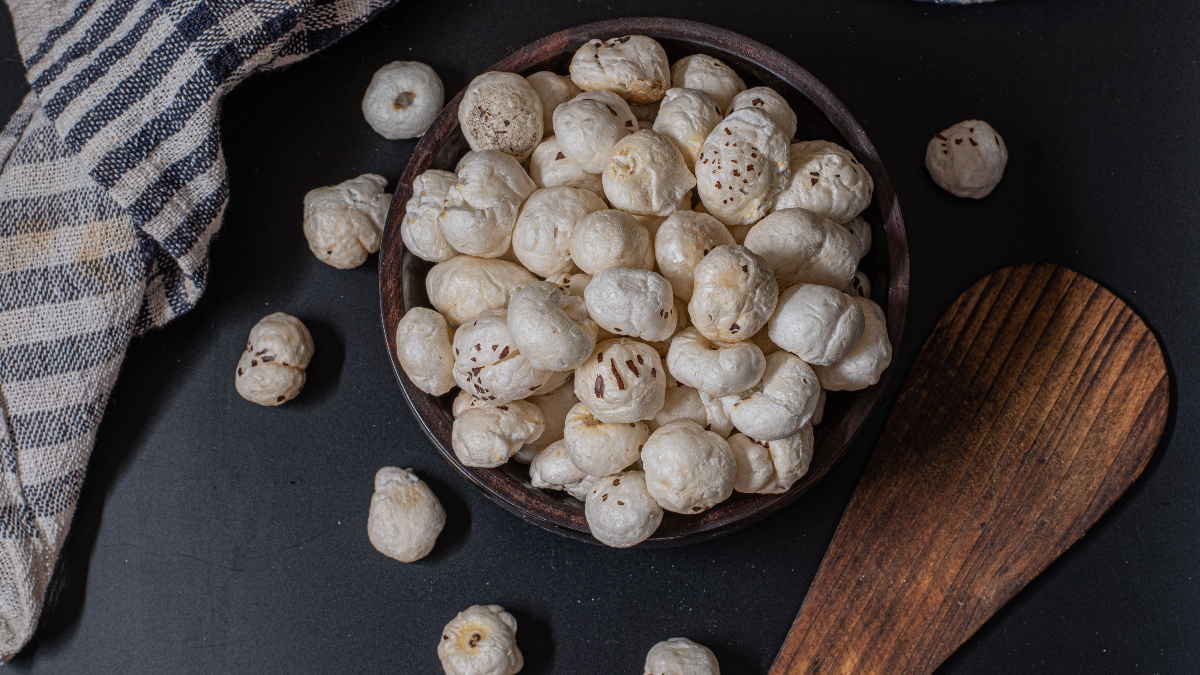
Makhana is the edible seed of an aquatic plant, Euryale ferox. The seeds are dried, roasted and popped to produce the white, crunchy food sold in shops. It is not a cereal grain, although its place in a fast ultimately depends on religious custom, not botanical classification alone.
Makhana has a long association with Bihar, where growing and processing it draws on considerable skill. Mithila Makhana received a Geographical Indication tag in 2022, recognising its regional identity. That is a mark of origin, rather than a nutrition claim.
In the kitchen, its appeal is straightforward. The same ingredient can become a savoury snack, soften in a curry or thicken a bowl of kheer.
Makhana supplies carbohydrate and some protein. A 2023 laboratory analysis measured about 9 g of protein per 100 g of popped makhana. On that basis, a 30 g serving would provide roughly 3 g. The amount in a particular product can differ, so use its nutrition label when available.
That puts the familiar bowl in perspective. Makhana can contribute to a snack, but a small serving should not be expected to supply a meal’s protein. If dairy is permitted and suits you, curd, milk or paneer can sit alongside it.
The same study found less phytic acid in popped makhana than in raw seeds. That tells us something about processing; it does not establish a digestive benefit from eating the finished snack.
Makhana’s airy texture does not guarantee that it will feel comfortable for everyone. The portion, preparation and foods eaten alongside it all matter. A heavily seasoned packet and plain makhana roasted at home can be quite different snacks.
Serve some in a bowl, eat at a comfortable pace and notice how it suits you. Pairing makhana with fruit or curd, where your fast permits them, gives the snack more variety. Drink water through the day if fluids are part of your chosen observance.
There is no need to turn makhana into a digestive remedy. If discomfort keeps returning, seek medical advice rather than repeatedly changing one snack.
The word ‘makhana’ on the front tells you the base ingredient. The list on the back tells you what else has been added.
Look for ingredients your household avoids, including onion or garlic powder, rice or corn flour, and the type of salt used. A cheese flavour is not enough information on its own: check the complete seasoning mix. If your fast excludes grain-derived ingredients and a starch source is unclear, ask the manufacturer or choose a plain product.
Even a pack marked ‘vrat special’ needs to match your family’s rules. Some households use sendha namak; others follow different practices. Rock salt still contributes sodium, so it is not a reason to add more seasoning. WHO advises adults to keep total salt intake below 5 g a day, counting salt from all foods.
| What you have | What to check | A practical next step |
| Plain, unseasoned makhana | Whether makhana is permitted in your fast and whether anything else is listed | Roast and season it with your household’s permitted ingredients. |
| Salted or flavoured makhana | The complete seasoning list, salt type and any grain-derived ingredients | Use it only if the ingredients fit your fasting rules. |
| A makhana snack mix | Every addition, including cereals, namkeen, nuts and seasonings | Check the whole mix; one permitted ingredient does not make the entire product suitable. |
Use only the dairy, vegetables, nuts and spices your household permits. These ideas can be adjusted to that list.
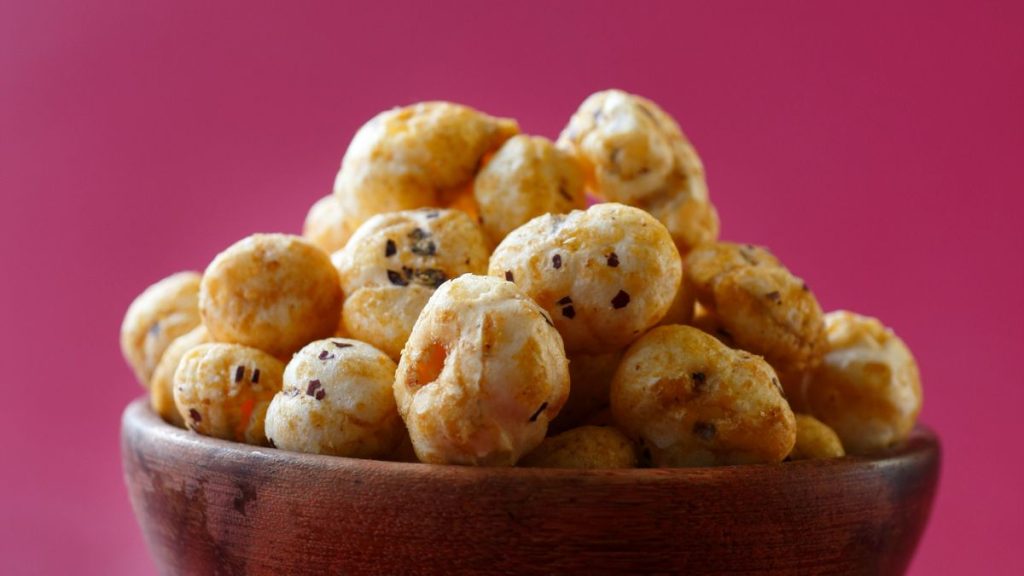
For a simple batch, dry-roast about 30 g of plain makhana in a heavy pan over low heat, stirring often, until crisp. This may take around 8–10 minutes. Add half a teaspoon of ghee near the end if you like, followed by a little permitted salt and black pepper. Let it cool before storing airtight.
Stir roasted makhana into chilled curd with roasted jeera, chopped cucumber and a little permitted salt. Add the makhana just before eating if you want it to stay crunchy. Leaving it in the curd gives a softer texture instead.
Simmer whole or crushed makhana in milk with cardamom until it softens and the milk thickens. Sweeten to taste, using a modest amount. Serve it in a small katori; the milk and any added nuts also form part of the dish’s nutrition.
Add makhana to a vrat-style lauki or pumpkin sabzi, or toss it into sweet potato chaat just before serving. Lemon and permitted spices can add flavour without needing elaborate seasoning. Our guide to sweet potato and gut health explains what shakarkandi contributes to the plate.
Combine roasted makhana with a few peanuts or almonds and permitted seasonings. Make a small batch and serve it in a bowl. Nuts change the composition of the snack, so a makhana-and-nut mix should not be treated as identical to plain makhana.
Choose a pack with a clear ingredient list, intact packaging and readable date information. Store opened makhana in an airtight container, following any instructions on the label, because it can lose its crispness after exposure to moisture.
If properly stored makhana has simply gone soft, brief dry-roasting can restore the crunch. Discard any that is mouldy or smells musty or rancid; reheating is not a way to rescue spoiled food. Broken pieces can still be useful in kheer or a sabzi.
Makhana can fill the snack gap, while your permitted fruit, vegetables and dairy help vary the rest of the day. Keep cooking methods varied too: a roasted snack, a cooked sabzi and a bowl of curd give you more options than a succession of fried foods.
If sabudana is another fasting staple in your kitchen, read our guide to sabudana, fibre and building a more balanced plate. Want ideas using the foods your household allows? Ask Happy Tummy GPT: ‘Suggest three Navratri snack ideas using makhana. These are the ingredients permitted in my fast: [add your list]. Include options that do not need deep-frying.’
Disclaimer: This article provides general food information, not medical advice or a universal religious rulebook. Fasting customs differ; follow your family’s or spiritual guide’s practice. If you have a medical condition, take regular medicines, are pregnant or breastfeeding, or are planning a fast for a child or an older adult, seek individual medical advice first. Do not change prescribed medicines or a medically directed diet to accommodate a fast. Persistent, severe or recurring digestive symptoms need medical attention.
Yes. Makhana is commonly used in Navratri fasting food, including roasted snacks and kheer. Customs differ, so check that both the makhana and any added ingredients fit your household's practice.
It depends on the ingredients and your fasting rules. Check the seasoning for anything you avoid, such as onion, garlic, grain-based flours or a particular salt. A 'vrat special' label does not replace that check.
Yes, if your fasting tradition permits ghee. Dry-roast the makhana first, then add a little ghee to help the seasoning coat it. Use spices and salt that your household allows.
There is no single daily allowance that suits everyone. Around 30 g can be a practical example of a snack serving, rather than a prescribed limit. Your appetite, other meals and preparation matter; makhana need not replace those meals.
A 2023 analysis measured about 9 g of protein per 100 g of popped makhana, equivalent to roughly 3 g in a 30 g serving. That is some protein, but a small bowl should not be relied on as a meal's main protein source. Check your product's label.