


Table of Contents
You wake up feeling fine, but by evening your stomach feels tight, swollen and uncomfortable. Here’s why bloating tends to build gradually through the day — and what simple habits may help reduce it.
This article is expert-reviewed by Qurath Ain, Certified Nutritionist and Clinical Dietitian.
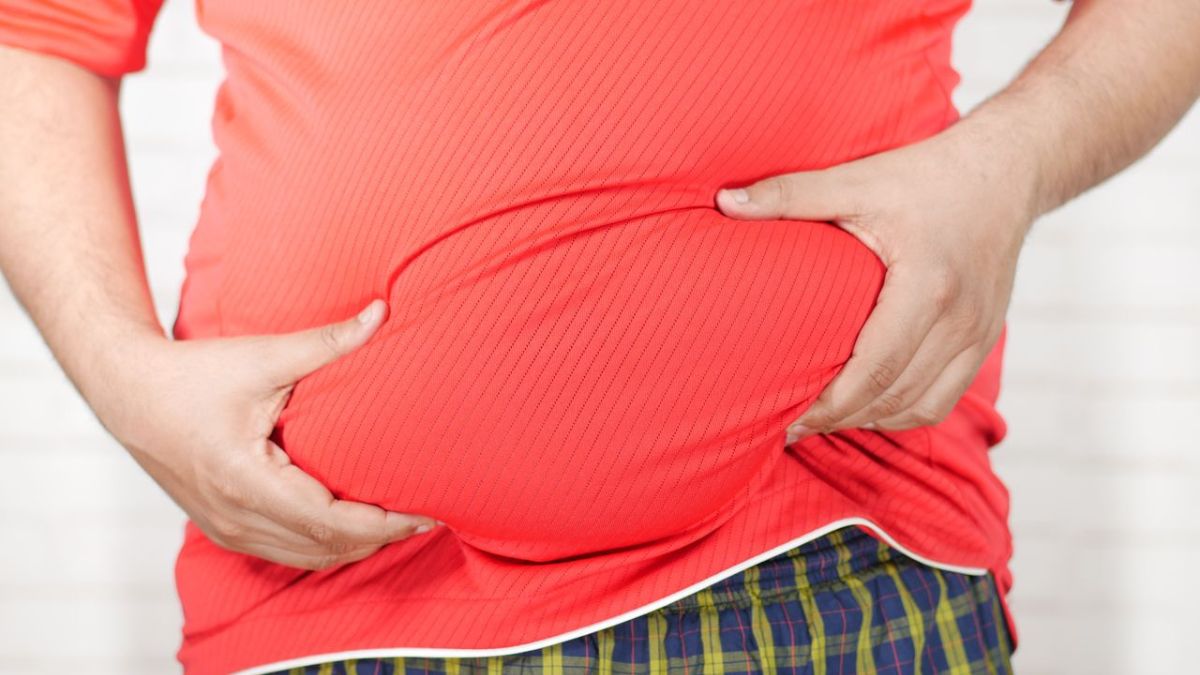
It starts well. You wake up, your stomach feels comfortable, your jeans fit. By 4 pm you look three months pregnant and your waistband is doing things no waistband should. The Puffy Tummy is less about any single meal and more about a pattern that accumulates over the course of a day — gas building slowly from breakfast, lunch and snacks, from fermentation that happens hours after eating, from air swallowed at every rushed meal in between. Understanding why bloating builds rather than appearing all at once changes how you approach it entirely.
In This Piece
We’ll look at why bloating is a cumulative daily process rather than a response to any single meal, what ‘bloating’ actually means in physiological terms versus the visible puffiness you can see, how the food factor and eating pace each add to the daily total, a brief note on hormonal bloating that’s entirely separate from food, and one routine shift that consistently interrupts the build-up before it peaks. We’ll also cover when the Puffy Tummy pattern deserves more than a habit adjustment.
What the Puffy Tummy Feels Like
Pressure or tightness in the abdomen that builds gradually rather than hitting all at once. A sense that the stomach is expanding through the day, sometimes visible, sometimes just felt. It can be uncomfortable, occasionally painful if gas gets trapped, and reliably worse by evening than in the morning. Some days it passes overnight and restarts the next day. Other days it lingers. For most people, it’s more of an inconvenience than a medical concern — but it’s consistent enough, and common enough, to deserve a clear explanation.
Note: Bloating can also be a symptom of gastrointestinal digestive issues such as gastritis, indigestion, constipation, IBS, intolerances, etc, and/or due to an underlying health condition which requires medical attention.
| ⓘ Bloating vs Distension — The Distinction That Matters Bloating: a subjective sensation of trapped gas, abdominal pressure or fullness — what you feel. Abdominal distension: a measurable increase in abdominal girth — what you can see or measure. Both can occur together, but either can occur alone. You can feel bloated without visible distension, and develop visible distension without the subjective sensation. Both are extremely common. Bloating and distension affect an estimated 30% of the adult general population. — Clinical Gastroenterology & Hepatology / Mayo Clinic, Lacy et al. (2021); Rome Foundation, ‘Bloating and Distension: Definitions and Causes’ |
Why Bloating Builds, Rather Than Arriving All At Once
The digestive system produces gas continuously through the day, not in a single burst after any one meal. Fermentation by gut bacteria — the process by which undigested carbohydrates are broken down in the large intestine — is a running process that happens several hours after eating, not immediately. So the gas produced by breakfast often isn’t felt until mid-morning; the gas from lunch peaks in the afternoon; by evening the whole day’s accumulation is sitting somewhere in the digestive tract. This is why the Puffy Tummy is more of an evening thing than a morning thing, even for people whose diet hasn’t meaningfully changed across the day. The possible causes of bloating can be due to:
- excess intestinal gas production that occurs during fermentation of the food in the intestines,
- slow/ fast transit,
- impaired gut microflora,
- hypersensitivity of the gut,
- unknown food sensitivity/ intolerances,
- fluid retention.
| ⓘ Gas Is a Normal Part of Digestion The intestines produce between 500 and 1,500 millilitres of gas per day — entirely normal. Gas is produced from two sources: air swallowed while eating and drinking, and fermentation by intestinal bacteria breaking down undigested carbohydrates. The amount of fermentation depends on how many undigested carbohydrates reach the large intestine — and some gas production from common foods like dal, vegetables and fruit is simply unavoidable. The problem is not the gas itself, but when it accumulates faster than it moves through or is expelled. — Better Health Channel, Victorian Government Department of Health; Cleveland Clinic, ‘What Is Intestinal Gas?’ (2024) |
The Food Factor
One of the dietary factors associated with bloating is the intake and poor absorption of short-chain carbohydrates called FODMAP foods. Consumption of these foods may lead to excess gas production and poor gas clearance. In case of severe bloating, abdominal pain and/or IBS, try to limit the intake of FODMAP-containing foods.
Certain carbohydrates are more fermentable than others, meaning they produce more gas when gut bacteria break them down. Dal and pulses, certain vegetables (cabbage, cauliflower, broccoli, radish, onions), whole grains and some fruits (apple, pear) all contain carbohydrates that not everyone’s small intestine absorbs fully. This is not a reason to avoid these foods — they’re among the most nutritious items in an Indian diet and several are actively recommended in this platform’s other series. It’s a reason to understand that the gas from these foods is a normal side effect of their fermentation, not a sign the food is ‘bad’ for you or your gut. Rotating the most gas-producing foods across a day rather than concentrating them in a single meal can help.
The Routine Factor: Swallowed Air Adds Up
A significant portion of daily bloating has nothing to do with food composition and everything to do with eating pace. Swallowing air while eating — which happens with every rushed meal, with carbonated drinks, with eating while talking, sucking on ice or candy, or with drinking through straws — adds air to the digestive tract that has to go somewhere. Across three rushed meals and a carbonated drink at lunch, the air contribution to a day’s bloating is meaningful. Slowing down, even slightly, chewing more thoroughly, and reducing carbonated drinks on the most bloating-prone days are all changes that affect the air-swallowed-per-meal variable without touching the food on the plate at all.
A Note on Hormonal Bloating
Not all bloating is food-related. Hormonal changes during the menstrual cycle — particularly in the days before a period, when progesterone levels shift — can cause fluid retention and a distinct bloating that is entirely separate from anything eaten that day. This kind of bloating follows a predictable monthly pattern rather than a daily one and generally resolves once the cycle progresses. If bloating consistently appears at the same point in the cycle and feels different from food-related puffiness, this is likely the reason. It is normal and well-documented; it is also genuinely separate from the food-and-gas mechanisms this piece otherwise covers.
One Gentle Thing to Try Today
Break the build-up mid-day rather than waiting for it to peak at 6 pm6pm. A short walk after lunch — even ten minutes — supports gut motility, helps gas move through rather than accumulate, and interrupts the sitting-still-through-the-afternoon pattern that lets the build-up go uninterrupted. This is especially useful if lunch was dal-heavy or included foods you know ferment actively for you. A mid-afternoon walk is simpler, requires no changes to what was eaten, and consistently reduces the severity of the 4 pm4pm puffiness for most people who try it regularly. Remember these:
- Do not skip your meals; have small, frequent meals at regular intervals.
- Avoid large, heavy meals, and practice portion guidance.
- Food should be eaten slowly and chewed well, as fast eating provokes gastric feeding reflex.
- Have a gap of a minimum of 2-3 hours between bedtime and your last meal.
When the Puffy Tummy Deserves More Attention
Bloating that builds through the day and passes overnight is the ordinary pattern this piece is about. It’s worth paying more attention if: the bloating is severe, visibly pronounced and worsening over weeks; it’s accompanied by pain, changes in bowel habits, blood in the stool, unexplained weight loss, or persistent nausea; or if it started suddenly without a clear food or lifestyle change. These patterns are different from everyday puffiness and worth raising with a doctor rather than managing with habit changes alone.
FAQs
Why am I fine in the morning but bloated by evening?
Gas from fermentation builds gradually through the day as each meal is broken down hours after eating. By evening, the cumulative production from breakfast, lunch and snacks is sitting in the digestive tract — hence the typical morning-to-evening progression.
Is some bloating after eating normal?
Yes — the digestive system produces 500 to 1,500ml of gas daily as a normal part of digestion. The issue arises when gas accumulates faster than it moves through, not from the gas itself.
Which foods cause the most bloating?
Dal and pulses, certain vegetables (cabbage, cauliflower, onions), and some fruits contain carbohydrates that produce more gas when fermented by gut bacteria. This is a normal property of these foods, not a sign they are bad for you. Do not avoid these foods at once; observe the symptoms after consuming these foods. If any of these foods cause excessive discomfort, limit the quantity and observe rather than completely avoiding them.
Does eating too fast cause bloating?
Yes, partly. Eating quickly means swallowing more air, which contributes to bloating independently of what’s on the plate. Slowing the pace, even slightly, reduces the air-swallowing contribution to a day’s bloating.
Why do I bloat more before my period?
Hormonal changes in the days before menstruation, particularly in progesterone levels, can cause fluid retention and bloating that’s entirely separate from food. This follows a monthly pattern and resolves as the cycle progresses.
When should I see a doctor about bloating?
If bloating is severe, worsening, accompanied by pain, changes in bowel habits, blood in stool, unexplained weight loss or nausea, or started suddenly without explanation. Everyday puffiness that passes overnight is not usually a medical concern. If bloating does not reduce despite making healthy lifestyle and dietary changes, it is best to consult with your healthcare provider.
Next steps
- Do: Log your tummy mood today
- Ask Happy Tummy GPT: “Why do I get bloated every afternoon?”
- Reflect: “Puffy by evening? Here’s what’s actually happening.”
Sources
Monash University: About FODMAPs and IBSMonash University: Fibre Supplements and IBS
NIDDK: Irritable Bowel Syndrome (IBS)
National Library of Medicine: Bloating and Abdominal Distension: Clinical Approach and Management