

Table of Contents
Rava is a refined wheat product, but the finished breakfast depends on far more than the grain alone. See how vegetables, pulses, curd, fruit and nuts change three familiar suji preparations.
RAVA, SUJI, SEMOLINA… In most Indian cooking contexts, the terms refer to the same broad category of wheat product: granules produced by milling wheat after wholly or partly removing the bran and germ. “Rava” can also appear in the names of products made from other grains, so the ingredient label still matters.
Wheat rava is a refined cereal product rather than a whole grain. That generally gives it less fibre than whole-wheat atta or whole broken wheat—but does not make it a food that must be avoided.
The more useful question is what the rava becomes. Plain suji and a vegetable upma containing peas, carrots, peanuts and chana dal are not nutritionally identical meals. Rava contributes the base and texture; the ingredients around it determine much of the finished dish’s fibre and variety.
Are Rava, Suji and Semolina the Same?
Suji and rava are commonly used Indian names for wheat semolina. “Suji” is especially familiar in northern India, while “rava” is widely used in southern and western India, although the terms overlap considerably.
There is one useful qualification. In international standards, semolina often refers specifically to a product milled from durum wheat. Indian food standards use “semolina, suji or rawa” more broadly for a wheat product from which the bran and germ have been wholly or partly removed. Fine, coarse and roasted versions mainly differ in particle size, texture and cooking behaviour.
In this article, “rava” means wheat rava. Rice rava and other grain-based ravas are separate products and should not be treated as nutritionally identical simply because they share the same culinary word.
What Rava Contributes (and Doesn’t)
Standard rava is a refined wheat product made after wholly or partly removing the bran and germ. It therefore generally contributes less fibre than whole-wheat atta or whole broken wheat. The exact amount varies by product, and particle size alone does not establish that rava is nutritionally superior to maida or easier to digest. Rava’s principal strengths here are its texture, familiar cooking uses and relatively quick preparation; the vegetables, pulses, nuts, fruit or curd around it shape much of the finished meal’s variety.
| ⓘ Rava on the Grain Spectrum Whole-wheat atta: Made using the whole kernel, including bran and germ Whole broken wheat or dalia: Whole grain when the full kernel is retained Rava, suji or semolina: Refined wheat product with the bran and germ wholly or partly removed Maida: Finely milled refined wheat flour Particle size alone does not establish that rava is higher in fibre or better for digestion than maida. Check the nutrition labels of the specific products being compared. |
Rava Three Ways
Rava Breakfast 1: Vegetable, Pea and Peanut Upma
You need:
1 cup rava, 1 cup chopped mixed vegetables, ¼ cup peas, 2 tablespoons peanuts, 1 small onion, mustard seeds, curry leaves, 1 teaspoon oil or ghee, salt and water according to the pack instructions.
Method:
Dry-roast ordinary rava until aromatic, or skip this step when using pre-roasted suji. Heat the oil or ghee and cook the peanuts. Add mustard seeds, curry leaves and onion, followed by the vegetables and peas. Add water and salt and bring to a boil. Pour in the rava gradually, stirring continuously. Cover and cook until tender.
What changes the bowl:
The vegetables, peas and peanuts add food-group variety, texture and further fibre beyond what the refined wheat base supplies.
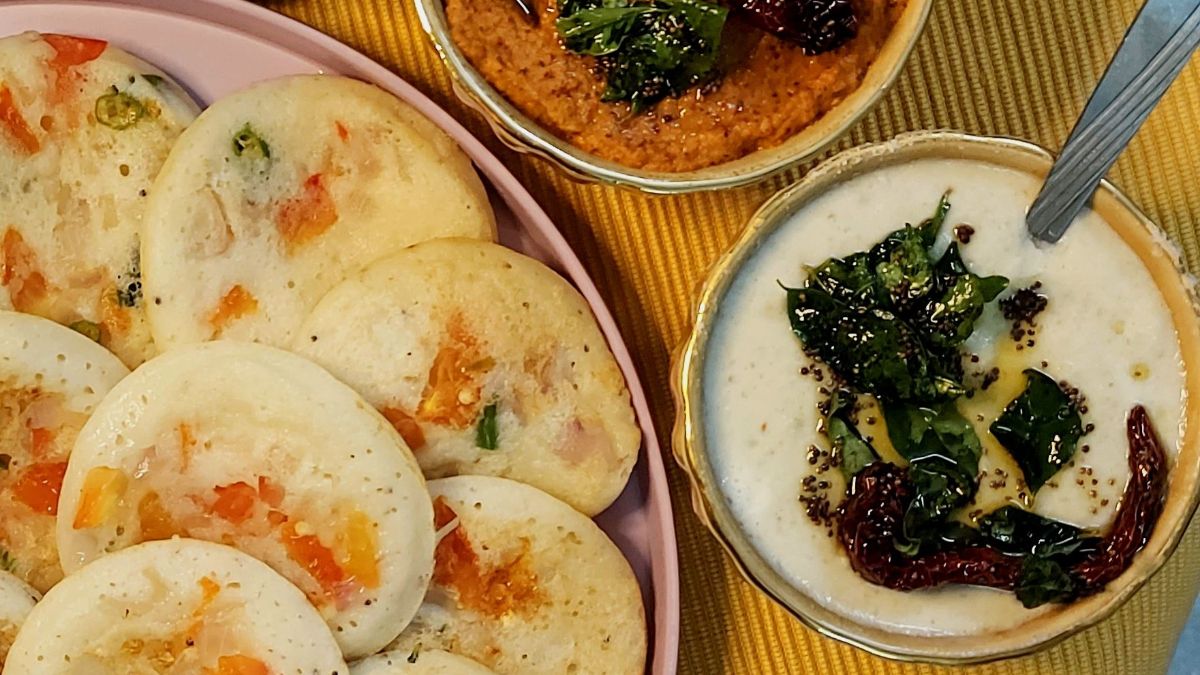
Rava Breakfast 2: Steamed Vegetable Rava Idli
You need:
1 cup rava, ¾ cup curd, ½ cup water as needed, ½ cup grated carrot or finely chopped vegetables, salt, mustard seeds, curry leaves and the leavening agent specified by your preferred recipe.
Method:
Roast ordinary rava lightly and allow it to cool. Mix it with curd, salt and enough water to make a thick, spoonable batter. Stir in the vegetables and a simple mustard-and-curry-leaf tempering. Rest briefly, add the leavening agent immediately before steaming, then spoon into greased idli moulds and steam until set.
What changes the bowl:
The recipe introduces curd and vegetables and uses steaming rather than frying. It remains a rava-based breakfast, not a whole-grain one.
Rava Breakfast 3: Apple, Nut and Cardamom Suji Porridge
You need:
½ cup rava, 1½ cups milk or a suitable alternative, ½ cup water, 1 small grated apple, 1 tablespoon chopped nuts, cardamom and optional jaggery to taste.
Method:
Lightly roast the rava. Bring the milk and water to a gentle simmer, then add the rava gradually while stirring. Cook until smooth and soft. Add the apple, nuts and cardamom. Sweeten modestly after cooking where needed.
What changes the bowl:
Fruit and nuts add texture and variety. The sweetness remains adjustable rather than being treated as an essential part of a suji breakfast.
How the Three Breakfasts Compare
| Preparation | Main additions | Texture | Useful when |
|---|---|---|---|
| Vegetable upma | Vegetables, peas, peanuts | Grainy and savoury | You want a fuller, vegetable-led breakfast |
| Rava idli | Curd and vegetables | Soft and steamed | You prefer a compact, make-ahead-friendly format |
| Suji porridge | Fruit, nuts and milk | Smooth and spoonable | You want a sweet breakfast with adjustable sweetness |
All three begin with refined wheat rava. The differences come from the ingredients, cooking method, portion and accompaniments.
Which Rava Works for Which Recipe?
Pre-roasted suji removes one preparation step from upma, idli and porridge. A product such as Aashirvaad Double Roasted Suji can therefore be useful on rushed mornings. Aashirvaad Bansi Rava is made from durum wheat and offers a different grain size and appearance. These are cooking and convenience distinctions rather than claims that either product is whole grain or higher in fibre.
When to Use Rava and When to Use Dalia
When made from the complete wheat kernel and retaining the bran and germ, dalia will generally offer more whole-grain fibre than standard rava. Check the product label, because “broken wheat” describes the form of the grain but does not by itself confirm how much of the kernel has been retained. If ease of cooking, texture variety, or the particular flavour of upma is the goal, rava is the right tool: rava often cooks relatively quickly (depending on the grade and product), has a lighter texture, and is more versatile across sweet and savoury preparations. The most sensible approach is treating them as two different things: not one better than the other, but suited to different purposes on different mornings.
Is Rava Suitable for Everyone?
Rava, suji and wheat semolina contain gluten. They are unsuitable for people with coeliac disease and may also be inappropriate for someone with a diagnosed wheat allergy. Digestive tolerance varies, and a softly cooked rava dish may feel comfortable to one person but not another. Persistent symptoms after wheat-containing foods should be assessed by a qualified healthcare professional rather than managed through unsupervised elimination.
FAQs
Is rava (suji) good for digestion?
Rava is a refined wheat product, not a digestive treatment. Some rava dishes may feel comfortable to certain people, but the response depends on the person, portion and complete recipe.
What is the difference between suji and rava?
In most Indian cooking contexts, suji and rava both refer to wheat semolina, although regional usage and grain size may vary. “Rava” may also appear in the names of products made from rice or other grains, so the ingredient label still matters.
Is rava a whole grain?
No. Standard wheat rava is produced after wholly or partly removing the bran and germ.
What is Bansi rava?
Aashirvaad Bansi Rava is made from durum wheat. It is a rava product with a particular grain size and appearance, not a whole-grain category or a demonstrated nutritional upgrade.
Is vegetable upma a good breakfast?
Vegetable upma can be a practical breakfast. A meaningful quantity of vegetables, along with peas, peanuts or pulses, makes the meal more varied than plain rava alone.
Is rava better than maida for digestion?
Both are refined wheat products with different particle sizes and culinary uses. Coarser texture alone does not prove that rava is better for digestion or substantially higher in fibre.
Is rava gluten-free?
No. Rava, suji and semolina made from wheat contain gluten.
Does rava contain fibre?
Rava may contain some fibre, but the amount varies by product. Check the current nutrition label rather than applying the fibre figure for atta or another wheat product.
Next Steps
- Do: Log how your tummy felt after today’s meal
- Ask Happy Tummy GPT: “What’s the healthiest way to make upma?”
- Reflect: What did you add to your breakfast today? Vegetables, fruit, nuts, seeds or pulses?
Disclaimer: This article is intended for general educational purposes and is not a substitute for personalised medical or dietary advice. Rava, suji and wheat semolina contain gluten. Consult a qualified healthcare professional if you have coeliac disease, a wheat allergy or persistent digestive symptoms.
Sources:
FSSAI: Food Product Standards for Cereals and Cereal Products
NIDDK: Eating, Diet and Nutrition for Coeliac Disease