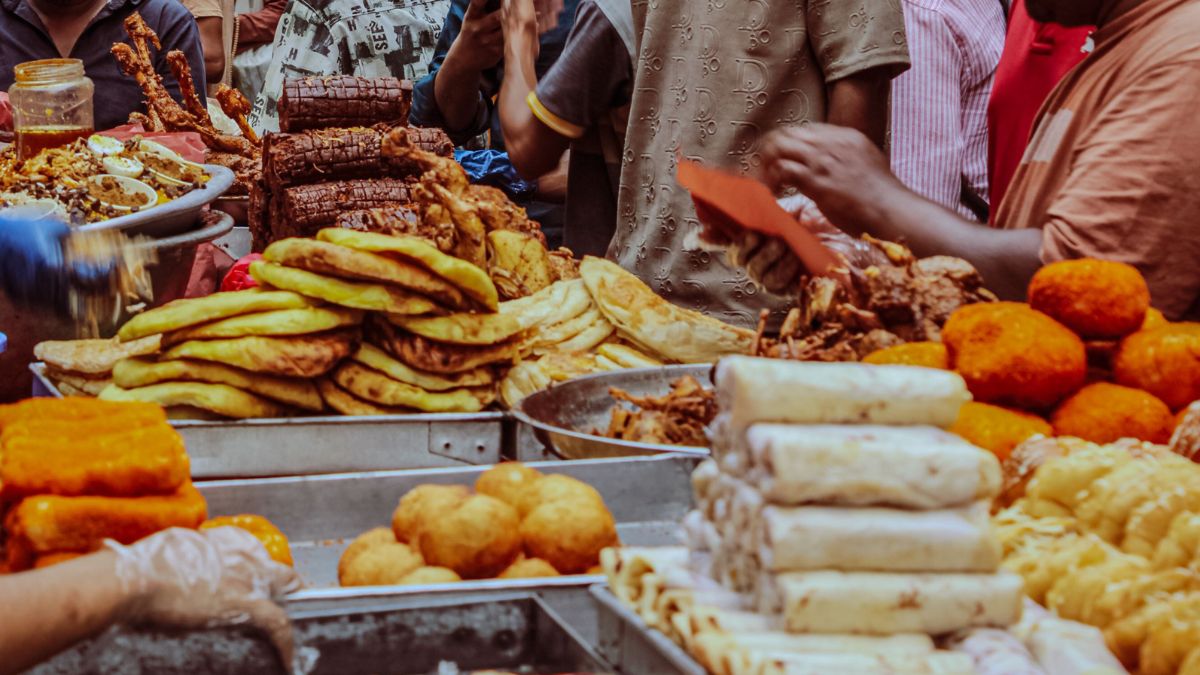
Is Street Food Always Bad for Your Gut?
Street food isn't automatically bad for your gut. Learn what actually matters when eating out, from food hygiene and safe water to freshness, storage and monsoon precautions.
Table of Contents
Street food isn’t automatically bad for your gut — poor food hygiene, unsafe water, and improper storage are the real concerns, not the fact that it comes from a cart rather than a kitchen. A plate of freshly made dosas cooked on a hot tawa is meaningfully different from cut fruit that’s been sitting uncovered for three hours. The preparation, handling, and context matter far more than the category.
Let’s settle this once and for all. From golgappas and chaat to dosas, momos and kebabs, street food is woven into the way we eat, celebrate and socialise. Most of us have favourite stalls we’ve been visiting for years. And yet, every monsoon — or every time someone gets an upset stomach — street food is usually the first thing to be blamed. Is that fair? Not entirely.
Meet Ranjit. He has a favourite chaat stall near his office that he’s been visiting for four years. He knows the vendor by name, the turnover is brisk, everything is cooked fresh to order. He’s never once had a problem there. Last week, on a different route home, he stopped at a new stall — fruit chaat that looked appealing, sitting in a bowl that was clearly not fresh. He thought nothing of it. The next morning told a different story.
Ranjit’s week illustrates the point more precisely than any generalisation: the stall he trusts hasn’t made him sick in four years. The one he tried once did. That’s not street food being bad for your gut. That’s food safety being handled badly by one vendor.
When digestive problems happen after eating outside, it’s tempting to blame the last thing you ate. Sometimes that’s correct. But foodborne illness is usually linked to contamination — unsafe water, poor hand hygiene, improperly stored ingredients, or food left at unsafe temperatures for too long. That’s a food safety issue, not a street food issue as a category.
The variables that actually matter: whether the food was cooked fresh, whether it was kept at a safe temperature, whether the water used in preparation was safe, and whether there was good hygiene in how it was handled. A vendor who maintains all of these well can be safer than a home kitchen that doesn’t.
There’s also a less obvious culprit. Sometimes the issue isn’t the food at all — it’s everything around it. You skipped breakfast, didn’t drink much water, walked around in the heat, then ate a very spicy meal quickly because you were hungry. Later that evening, your stomach felt uncomfortable. Was it the street food? Maybe. Or maybe it was the combination of hunger, dehydration, eating too fast, and the meal itself. Your gut experiences the whole day, not just one plate of chaat.
During the rainy season, food safety requires extra thought. Warm temperatures and humidity encourage bacteria to multiply more quickly in food that isn’t stored or handled properly. India’s hot, humid climate makes food spoilage and contamination more likely in general — and the monsoon concentrates those risks.
The FSSAI — India’s own food safety authority — has practical guidance worth following rather than improvising around. Cooked food shouldn’t sit at room temperature for more than two hours. Keep food properly hot (above 60°C) or properly chilled (below 5°C). Use safe water for both drinking and food preparation. When eating out, the FSSAI Hygiene Rating Scheme — a 1 to 5 score now displayed at many eateries and increasingly on delivery platforms — is a quick, practical way to choose more carefully. For street vendors, FSSAI’s Eat Right India programme has also been rolling out hygiene training and certification, making certified vendors a meaningfully safer option in peak monsoon.
That doesn’t mean you have to avoid street food for four months. It simply means this is a good time to be a little more selective, and to lean toward freshly cooked, piping hot items rather than things that have been sitting out.

And if something doesn’t look or smell right, trust your instincts. Skipping one snack is better than spending the next two days regretting it.
Street food is usually an occasional meal, not the foundation of your eating. Meals built around vegetables, pulses and whole grains support overall digestive health in a way that occasional street food neither significantly adds to nor necessarily takes away from. Rotis made with Aashirvaad Namma Chakki 100% Khapli Atta provide around 11.4g of fibre per 100g, similar to whole wheat atta. Enjoying occasional street food alongside a balanced, fibre-rich eating pattern is far more realistic and sustainable than trying to label foods as categorically good or bad.
Healthy eating has room for enjoyment. A plate of golgappas from a stall you trust, on a Saturday evening with friends, is not a digestive event worth worrying about. The week around it is what matters more.
Had outside food today — how did it sit? Worth a quick note, alongside what you had and the context (busy stall, fresh to order, or something that looked like it had been sitting). The eating-out tolerance pattern tends to be more specific than people realise once they’re actually tracking it.
If you’ve had a heavy or oily outside meal and want to know what to eat next, “What to Eat After a Day of Heavy, Oily or Outside Food” covers exactly that. And for the broader monsoon food safety picture, “Monsoon Food Safety Without the Food Fear” is the companion read for this season.
“I developed digestive symptoms after eating outside. Here’s everything I ate that day, where I ate it, when I ate it, my water intake and any symptoms I experienced. Can you help me identify whether the street food was the likely trigger, or whether other habits might also have played a role?”
Street food isn’t automatically bad for your gut. Poor hygiene, unsafe water, and improper storage are the real concerns. The practical approach is to choose vendors you trust, look for freshly prepared food, use the FSSAI Hygiene Rating where available, and be a little more selective in monsoon season. Because when it comes to gut health, how food is handled usually matters more than where it’s served.
If you develop severe diarrhoea, persistent vomiting, blood in your stool, high fever or signs of dehydration after eating, seek medical attention promptly. If digestive symptoms continue or keep returning, it’s worth speaking to a doctor.
Not categorically. Poor food hygiene, unsafe water, and improper storage are the actual risks. A freshly cooked street meal from a vendor with good hygiene practices is often safer than restaurant food that’s been sitting under a heat lamp. The specific preparation and handling matter far more than the category.
Fresh preparation, high customer turnover, covered ingredients, clean handling, and safe water are the main indicators. The FSSAI Hygiene Rating (1–5) is now displayed at many vendors and on delivery platforms — a useful shortcut. If in doubt, freshly cooked-to-order items are generally a better choice than things sitting in open bowls.
The risk is higher, not because street food is categorically different, but because warm, humid conditions encourage bacterial growth more quickly in food that isn’t stored correctly. Freshly cooked, hot food is generally safer. Being more selective during monsoon is sensible; avoiding all street food for four months isn’t necessary.
Mild symptoms often resolve on their own within a day or two with rest, hydration, and light eating. If you develop severe diarrhoea, persistent vomiting, blood in your stool, high fever or signs of dehydration, seek medical attention promptly rather than waiting it out.