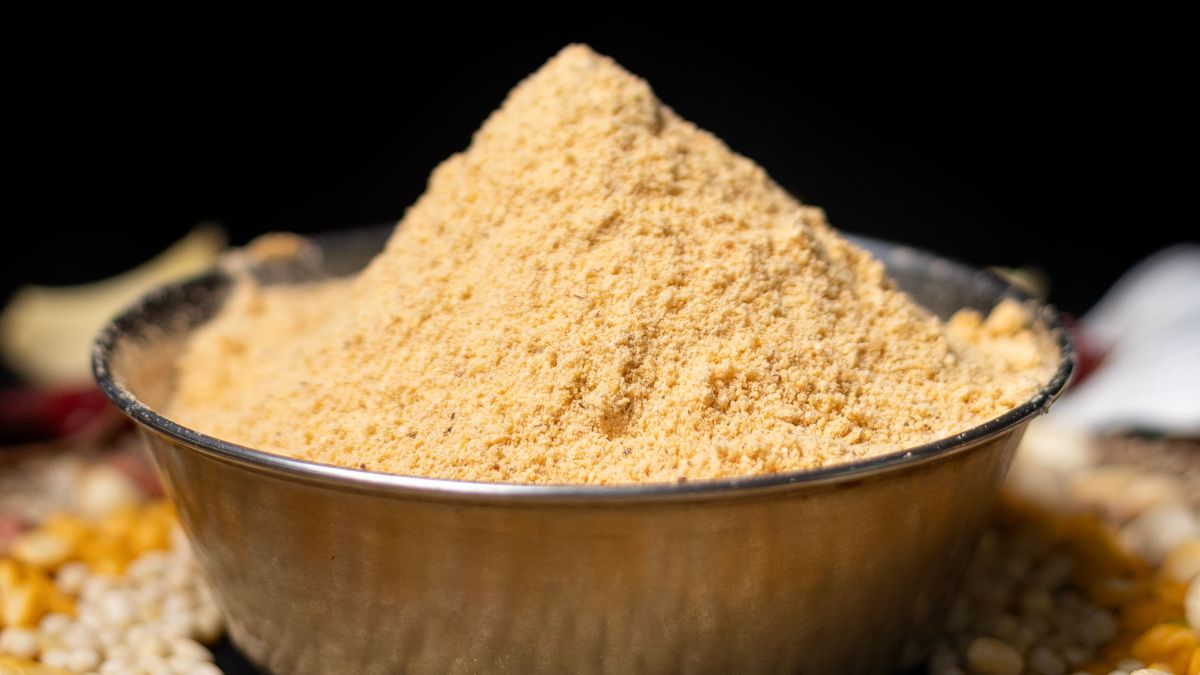
From sattu and besan to rajma, moong, kulith and moth beans, familiar Indian pantry staples can contribute meaningful protein and fibre. Here’s how to use them without turning every ingredient into a “superfood”.
Some ingredients sit quietly in Indian kitchens for decades, doing their job without ever becoming fashionable. They are bought by the kilo, stored in steel containers and turned into breakfasts, snacks and dinners without much fuss.
Sattu is one such ingredient. Besan is another. Then there are roasted chana, rajma, lobia, kulith, moth beans and green moong. Peanuts and sesame bring something different to the table, while millets such as bajra, jowar and ragi help build meals around these foods.
They may not always appear on modern lists of ‘high-protein superfoods’, but they have something more useful going for them: they are familiar, relatively affordable and deeply woven into Indian cooking. Their popularity among protein-conscious eaters is therefore less a discovery than a rediscovery.
The ICMR-National Institute of Nutrition’s Dietary Guidelines for Indians 2024 emphasise dietary variety and recommend obtaining protein from regular foods, including pulses, beans, peas, dairy, eggs, fish and meat, according to a person’s dietary pattern. Cereals and millets contribute some protein too, but pulses generally do more of the protein-and-fibre work in a vegetarian meal.
So perhaps the better question is not, ‘Which new protein-rich food should I buy?’ It is, ‘What have I been overlooking in my own pantry?’
Protein and Fibre Do Different Jobs
Protein and fibre are frequently grouped together in wellness conversations, but they are not the same nutrient and do not perform the same function.
Protein supplies amino acids used to build and maintain tissues and support numerous processes in the body. Fibre contributes to stool bulk, helps regulate bowel function and, depending on the type, may be fermented by microorganisms in the colon.
Pulses are particularly useful because they contribute both protein and fibre in the same food. Whole grains and millets provide fibre and some protein but remain primarily cereal foods. Peanuts and sesame are oilseeds: they add protein and fibre, but also substantial amounts of fat and energy.
The useful pattern is therefore not to declare all these foods equivalent. It is to combine them intelligently.
Cereals and pulses have complementary amino-acid profiles. The ICMR-NIN guidelines note that combining them can improve the overall protein quality of a meal. Indian cooking already does this naturally: dal with rice, rajma with roti, sambar with idli, khichdi, adai and bajra roti with a pulse-based curry.
The combination does not need to be mathematically perfect at every meal. What matters is eating a varied diet across the day rather than relying on one ingredient to supply everything.
Sattu and Besan Are Not the Same Flour
Sattu and besan may both come from Bengal gram, but the words do not describe identical products.
Chana sattu is commonly made by roasting Bengal gram and then grinding it. Because the gram has already been roasted, the flour can be mixed directly into a drink or filling without further cooking.
The name ‘sattu’ is also used for roasted barley, maize and mixed-grain or pulse preparations in some regions. Its nutritional composition therefore depends on what is actually in the packet. Check whether you are buying chana sattu, barley sattu or a blended product rather than assuming that every version has the same protein and fibre content.
ALSO READ | Moringa for Gut Health: Fibre, Nutrients and the Real Story
Besan is generally made by grinding unroasted split Bengal gram or chana dal. It needs to be cooked. It becomes chilla, dhokla, kadhi, gatte, pakora batter or a binder for other dishes.
Neither flour is automatically healthier. The ingredients, portion and cooking method determine the final meal. A vegetable besan chilla served with curd is nutritionally different from a plate of deep-fried pakoras, even though both begin with the same flour.
Sattu: The Roasted-Gram Workhorse
Sattu’s greatest practical advantage is convenience. Chana sattu contributes plant protein and fibre without requiring another round of cooking.
Mix it with water, lemon, roasted cumin and a modest amount of salt for a savoury summer drink. Combine it with onion, coriander, ajwain and spices for a paratha filling. It can also be stirred into plain yoghurt to make a thick savoury dip.
But the amount matters. A teaspoon of sattu in a large glass of water is not a high-protein meal simply because sattu appears on the ingredient list. A more substantial serving, especially when accompanied by curd, paneer, milk or another protein source, contributes more meaningfully.
Packaged sweetened sattu drinks can also contain considerable added sugar. Read the ingredient list instead of relying on the wholesome reputation of the word ‘sattu’.
Besan: The Flour That Can Do Almost Anything
Besan earns its place in the pantry through versatility. It can turn a few vegetables into a chilla, leftover curd into kadhi or a bowl of cooked vegetables into a substantial patty.
For a simple chilla, whisk besan with water, cumin, ajwain, onion, coriander and chopped vegetables. Cook it thoroughly on both sides. Stuffing it with paneer or serving it with plain curd can make the meal more protein-rich, while the vegetables add texture and dietary variety.
Besan can also be used alongside other staples rather than as the only featured ingredient. A spoonful can bind a rajma tikki, thicken a vegetable curry or help turn leftover dal into a savoury pancake.
Once again, the whole recipe counts. Adding besan does not automatically make a fried snack an everyday ‘health food’, but the same flour can be used to build several balanced meals.
Rajma, Lobia, Kulith, Moth Beans and Moong
These pulses do much of the real protein-and-fibre work in this pantry.
Rajma is often reserved for a weekend bowl of rajma chawal, but cooked kidney beans can also be mashed into patties, added to grain bowls or folded into a filling. Lobia’s milder flavour and creamy texture work well in curries, usal-style preparations and warm chaats.
Kulith, or horse gram, has an earthy flavour that suits dals, usal, soups and savoury batters. It needs advance planning because soaking and thorough cooking improve both its texture and eating quality.
Moth beans can be cooked into curries and usal or sprouted before cooking. Whole green moong is similarly adaptable: pressure-cook it into dal, grind soaked moong into chilla batter or cook the sprouts for a warm salad or chaat.
For someone unused to eating many pulses, suddenly doubling the quantity may lead to gas, bloating or discomfort. Begin with a manageable portion, soak dried pulses where appropriate and cook them until tender. Adequate water and gradual dietary change are more sensible than forcing down a giant ‘high-fibre’ bowl.
A Brief but Important Food-Safety Note
Kidney beans must never be eaten raw or undercooked. They contain a lectin called phytohaemagglutinin, which can cause severe nausea, vomiting and diarrhoea at high levels. The US Food and Drug Administration notes that properly cooked or canned kidney beans contain levels too low to cause harm. Soak dried rajma and then boil or pressure-cook it in fresh water until completely tender.
Sprouts also deserve more care than many salad recipes suggest. The warm, humid conditions needed for sprouting can allow harmful bacteria to multiply. Public-health guidance recommends cooking sprouts thoroughly to reduce the risk of foodborne illness. This is especially important for pregnant people, young children, older adults and anyone with weakened immunity.
Sprouting changes flavour and texture. It does not make food-safety rules optional.
Where Millets, Peanuts and Sesame Fit
Millets are valuable cereal options, but they should not be presented as though they provide the same protein contribution as pulses.
Bajra, jowar and ragi bring different flavours and textures to rotis, bhakris, porridges, dosas and other dishes. Their most useful role here is as the cereal half of a varied meal: bajra roti with rajma, jowar bhakri with kulith usal or ragi dosa with sambar.
GOOD TO KNOW | Best Nuts for Gut Health? Almonds, Walnuts and More
Peanuts and sesame occupy another category. They provide protein, fibre and predominantly unsaturated fats, but they are energy-dense and generally eaten in smaller quantities. Use them to add crunch and flavour—to poha, chutneys, salads, chaats and vegetable preparations—rather than expecting a light garnish to supply the meal’s entire protein requirement.
The strength lies in the combination: pulses for substantial protein and fibre, cereals or millets for the meal’s grain component, vegetables for variety, and nuts or seeds for texture and fats.
Recipes That Put These Staples to Work
Sattu and Paneer Stuffed Paratha
Ingredients (serves 2)
For the dough:
- 1 cup whole-wheat flour
- A pinch of salt
- Water, as required
For the filling:
- ½ cup chana sattu
- ½ cup crumbled paneer
- 1 small onion, finely chopped
- 1 green chilli, finely chopped
- 1 tablespoon chopped coriander
- ½ teaspoon ajwain
- ½ teaspoon roasted cumin powder
- 1 teaspoon lemon juice
- 1 teaspoon mustard oil, optional
- Salt, to taste
- Water, as required
Method
- Knead the flour, salt and water into a soft dough. Cover and rest it for 15 minutes.
- Mix the sattu, paneer, onion, chilli, coriander, ajwain, cumin, lemon juice, mustard oil and salt. Add water a teaspoon at a time until the filling holds together without becoming wet.
- Divide the dough into equal balls. Fill, seal and roll each one gently.
- Cook the parathas on a hot tawa until golden patches appear on both sides. Brush lightly with ghee or oil if desired.
- Serve with plain yoghurt and pickle.
Kulith and Vegetable Usal
Ingredients (serves 3)
- 1 cup kulith, soaked overnight
- 1 onion, chopped
- 1 tomato, chopped
- 1 teaspoon ginger-garlic paste
- ½ teaspoon mustard seeds
- ½ teaspoon cumin seeds
- 8–10 curry leaves
- ½ teaspoon turmeric
- 1 teaspoon coriander powder
- ½ teaspoon chilli powder
- 1 tablespoon oil
- Salt, to taste
- Fresh coriander and lemon juice
Method
- Drain the soaked kulith and pressure-cook it in fresh water until completely tender.
- Heat the oil in a pan. Add the mustard and cumin seeds, followed by the curry leaves.
- Add the onion and cook until lightly golden. Stir in the ginger-garlic paste, tomato, turmeric, coriander powder, chilli powder and salt. Cook until the tomato softens.
- Add the cooked kulith and enough water to create a thick, spoonable consistency. Simmer for 8–10 minutes.
- Finish with coriander and lemon juice. Serve with jowar bhakri, rice or wholegrain toast.
Cooked Moth-Bean Sprout Chaat
Ingredients (serves 2)
- 1 cup moth-bean sprouts, cooked thoroughly and cooled
- ½ cucumber, chopped
- 1 tomato, chopped
- ¼ onion, finely chopped
- 2 tablespoons roasted peanuts
- 1 tablespoon chopped coriander
- ½ teaspoon roasted cumin powder
- Chaat masala and salt, to taste
- Lemon juice
Method
- Cook the moth-bean sprouts until tender rather than using them raw or only lightly warmed. Allow them to cool.
- Combine them with the cucumber, tomato, onion, peanuts and coriander.
- Add cumin, chaat masala, salt and lemon juice immediately before serving.
- For a more substantial meal, add diced paneer.
Rajma and Bajra Tikki
Ingredients (serves 2–3)
- 1 cup thoroughly cooked rajma
- ½ cup cooked bajra
- 1 small onion, finely chopped
- 1 tablespoon chopped coriander
- ½ teaspoon roasted cumin powder
- ½ teaspoon amchur
- ½ teaspoon chilli powder
- 1–2 tablespoons besan, if required for binding
- Salt, to taste
- Oil, for the pan
Method
- Drain the cooked rajma well and mash it coarsely.
- Add the cooked bajra, onion, coriander, cumin, amchur, chilli powder and salt. If the mixture is too soft to shape, mix in a little besan.
- Form small, flat tikkis.
- Cook them in a lightly oiled pan over medium heat until browned and cooked through on both sides.
- Serve with mint yoghurt or coriander chutney.
The Pantry Has Been Ready All Along
Sattu and besan do not need to become superfoods to be valuable. Nor do rajma, lobia, kulith, moth beans, moong, millets, peanuts or sesame need a wellness makeover.
Their strength lies in how easily they work together. Use pulses for protein and fibre, grains and millets to build the meal, vegetables for variety, and nuts or seeds for flavour and texture.
The most useful protein-fibre upgrade may already be sitting in a steel container in your kitchen. Your pantry does not need a rebrand. It only needs to be used well.
FAQs
Is sattu high in protein and fibre?
Chana sattu contributes both plant protein and dietary fibre because it is made from roasted Bengal gram. The actual amount depends on the product and serving size, so a teaspoon stirred into water should not be treated as a complete high-protein meal.
What is the difference between sattu and besan?
Chana sattu is commonly made by roasting Bengal gram and then grinding it, while besan is generally made from unroasted split Bengal gram or chana dal. Sattu can therefore be mixed directly into drinks or fillings, whereas besan needs to be cooked.
Which is better: sattu or besan?
Neither is automatically better. They serve different culinary purposes, and the nutritional quality of the finished dish depends on the portion, cooking method and what else is eaten with it.
Which Indian pulses are good sources of both protein and fibre?
Rajma, lobia, kulith, moth beans and whole moong all contribute both protein and fibre. Rotating several pulses across the week is more useful than relying on one supposedly “best” option.
Are millets high-protein foods?
Millets such as bajra, jowar and ragi contribute some protein, but they are primarily cereal foods and should not be treated as nutritionally equivalent to pulses. They work particularly well as the grain component of meals paired with dal, beans or other protein-rich foods.
Do cereals and pulses need to be eaten together?
They have complementary amino-acid profiles, so combining cereals and pulses can improve the overall protein quality of a meal. They do not have to be perfectly paired at every single meal; dietary variety across the day matters more.
Can eating more pulses cause bloating?
Yes, particularly if someone suddenly increases their intake substantially. Start with a manageable quantity, soak dried pulses where appropriate, cook them until tender and increase fibre gradually.
Can rajma be eaten undercooked?
No. Raw or undercooked kidney beans contain high levels of phytohaemagglutinin, a lectin that can cause severe gastrointestinal symptoms. Dried rajma should be soaked and then boiled or pressure-cooked in fresh water until completely tender.
Are raw sprouts safe to eat?
Sprouts can carry food-safety risks because the warm, humid conditions used for sprouting also allow harmful bacteria to multiply. Cooking them thoroughly reduces that risk, especially for pregnant people, young children, older adults and anyone with weakened immunity.
This article provides general food and nutrition information and is not a substitute for personalised medical or dietary advice.