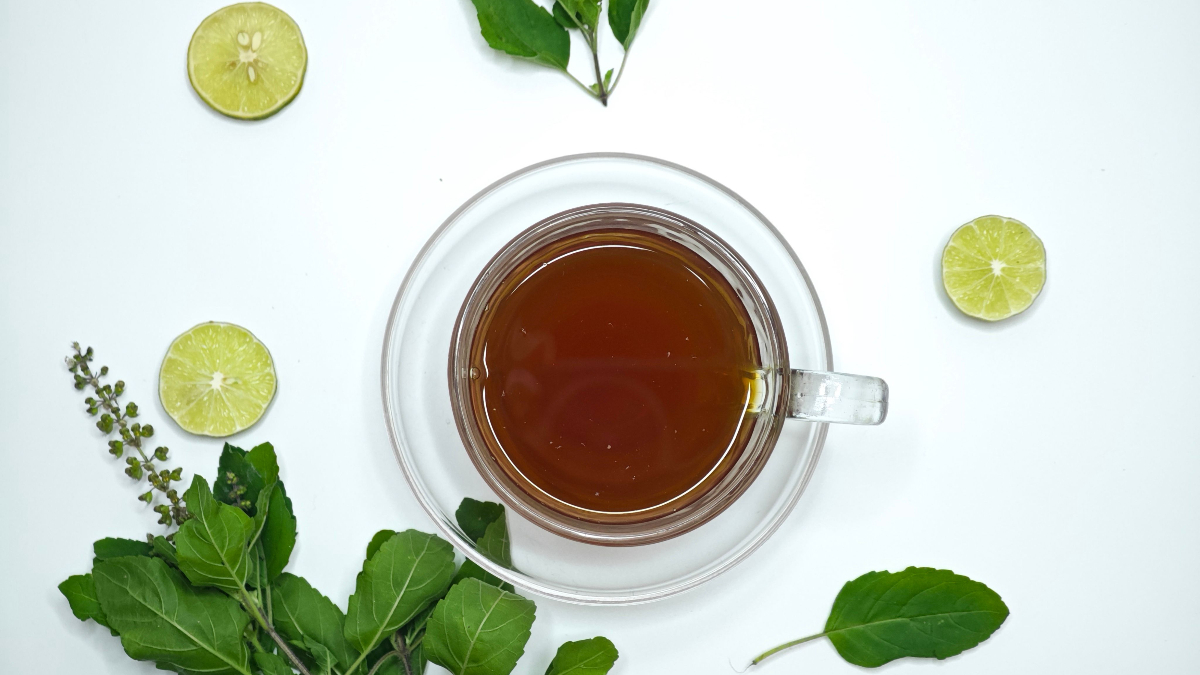
Ginger, saunf, mint and tulsi can make comforting home brews, but not every traditional remedy has strong clinical evidence behind it. Here’s what may help, what remains unproven, and when to keep things simple.
There is something deeply comforting about a cup of kadha simmering on an Indian kitchen stove. Ginger is crushed, peppercorns are lightly bruised, tulsi leaves drop into bubbling water and, within minutes, the entire kitchen smells warm, spicy and familiar.
For generations, kadha and other home brews have been part of Indian households, particularly during seasonal changes, rainy days and bouts of everyday discomfort. Today, however, they are often presented online as cure-all drinks for poor digestion, weak immunity, inflammation, weight gain and almost everything in between. That is where a little caution becomes useful.
A mild infusion of ginger, cumin, fennel or mint can be a pleasant way to consume fluids and enjoy familiar culinary ingredients. Some of those ingredients have also been studied for specific digestive symptoms. But the evidence depends on the ingredient, dose, formulation and condition being investigated. A measured supplement used in a clinical trial is not the same thing as a few slices steeped in hot water.
The useful question, therefore, is not, “Which kadha will cure my gut?” It is, “Which simple brew might feel comfortable alongside an otherwise sensible diet?”
First, What Counts As A Home Brew?
Not every Indian digestive drink is technically a kadha. A kadha is generally a decoction: herbs, spices or other plant ingredients are simmered in water to extract their flavour and water-soluble compounds. Recipes range from a simple ginger-and-tulsi brew to more concentrated combinations containing pepper, cinnamon, cloves and several other spices.
An infusion is gentler. Hot water is poured over an ingredient—or the ingredient is added after the water has stopped boiling—and left to steep. Pudina tea and lightly steeped saunf water fit more naturally into this category. Haldi doodh, meanwhile, is a spiced milk drink rather than either a decoction or an infusion.
Common home preparations include:
- Jeera water: cumin steeped or briefly simmered in water
- Ajwain water: carom seeds infused in hot water
- Saunf water: fennel seeds steeped or lightly simmered
- Ginger water: fresh ginger infused or simmered
- Pudina tea: fresh mint leaves steeped in hot water
- Coriander-seed water: lightly crushed seeds steeped in water
- Tulsi-ginger tea: a simple herbal infusion
- Haldi doodh: turmeric stirred into warm milk
These drinks occupy the same cultural neighbourhood, but they are not nutritionally or pharmacologically interchangeable. The ICMR-National Institute of Nutrition’s Dietary Guidelines for Indians 2024 emphasise dietary variety and a food-based approach to nutrition. That is a useful starting point: a home brew can complement your diet, but it cannot replace varied meals or prescribed treatment.
Ginger: The Most Studied Ingredient In The Cup
Of the familiar ingredients used in home brews, ginger has attracted some of the most human research. Its strongest digestive evidence concerns certain forms of nausea, although findings vary according to the cause of the nausea and the preparation used.
The US National Center for Complementary and Integrative Health, or NCCIH, notes that ginger may help with nausea and vomiting associated with pregnancy. Evidence is less certain for chemotherapy-related, postoperative and motion-related nausea. Crucially, most studies have tested ginger supplements rather than ginger used as food or brewed as tea.
A small study in healthy adults also found that a measured dose of ginger accelerated gastric emptying and stimulated contractions in part of the stomach. That is an interesting physiological finding, but it does not prove that homemade ginger water relieves heaviness, treats indigestion or “detoxes” the stomach.
A mild ginger brew can still be warm, aromatic and enjoyable. It simply belongs in the category of comforting drink rather than proven digestive treatment.
Try This: A Simple Ginger Brew
Ingredients (serves one)
- 250 ml water
- 2–3 thin slices of fresh ginger
- A squeeze of lemon, optional
- Up to 1 teaspoon honey, optional
Method
Simmer the ginger in water for five to seven minutes. Strain and serve warm. Add lemon or a small amount of honey for taste if you wish. There is no need to turn it into a fiery potion.
Remember that honey counts as free sugar, even though it is natural. It must also never be given to a baby younger than one year.
Saunf: Gentle, Familiar And Aromatic
Fennel seeds, or saunf, are among India’s most familiar after-meal ingredients. Their naturally sweet, anise-like flavour makes them pleasant to chew or steep in water.
Fennel contains aromatic compounds, including anethole, but evidence that an ordinary cup of fennel water treats digestive disorders remains limited. This does not make the drink useless. It simply places it in the right category: a traditional beverage that some people enjoy, not a medicine with predictable effects.
For one mild serving, lightly crush a teaspoon of fennel seeds, steep them in hot water for five to ten minutes and strain. It is a useful option when you want something warm and fragrant without the heat of ginger or pepper.
Mint: Refreshing, But Not For Everyone
Fresh pudina leaves steeped in hot water make a light, refreshing drink after a rich meal. But mint tea should not borrow claims from research on peppermint oil.
A small body of evidence suggests that enteric-coated peppermint-oil capsules may help some adults with irritable bowel syndrome. The NCCIH makes the distinction clear: very little research has been conducted on peppermint leaf, and there is not enough evidence to conclude that the leaf treats any particular health condition.
Mint may also worsen reflux or heartburn in some people. The National Institute of Diabetes and Digestive and Kidney Diseases lists mint among the foods and drinks commonly linked to reflux symptoms.
If pudina tea feels refreshing and sits comfortably, enjoy it. If it repeatedly brings on burning or regurgitation, it is not the right “digestive” drink for you. Your stomach does not have to agree with a wellness trend.
Tulsi, Cinnamon And Pepper: Where Kadha Becomes Complicated
Tulsi, cinnamon, cloves and black pepper bring intense aroma and layered flavour to a traditional kadha. Their warmth can make the drink particularly appealing during cold or wet weather.
The problem begins when research on a single purified compound, concentrated extract or supplement is used to make sweeping claims about a saucepan containing five or six spices. The dose and chemical composition may be entirely different. Nor is there one standard kadha recipe that researchers can study as a single, consistent product.
If you enjoy a tulsi-and-ginger brew, keep it simple. You do not need to empty the entire masala dabba into the saucepan for the drink to feel worthwhile.
Try This: A Gentle Tulsi-Ginger Brew
Ingredients (serves one)
- 250–300 ml water
- 3–4 fresh tulsi leaves
- 2 thin slices of ginger
- 1 lightly crushed black peppercorn
Method
Simmer the ginger and peppercorn in water for five minutes. Turn off the heat, add the tulsi and steep for another three minutes. Strain and serve warm.
When Your Gut Needs Less Spice, Not More
Anything labelled “digestive” or “gut-friendly” is not automatically gentle. A concentrated kadha containing ginger, pepper, cloves, cinnamon and several other spices may be uncomfortable for someone experiencing reflux, burning or a sensitive stomach.
Ginger itself can cause heartburn, abdominal discomfort, diarrhoea or irritation in some people, particularly in larger or more concentrated amounts. If a brew consistently makes you feel worse, stop drinking it rather than treating the discomfort as proof that it is “working”.
There is also a difference between using culinary quantities occasionally and taking concentrated herbal mixtures every day. If you are pregnant, breastfeeding, taking regular medication or managing a diagnosed condition, discuss the regular use of concentrated herbal products with a qualified healthcare professional. Some herbs can interact with medicines.
The World Health Organization supports the evidence-based use of traditional medicine while stressing the importance of scientific validation, quality and safety. Familiarity is culturally meaningful, but it is not by itself proof of effectiveness or safety.
The Sensible Way To Drink Kadha
Perhaps the best way to bring kadha into a modern kitchen is to stop asking it to do everything. Choose one or two ingredients, keep the preparation mild and drink it because you enjoy its warmth, aroma and ritual.
Notice how your own stomach responds. Avoid loading the cup with honey or jaggery simply because the drink has acquired a health halo: these are still sources of free sugar. And do not use a home brew to postpone medical advice for persistent pain, vomiting, reflux, constipation, diarrhoea or unexplained changes in appetite or bowel habits.
A ginger infusion on a rainy Kolkata evening, fennel water after an elaborate Sunday lunch or tulsi leaves steeped in hot water can all have a place in an ordinary food routine. Their cultural value does not depend on turning them into miracle cures.
Indian kitchens have always understood that spices contribute aroma, flavour, warmth and variety. The grounded approach is to enjoy those qualities—and allow a comforting cup to remain a comforting cup.
FAQs
Is kadha good for digestion?
Some ingredients commonly used in kadha have been studied for specific digestive effects, but there is no evidence that kadha as a category universally improves digestion. The effect depends on the ingredients, dose, preparation and the person drinking it.
Which kadha is best for the stomach?
There is no single “best” digestive kadha. A mild ginger, fennel or mint infusion may feel comfortable for some people, while a strong multi-spice brew may actually aggravate reflux or a sensitive stomach.
Does ginger water help digestion?
Ginger has human evidence for certain types of nausea, and some research has examined its effects on stomach movement. However, studies frequently use measured supplements or extracts, so ordinary homemade ginger water should not be treated as a proven digestive medicine.
Is saunf water good for bloating?
Fennel has a long traditional association with digestive comfort, but evidence that ordinary saunf water reliably treats bloating or digestive disorders is limited. It can still be enjoyed as a mild, aromatic drink.
Can kadha make acidity worse?
It can. Strong preparations containing ginger, pepper, cloves or other pungent spices may worsen burning or reflux in some people. If a brew repeatedly makes you uncomfortable, stop drinking it rather than assuming the discomfort means it is “working”.
Can I drink kadha every day?
An occasional mild culinary brew is different from taking concentrated herbal preparations every day. If you are pregnant, breastfeeding, taking regular medication or managing a medical condition, discuss frequent use of concentrated herbal products with a healthcare professional.
This article provides general food and nutrition information and is not a substitute for personalised medical or dietary advice.