Dalia and rava may both belong at breakfast, but they are not nutritionally identical. Here’s how whole-wheat broken wheat differs from regular rava — and how to build a more balanced morning bowl.
There is something reassuring about a warm breakfast bowl before a busy morning. It arrives soft, steaming and ready to take on almost any flavour. Add vegetables and spices for a savoury bowl, or bring in milk, fruit and nuts for something gently sweet.
Dalia and rava have been doing this job in Indian kitchens for generations. They may not have the social-media appeal of avocado toast or elaborate smoothie bowls, but they are familiar, adaptable and easy to combine with vegetables, pulses, dairy, eggs, nuts and seeds.
The growing interest in gut health has brought everyday grains back into the conversation, largely because whole grains and cereal fibres can contribute to total fibre intake. But dalia and rava are not nutritionally identical, and neither becomes ‘gut-friendly’ simply by appearing in a breakfast recipe.
The type of grain matters. So do the other ingredients in the bowl, the portion and how comfortably your digestive system handles wheat.
First, Dalia and Broken Wheat Are Usually the Same Thing
Indian kitchen terminology can be confusing because one name may describe an ingredient, a texture and a finished dish.
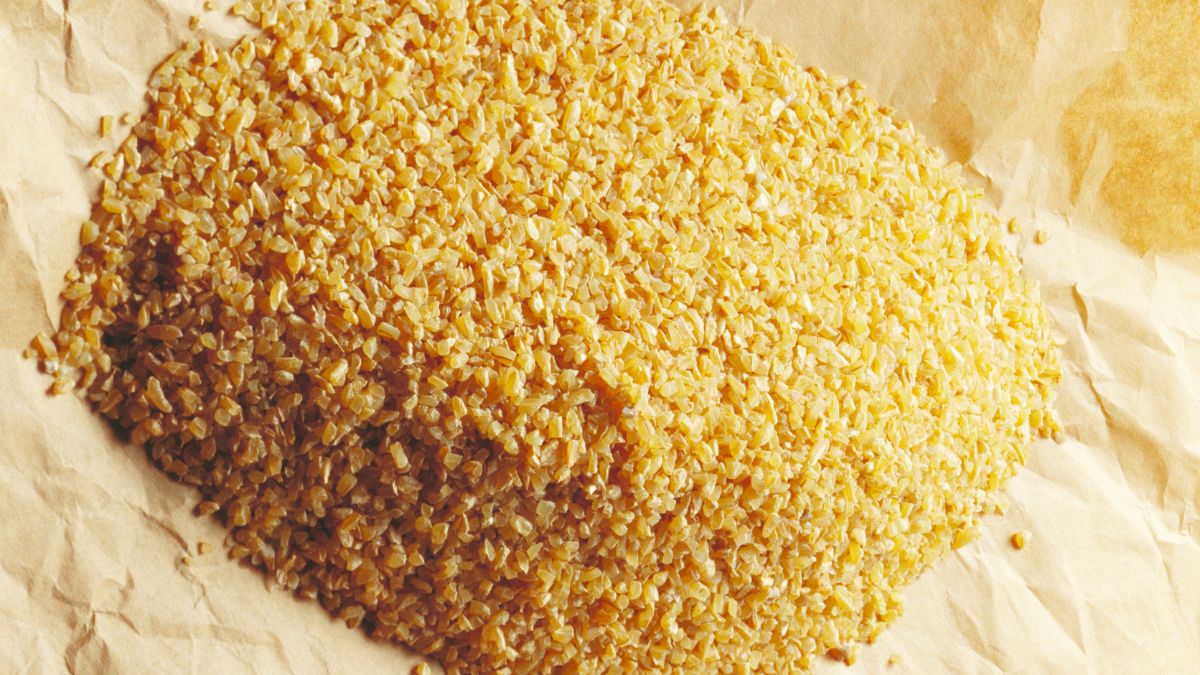
In common usage, wheat dalia—or daliya—is broken or cracked wheat. The whole wheat grain is mechanically broken into smaller pieces instead of being finely milled into flour. The word ‘dalia’ is also used for the sweet or savoury porridge prepared from it.
Broken wheat and wheat dalia should therefore not be counted as two separate breakfast grains. They are usually two names for the same basic ingredient.
ALSO READ | Sattu and Besan for Protein and Fibre: A Practical Guide
There is still variation between products. Some are coarsely broken, while others are quite fine. More importantly, a coarse texture does not by itself guarantee that a product contains the entire grain. If wholegrain content matters to you, check for wording such as ‘whole wheat’ or ‘100% whole-wheat broken wheat’ on the ingredient list.
Rava, suji or semolina is different. It is produced by grinding and sieving wheat and is generally finer than broken wheat. Regular rava is usually made mainly from the wheat endosperm, with much of the bran and germ removed. Whole-wheat rava products also exist, so the packet matters more than the colour or coarseness alone.
All these products come from wheat, but they differ in structure, degree of refinement, fibre content and the texture they produce after cooking.
The Wholegrain Evidence Does Not Apply Equally to Rava
A review of whole grains, cereal fibre and the gut microbiota found that these foods may influence the composition and activity of intestinal microorganisms. However, results varied according to the grain, fibre and individual being studied.
That research is relevant to wholegrain foods. It should not be used to imply that every wheat product—including refined rava—has the same fibre content or microbiome effect.
The World Health Organization’s healthy-diet guidance recommends that people older than 10 obtain at least 25g of naturally occurring dietary fibre each day. Whole grains, pulses, vegetables and fruit can all contribute.
The ICMR-National Institute of Nutrition’s Dietary Guidelines for Indians 2024 recommend that at least half of cereal and millet intake preferably come from whole grains.
This does not mean every breakfast must contain a precise fibre target. It means that wholegrain dalia can be one useful contributor within the day, while a rava breakfast may need more help from vegetables, peas, fruit, nuts or seeds.
What Makes the Breakfast Bowl More Complete?
A plain bowl of cereal is primarily a carbohydrate-based meal. Its nutritional range grows when other food groups enter the picture.
For a savoury breakfast, combine the grain with vegetables and a protein-contributing food such as moong dal, peas, curd, paneer or eggs. Peanuts and seeds add texture, fats and some protein and fibre.
For a sweet bowl, use fruit for flavour instead of relying mainly on added sugar. Milk or plain curd can contribute protein, while nuts and seeds add crunch. Dates and raisins can provide sweetness, but they remain concentrated sources of sugar and do not need to be added by the handful.
The grain is the base, not the entire breakfast.
Dalia: Useful When It Is Wholegrain
Whole-wheat dalia has a nutty flavour and a pleasantly chewy texture. It can become porridge, khichdi, pulao or a one-pot breakfast with vegetables and dal.
Its texture is part of the appeal. Properly cooked dalia should be tender but does not have to become completely smooth. Fine and coarse varieties absorb water differently, so cooking times and liquid requirements may vary. Follow the packet instructions the first time you use a new product.
Pairing dalia with moong dal is particularly practical. The cereal and pulse contribute complementary amino acids, while vegetables broaden the meal beyond a bowl of grain.
Rava: A Flexible Base, Not a Fibre Hero
Rava is useful precisely because it cooks quickly and takes on other flavours easily. It can become upma, idli, dosa, uttapam, chilla or a lightly sweet porridge.
But regular rava is not a whole grain and should not be promoted as particularly fibre-rich. Its value depends heavily on what the recipe adds.
Vegetable upma with peas, peanuts and curd is a more varied breakfast than plain rava cooked with little more than oil and salt. A rava chilla containing vegetables and curd offers something different again. The ingredient does not need an exaggerated gut-health claim to be useful.
Roasting rava before cooking develops flavour and helps keep the grains separate. It does not turn refined rava into a whole grain or substantially change its fibre content.
When These Breakfasts May Not Suit Your Gut
Dalia, broken wheat and rava all contain wheat and therefore gluten. They are unsuitable for people with coeliac disease and must also be avoided by anyone with a diagnosed wheat allergy. Clinical guidance for coeliac disease specifically requires avoiding wheat and wheat-derived foods.
For people with irritable bowel syndrome, wheat-based meals may sometimes trigger bloating or discomfort. The trigger is not necessarily gluten; fermentable carbohydrates in wheat, including fructans, can also contribute. Persistent symptoms deserve proper assessment rather than self-diagnosing a gluten intolerance and removing several foods unnecessarily.
A sudden increase in fibre can itself cause gas or bloating. Increase higher-fibre foods gradually, drink adequate water and notice how the portion suits you. ‘Gut-friendly’ is not a guarantee that the same breakfast will feel comfortable for everyone.
Four Easy Breakfast Recipes
1. Masala Vegetable Rava Upma
Ingredients (serves 2)
- 1 cup rava
- 1 tablespoon oil
- ½ teaspoon mustard seeds
- ½ teaspoon cumin seeds
- 6–8 curry leaves
- 1 green chilli, chopped
- 1 small onion, chopped
- ¾ cup mixed vegetables and peas
- 2½ cups hot water
- Salt, to taste
- 2 tablespoons roasted peanuts
- Coriander and lemon juice
Method
- Dry-roast the rava over low heat until fragrant. Transfer it to a plate.
- Heat the oil and add the mustard seeds, cumin, curry leaves and chilli.
- Add the onion and vegetables. Cook until they begin to soften.
- Pour in the hot water, season and bring it to a simmer.
- Add the rava gradually while stirring. Cook over low heat until the water is absorbed and the rava is tender.
- Finish with peanuts, coriander and lemon juice. Serve with plain curd if desired.
2. Dalia and Moong Dal Breakfast Pot
Ingredients (serves 2)
- ½ cup whole-wheat dalia
- ¼ cup split yellow moong dal
- 1 cup mixed vegetables
- ½ teaspoon cumin seeds
- 1 teaspoon grated ginger
- ¼ teaspoon turmeric
- 1 teaspoon oil or ghee
- 2½ cups water
- Salt, to taste
- Coriander and lemon juice
Method
- Rinse the dalia and moong dal separately.
- Heat the oil or ghee in a pressure cooker. Add cumin and ginger.
- Stir in the vegetables, turmeric, dalia and moong dal.
- Add the water and salt. Pressure-cook until both the dalia and dal are completely tender.
- Adjust the consistency with hot water if required. Finish with coriander and lemon juice.
3. Apple, Cardamom and Nut Dalia
Ingredients (serves 2)
- ½ cup whole-wheat dalia
- 1½ cups water
- 1 cup milk
- 1 apple, diced
- 2 dates, finely chopped
- ½ teaspoon cardamom powder
- 1 tablespoon chopped almonds
- 1 tablespoon chopped walnuts
- Cinnamon, optional
Method
- Lightly roast the dalia in a saucepan.
- Add the water and cook until the grains are nearly tender.
- Pour in the milk and add the dates and cardamom. Simmer gently until the dalia is soft and creamy, stirring to prevent it from catching.
- Remove from the heat and divide between two bowls.
- Top with the fresh apple, almonds, walnuts and cinnamon. No additional sugar is necessary unless preferred.
4. Rava-Curd Vegetable Chilla
Ingredients (serves 2)
- ¾ cup rava
- ½ cup plain curd
- ½ cup water, plus more if required
- ¼ cup grated carrot
- ¼ cup finely chopped onion or capsicum
- 1 tablespoon chopped coriander
- ½ teaspoon cumin seeds
- Salt, to taste
- Oil, for the pan
Method
- Mix the rava, curd and water into a thick batter. Rest it for 15 minutes.
- Stir in the vegetables, coriander, cumin and salt. Add a little more water if the batter has become too thick.
- Spread small chillas on a lightly oiled tawa.
- Cook over medium heat until the base is set and golden. Turn and cook the other side thoroughly.
- Serve with chutney or additional plain curd.
The Better Breakfast Is Built, Not Bought
Whole-wheat dalia can help bring more whole grain and fibre into the day. Rava offers speed and versatility but usually contributes less fibre on its own. Neither ingredient needs to be presented as a digestive cure.
Choose the product carefully, then build the meal around it. Add vegetables or fruit, include a meaningful protein source and pay attention to your own tolerance.
A gut-friendlier breakfast is rarely about finding one perfect grain. It is about what shares the bowl.
FAQs
Is dalia the same as broken wheat?
Usually, yes. In common Indian usage, wheat dalia or daliya refers to whole wheat that has been cracked or broken into smaller pieces rather than milled into flour. The word can also refer to the cooked porridge made from it.
Is rava the same as dalia?
No. Dalia is usually broken or cracked wheat, while rava, suji or semolina is produced by grinding and sieving wheat and is generally finer. Regular rava is usually made mainly from the endosperm, with much of the bran and germ removed.
Which has more fibre: dalia or rava?
Whole-wheat dalia generally provides more fibre than regular refined rava because it retains more of the whole grain. Regular rava is not a whole grain and should not be treated as particularly fibre-rich.
Is dalia good for gut health?
Whole-wheat dalia can contribute whole-grain fibre to the diet, which supports overall fibre intake. It should not be treated as a digestive cure, and individual tolerance still matters.
Is rava good for digestion?
Rava can be part of a perfectly reasonable breakfast, but regular rava is usually refined and lower in fibre than whole-wheat dalia. Its nutritional value improves when paired with vegetables, peas, curd, nuts or other foods rather than eaten plain.
What is the healthiest way to eat rava?
There is no single “healthiest” preparation, but adding vegetables and a protein-contributing food makes the meal more complete. Vegetable upma with peas and curd, or a rava-curd chilla with vegetables, are good examples.
Can dalia help with constipation?
Its fibre can contribute to bowel regularity as part of an overall fibre-rich diet, but dalia is not a treatment for constipation on its own. Adequate fluids, dietary variety and gradual fibre intake matter too.
Can people with coeliac disease eat dalia or rava?
No. Dalia, broken wheat and rava are all wheat products and contain gluten, so they are unsuitable for people with coeliac disease.
Is whole-wheat rava the same as regular rava?
No. Whole-wheat rava products retain more of the grain than regular refined rava. If whole-grain content matters to you, check the ingredient list rather than relying on colour or coarseness alone.
What can I add to dalia or rava to make breakfast more balanced?
For savoury bowls, add vegetables and a protein source such as dal, peas, curd, paneer or eggs. For sweet bowls, use fruit, milk or curd, plus nuts or seeds instead of relying mainly on added sugar.
This article provides general food and nutrition information and is not a substitute for personalised medical or dietary advice.