
The Lemon-Honey Morning Ritual: What It Does and Doesn’t Do
Warm lemon-honey water can help you start the day hydrated, but it isn’t a detox drink or fat-burning remedy. Here’s what the popular morning ritual can — and cannot — actually do.
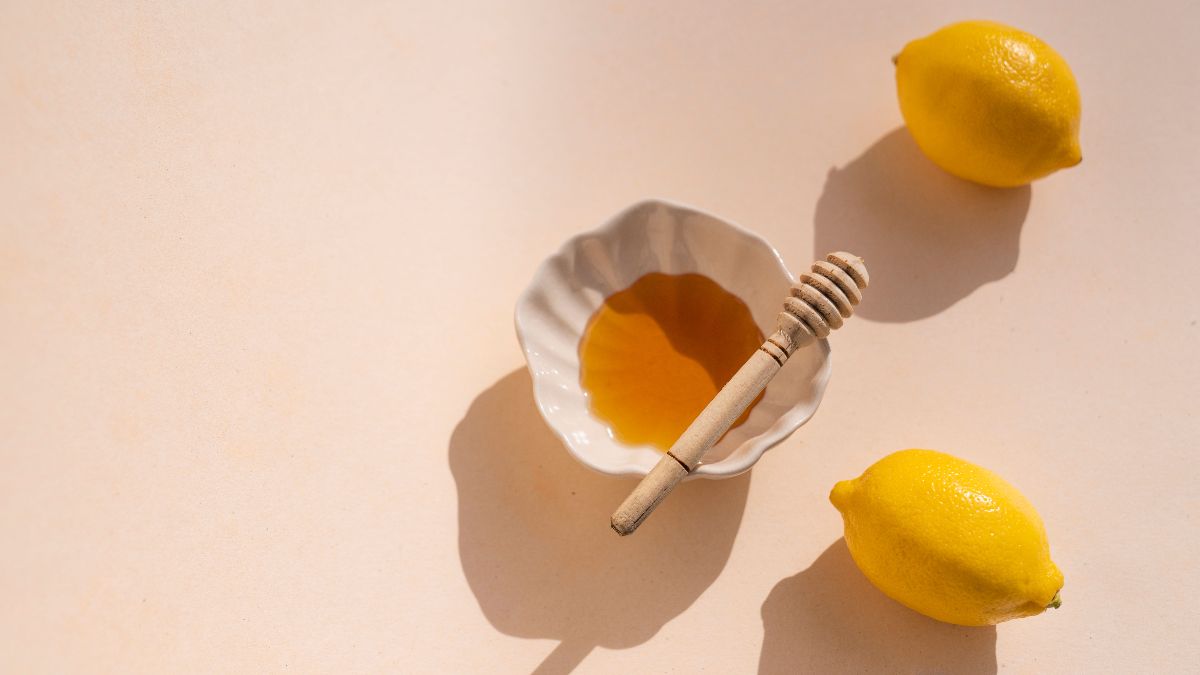
Table of Contents
Warm lemon-honey water can help you start the day hydrated, but it isn’t a detox drink or fat-burning remedy. Here’s what the popular morning ritual can — and cannot — actually do.
Few morning habits have achieved the celebrity status of warm water with lemon and honey. In many Indian homes, the ritual is almost automatic: squeeze half a lemon into warm water, stir in a spoonful of honey and drink it before breakfast.
Around this modest cup, however, an entire wellness mythology has developed. Depending on whom you ask, it can cleanse the gut, flush out toxins, boost digestion, speed up metabolism, burn fat and give you glowing skin.
The truth is less dramatic—but considerably more useful. Lemon-honey water can be a pleasant way to begin drinking fluids for the day. What it cannot do is detoxify the body, melt belly fat or guarantee better digestion. Its practical value depends mainly on how much honey you add, what the drink replaces and what the rest of your diet looks like.
At its simplest, the drink contains three ingredients: water, lemon juice and honey. Of these, the water is doing more work than wellness culture usually gives it credit for.
The ICMR-National Institute of Nutrition’s Dietary Guidelines for Indians 2024 identify lemon water as one of the beverages that can help relieve thirst and contribute to the body’s fluid requirements.
Lemon adds acidity, flavour and some vitamin C, although the amount will depend on how much juice you use. Honey adds sweetness—but it also adds sugar. The World Health Organization includes the sugars naturally present in honey within its definition of free sugars. It recommends limiting free sugars to less than 10% of daily energy intake, with a further reduction to 5% or less potentially offering additional benefits.
Honey may feel more wholesome than white sugar, but your body does not stop counting it as sugar because it came from a beehive.
If you drink a glass of water after waking and feel refreshed, the explanation may be straightforward: you have begun replenishing your fluids.
This can matter even more in hot or humid weather, after physical activity or during a long commute. If lemon makes plain water more appealing, adding a squeeze can be genuinely useful. The same applies if the drink replaces a packaged juice, soft drink or heavily sweetened tea.
The important distinction is that the hydration comes mainly from the water—not from a special reaction between lemon and honey. Warm water is not inherently more hydrating than room-temperature or chilled water, either. Choose the temperature that makes the drink comfortable and easy to consume.
No drink can scrub the digestive tract clean in the way that the word “cleanse” suggests. The body already has organs and physiological systems that process substances, filter the blood and eliminate waste. Lemon-honey water does not take over these functions or wash an undefined collection of “toxins” out of the gut.
What it can do is contribute to your fluid intake. If it replaces a sugar-heavy drink, that substitution may also improve the overall quality of your morning routine. Neither benefit requires a detox explanation.
A genuinely gut-supportive diet is built over the course of the day. Vegetables, fruits, pulses, whole grains, nuts, seeds, adequate fluids and dietary variety matter far more than one heroic morning beverage.
This claim needs a little more nuance. Some people find a warm drink soothing in the morning or feel that it helps them settle into their usual routine. That experience is perfectly valid. It does not, however, prove that lemon and honey are actively “boosting” digestion.
For people prone to constipation, fluid intake can be part of the solution—but rarely the whole solution. The US National Institute of Diabetes and Digestive and Kidney Diseases recommends adequate fibre, fluids and regular physical activity as part of preventing and managing constipation.
Lemon-honey water should therefore not be presented as a treatment for chronic constipation. Persistent or frequently recurring difficulty may be connected to diet, activity, medicines or an underlying condition and is worth discussing with a healthcare professional.
Lemon-honey water does not have a special fat-burning effect simply because you drink it before breakfast. Lemon does not “melt” belly fat, and honey does not switch the metabolism into a different mode.
When people lose weight after adopting the ritual, other habits may have changed alongside it. They may be drinking fewer sugary beverages, snacking less often, eating more regular meals or paying closer attention to portion sizes.
A lightly sweetened glass of lemon water could support weight management if it replaces a more calorie-dense drink. That is a substitution effect, not a metabolic one. If you simply add generous spoonfuls of honey to your existing diet, the drink adds sugar and energy rather than cancelling them out.
Honey is more than a jar of plain table sugar, but that does not make every honey-based drink medicinal. Its composition varies according to its floral source and processing, and the small quantity stirred into water should not be expected to produce sweeping health effects.
There is limited evidence for honey in one specific context: it may help reduce nighttime coughing in some children with upper-respiratory infections. The National Center for Complementary and Integrative Health also stresses an important safety warning—honey must never be given to a baby younger than one year because of the risk of infant botulism.
Evidence for a particular use cannot be stretched into proof that daily honey water cleanses the gut, strengthens immunity or promotes weight loss. In this drink, honey is best treated as an optional sweetener.
Lemon makes water taste fresh, which may be reason enough to use it. More lemon, however, does not mean more benefit.
Citrus can trigger or worsen symptoms in some people with acid reflux. If lemon water repeatedly causes burning, discomfort or regurgitation, reduce the quantity or switch to plain water. The NIDDK lists acidic foods, including citrus fruits, among the foods commonly associated with reflux symptoms.
Frequent exposure to acidic drinks can also contribute to dental erosion. The American Dental Association advises reducing frequent exposure to acidic beverages, avoiding swishing or holding them in the mouth and rinsing with plain water afterwards. It also recommends rinsing rather than brushing immediately after an acidic drink.
Dilute the lemon well and drink the glass normally instead of sipping it over several hours. Your teeth do not need a prolonged lemon-water bath.
There is no established physiological requirement to drink lemon-honey water on an empty stomach. Having it before breakfast does not unlock a hidden benefit or make its ingredients work differently.
If you enjoy it first thing and it suits your stomach, continue. If you prefer it with breakfast or later in the day, that is fine too. And if plain water works perfectly well for you, you are not missing a secret health advantage by skipping the lemon and honey.
If you enjoy lemon-honey water, there is no reason to abandon it. Simply take the drama out of the glass.
Use plenty of water and a modest squeeze of lemon. Keep the honey optional, or add a small amount for taste rather than turning the drink into syrup. Choose warm, room-temperature or chilled water according to the weather and your preference. If you monitor your sugar intake, remember to count the honey.
Most importantly, judge the ritual by what it actually does for you. If it helps you drink water or replaces a much sweeter beverage, it has a practical purpose. If it causes reflux, bothers your teeth or feels like another wellness rule you must obey, skip it.
A morning drink can be pleasant and useful without being a detox, a treatment or a miracle.
It can be a pleasant way to start drinking fluids for the day, particularly if lemon makes plain water more appealing. Honey is optional and contributes free sugar, so more is not necessarily better.
No. Your liver, kidneys and other physiological systems already process and eliminate waste. Lemon-honey water does not flush toxins from the gut or perform a special detoxification function.
It does not have a special fat-burning effect. It may indirectly help if it replaces a more calorie-dense or heavily sweetened drink, but simply adding lemon-honey water to your existing diet does not cause weight loss.
There is no established benefit to drinking it specifically on an empty stomach. Have it when you enjoy it and when it feels comfortable.
Yes, citrus can aggravate reflux or heartburn in some people. If lemon water repeatedly causes burning or regurgitation, reduce the lemon or choose plain water instead.
Honey contains some compounds that ordinary table sugar does not, but the sugars in honey still count as free sugars. Treat it as an optional sweetener rather than a health requirement.
This article provides general food and nutrition information and is not a substitute for personalised medical or dietary advice.