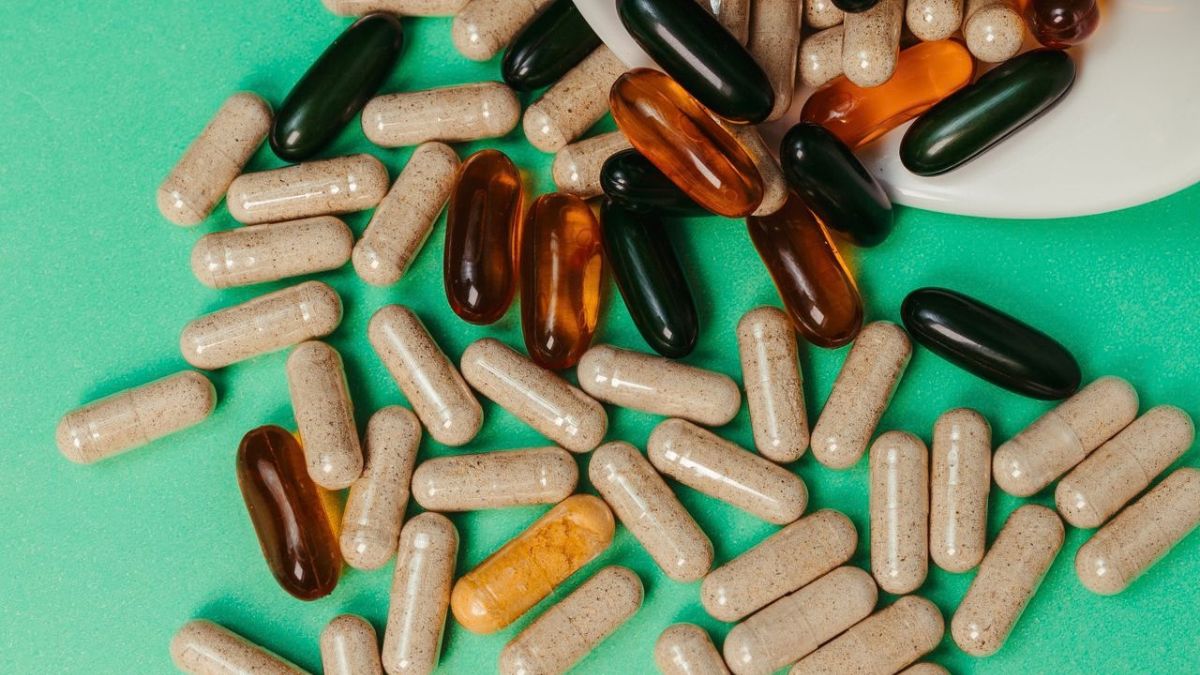
Do Digestive Enzymes And Tablets Actually Work?
Digestive enzyme supplements may help with specific enzyme deficiencies, but they aren't a universal fix for bloating or indigestion. Learn what the evidence says and when to seek medical advice.
Table of Contents
Expert reviewed by Qurath Ain, Certified Nutritionist and Clinical Dietitian
Are you also one of those people who reach for a digestive enzyme tablet after a heavy meal, hoping it will somehow undo the damage from three extra rotis at dinner? The digestive enzyme supplement market has exploded over the last few years, with brands confidently promising less bloating, better digestion, and a gut that finally behaves itself.
But do these tablets actually deliver, or are we mostly paying for very expensive reassurance?
The honest answer sits somewhere in the middle, and it’s worth understanding before you spend another month’s worth of money on a bottle that may or may not do anything useful for you.
Your body already makes digestive enzymes. In fact, it makes them constantly. Your saliva contains an enzyme called amylase that begins breaking down carbohydrates the moment food enters your mouth. Your stomach produces enzymes too. The real heavy lifting, though, happens in your small intestine, where the pancreas releases a powerful cocktail of enzymes to break down proteins, fats, and carbohydrates so your body can absorb the nutrients from them.
Our digestive enzymes are designed to cut a specific type of food into smaller pieces your gut can actually use. Without them, food would just pass through largely undigested. Which is exactly why, when your body is not producing enough of them, things go noticeably wrong.
ALSO READ | What Are Digestive Enzymes? Your Questions, Answered
There are genuine medical conditions where enzyme production falls short, and in these cases, enzyme therapy is not optional; it is essential. Exocrine pancreatic insufficiency (EPI) is one such condition, where the pancreas cannot produce adequate enzymes.
People with cystic fibrosis, chronic pancreatitis, or certain types of pancreatic cancer may also have clinically confirmed deficiencies. For these individuals, prescribed enzyme replacement therapy makes a meaningful, measurable difference.
Lactase deficiency is another real and common example. Lactase is the enzyme that breaks down lactose, the sugar found in dairy. When your body does not produce enough of it, dairy products cause bloating, cramping, and discomfort, something a large proportion of South Asian adults experience. Lactase supplements taken alongside dairy genuinely help here, and there is solid research to support that.
So enzyme supplements do work. The question is whether they work for you, with your specific situation.
Most of the digestive enzyme products you see on pharmacy shelves or Instagram feeds are broad-spectrum supplements. They typically contain a blend of amylase, protease, and lipase, enzymes targeting carbs, proteins, and fats respectively, usually derived from plant or fungal sources. The marketing is convincing and the packaging is beautiful.
The thing is, for most healthy adults who are simply experiencing occasional bloating or discomfort, there is very little good clinical evidence that these supplements do much. A healthy pancreas already floods your small intestine with far more enzymes than you typically need. Adding more from a capsule is a bit like pouring a jug of water into a full swimming pool.
The bigger issue is survivability. For a supplement enzyme to do its job, it needs to survive the highly acidic environment of your stomach and reach the small intestine intact. Many plant-derived enzymes in over-the-counter products are broken down by stomach acid before they even get a chance to help. They can have various side effects and health concerns.
They cannot be considered a solution unless prescribed by a doctor for a particular condition. They usually tend to mask the underlying issue, making it difficult for diagnosis and identification.
Pharmaceutical-grade enzyme therapies are specifically formulated with protective coatings to handle this. Most wellness supplements are not.
This is where it gets interesting. Many people swear by their digestive enzyme tablets and report real relief. Some of this may come down to specific, targeted enzymes that do have decent evidence behind them. Alpha-galactosidase, for instance, is the active ingredient in products like Beano, and it helps break down the complex sugars found in legumes and cruciferous vegetables that humans cannot digest on their own. If dal and rajma leave you bloated, this particular enzyme has a plausible and reasonably supported mechanism for helping.
Psychological comfort also plays a genuine role in digestion. The gut-brain connection is well established, and feeling calmer and more in control around eating does tangibly affect how your digestive system behaves. A placebo effect is still an effect, though it is worth being honest with yourself about what you are paying for.
Your body’s ability to produce digestive enzymes is closely tied to the overall health of your gut and your eating habits. Eating slowly and chewing properly is not old-fashioned advice, it genuinely activates the first stage of enzyme production. Chewing signals your entire digestive system to prepare for the job ahead.
Certain foods also naturally contain digestive enzymes. Raw pineapple contains bromelain, which helps break down protein. Raw papaya has papain with a similar function. Amylases and glucosidases are two digestive enzymes that are abundant in bananas. Ginger includes the digestive enzyme zingibain, which is a protease responsible for breaking down protein in the digestive tract. Raw mango, honey, and fermented foods like homemade curd all contain naturally occurring enzymes that support digestion in their own quiet way. Cooking destroys most of these enzymes, so eating some of these foods fresh makes a difference.
If you are regularly bloated, gassy, or uncomfortable after meals, it is also worth looking at portion sizes, eating speed, and stress levels before assuming your enzymes need supplementing.
Often, the gut is reacting to how you are eating as much as what you are eating.
Occasional digestive discomfort is normal. Persistent bloating, unexplained weight loss, ongoing pain after eating, or any blood in your stool are not things to manage with supplements. Please see a doctor if these are part of your experience. A proper diagnosis will always tell you more than a bottle of tablets can.
Digestive enzyme supplements are not a scam, but they are also not a universal fix. For specific, confirmed deficiencies, they work well. For occasional discomfort in an otherwise healthy gut, the evidence isn’t strong.
So, before buying another bottle of digestive enzyme, it is worth trying slower meals, more chewing, and a little fresh papaya first.
Always consult your health care professional before taking any over-the-counter supplements. Understand the need and use of it thoroughly before consumption. Do not try to experiment with various products, as it can be dangerous to one’s health.
Disclaimer: This article is intended for general educational purposes only and should not be considered medical advice.
Healthy adults usually have plenty of enzymes; OTC supplements often break down in stomach acid without offering real relief.
They are essential for diagnosed conditions like Exocrine Pancreatic Insufficiency (EPI), chronic pancreatitis, cystic fibrosis, or lactase deficiency.
Targeted enzymes like alpha-galactosidase help break down complex legume sugars, while psychological comfort and the placebo effect also play roles.
Raw pineapple, raw papaya, bananas, ginger, raw mango, honey, and homemade curd naturally contain enzymes that support digestion when eaten fresh.
Eating slowly and chewing properly activates the first stage of enzyme production and signals your digestive system to prepare.