Indian Street Food Trends to Watch: Chaat, Fusion Snacks and Regional Favourites
Chaat makeovers, global flavour mashups and regional favourites: here's a look at the ideas giving Indian street food fresh appeal.
Table of Contents
Chaat variations, fusion snacks, regional street-food discoveries, gourmet reinterpretations of roadside favourites and bold flavour combinations are among the trends shaping India’s street-food scene.
Indian street food needs no introduction, no fancy plating technique, no food critic to tell us it is good. A plate of pani puri eaten standing by a roadside stall, a hot samosa on a rainy afternoon or a paper plate of chaat loaded with chutneys can make a mundane day considerably better. But street food is also changing, and some of the most interesting food experimentation is taking place where traditional recipes meet new ideas.
Whether it’s chaat with extra toppings, international tastes in Indian munchies, or regional delicacies gaining a fresh lease of life, street food is quickly getting newfound attention.
Here are some of the street-food trends to watch out for.
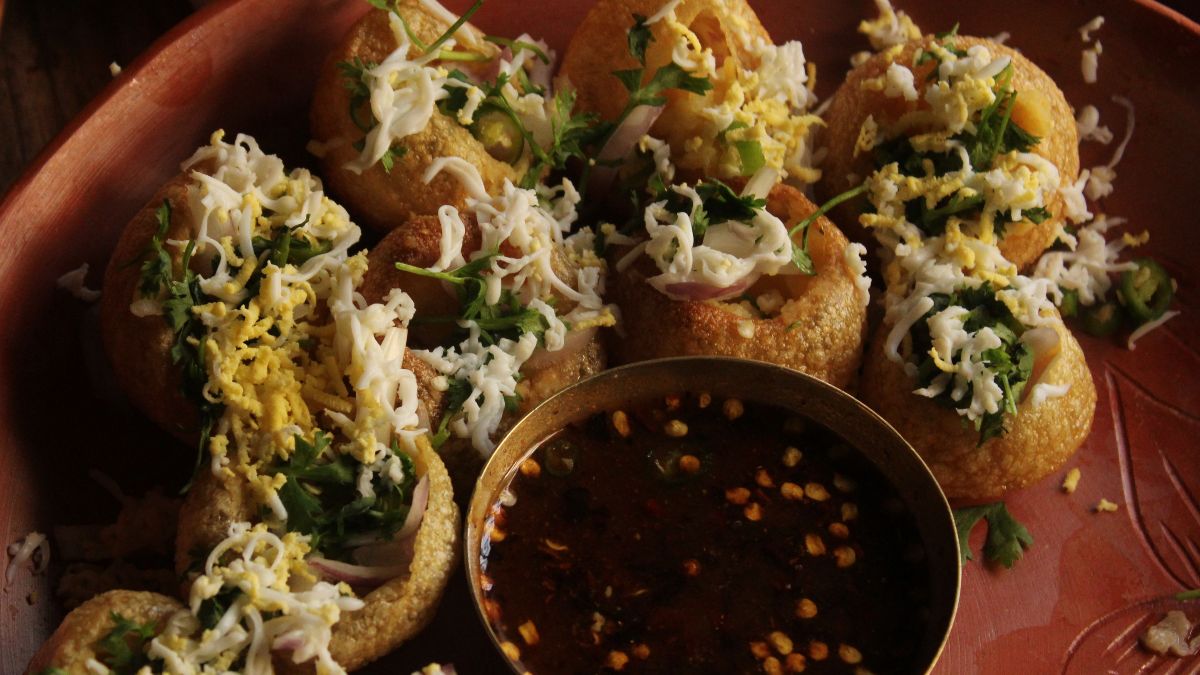
If any food can be remade and still hold on to its identity, it is chaat. The crunch, the tang, the spice, the sweetness and the occasional fiery surprise are already there. Now, these well-known combinations are good enough for more playful variations.
Take a look at how chaat is being reinvented:
Don’t be surprised the next time you see a peri-peri samosa, a Korean-style sauce poured over a snack or a Mexican-inspired filling inside an Indian wrap. The fusion of diverse cuisines has opened up new possibilities for flavour profiles, presentation styles and ingredient combinations in street food.
The following combos would be perfect for a street food menu:
The flexibility to try new things is what makes these mixes work.
ALSO READ | K-Drama Food Looks Irresistible. But Is It Good for Your Gut?
Indian street food is far more than the familiar Mumbai pav, Delhi chaat or Kolkata kathi rolls that dominate food conversations. Every state, city and even neighbourhood has its own snacking traditions, and more diners are getting curious about what lies beyond their usual favourites. Social media, food festivals, travel and digital food platforms are bringing these preparations to new audiences.
Some regional preparations to have on your food radar include:
A simple roadside snack can now make it onto a restaurant menu with more elaborate presentation and curated toppings. And while street food has always been about the simple pleasures, chefs are turning to these dishes for inspiration to create more complex dining experiences.
For example, golgappa can be filled with quirky fillings or different flavoured waters. Chaat can be served on more elaborate, layered plates, and the kebabs and rolls we know can be served with contemporary sauces and sides.
What is behind this experiment?
The fancy version won’t, and shouldn’t, surpass the roadside version. But it does show how street food can inspire culinary creativity elsewhere.
The Indian palate has always been bolder when it comes to snack foods, but the combinations are becoming wider with innovation. Sweet-spicy, tangy, smoky, chilli-forward and umami-rich qualities are making their way into snacks, sauces, dips and spice mixes.
Chaat masala remains a familiar culinary anchor but is increasingly being paired with various flavour profiles, such as peri-peri, Korean-style chilli sauces, Mexican-inspired spices and sweet chilli combinations. The Godrej Food Trends Report 2026 highlights a rising demand for strong, chatpata flavours and experimentation with sweet-spicy combinations, showing how established Indian taste preferences can coexist with new flavour concepts.
The trend isn’t always about making every snack hotter. It’s about layering flavours. A snack may combine the sweetness of a sauce with chilli heat, the sharpness of citrus with smoky flavours or a creamy dip with a crunchy, spice-coated filling. These combinations can make even a basic snack more memorable.
The next big street-food hit could be an inventive chaat, a regional snack finding new fans or a familiar samosa with a filling you never expected. But even as vendors and chefs experiment with global flavours, creative toppings and new formats, the appeal of Indian street food remains remarkably familiar.
It’s the crunch of the first bite, the chutney that is slightly too spicy, the flavours that somehow work together and the excitement of discovering something new at a stall you hadn’t noticed before. Trends may change what ends up on the plate, but that little thrill of eating something delicious is unlikely to go anywhere.
Chaat variations, fusion snacks, regional street-food discoveries, gourmet reinterpretations of roadside favourites and bold flavour combinations are among the trends shaping India's street-food scene.
Gourmet street food is a reinterpretation of street food, but with elaborate presentation, unusual ingredients, refined techniques or curated flavour combinations, often in restaurant settings, but still retaining the inspiration of the original dish.
Regional favourites such as dhuska, misal pav, jhal muri, maddur vada, dabeli and litti chokha are finding wider audiences through food festivals, social media, travel and changing dining preferences.
Fusion street food is the mixing of familiar street-food formats or ingredients with flavours and techniques from other cuisines. Examples are Korean-inspired sauces on Indian snacks, peri-peri fries, Mexican-inspired fillings and creative samosa options.
Chaat lends itself to experimentation because it combines contrasting textures and flavours. Vendors can introduce new toppings, chutneys, fillings and ingredients while retaining the tangy, spicy and crunchy elements that make chaat distinctive.