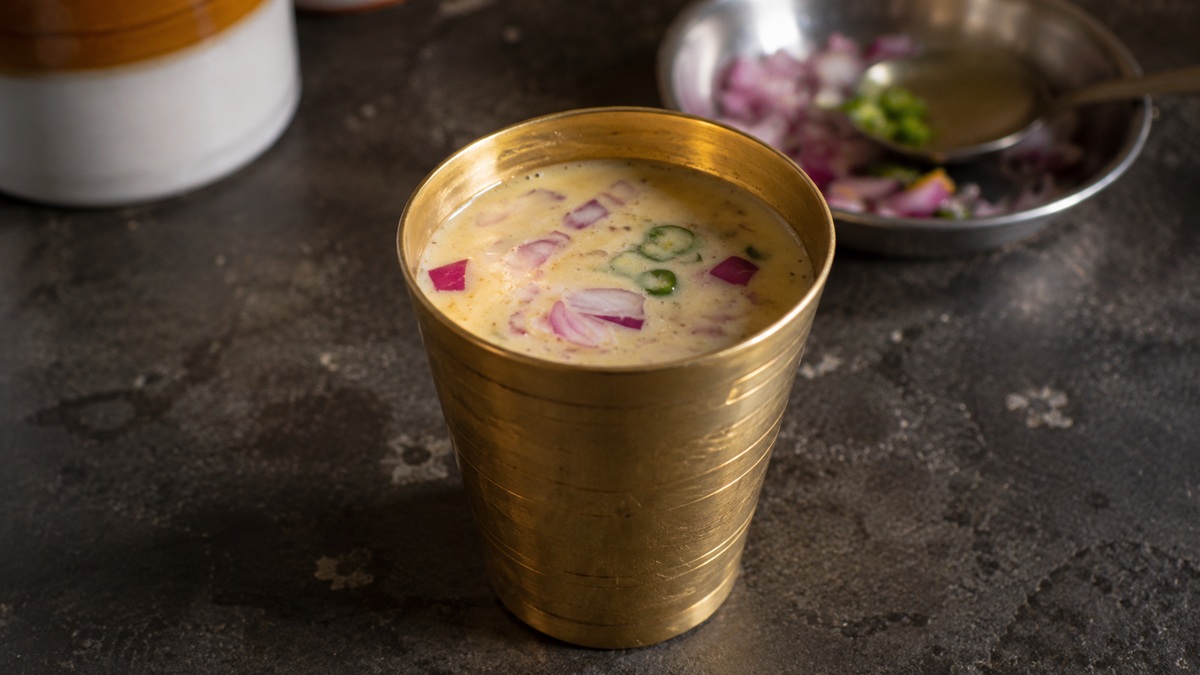
Sattu, Ragi Koozh: India’s Traditional Flour-Based Drinks, Explained
Sattu relies on roasted gram, Tamil Nadu’s ragi koozh on fermentation, and Karnataka’s huri hittu on popped finger millet. They may all end up mixed with liquid, but the processes behind them are genuinely different.
Long before protein shakes, India had its own versions of quick, portable, flour-based drinks, but they were not all made in the same way. Sattu, most strongly associated with Bihar and Jharkhand and consumed across adjoining parts of northern and eastern India, is made from roasted gram and sometimes other roasted grains. Further south, Tamil Nadu’s ragi koozh and Karnataka’s ragi huri hittu both use finger millet but rely on genuinely different methods: traditional koozh is fermented, while huri hittu is made from finger millet that has been popped or otherwise heat-treated before grinding.
What they share is less a single “gut-health” mechanism than a practical food idea: process a locally available grain or pulse first, grind it into a form that is easy to store and prepare, and combine it with liquid when it is time to eat. Roasting, popping and fermentation change food in different ways, which is exactly why these drinks are more interesting when they are not treated as regional versions of the same thing.
One Idea, Reinvented Region by Region
There’s a genuinely interesting pattern running through Indian food that doesn’t get remarked on often enough: entire categories of dishes exist across the country under completely different names, developed by communities responding to similar everyday needs with whatever ingredients grew locally. Flour-based drinks and porridges are one such category — portable, quick to prepare and capable of turning a dry grain or pulse into a filling meal or snack with the addition of water, buttermilk or milk.
What ties these together isn’t a shared recipe, but a shared practical problem. Long before refrigeration or packaged energy drinks, agricultural and working communities needed foods whose dry base could travel and store reasonably well and then be turned quickly into something substantial. Different regions solved that problem with whatever crop was locally familiar, and the results, while genuinely different foods, are recognisably related in spirit.
Sattu is most commonly made from roasted gram, or chana, although versions incorporating roasted barley and other grains also exist. It is most strongly associated with Bihar and Jharkhand, with a wider food culture stretching into Uttar Pradesh and neighbouring regions. A savoury drink may combine sattu with water, lemon, salt and roasted cumin, while sweeter versions commonly use jaggery.
The crucial point is that the gram has already been roasted before grinding. FSSAI formally defines chana sattu as flour obtained by grinding clean, sound gram after it has been roasted, which is what distinguishes it from an uncooked gram flour such as besan.
That roasting step matters more than it might seem. Heat changes the gram before it becomes flour, developing its characteristic roasted flavour and producing a ready-to-use ingredient that can be mixed with liquid without another cooking step. Because the base is gram, sattu also brings plant protein along with its carbohydrate; FSSAI’s standard for roasted Bengal gram flour specifies crude protein of at least 20% on a dry basis, although the exact nutrition of a finished sattu drink naturally depends on how much flour and what other ingredients go into it.
A related roasted-grain idea appears in other regions with different crops. FSSAI, for example, documents a jowar-and-barley sattu drink, and notes that similar preparations can be made with grains including bajra and ragi. The specific grain changes, and with it the nutritional profile, but the processing logic remains familiar: roast the grain first, grind it and mix it with liquid when needed.
Sattu Was Everyday Food Before It Became a Wellness Drink
Sattu’s reach has widened well beyond the households in which it was an ordinary staple, and it now appears in health-food aisles, cafés and conversations about Indian alternatives to protein shakes. There’s nothing inherently wrong with that crossover, but it is worth remembering that the newer wellness framing sits on top of a much older and more practical role.
Sattu was not developed as a sports supplement. It was an affordable flour made from a familiar pulse, easy to store and quick to turn into food. The fact that gram contributes protein and fibre is real; presenting that nutrition as though somebody only discovered it when sattu acquired modern packaging is the more recent part of the story.
The South: Ragi Koozh and Ragi Huri Hittu
Move south and the base grain shifts to ragi, or finger millet, but the two preparations diverge from each other much more sharply than their common ingredient might suggest. Tamil Nadu’s ragi koozh uses fermentation, while Karnataka’s huri hittu relies on heat processing, and that methodological difference is central to understanding what each food actually is.
Ragi Koozh: A Genuine Two-Stage Fermentation
Ragi koozh, or kelvaragu koozh, is strongly associated with Tamil Nadu and has a particularly visible cultural role during the Tamil month of Aadi. A 2026 ethnographic study documenting traditional preparation in rural Tamil Nadu found a two-stage natural fermentation process: ragi flour is first mixed with water and left for roughly eight to ten hours, then combined with cooked broken rice and cooked into a thick porridge. Once that mixture has cooled, water is added and it is left to ferment again for roughly 12–15 hours before curd, salt and accompaniments such as shallots and green chilli are mixed in.
That second fermentation is the detail worth noticing. In foods such as idli or dosa, fermentation happens before the final cooking step, so the heat used afterwards greatly reduces the live microbial population in the batter. In traditional two-stage koozh, fermentation occurs again after cooking and is not followed by another high-temperature cooking step before the food is eaten. The finished koozh can therefore contain living microorganisms generated during that second fermentation.
That is a more precise claim than simply calling koozh “probiotic”. A fermented food may contain live microorganisms, and strains isolated from fermented millet foods may show potentially useful characteristics, but a clinically established probiotic requires identified strains, adequate viable amounts and evidence of a health benefit. Traditional koozh can reasonably be described as a live fermented food without promising that every household batch delivers the same probiotic effect.
Ragi Huri Hittu: The Same Millet, Without Fermentation
Ragi huri hittu takes an entirely different route. Traditional finger-millet processing research from CFTRI describes hurrihittu as flour made from popped finger millet, a ready-to-eat product produced by exposing conditioned grain to high-temperature, short-time treatment before grinding. During popping, moisture inside the grain turns to steam, the starch gelatinises and the kernel expands; the resulting popped grain can then be pulverised into flour.
That explains why huri hittu can be mixed readily with milk, water or buttermilk without another substantial cooking step. The ragi has already been subjected to intense heat before it becomes flour.
There is no fermentation involved in that process.
This is why grouping koozh and huri hittu together merely because both use ragi misses the most interesting thing about them. Koozh uses microbial fermentation to transform finger millet; huri hittu uses heat. They begin with the same grain and arrive at convenient preparations through quite different food science.
Sattu, Ragi Koozh and Huri Hittu: How They Differ
Food
Region most associated with it
Base
How it is processed
Sattu
Bihar, Jharkhand and adjoining regions
Roasted gram, sometimes with other grains
Roasted, then ground; no fermentation
Ragi koozh
Tamil Nadu
Finger millet flour + rice
Traditional versions use fermentation before and after cooking
Ragi huri hittu
Karnataka
Finger millet
Popped/heat-treated, then ground; no fermentation
The table makes the difference fairly clear. These are not three versions of one fermented “health drink”; they are three food traditions in which roasting, fermentation and popping solve a similar practical problem in different ways.
What Actually Changes During Roasting, Fermentation and Popping?
The original temptation is to give all three processes one shared benefit and say they make the grain “easier to digest”. The reality is less tidy and more useful.
Roasting applies heat and changes the physical and chemical characteristics of gram or grain before it is milled. Popping exposes finger millet to intense heat, gelatinising starch and producing a precooked product that can be ground into an instant flour. Fermentation is a microbial process: organisms metabolise components of the grain, produce organic acids and can reduce some antinutritional compounds, including phytate, depending on the grain and the fermentation conditions.
Those processes may influence digestibility and nutrient availability, but they do not do so identically. Even within finger millet, processing studies show that the effects of fermentation, popping and other treatments depend on time, temperature and method. The better shared point is that traditional processing changes the raw ingredient in ways suited to the food being made, rather than that every method delivers one universal gut benefit.
What Fermentation Changes in Ragi Koozh
Finger-millet fermentation has been studied more directly than some of the broader claims commonly made about traditional grain drinks. Fermentation can produce organic acids and reduce naturally occurring antinutritional compounds, including phytate, which can bind minerals. The 2026 kelvaragu koozh paper discusses these changes as part of the nutritional significance of the traditional process, although its ethnographic component documented preparation rather than conducting new laboratory analysis on each batch.
The important distinction is between evidence about the process and clinical claims about the person drinking it. Finding that fermentation changes phytate or microbial composition does not establish koozh as a treatment for diabetes, digestive disease or any other diagnosed condition.
What Gets Overstated
This is where traditional foods often pick up more responsibility than they deserve. Ragi’s fibre and micronutrients, sattu’s gram-based protein and the fermentation of koozh are all nutritionally interesting, but they do not make these preparations treatments for diabetes or guaranteed weight-loss foods.
The finished recipe matters too. A sweet sattu drink containing generous jaggery is nutritionally different from a savoury one. A thick bowl of koozh that functions as breakfast is different from a small glass added alongside another meal. Someone managing blood glucose or another medical condition needs to consider the amount of carbohydrate, recipe, portion and wider dietary pattern rather than choosing the food because a traditional ingredient has acquired a disease-management label.
Portion and Context Still Matter
A glass of sattu or a bowl of ragi koozh can be substantial enough to function as food rather than refreshment. Historically, that was part of their usefulness: these preparations belonged to working days and agricultural communities in which a portable or easily prepared grain-based meal had an obvious role.
If the same preparation appears as an additional wellness drink between meals, it is playing a different nutritional role. The calories, carbohydrate and other nutrients have not disappeared because the word “traditional” appears in front of the recipe; portion and context remain part of the answer.
The Honest Takeaway
Roasted gram sattu, traditional ragi koozh and ragi huri hittu are genuinely different foods built around a recognisably similar practical instinct: take a grain or pulse that is locally available, process it in a way that suits the kitchen and the desired food, and create something that can be prepared with relatively little fuss when it is time to eat.
Sattu gets there through roasting. Koozh uses fermentation, and its traditional two-stage method is particularly interesting because the post-cooking fermentation is not followed by another heat step. Huri hittu takes the opposite route, using high-temperature popping to create a precooked finger-millet flour that needs no fermentation at all.
None of them needs to belong to the fermented-food category to be worth having, and fermented does not automatically mean nutritionally superior. The useful story is the diversity of the methods themselves, and the way different communities arrived at distinct answers using what they grew and what their kitchens already knew how to do.
The most familiar chana sattu is made by roasting Bengal gram or chana and grinding it into flour. Some regional sattu preparations also incorporate roasted barley or other grains. It may be mixed with water, lemon, salt and spices for a savoury drink, or sweetened with jaggery. FSSAI formally defines chana sattu as flour made from roasted Bengal gram.
Is sattu the same as besan?
No. Both may come from Bengal gram, but the processing is different. Chana sattu is made from roasted gram, whereas besan is ordinarily milled from unroasted gram and is used as a flour that requires cooking.
Is sattu fermented?
No. Sattu relies on roasting rather than fermentation. Once the roasted gram has been ground, the flour can be mixed directly into a drink without another cooking step.
What is ragi koozh?
Ragi or kelvaragu koozh is a traditional Tamil Nadu finger-millet preparation. A documented traditional method involves fermenting ragi batter for eight to ten hours, cooking it with broken rice and then allowing the cooked mixture to ferment for another 12–15 hours before it is mixed with curd and served.
Is ragi koozh fermented twice?
Traditional preparation documented in a 2026 ethnographic study uses two fermentation stages, one before cooking and another after the ragi-rice mixture has been cooked and cooled. Household methods can vary, so this should not be treated as the only possible koozh recipe.
Does ragi koozh contain probiotics?
Traditional koozh can contain live microorganisms because its second fermentation occurs after cooking and is not followed by another high-temperature step. That makes it a live fermented food, but calling every serving a clinically proven probiotic is stronger than the evidence supports.
What is ragi huri hittu?
Huri hittu is a ready-to-eat finger-millet flour traditionally produced from popped ragi. CFTRI describes the grain as being subjected to high-temperature, short-time popping before the popped millet is ground into flour.
Is ragi huri hittu fermented?
No. Huri hittu is heat-processed, not fermented. The ragi is popped and then ground.
Are ragi koozh and ragi huri hittu the same?
No. They share finger millet as an ingredient, but the processing is fundamentally different. Koozh is a fermented preparation, while huri hittu is made from heat-popped ragi flour.
Does fermentation reduce phytic acid in ragi?
Fermentation of finger millet can reduce phytate under appropriate conditions and thereby change mineral availability. The size of that effect depends on the grain and fermentation conditions rather than being identical in every traditional recipe.
Can sattu or ragi koozh help manage diabetes or weight loss?
Neither should be treated as a diabetes treatment or weight-loss intervention. The grain or pulse used, portion size, sweeteners, accompaniments and overall eating pattern all matter, particularly for someone managing a diagnosed condition.
You are now being directed to an external website https://www.callr.live/aashirvaadexperts/premium-plan.
This link is provided for your information and convenience only and ITC Limited is not
responsible for the contents or services provided by Brand Touch India or any information that
you share with Brand Touch India.