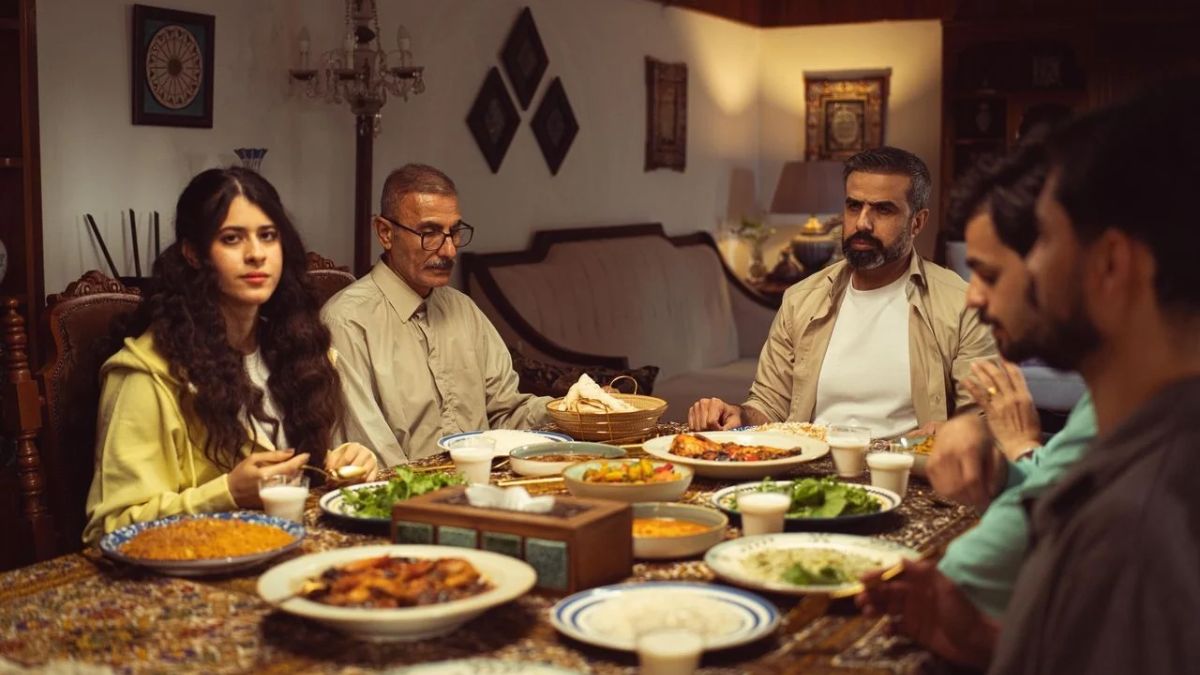
Feeding a Joint Family When Everyone Wants Something Different
Thin dal, thick dal, no spice, extra chilli, and a teenager who wants cheese on everything. How to feed several generations from one kitchen without making a separate meal for every preference.
Quick Answer: How can one family meal suit different preferences?
To feed a joint family with different preferences, start with a meal: one staple, a dal or another protein, vegetables and an accompaniment such as plain curd if the family eats dairy. Let people choose portions and add suitable chutneys, lemon, herbs or chilli separately. You can often reduce separate cooking without expecting everyone to eat an identical plate.
Keep the main dish moderately seasoned. A mild pulao can work with different sides; plain dal can take different finishes. Use familiar regional foods rather than building a new menu around every request.
Children can share family foods prepared for their age and eating skills. Offer small amounts, include something familiar, and keep offering rejected foods calmly another day. Avoid pressure to finish. Adapt textures without making every vegetable invisible. Supervise young children while they eat, and remove fish bones.
Medical needs take priority over convenience. Follow individual advice for diabetes, food allergies or prescribed diets. Setting aside a portion may help only when its ingredients are suitable. Allergies require protection from allergen transfer; swallowing difficulties need professional assessment and any prescribed texture plan.
Plan leftovers before serving, reserving portions with clean utensils. Refrigerate promptly, use general leftovers within 48 hours or freeze them, and reheat only once until steaming hot throughout. Rice needs extra care: cool quickly, ideally within an hour, refrigerate and use within 24 hours.
Share the work, too. Let relatives help choose dishes, prepare vegetables or assemble sides. The aim is a manageable family routine with flexibility.
You can make an entire comedy film on the art of feeding an Indian joint family. One person wants dal thin enough to drink from a cup, another wants it thick enough to scoop up with roti. Dadi wants the sabzi cooked the way she remembers it from childhood, while the children want something that does not remotely resemble a vegetable. Somebody is avoiding rice; somebody else insists lunch is incomplete without it. Meanwhile, your teenager has decided that everything must contain cheese to be edible.
And then there are the quieter complications. Someone has diabetes, another relative has turned vegetarian, an older aunt finds strong chilli uncomfortable, and your partner has been told to eat more fibre. Inevitably, someone announces five minutes before lunch that they are “not really hungry”, after you have spent an hour cooking.
This is a familiar reality in households where several generations share a kitchen. A common base, with room to customise, can make the work more manageable. Where medical needs require separate preparation, that takes priority.
Build meals in layers
The Indian thali is a useful model because it allows variety without making every plate identical. Start with a staple: rice, phulka, jowar roti, bajra roti, khichdi or dosa. Add dal, rajma, chole, kala chana, sambar, egg, fish, chicken or another protein source your household eats. Include vegetables and, if suitable, plain curd, raita or a salad.
That gives you somewhere realistic to begin without turning dinner into a nutritional spreadsheet. Regional cooking already offers plenty of possibilities:
Household cooking style
One possible shared menu
Bengali
Rice, moong dal, aloo-posto or a potol preparation, with fish for those who eat it and plain curd if suitable
Tamil
Rice, sambar, poriyal and curd; rasam if it is part of your usual meal
Punjabi
Rajma with rice or phulka, gobi sabzi and raita
Maharashtrian
Bhakri, pithla, bharli vangi and koshimbir
Kerala
Matta rice, avial or thoran, with fish or a pulse preparation according to preference
These are adaptable menu ideas, not fixed regional thalis or individual diet prescriptions. Choose the dishes that fit your household and the time available. A familiar cooking style can provide balance without one rigid template.
Make one dish flexible instead of making three
Suppose you are making vegetable pulao. Rather than cooking plain rice, pulao and a separate child-friendly meal, you might keep one pot mildly seasoned and serve different accompaniments. Raita, cucumber prepared appropriately for the person eating it, boiled eggs, paneer or cooked chickpeas can change the meal without requiring several pots of rice.
A tomato-onion gravy can also become the foundation for more than one dish. Divide it before adding paneer, eggs, chickpeas or chicken, if that works for the people eating. Cook each preparation thoroughly and keep vegetarian food and utensils separate where the household requires it.
The aim is fewer repeated steps. You do not need every accompaniment at every meal. Choose one or two that do useful work.
Keep medical needs separate from preference
Follow the person’s doctor or dietitian’s advice for diabetes, high blood pressure or another prescribed diet. Setting aside a portion before the final seasoning may help where safe and practical, but only if the base ingredients and portion already fit their plan. Reducing chilli alone does not make a meal suitable for a medical condition.
Food allergies need particular care. FARE explains that allergens can transfer through utensils, pans, hands and other foods. Use suitable ingredients, check labels, clean equipment and surfaces thoroughly, and prevent shared serving spoons from transferring an allergen. Removing a garnish from a finished dish is not enough, and cooking does not reliably make an allergen safe.
For someone with swallowing difficulties, follow any prescribed food-texture and fluid-thickness plan. The NHS advises assessment for swallowing problems, which may involve a speech and language therapist or dietitian. Simply adding water to dal or blending the family meal may not meet that person’s needs.
A separately prepared meal can be necessary. Sharing the table does not require sharing every ingredient.
Let the table carry the stronger flavours
If your grandfather loves green chilli and your six-year-old does not, there is no need to make the whole dish fiercely hot. Cook the base mildly and offer lemon, coriander, chutney, podi, pickle or raita separately, where suitable.
Think plain dal with a choice of finishes; curd rice with different toppings; or idlis with chutney and sambar. Keep the additions appropriate for the person eating them. Pickle, papad, some podis and sauces can add considerable salt, so they are not automatic additions for someone advised to limit sodium.
Use a separate spoon for each accompaniment, particularly where allergies are involved. Flexibility works best when everyone knows which dishes are safe for them.
Include children in family meals, with room for adaptation
The temptation to cook “adult food” and “children’s food” every evening is understandable. Where practical, offer a child suitable versions of familiar family dishes, alongside something they already accept. Some children need more adaptation or specialist feeding support, and that is not a failure of the family kitchen.
A child may enjoy grated carrot in paratha, finely chopped beans in bhurji, spinach in dal or pumpkin in a sauce. Boneless fish in a mild cutlet may be more approachable than fish curry. Acceptance varies; these are possibilities to try calmly.
Be open about what is in the food. There is a difference between changing texture and secretly changing a child’s only accepted foods. Continue offering small amounts of vegetables in recognisable, age-appropriate forms without pressure.
NHS advice on fussy eating recommends eating together where possible, offering rejected foods again another time and avoiding force. Nobody needs to finish every item on the table. A refusal today does not mean a food is permanently off the menu.
Prepare food for the child’s age and eating skills. Check fish carefully for bones, adapt firm foods and supervise young children seated upright while eating. This article is not an infant-feeding plan.
Seek advice if a child’s accepted foods become very limited, eating causes marked distress, growth is a concern, or they cough or choke during meals. Those concerns need more than another vegetable recipe.
Make vegetables less of a daily argument
There is no shortage of ways to cook the same vegetable. If someone refuses lauki as a dry sabzi, it can appear another day in dal, chilla or soup. Pumpkin can become sabzi, sambar or a roasted side. Spinach can appear in palak dal, saag, paratha or bhurji.
Variety does not mean buying an unfamiliar vegetable every week. Changing the preparation can make familiar ingredients easier to use, while different vegetables across the week add variety too.
If cabbage appears repeatedly in the shopping, make it with peas one week, as thoran another time, and later in a mixed vegetable pulao. You are giving the household options without replacing the entire shopping list.
Give leftovers a planned second life
Leftover rajma can become paratha filling, dal can become soup or part of a dough, and cooked vegetables can go into an omelette or chilla. Extra rice can become lemon rice, curd rice or egg fried rice, provided it has been cooled and stored safely.
Reserve tomorrow’s portion with clean utensils before serving where possible. Reuse is a plan for safely stored food, not a way to rescue food that has been sitting out.
General leftovers: cool promptly in small portions, cover and refrigerate. Eat within 48 hours of cooking or freeze portions for later.
Cooked rice: cool quickly, ideally within one hour, refrigerate and use within 24 hours of cooking. Do not leave it on the counter overnight.
Reheating: reheat only the portion you need, once, until steaming hot throughout. If incorporating leftovers into a dish that will be cooked, heat the whole dish thoroughly.
For cold curd rice, use safely cooled, refrigerated rice and keep the dish chilled until serving. FSA advice allows cold rice when it has been cooled quickly and refrigerated. Adding curd, lemon or fresh ingredients does not restart the storage clock. Nor can reheating reliably make badly stored food safe. If you are unsure it was handled safely, discard it.
A few reserved portions can make the next meal easier and help you use the ingredients you have already bought.
Let the family help decide — and help cook
There is another way to reduce food conflict: stop making one person responsible for every food decision and every task.
The teenager can choose a vegetable. A grandparent can suggest a traditional main dish. A child can help select fruit, wash suitable produce or mix ingredients with supervision. Someone else can assemble the raita, chop the salad, cook breakfast or take responsibility for clearing up.
Choosing a favourite dish is a start; sharing the work is what makes the routine sustainable. A grandmother teaching a child how to shape koftas or season dal is passing on ingredients, techniques and the food culture of the family.
A joint-family kitchen will not please everyone at every meal, and it does not need to. A shared base, a few suitable accompaniments and people willing to help can take much of the pressure off.
When to seek medical advice
If digestive symptoms persist or keep returning, speak to a healthcare professional. Unexplained weight loss, blood in the stool or ongoing abdominal pain need medical review. Difficulty swallowing, or coughing or choking during meals, needs prompt assessment. Seek urgent care for sudden, severe abdominal pain.
This article provides general meal-planning information, not personalised medical, paediatric or dietary advice. Food choices, portions and textures should suit the individual’s age, eating skills, allergies and health needs. Follow the person’s clinician, dietitian or swallowing specialist for prescribed diets and texture changes. The meal examples are flexible suggestions. Follow safe food-handling and storage practices, and seek professional advice for persistent symptoms, feeding difficulties or concerns about a child’s growth.
FAQs
How do you cook one meal for a family that wants different things?
Build a shared base with a staple, protein source and vegetables. Keep the seasoning mild and offer suitable sides separately. Adjust portions and textures to the person; use separate preparation when a medical need requires it.
How can I help my child eat more vegetables?
Offer small amounts alongside familiar foods, eat together where possible and try a rejected food again another day. Adapt preparation for the child's age and skills. Avoid pressure to taste or finish, and seek help for significant feeding or growth concerns.
Is it okay to blend vegetables into children's food?
Blending can be a normal recipe or texture choice. Be open about ingredients and continue offering recognisable, age-appropriate vegetables. Avoid secretly changing a child's accepted foods, especially if their diet is already very restricted.
Can one family meal work for diabetes or a food allergy?
Sometimes, with planning based on individual advice. A shared base must suit the person's ingredients and portion requirements. Allergies also require preventing allergen transfer during cooking and serving; withholding a topping alone may not be sufficient.
How long can I keep cooked leftovers?
Following the FSA's conservative household guidance, use refrigerated general leftovers within 48 hours of cooking or freeze them. Cooked rice should be cooled quickly, ideally within one hour, refrigerated and used within 24 hours of cooking. Reheat leftovers only once until steaming hot throughout.
You are now being directed to an external website https://www.callr.live/aashirvaadexperts/premium-plan.
This link is provided for your information and convenience only and ITC Limited is not
responsible for the contents or services provided by Brand Touch India or any information that
you share with Brand Touch India.