Is Street Food Safe in South Korea? Here's What to Eat, and Avoid
From spicy tteokbokki to gimbap and raw octopus, here’s how to check the handling, understand the risks and make safer choices.
Table of Contents
South Korea has an established national food-safety system, and many popular street foods are cooked in front of you and served hot. That makes sensible choices straightforward, but it does not make every stall or dish risk-free. Favour food that is cooked thoroughly, served piping hot and turning over quickly. Be more cautious with gimbap left at room temperature, raw seafood and shared utensils at tabletop grills. Sannakji carries a separate choking risk; the lowest-risk choice is not to eat it.
The most useful safety principles are the same in Seoul, Busan or anywhere else: keep food and hands clean, separate raw food from cooked food, cook thoroughly, keep food at safe temperatures and use safe water and ingredients. National oversight matters, but it cannot tell you how long one tray has been sitting out or whether one pair of tongs has moved between raw and cooked food.
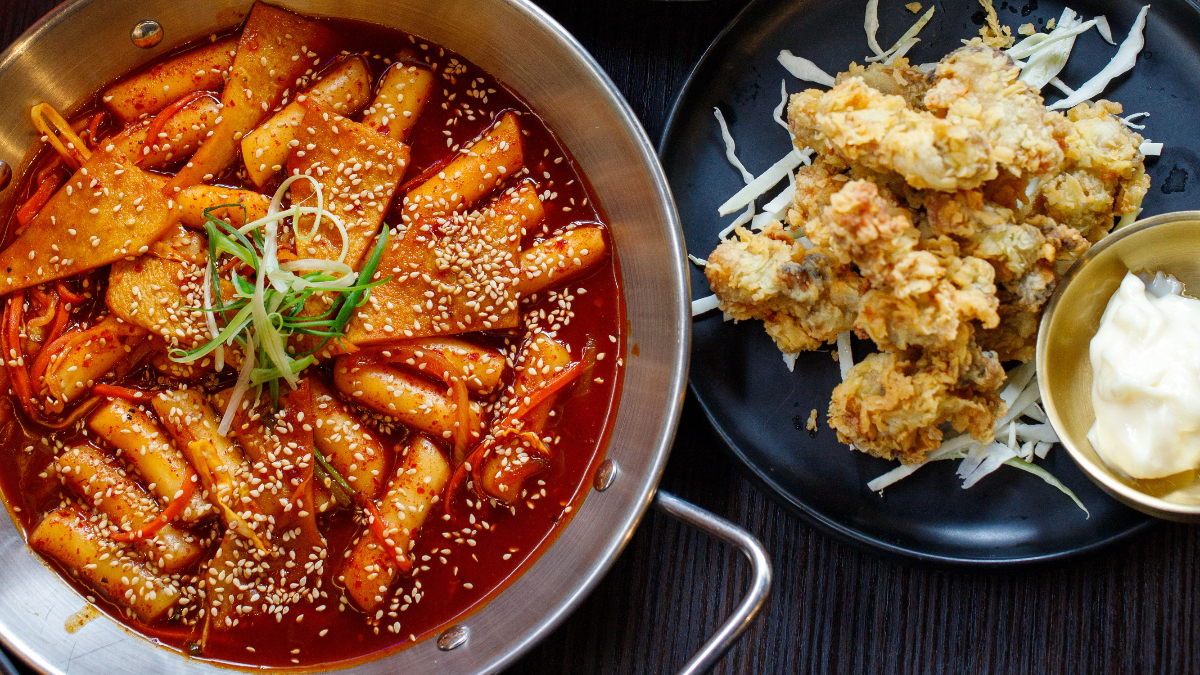
Look for active cooking rather than a polished sign. Tteokbokki, rice cakes in a spicy sauce, should be steaming from a hot pan; eomuk fish cakes, also called odeng, should come from properly hot broth; hotteok, stuffed pancakes, and fried snacks are best cooked to order or taken from a batch that is moving quickly. A busy stall can mean faster turnover, but it is a clue rather than a guarantee. Clean hands, gloves that are changed when needed, clean utensils and food protected from repeated handling matter too. Wash your own hands before eating as well.
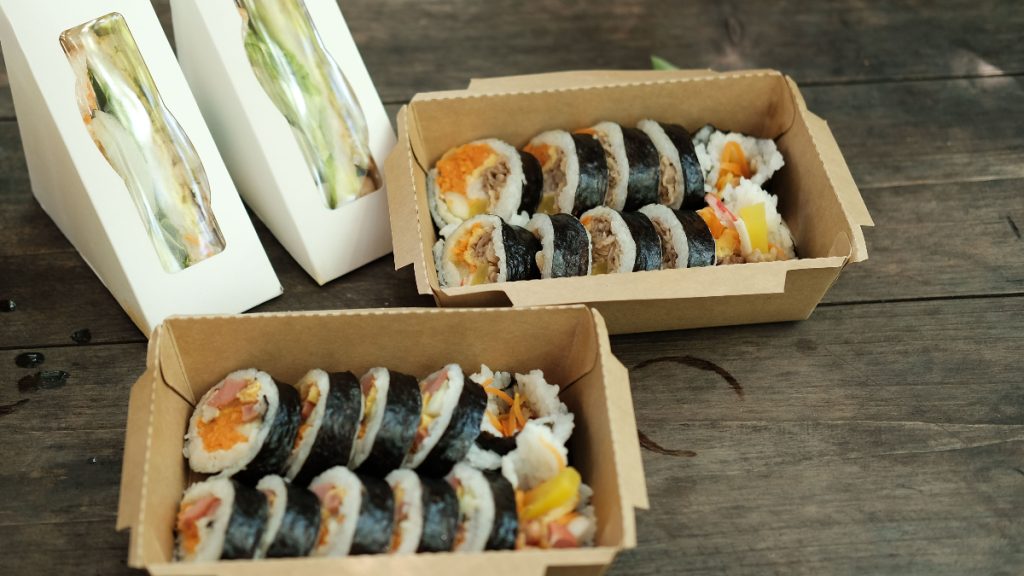
Not every familiar street food is served hot. Gimbap, also romanised kimbap, combines cooked, seasoned rice with fillings such as vegetables, egg, meat or seafood. Cooked rice can contain spores of Bacillus cereus that survive cooking. If the rice is left warm or at room temperature for too long, bacteria can multiply and produce a toxin that reheating will not reliably remove. The food-safety danger zone is roughly 5°C–60°C, not just the temperatures that feel noticeably warm.
Handling matters too. Staphylococcus aureus can reach food from unwashed hands and produce a toxin that cooking does not destroy. Choosing a freshly rolled gimbap helps only if the rice and fillings have also been handled and stored safely. Choose recently made rolls eaten promptly, or properly chilled ones. If rolls have been sitting in a warm display for an unknown length of time, choose something else. The same caution applies to filled foods, cooked seafood and sauces held lukewarm rather than hot or properly chilled.
These food storage and reheating principles matter for leftovers at home, too. Reheating is not a rescue for food that was stored unsafely.
Raw fish and shellfish bring a different risk from sannakji’s choking hazard: they can carry harmful germs, and thorough cooking is the safer choice. Poor sourcing, cold storage or preparation can add to the risk. People who are pregnant, young children, older adults and people with weakened immune systems should choose cooked seafood. A reputable specialist restaurant with good cold handling may be a more reassuring setting than an improvised display, but no venue can make raw seafood completely risk-free.
Seoul’s treated tap water, known as Arisu, is subject to extensive official testing. In February 2025, the Seoul Metropolitan Government said its programme covered 357 substances, including 60 legally mandated drinking-water standards, with monitoring at multiple points in the system. That supports a more reassuring answer than a blanket warning against tap water.
For most travellers in Seoul, municipal tap water is considered drinkable. If you are uncertain about the plumbing in a particular building, notice an unusual colour or odour, or receive local advice not to drink it, use sealed bottled water while the issue is checked. An ordinary filter should not be assumed to make an unknown water-quality problem safe. This guidance concerns Seoul’s municipal supply; check local advice elsewhere.
Sannakji is commonly made from a small live octopus cut into pieces just before serving. The pieces may still move because of nerve activity in the arms; research shows that octopus arms can produce movements even after their connection with the brain has been severed. Movement is not a sign that the dish is safer.
Fatal choking has been documented. A Korean forensic report described two deaths in which octopus tissue obstructed the upper airway: one involved a whole webfoot octopus and the other an intact body part of a small octopus. The danger is mechanical airway obstruction, separate from any foodborne infection risk.
Octopus tissue is slippery and flexible. Small mouthfuls and careful chewing cannot make sannakji risk-free. The safest advice is therefore simple: skip it if you do not want to accept that choking risk. Anyone with swallowing difficulty, reduced chewing ability or a condition affecting airway protection should avoid it.
Grilled seafood or haemul pajeon, a seafood and spring-onion pancake, offer ways to enjoy Korean seafood in thoroughly cooked dishes. Cooked octopus still needs appropriate preparation and chewing; large or chewy pieces can also pose a choking hazard. Alcohol may impair attention and chewing, so avoid pairing it with sannakji.
Before departure, keep meals familiar and balanced. Whole grains, including Khapli wheat, can be part of your diet if they suit you. Their fibre supports normal bowel health, but eating a particular grain or flour has not been shown to protect travellers against contaminated food or water.
If you are increasing fibre in your diet, build it gradually and drink enough fluids. A sudden change just before a trip can bring bloating or discomfort. Everyday nutrition and safe food handling serve different purposes; neither replaces the other.
At a tabletop grill, raw meat, scissors, tongs, plates and cooked food share a small space. Use one set of tongs for raw meat and a different clean set for cooked meat. Do not return cooked meat to a plate that held raw meat. Cook poultry, minced meat and pork thoroughly, and ask staff for help if you are unsure whether a piece is done.
Many restaurants manage the grill and utensils for you. Let staff take the lead, and do not use chopsticks that have touched raw meat for salads, ssam leaves or cooked food. This is routine cross-contamination control, not a reason to avoid Korean barbecue.
| Food or setting | What to look for | Main concern | Safer choice |
| Tteokbokki and eomuk | Steaming sauce or broth and brisk turnover | Food held lukewarm | Choose from an actively hot pan |
| Hotteok and fried snacks | Cooked to order or from a fast-moving batch | Food sitting for an unknown time | Take a freshly cooked portion |
| Gimbap | Recently made or properly chilled rolls; safely stored fillings | Cooked rice and fillings held at unsafe temperatures | Eat promptly; avoid a warm display of uncertain duration |
| Raw seafood | Proper chilling and hygienic handling | Harmful germs; cold storage does not eliminate all risk | Choose thoroughly cooked seafood, especially if you are in a higher-risk group |
| Sannakji | No stall cue removes the choking hazard | Airway obstruction and choking | The lowest-risk choice is to skip it |
| Korean barbecue | Separate raw and cooked utensils and plates | Cross-contamination or undercooking | Let staff manage the grill if unsure |
Disclaimer: This article provides general food-safety, travel and nutrition information and is not a substitute for personalised medical advice, diagnosis or treatment. People who are pregnant, very young, older, immunocompromised, or living with swallowing or chewing difficulties may need stricter precautions. Follow advice from your clinician where it applies to you. If symptoms persist, are severe, or keep returning, speak to a doctor. Choking with ineffective coughing or difficulty breathing requires immediate emergency help: call 119 in South Korea.
Many popular choices are cooked hot and South Korea has national food-safety oversight, but no country, market or stall is risk-free. Choose hot food with brisk turnover and pay attention to handling, holding temperature and raw-to-cooked separation.
Seoul’s municipal water is extensively tested and is intended to be drinkable. Use sealed bottled water if there is a suspected problem with an individual building’s supply or if local guidance tells you to do so. Check local advice outside Seoul.
Often, a small live octopus is cut up just before serving. The severed pieces may continue to move through nerve activity in the arms. Some presentations involve larger or more intact pieces. Whichever form is served, movement is not a safety guarantee and the dish can cause choking.
No. Careful chewing may reduce risk, but it cannot guarantee that octopus tissue will not obstruct the airway. Fatal choking has been documented. The lowest-risk option is not to eat it, particularly if you have swallowing or chewing difficulties.
Raw seafood carries a foodborne illness risk that is separate from sannakji’s choking risk. Thoroughly cooked seafood is the safer choice for everyone. People who are pregnant, young children, older adults and people with weakened immune systems should take particular care and choose cooked seafood.
Foods cooked in front of you and served piping hot are usually the simplest choices: hotteok from the griddle, tteokbokki from a steaming pan, eomuk from hot broth, or freshly fried snacks. Their nutritional profiles vary, but the visible heat and short holding time make the food-safety decision easier.