Is Khapli a Millet or Wheat? Emmer and Dicoccum Explained
Khapli is often grouped with millets because both are traditional grains enjoying a revival. Botanically, though, Khapli is wheat — specifically emmer wheat. Here’s how Khapli, emmer and dicoccum fit together.
Window-shop at a supermarket or browse food websites today and you may be surprised by how many traditional grains have found their way back into everyday conversations. Millets have gained renewed attention, ancient wheats are appearing in home kitchens again, and consumers are becoming more curious about different grains, their flours and how they can be used. Amidst this growing interest, one question frequently arises: Is Khapli a millet or a type of wheat?
The confusion is understandable. Khapli is often discussed alongside millets because both belong to older food traditions and have been cultivated in India for centuries. They also share a common story of rediscovery, with many households returning to grains that were part of regional agriculture long before their current revival.
However, despite these similarities, Khapli is not a millet. It is emmer wheat.
Khapli, emmer and dicoccum are names you may encounter for the same ancient type of wheat, although the botanical naming deserves a little explanation. Understanding that distinction makes it much easier to know where Khapli fits within India’s rich grain basket — and why a Khapli roti is fundamentally different from a bajra or ragi roti.
Quick answer: Is Khapli a millet or wheat? Khapli is wheat, not millet. Khapli is the name commonly used in parts of India for emmer wheat. You will often see it identified scientifically as Triticum dicoccum; current botanical classification also recognises it as Triticum turgidum subsp. dicoccum. Khapli therefore belongs to the wheat genus Triticum. Millets such as bajra, ragi, foxtail millet and little millet belong to other genera within the grass family.
What Is the Difference Between Khapli Wheat and Millets?
Although wheat and millets are all cereal grasses belonging to the family Poaceae, they are not the same group of grain.
Millets themselves are a diverse collection rather than one single botanical species. Common examples include:
Pearl millet or bajra
Finger millet or ragi
Foxtail millet
Little millet
Barnyard millet
Kodo millet
Proso millet
Even these millets belong to several different genera. Finger millet, for example, is Eleusine coracana, while foxtail millet is Setaria italica and proso millet is Panicum miliaceum.
Khapli belongs to the Triticum group — the wheat group.
That difference matters in the kitchen as well as in botany. Khapli contains gluten because it is wheat. Most familiar millets are naturally gluten-free, which is one reason millet flours behave very differently when kneaded or rolled. Khapli atta can form a wheat dough for rotis and parathas; millet flours often need different handling because they do not develop the same gluten network.
Khapli vs Millet: At a Glance
Question
Khapli
Millets
What is it?
Emmer wheat
A diverse group of cereal grains
Botanical group
Triticum
Several different genera
Common examples/names
Khapli, emmer, dicoccum
Bajra, ragi, foxtail, kodo, little millet
Contains gluten?
Yes
Common food millets are naturally gluten-free
Can it make wheat-style roti dough?
Yes
Millet dough behaves differently without gluten
Is it an ancient/traditional grain?
Yes
Many millets are traditional grains too
Is Khapli a millet?
No
—
What Is Khapli Wheat?
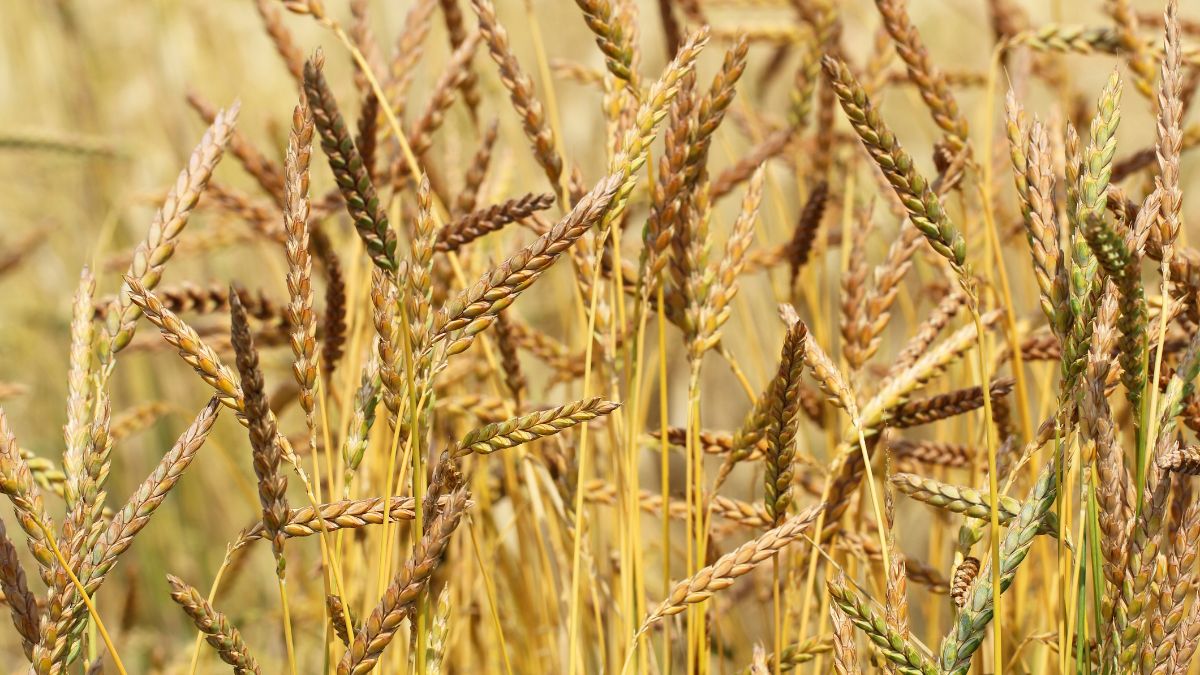
Khapli is the name commonly used in parts of India for emmer wheat, one of the world’s oldest cultivated wheats.
This is where the terminology can look more complicated than the grain itself.
Khapli is a familiar Indian name for the grain.
Emmer is its widely used English common name.
Dicoccum comes from its botanical nomenclature.
You will frequently see emmer written as Triticum dicoccum in agricultural, nutritional and food literature. Current taxonomic databases such as Kew’s Plants of the World Online treat Triticum dicoccum as a synonym of the accepted name Triticum turgidum subsp. dicoccum. In ordinary food conversations, however, “Khapli”, “emmer” and “dicoccum wheat” are all pointing you towards the same type of ancient wheat.
That makes the simplest answer easy to remember:
Khapli = emmer wheat. Dicoccum = the botanical name you will often see attached to emmer. None of them = millet.
Why Is Khapli Called an Ancient Wheat?
Archaeological evidence places emmer amongst the cereals domesticated thousands of years ago in the Fertile Crescent, the region of West Asia associated with some of the earliest agricultural societies. From there, cultivated wheats spread across different parts of Europe, North Africa and Asia.
The phrase “ancient wheat” is therefore not simply a wellness label attached to Khapli. Emmer is genuinely one of the older cultivated forms of wheat.
Other wheats commonly discussed under the ancient-wheat umbrella include:
Einkorn
Emmer
Spelt
Khorasan wheat
There is no single scientific definition that makes “ancient grain” a nutritional category, so the term should not be read as automatically meaning healthier or nutritionally superior. It is most useful here as a description of the grain’s agricultural history. Research reviews likewise note that “ancient wheat” is a commonly used term rather than a tightly defined scientific classification.
In India, Khapli has remained particularly associated with traditional wheat-growing areas of Maharashtra and Karnataka. Aashirvaad, for instance, currently sources the Khapli used for its Namma Chakki atta from farmers in these two states.
Is Khapli Gluten-Free Like Millet?
No — and this is perhaps the most important practical distinction to make.
Khapli contains gluten because Khapli is wheat.
It is sometimes promoted alongside millet, and ancient wheats are occasionally described loosely as “low gluten”. Neither fact makes Khapli gluten-free. Reviews comparing ancient and modern wheat do not support treating ancient wheats as inherently safe alternatives for people who need to avoid gluten.
Anyone with coeliac disease or a medically diagnosed wheat allergy should therefore not use Khapli as a substitute for gluten-free grains.
Millets such as ragi, bajra and several small millets are naturally gluten-free. That distinction affects both dietary suitability and what happens when their flours enter the kitchen.
What Is Aashirvaad Chakki 100% Khapli Atta?
Aashirvaad Chakki 100% Khapli Atta is made entirely from Khapli wheat rather than a blend of Khapli and modern wheat. The brand uses a Chakki Jaisi Pisai process designed to retain the grain’s bran and germ rather than refining them away.
That means the atta can slip into many of the same preparations for which a household would ordinarily use whole-wheat flour — rotis, phulkas, parathas and other wheat-based dishes — while bringing Khapli’s characteristic flavour to them.
It does not, however, become a millet flour simply because it sits on the shelf beside ragi, bajra or other heritage-grain products. The grain inside the pack remains emmer wheat.
Do You Have to Choose Between Khapli and Millets?
Not at all.
Indian food traditions have rarely depended on one grain doing every job in the kitchen. A week’s meals can easily move between Khapli rotis, bajra bhakri, ragi dosa, foxtail millet upma and rice, alongside different vegetables, pulses, dairy, eggs or other protein foods.
That diversity introduces different textures, flavours and cooking traditions without requiring one grain to be declared the winner.
So the useful question isn’t “Khapli or millet?”
It can just as easily be “Where does each one fit?”
Khapli works naturally wherever a wheat-based dough is useful. Millets bring their own cooking characteristics and regional preparations. Rotating between them according to preference, recipe and availability can make the week’s meals much more interesting than treating any one grain as a mandatory replacement for everything else.
Khapli and Millet Together: A Ragi-Khapli Vegetable Cheela
Good things come to those who wait, and since you now possess adequate knowledge about Khapli wheat and millet, here is one delicious way to celebrate their jugalbandi in the kitchen.
Khapli and Ragi Vegetable Cheela
This savoury cheela combines Aashirvaad Namma Chakki 100% Khapli Atta with ragi or finger-millet flour to create a hearty, lightly crisp pancake packed with colourful vegetables. It makes a satisfying breakfast or evening snack and pairs beautifully with coconut chutney or tomato relish.
One important distinction before you begin: although ragi itself is gluten-free, this cheela is not gluten-free because it also contains Khapli wheat.
Ingredients
Makes 6–8 cheelas
1 cup Aashirvaad Namma Chakki 100% Khapli Atta
½ cup ragi flour
1 small carrot, grated
¼ cup finely chopped capsicum
2 tbsp finely chopped coriander leaves
1 green chilli, finely chopped, optional
1 tsp grated ginger
½ tsp cumin seeds
Salt to taste
Approximately 2 cups water, or as needed
1–2 tsp oil for cooking
Method
Mix the Khapli atta, ragi flour, cumin and salt in a bowl.
Add the grated carrot, capsicum, coriander, ginger and green chilli.
Gradually whisk in enough water to form a smooth, pourable batter without lumps.
Let the batter rest for about 20 minutes so the flours have time to hydrate.
Heat a non-stick or well-seasoned cast-iron tawa and lightly grease it.
Pour a ladleful of batter onto the centre and spread gently into a thin circle.
Drizzle a few drops of oil around the edges and cook over medium heat until the underside is lightly browned.
Flip carefully and cook the other side until fully cooked and lightly crisp.
Serve immediately with coriander chutney, coconut chutney or a bowl of plain curd.
The Bottom Line
So, is Khapli a millet?
No. Khapli is wheat — specifically emmer wheat.
It is often grouped with millets in conversations about heritage grains because both have long agricultural histories and both are enjoying renewed interest. Botanically and culinarily, however, they are different.
Khapli belongs to the wheat genus Triticum and contains gluten. Bajra, ragi, foxtail, kodo, little millet and other millets belong to other botanical groups and bring their own characteristics to the kitchen.
Understanding the terms Khapli, emmer and dicoccum makes the shelf considerably easier to navigate. They aren’t three competing grains. They are different names or classifications attached to the same ancient wheat.
Whether prepared as soft rotis, parathas, theplas or simple homemade baked goods, Aashirvaad Namma Chakki 100% Khapli Atta connects an old wheat tradition with the contemporary Indian kitchen. It doesn’t need to replace millets to earn its place there. It can comfortably share the dining table with rice, bajra, ragi and other whole grains as part of a varied diet.
Frequently Asked Questions
Is Khapli a millet?
No. Khapli is emmer wheat, not a millet. It belongs to the wheat genus Triticum, while millets such as ragi, bajra and foxtail millet belong to other genera within the grass family.
Is Khapli the same as emmer wheat?
Yes. Khapli is a name commonly used in India for emmer wheat. In food and agricultural contexts, Khapli wheat and emmer wheat refer to the same grain.
Is dicoccum the same as Khapli?
Yes, in this context. Emmer is frequently identified as Triticum dicoccum. Current Kew taxonomy accepts Triticum turgidum subsp. dicoccum and treats Triticum dicoccum as a synonym.
Is Khapli gluten-free?
No. Khapli is wheat and therefore contains gluten. It is not suitable as a gluten-free grain for people with coeliac disease or those who medically need to avoid wheat.
What is the main difference between Khapli and millet?
Khapli is a type of wheat and contains gluten. “Millet” describes several different cereal grains, including ragi, bajra, foxtail millet and kodo millet, which are botanically different from wheat.
Is Khapli an ancient grain?
Yes, emmer is one of the oldest cultivated wheats and is commonly described as an ancient wheat. The term refers primarily to its agricultural history; it should not be taken to mean that every ancient grain is automatically nutritionally superior.
Can Khapli and millet flour be mixed together?
Yes. Their flours can be combined in preparations such as cheelas, rotis or other mixed-grain recipes. Remember that adding Khapli makes the finished preparation gluten-containing, even if the millet flour itself is gluten-free.
Can Khapli atta be used like regular wheat atta?
For many everyday preparations, yes. Khapli atta can be used for rotis, parathas, theplas and other wheat-based recipes, although its hydration and dough behaviour may differ somewhat from the regular atta a household is accustomed to.
Disclaimer: This article provides general food and nutrition information and is not a substitute for personalised medical or dietary advice.
Sources
Royal Botanic Gardens, Kew — Plants of the World Online: current taxonomy of emmer as Triticum turgidum subsp. dicoccum, with Triticum dicoccum listed as a synonym.
ICRISAT: botanical descriptions of small millets including ragi, foxtail, proso, barnyard, kodo and little millet.
Brouns et al., Nutrition Bulletin (2022): review of gluten in ancient wheats including emmer and the problems with assuming ancient wheat is inherently “low-gluten”.
You are now being directed to an external website https://www.callr.live/aashirvaadexperts/premium-plan.
This link is provided for your information and convenience only and ITC Limited is not
responsible for the contents or services provided by Brand Touch India or any information that
you share with Brand Touch India.