
Home Remedies for Constipation Not Working? Why Fruit Alone Isn't Enough
Eating fruit can support bowel health, but constipation often involves more than one food. Learn how fibre, fluids, movement, meal routines and bowel habits work together.
Table of Contents
Expert reviewed by Qurath Ain, Certified Nutritionist and Clinical Dietitian
You’ve tried everything. A banana every morning, papaya after dinner, warm water on an empty stomach, and maybe even a few soaked raisins before breakfast.
For a day or two, things seem better, then the constipation comes back.
If you’ve ever thought, “I’m eating fruit every day, why am I still constipated?”, you’re certainly not alone.
Fruit can absolutely be part of a gut-friendly diet, but constipation is rarely solved by one food alone. Your digestive system usually responds to the bigger picture.
When constipation appears, many of us immediately search for a miracle food. Eat this fruit, drink that juice, try this home remedy. Sometimes these habits help, sometimes they don’t.
Constipation isn’t caused by the same thing in everyone. Several everyday factors may contribute, including:
If only one part of the puzzle changes, the whole picture may not change very much.
Fruit provides valuable nutrients and contributes fibre to your diet. That’s a good thing. But imagine your day’s meals look like this:
Breakfast: White toast
Lunch: Refined rice and very little veggies
Snacks: Biscuits
Dinner: Noodles
One apple before bed
Even with that apple, your overall fibre intake may still be lower than your body needs. Instead of asking, “Did I eat fruit today?” Try asking, “How much fibre did my entire day contain?”
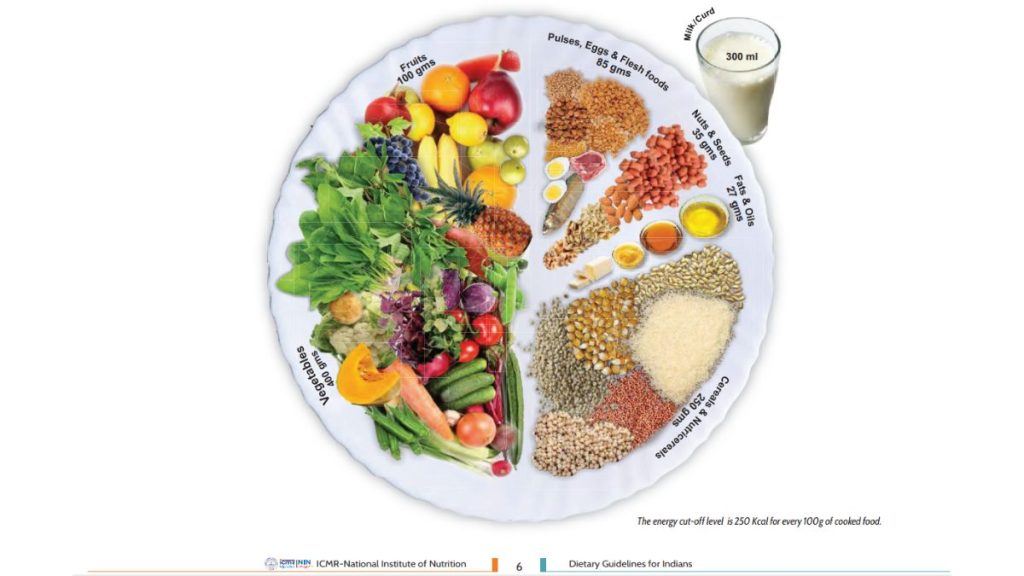
A normal healthy individual should consume about 100g of fruit and 400g of vegetables per day.
A gut-friendly eating pattern usually includes fibre from different sources. For example:
Each contributes differently to your overall diet. Rather than relying on one “constipation fruit,” think about building fibre across every meal.
The daily recommended amount of dietary fibre is 30g for men and 25g for women.
Think of fibre like a sponge. It works best when there’s enough water available. If you increase fibre but don’t drink enough fluids, you may not get the benefit you were hoping for.
That’s why constipation is rarely about one food in isolation. Hydration is part of the picture too. A normal healthy person needs to drink about 8 glasses (approximately 2 litres) of water, including beverages, per day. During very hot weather and while undertaking vigorous physical activity, this requirement increases as a considerable amount of water is lost through sweat.
Picture two people eating exactly the same meals. One walks regularly, drinks enough water and eats meals at fairly consistent times. The other spends most of the day sitting, skips breakfast and eats dinner late.
Even if both eat fruit, their digestive routines may not feel the same. Your gut pays attention to habits, not just ingredients.
Don’t ignore the urge – yes, it’s something many of us do without thinking. You’re getting ready for work. The urge to use the bathroom appears. You decide you’ll go later. Hours pass…. Over time, repeatedly delaying bowel movements may make constipation harder to manage for some people.
Listening to your body’s signals is part of building a healthy routine.
When people search online for constipation remedies, they’re often looking for one magical solution. It’s either warm water, flax seeds, prunes, or papaya.
The reality is much more sustainable. Balanced meals that regularly include whole grains, vegetables, fruits, pulses, dairy products and adequate fluids are often more helpful than depending on one home remedy alone.
Whole grains contribute significantly to overall fibre intake. For example, Aashirvaad Namma Chakki 100% Khapli Atta provides about 11.4g of fibre per 100g, similar to whole wheat atta. Rotis made with it, alongside vegetables, dals, seasonal fruits and adequate hydration, can become part of a balanced eating pattern that supports digestive health.
Don’t find that one “superfood”; instead, build a plate that works together.
Try to incorporate the ‘My Plate’ concept by dividing your plate into four quadrants. Fill half of your plate with fruits and vegetables, and the other two quadrants with cereals and protein. A small quantity of dairy intake is recommended.
Another common mistake? Trying a remedy once and expecting overnight results.
Digestive habits often improve gradually. If you’re making changes, give your body some time to adjust.
Small habits repeated daily usually matter more than dramatic one-day fixes.
If constipation keeps returning, a simple diary can reveal patterns that memory misses. Use this constipation routine tracker:
| Day | Fruit | Vegetables | Whole Grains | Water | Physical Activity | Bowel Movement |
| Monday | ||||||
| Tuesday | ||||||
| Wednesday |
At the end of three days, ask yourself:
☐ Did I eat vegetables at most meals?
☐ Did I include whole grains?
☐ Did I drink enough water?
☐ Did I stay physically active?
☐ Did I skip meals or eat at unusual times?
☐ Did I ignore the urge to use the bathroom?
Looking at your routine as a whole often provides more useful clues than focusing on a single fruit.
Try this prompt:
“Here’s my three-day constipation tracker with meals, fruit intake, vegetables, whole grains, water, activity and bowel movements. Can you identify patterns that might explain why my constipation keeps returning, and suggest practical changes using everyday Indian foods?”
Sometimes the answer isn’t adding another home remedy, but understanding what your everyday routine is already telling you.
Fruit can be a valuable part of a gut-friendly diet, but it’s rarely the whole solution to constipation.
Your digestive system works best when fibre comes from a variety of foods, supported by enough fluids, regular movement and consistent eating habits. Instead of asking whether one fruit is “working,” take a step back and look at your entire routine.
Small improvements across your meals and lifestyle often do more than chasing one popular remedy after another.
Note: If constipation lasts for several weeks, keeps returning despite lifestyle changes, or is accompanied by severe abdominal pain, vomiting, blood in the stool, anal fissures and piles, unexplained weight loss or persistent changes in bowel habits, seek medical advice promptly rather than relying only on home remedies.
Disclaimer: This article is intended for general educational purposes only and should not be considered medical advice.
Fruit provides valuable fibre, but constipation is rarely solved by one food. Overall fibre intake across all meals, adequate hydration, physical activity, regular meal timings, and avoiding delaying bowel movements all work together to improve digestion.
ICMR recommends 30g of fibre daily for men and 25g for women, along with about 8 glasses (~2 litres) of water. Healthy individuals should consume around 100g of fruit and 400g of vegetables daily.
Fibre should come from varied sources including whole grains, green leafy vegetables, roots, tubers, pulses, legumes, nuts, and seeds. For example, Khapli atta provides ~11.4g of fibre per 100g to support balanced meals.
Spending long periods sitting, ignoring the urge to pass stool, eating at irregular times, changing routines, high stress, low fluid intake, and taking certain medications or having food intolerances can all contribute to recurring constipation.
Consult a doctor if constipation lasts several weeks, recurs despite lifestyle changes, or occurs with severe abdominal pain, vomiting, blood in stool, anal fissures, piles, unexplained weight loss, or persistent bowel habit changes.