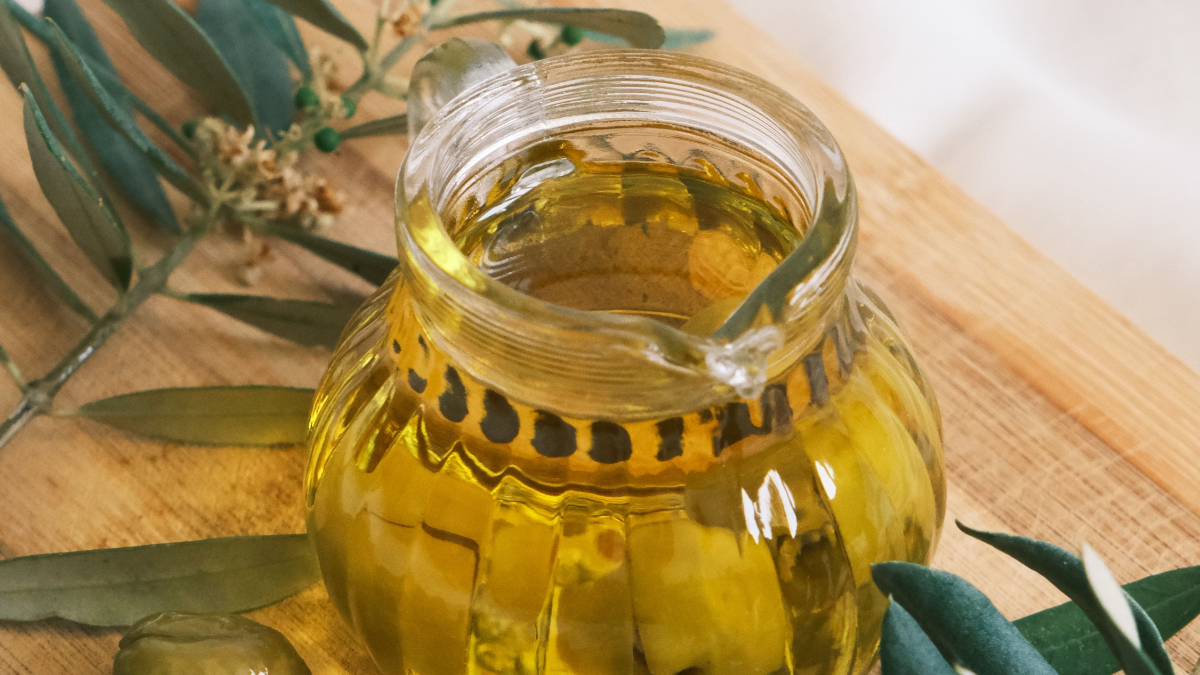
Kachi Ghani vs Refined Oil: What Processing Actually Changes
Flavour, heat tolerance, storage and price all enter the choice. Here’s where cold-pressed and refined oils fit in an Indian kitchen, and how I would choose between them.
Table of Contents
Neither is the villain. Cold-pressed oil keeps more of its flavour and some natural plant compounds, but often costs more and needs careful storage. Refining removes some of those compounds, but also reduces unwanted substances and often makes oil better suited to sustained heat. Its high temperatures can create unwanted compounds of their own. Use suitable cold-pressed oils where flavour matters and an oil intended for frying when sustained heat is needed. Both have a place, in limited amounts and from reliable, licensed sources.
Walk down the oil aisle and you’ll hear two stories. One says cold-pressed oil is pure, traditional and full of goodness, while refined oil is a chemical product stripped of everything useful. The other, quieter one says refined oil is clean, consistent and safe, while cold-pressed oil is an expensive indulgence. Both stories contain some truth, and both leave out the part that doesn’t suit them. What follows puts the missing parts back, so the choice can rest on how you actually cook rather than on whichever story the label happens to be telling.
Ghani is the traditional oil press: a heavy wooden or stone mortar with a pestle turned slowly, once by bullocks and now also by motor. In Tamil Nadu it’s the chekku, and wood-pressed oil is often sold as marachekku.
Kachi ghani most often describes traditionally pressed mustard oil, pungent and strong. It’s increasingly used loosely for other cold-pressed oils.
Cold-pressed means the oil was extracted mechanically without applied heat, though friction warms it somewhat. Expeller-pressed describes a mechanical extraction method; it does not, by itself, mean the oil was extracted without added heat.
Refined means the extracted oil has been cleaned up industrially, usually in stages known as degumming, neutralising, bleaching and deodorising. Some oils are also extracted with a food-grade solvent before refining, which gets more oil out of the seed. In oil refining, bleaching generally uses adsorbent materials such as clay to remove pigments and other substances, rather than household bleach.
It’s easy to present refining as pure loss. It isn’t. Crude oil straight from the seed contains free fatty acids, pigments, off-flavours, and sometimes contaminants such as pesticide residues and polycyclic aromatic hydrocarbons. Refining removes or reduces unwanted components, which is a genuine safety function rather than cosmetic tidying.
But refining also takes out things worth keeping. Some of the oil’s natural vitamin E can be lost along the way, along with much of its flavour and many of the plant compounds that give cold-pressed oils their character. The result is a pale, neutral oil that does a good job at high heat. It still provides fat and energy; refining does not strip away all nutritional value.
This is the part the refined-oil story tends to leave out. Deodorising, a late refining step, involves very high temperatures, and at those temperatures unwanted compounds can form. They include trans fats and processing contaminants called 3-MCPD esters and glycidyl esters. These can occur in several refined oils; the highest concentrations have typically been found in refined palm oil and palm olein.
These are real enough that the European Union sets maximum limits for these processing contaminants, and producers have developed methods to reduce them. Levels vary with the raw oil and processing conditions. They deserve proper controls, rather than blanket reassurance or alarm about every bottle of refined oil in the kitchen cupboard.
Cold-pressed oils have their own honest limitations.
Many tolerate high heat less well than their refined counterparts, but heat stability also depends on fatty-acid composition, antioxidants, cooking temperature and time. Extra virgin olive oil, for example, can be used for cooking. A ‘cold-pressed’ label alone cannot tell you whether an oil suits prolonged frying. Smoking kachi ghani oil in a deep-fry is using it for the wrong job.
Some have a shorter shelf life than their refined counterparts. Buy smaller bottles, store them away from heat and light, and follow the pack’s storage and after-opening instructions. A stale or paint-like off-smell is a reason to discard the oil. Bitterness alone is not proof of spoilage: it can be a normal, positive attribute of fresh olive oil.
They can cost considerably more.
Quality varies. Traditional and small-scale oils aren’t automatically better made, and loose, unlabelled oil is harder to trace. India’s own history includes the 1998 Delhi outbreak of dropsy linked to contaminated mustard oil. Buy properly labelled oil sold for edible use from a source with an FSSAI licence or registration, whatever the label promises. A licence is an important check, not a guarantee of purity on its own.
Oil labels use a handful of terms that sound more precise than they are. As with the words on a ghee jar, it helps to know what each actually describes. A quick guide:
The details that tell you more than any of these words are the less glamorous ones on the back: the FSSAI licence or registration number, the manufacturer’s name and address, the packing date and the best-before date. For a cold-pressed oil in particular, buy a quantity you can use while fresh, and check the storage instructions.
Cold-pressed oils can cost considerably more, and for many households that’s the deciding factor. The honest answer is that it depends on how you use it. Where flavour is the point, a tempering, a pickle, a chutney, a finishing drizzle, a small bottle of good cold-pressed oil goes a long way and is easy to justify. For prolonged deep frying, where much of that flavour is lost to heat anyway, paying a premium makes less sense. Many households split the difference: a smaller bottle of cold-pressed regional oil for everyday flavour, and a larger, cheaper refined oil for occasional frying.
Indian cooking happens to suit a two-oil approach well, because it uses fat in two very different ways.
Keep a cold-pressed regional oil for the dishes that depend on it, and a refined, neutral oil for higher-heat cooking. Matching the fat to the job also matters when choosing between ghee and butter.
Honestly, a small one. Processing affects flavour, stability and the plant compounds an oil carries, but the processing label alone does not predict how your stomach will feel. Oily, greasy foods can take longer to digest and trigger stomach pain or heartburn in some people. A heavily oiled or fried meal can sit heavily, whether the oil came from a wooden ghani or a refinery.
Excess oil use matters for overall health, too. Oils are energy-dense, and a generous pour can add more calories than you need. Using a cold-pressed oil does not make the amount irrelevant.
As a nutritionist, I’m aware of the advantages and disadvantages of both cold-pressed and refined oils. Given a choice, I would opt for a suitable cold-pressed oil where its flavour and retained natural compounds matter, and recommend it to my patients and clients for those uses. Minimal processing can help retain some bioactive compounds, antioxidants and naturally present vitamin E.
That preference is not because cold pressing automatically gives the same oil more monounsaturated or polyunsaturated fat. ICMR-NIN’s dietary guidelines explain that refining can reduce some minor components while largely retaining the fatty-acid composition. The oilseed or fruit, and the oil variety, do much of the work in determining the fat profile.
However, it’s also important to understand that cold-pressed oils are not always economical. Combining or rotating suitable oils lets us use both cold-pressed and refined oils in a balanced diet without making a hole in our pockets. Among refined oils, I would consider sunflower, rice bran, sesame and groundnut oils for appropriate cooking uses; they contain less saturated fat than coconut oil. Any oil should be used in limited amounts. Rotation should not become a reason to use more overall.
Cold-pressed isn’t magic and refined isn’t poison. Cold-pressed keeps more flavour and some natural compounds but may need gentler heat and careful storage. Refined removes some good things and some unwanted ones, handles heat well when the product suits the job, and can carry processing contaminants of its own. Use each for what it does best, buy both from licensed sources, and, as with every fat, use modest amounts of whichever you choose.
Disclaimer: This article provides general nutrition and food-safety information and is not a substitute for personalised medical advice, diagnosis or treatment. If symptoms continue, are severe, or keep coming back, it’s worth speaking to a doctor. If you’ve been advised to limit particular fats or calories for a health reason, follow your doctor’s or dietitian’s guidance. If you have a food allergy, check the oil’s source and processing and follow your allergy specialist’s advice.
It keeps more flavour and some natural compounds, including some vitamin E, but heat suitability and shelf life vary by oil. Refined oil loses some of those compounds but removes or reduces contaminants and can handle frying well. Both have advantages and disadvantages. A combination or rotation can be helpful, but any oil should be used in limited amounts.
Refining uses industrial steps, and its high temperatures can create small amounts of unwanted compounds. But it also removes contaminants from crude oil. It isn’t something to fear, just something to understand.
It is usually better suited to tempering, sautéing and pickles. For deep frying, a suitable refined oil generally tolerates the sustained high heat better. Follow the product’s directions, avoid smoking and do not repeatedly use the same oil for frying.
Smell it. A stale or paint-like off-smell is a reason to discard it. Bitterness alone is not a reliable test, especially for olive oil. Buy smaller bottles and store them tightly closed, away from heat and light, following the pack’s instructions.
Quality varies, and ‘local’ or ‘traditional’ does not establish purity. Prefer packaged, labelled edible oil from an FSSAI-licensed or registered source, with the maker’s details and dates. A licence alone is not a guarantee.