How to Stay Hydrated in Hot Weather: Food and Water Tips
When temperatures soar, hydration is about more than emptying a water bottle. Water-rich foods, regular fluids, your activity levels and even how much fibre you eat all shape what your body needs.
Hydration isn’t only about how much water you drink — roughly a fifth of the average person’s daily fluid intake comes from food. Water-rich fruits and vegetables such as cucumber, watermelon and tomatoes, along with foods and drinks such as curd and buttermilk, can contribute alongside your water bottle. Your needs also rise with heat, sweating and activity. And if you’re increasing fibre, paying attention to fluids becomes particularly important. Try the 7-day tracker to see your own pattern.
When temperatures soar, staying hydrated isn’t only about how much water you drink. Your body also gets fluids from the foods you eat, especially water-rich fruits and vegetables, and roughly a fifth of the average person’s daily fluid intake typically comes from food rather than drinks. So if you’ve ever struggled to keep drinking glass after glass of plain water on a scorching day, the good news is that hydration foods, timing and habits matter alongside the glass in your hand.
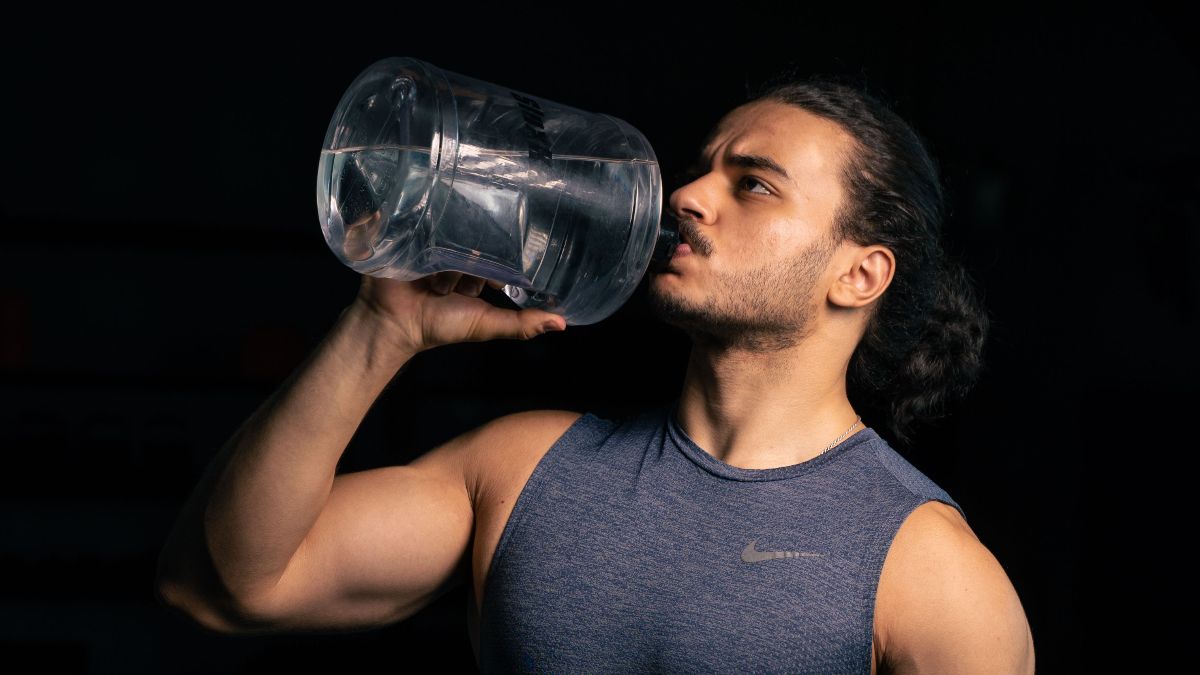
“Drink more water” is one of the first pieces of advice you hear when the weather becomes brutally hot. Good advice? Absolutely. Easy advice? Not always. Hydration isn’t just about carrying a giant bottle everywhere and judging the day by whether you managed to empty it. The foods you eat, the weather, your activity levels and how much you’re sweating all play a part in how much fluid your body needs. There isn’t one magic number that suits everybody every day.
How much of your daily fluid actually comes from food? Food is a genuinely significant source of hydration, not a minor top-up. Cleveland Clinic estimates that roughly one-fifth of an average person’s daily fluid intake comes from food rather than drinks. Cucumber is more than 96% water, lettuce is around the same range, tomatoes are roughly 95%, and watermelon about 92%. Indian vegetables such as bottle gourd and ash gourd can also fit naturally into a fluid-rich hot-weather plate. Source: Cleveland Clinic, Foods To Help Keep You Hydrated.
Hydration Is More Than a Water Bottle
Think about a typical blisteringly hot afternoon. You’ve been outdoors, sweating more than usual. You come home, drink two glasses of water in one go and assume you’re sorted. But hydration is easier to maintain when fluids arrive regularly through the day rather than after hours of barely drinking anything.
Many fruits and vegetables have a high water content, so lunch can quietly contribute too. Think cucumber, watermelon, muskmelon, tomatoes, oranges, bottle gourd, ash gourd and lettuce. A bowl of curd or a glass of homemade buttermilk can also sit comfortably within a balanced meal for many people. We aren’t asking you to replace water — just to remember that some of the fluid your body receives can arrive on a plate as well as in a glass.
A Familiar Hot Day: Kabir’s Water-Bottle Guilt
Kabir kept a large water bottle on his desk whenever the temperature climbed, refilled it dutifully, and still ended most days convinced he hadn’t had enough — mostly because he judged the whole day by how much was left in the bottle by evening.
Tracking a week properly showed him something he hadn’t expected. On days when lunch included cucumber or watermelon, there was buttermilk somewhere in the day and his snacks included fruit, his routine felt much more consistent even when the bottle wasn’t completely empty. On days built mostly around dry packaged snacks with very little fruit or vegetables, the pattern looked quite different.
Kabir had been tracking one number. The bottle was one input among several, not the whole scorecard.
Don’t Wait Until You’re Extremely Thirsty
Here’s something many of us do. We get busy, ignore the water bottle, then suddenly realise at 4 pm that we’ve hardly had anything to drink. By then, we’re gulping down glass after glass. A simpler approach is to let fluids show up regularly through the day rather than repeatedly relying on catch-up sessions.
And you probably don’t need exactly the same amount on a cool indoor day as you do after commuting, exercising or spending hours outdoors when temperatures are soaring. Heat and physical activity increase fluid losses through sweat. Illness, age, pregnancy, medications and individual health conditions can alter fluid needs too, which is why one universal number of glasses is less useful than it sounds.
Quick Self-Check: Are You Paying Attention to Hydration?
Signal
Worth noticing
Very little to drink today
A reminder to bring fluids back into the rest of your day
Been outdoors or exercising in the heat
You may be losing more fluid through sweat
Urine darker than usual
Dark yellow urine can be one sign that you need more fluids
Feeling unusually tired, dizzy or light-headed
These have many possible causes, but dehydration is one
Dry mouth
Another common sign worth checking alongside the rest of the picture
Urinating less often than usual
Can occur when you’re not taking in enough fluid
None of these on its own proves that you are dehydrated. But taken alongside a hot day, heavy sweating and very little fluid intake, they are useful prompts to pay attention. Dark yellow urine, reduced urination, tiredness, dizziness and a dry mouth are among recognised dehydration symptoms.
Don’t Forget What You’re Eating
Hydration and digestion often work together. If you’re increasing fibre by eating more fruits, vegetables, pulses and whole grains, fluids deserve attention too. Fibre and water interact in the digestive tract, and suddenly increasing fibre without adequate fluids can contribute to constipation or digestive discomfort in some people.
Whole grains such as rotis made with Aashirvaad Chakki 100% Khapli Atta can be one source of dietary fibre within the meal. Pairing fibre-rich foods with adequate fluids is a much more useful habit than treating either one as a standalone digestive fix.
It’s another reminder that healthy habits rarely work in isolation.
A Hot-Weather Plate Can Help Too
You don’t have to construct a special “hydration diet”. Look at ordinary meals and ask where naturally fluid-rich foods could fit.
Cucumber or tomato can join lunch. Lauki, tori or another gourd can become the sabzi rather than being treated as boring diet food. Watermelon, muskmelon, oranges or other juicy seasonal fruit can work as a snack. Curd can sit beside a roti-and-dal meal, and homemade buttermilk can be an easy drink if it suits you.
The point is not that any one of these foods hydrates better than water. Water remains the simplest and most important hydration choice. The point is that your diet can contribute too — which is considerably more practical than assuming every millilitre has to come out of one enormous bottle.
Try a 7-Day Hydration Tracker
Instead of guessing, spend a week noticing your habits.
Day
Water and other fluids
Water-rich foods
Time outdoors / activity
How you felt
Day 1
Day 2
Day 3
Day 4
Day 5
Day 6
Day 7
Also note:
Had fruit today?
Ate vegetables with lunch and dinner?
Had buttermilk or curd?
Felt bloated or constipated?
Had a headache, fatigue, dizziness or unusual thirst?
Spent longer than usual outdoors or exercising?
Was the weather substantially hotter or more humid than usual?
By the end of the week, you may notice patterns that have less to do with hitting an arbitrary bottle target and more to do with how consistently fluids and fluid-rich foods appear across your day.
Ask Happy Tummy GPT
Try this prompt: “Here’s my seven-day hydration tracker, including the fluids I drank, the water-rich foods I ate, how much time I spent outdoors, my activity levels and any digestive symptoms. Can you help me identify patterns and suggest simple ways to improve my hydration habits?”
Staying hydrated when temperatures are at their highest isn’t just about forcing yourself to drink more water. It’s about building hydration into your whole day.
Drink regularly, eat water-rich fruits and vegetables, include balanced meals and pay attention to how heat and activity affect your body. When the temperature skyrockets, good hydration is less about one heroic drink and more about small, consistent habits that help your body keep up.
Had enough fluids today? Log it and see how your week adds up.
FAQs
What are the best foods for hydration in hot weather?
Foods with a naturally high water content can contribute to hydration alongside drinks. Cucumber, lettuce, tomatoes, watermelon, muskmelon and oranges are useful options, while Indian vegetables such as bottle gourd and ash gourd can fit easily into everyday meals. Water should still remain your main hydration source.
How much of my daily fluid intake can come from food?
Roughly 20% of the average person’s total daily fluid intake can come from food, although this varies with the diet. Fruits, vegetables and other fluid-rich foods contribute alongside what you drink.
How much water should I drink when the weather is very hot?
There is no single number that is right for everybody. Fluid needs vary with body size, age, health, activity, weather and how much you are sweating, and they can rise substantially on very hot or physically active days.
Are buttermilk and curd good for hydration?
Both contain substantial amounts of water and can contribute to overall fluid intake as part of the diet. They should complement rather than replace plain water, and individual tolerance matters.
How can I tell if I may not be drinking enough?
Dark yellow urine, urinating less often, thirst, dry mouth, tiredness, dizziness or light-headedness can all occur with dehydration. These symptoms have other possible causes too, so they should be read in context rather than used as a self-diagnosis.
Is clear urine the goal for good hydration?
Not necessarily. Very pale or light-yellow urine is commonly used as one rough indicator of adequate hydration. You do not need to aim for completely colourless urine all day, and individual circumstances can affect urine colour.
Does eating more fibre mean I need more fluids?
Paying attention to fluids becomes especially important when you increase fibre. Fibre interacts with water in the digestive tract, and a sudden increase in fibre without adequate fluid can contribute to constipation or discomfort in some people.
Can water-rich foods replace drinking water?
No. They contribute to your overall fluid intake, but water remains the simplest primary drink for hydration. Think of water-rich foods as part of the day’s hydration pattern, not as a replacement for drinking.
Should I drink lots of water at once if I realise I’ve forgotten all day?
It is more practical to drink regularly across the day than to rely repeatedly on large catch-up sessions. If you have gone several hours with very little fluid, start drinking again steadily rather than treating the day as a challenge to finish an enormous bottle as quickly as possible.
When does dehydration need medical attention?
Confusion, severe or persistent dizziness, fainting, inability to keep fluids down, worsening symptoms or signs of heat-related illness warrant prompt medical attention. Severe dehydration can become dangerous, particularly in children, older adults and people who are already unwell.
Disclaimer: This article provides general food and nutrition information and is not a substitute for personalised medical or dietary advice.
You are now being directed to an external website https://www.callr.live/aashirvaadexperts/premium-plan.
This link is provided for your information and convenience only and ITC Limited is not
responsible for the contents or services provided by Brand Touch India or any information that
you share with Brand Touch India.