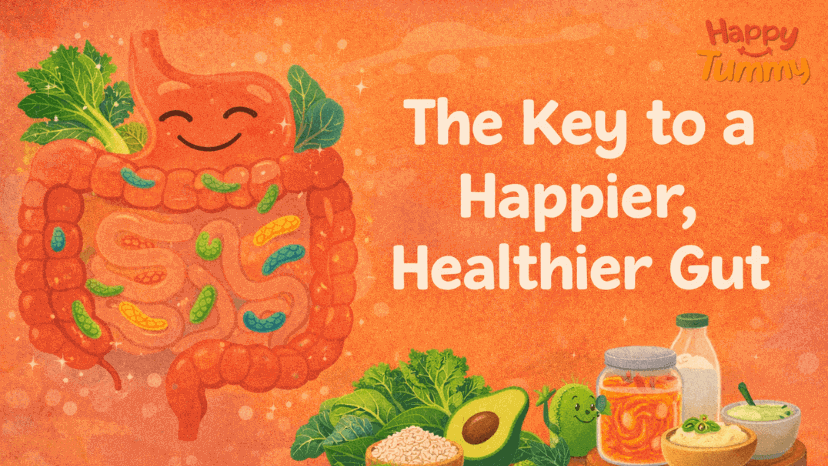


Power of Good Bacteria: The Key to a Happier, Healthier Gut
Boost your gut health with the 3 Fs: Feed, Fortify, and Flourish. Learn simple, effective habits to support your gut bacteria for better digestion and overall wellness.
Table of Contents
You all know about gut health, but how about this: the true secret to feeling better each day is not to avoid what is bad, but rather to increase the number of good bacteria that live inside you?
The unsung heroes of the microbiome, good bacteria have been known to do their day-and-night job, serving as silent supporters of digestion, nutrient absorption, detox pathways, the immune system, and even the quality of sleep.
In this blog, we’re taking a fresh approach to improving the good bacteria, rooted in a simple, memorable framework called the 3 Fs: Feed, Fortify, Flourish.
It is time to re-examine how you view your gut, not as an organ that just digests food, but as a living ecosystem within you that requires nourishment, protection, and development.
Feed — Give Good Bacteria What They Crave
Good bacteria do not just sit in your gut; they grow when given the right nutrients.
You should consider your gut microbiome as a garden: it will not reach its optimal size unless it receives water (basic sustenance) and appropriate food that will help it develop to its fullest potential.
When your gut bacteria become incapable of doing their job due to the lack of the necessary nutrients, you will experience issues with digestion, weaken your immune system, and even feel bad.
To maintain a healthy and balanced microbiome, it is important to feed your gut well, which, in turn, will help you digest, support a strong immune system, improve physiological functioning, and even support mental health[1].
The most effective foods to feed your beneficial bacteria are listed below:
Guts cannot do without fibre. When fibre moves through your gastrointestinal tract, it is not completely digested, but rather it gets to the colon, where intestinal bacteria ferment it to form short-chain fatty acids.
These fats support gut health, enhance immune function, and may help maintain normal bowel movements, cholesterol levels, blood pressure & weight management, as well as blood sugar levels[2].
Fibre-rich foods include:
Increasing the amount of fibre you eat may provide your gut with a steady supply of nutrients, supporting the growth and proliferation of beneficialbacteria.
Aashirvaad Atta with Multigrains has partnered with popular dietitians to launch theMy Meal Plan test. It identifies your daily fibre intake and then creates a diet that suits you.
Polyphenols are plant compounds that may support the growth of beneficial intestinal bacteria.
Your body does not digest them; instead, gut bacteria ferment them into useful compounds[3]. They are meant to manage inflammation, enhance immunity, and enhance gut health through promoting microbial diversity.
Polyphenols are natural and powerful antioxidants that play a vital role in promoting healthy gut bacteria.
Foods that contain high levels of polyphenols are:
An active, colourful combination of polyphenols keeps your gut healthy and resistant to inflammation, allowing your gut bacteria to flourish.
The benefits of gut-friendly foods can be maximised through food preparation. For example, fermented foods contain probiotics that may deliver live bacteria.
Fermented foods may aid the proliferation of beneficial bacteria by providing indispensable live cultures that promote digestion and immunity[4].
Fermented foods include:
Such fermented foods not only feed your microbiome but also help develop healthy bacteria that support a healthy gut.
Eating fermented foods, fibre, and polyphenols in your meals may help provide your good bacteria with the energy they need to grow, reproduce, and enhance digestion, the immune system, and overall well-being.
It is not just about feeding your good bacteria. The latter is to build a home in which they can grow and survive, accomplished by strengthening the gut lining and guarding against dangerous invaders.
Your gut lining is very important to your health, as this is where the good bacteria are located, and they interplay with your body.
A well-developed, robust, healthy intestinal lining supports the absorption of essential nutrients and may help prevent pathogenic bacteria from colonising the intestines[5].
Even well-fed bacteria will not survive in an environment that is too hostile[6].
The following are the ways of strengthening your gut and forming the optimum environment to allow bacteria to flourish:
Gut health depends on the gut lining[7]. Certain foods may strengthen the gut barrier, thereby helping manage leaky gut and inflammation[8].
By incorporating specific gut-healthy foods, you can enhance the integrity of this vital barrier, reducing the risk of leaky gut and inflammation, and ensuring long-term well-being.
Fortifying foods include:
Such foods not only feed your gut barrier but may also help manage irritation and inflammation, thereby promoting the growth of beneficial bacteria in a healthier environment.
The pH of your gut determines the growth of bacteria[9].
Beneficial bacteria can only grow in an acidic environment, which exists in the stomach and intestines[10].
pH-supporting foods:
These are easy supplements that may create the perfect habitat for the gut microbiome, promoting the growth of beneficial bacteria. However, these supplements should be taken under the supervision of a health care professional.
For more tips on nurturing your gut health and maintaining a balanced microbiome, check out this Top 10 Gut-Healthy Habits for a Happier, Healthier You. This guide will walk you through essential habits that support digestion, immune function, and overall wellness!
You have fed and strengthened your gut; now it is time to let your bacterial community grow. A healthy microbiome is neither single nor exclusive, but a mixture of bacterial strains that may interact to maintain intestinal health.
Among the things you must do to achieve the flourishing of good bacteria and maximise their functionality, there is promoting diversity in your gut.
Diversity is the presence of different strains of bacteria that can be used for various productive activities.
The more microorganisms in your intestines, the more resistant your gut will be to harmful microorganisms and the healthier your gut will be overall[11].
The methods of encouraging the development and multiplication of beneficial bacteria include:
Good bacteria, also called probiotics and prebiotics, may help maintain a balanced microbiome and support gut health. These are part and parcel of your diet, as they contain live bacteria that help repopulate your gut with good bacteria.
Probiotic Rich Foods:
Prebiotic Rich Foods:
Regular intake of these foods may help supplement the population of beneficial bacteria in your gut, aiding digestion and immunity.
It is like a garden full of all sorts of plants, and your gut would grow with a variety of foods.
Dietary fibre is the key nutrient for maintaining gut microbiota diversity.
Changes in the foods, particularly in vegetables, fruits, and legumes, will create a diverse microbiome better positioned to support a wide range of digestive functions and challenges.
Food variety tips:
A diverse diet is essential for maintaining a healthy microbiome in your gut and throughout your body.
Aashirvaad Atta with Multigrains created the Digestion Quotient. A 2-minute questionnaire about your digestive health will now let you self-assess your digestion.
Stress is bad because it kills the bacteria in your gut, leading to excess and harmful bacteria and a deficiency of good bacteria.
Stress can alter gut pH, reduce the amount of good bacteria, and even damage the gut lining.
Stress is a major issue that needs to be addressed to have a healthy stomach.
Stress-reducing practices:
With the focus on mental and emotional well-being, you will manage to turn your life into a stress-free area where good bacteria will have a chance to exist, which, in its turn, will result in better digestion, a healthy mood, and, consequently, a healthy life.
For a deeper understanding of how to nurture your gut health, explore The Ultimate Guide to Gut Health, which covers the connection between your gut and mental health and provides valuable insights into maintaining a balanced microbiome.
Replenishing your gut health is not about quick-fix solutions or the latest supplements; it is about feeding, nurturing, and fortifying the good bacteria that play an important role in your overall health.
By focusing on fibre, polyphenols, and probiotics, feeding your gut healthy foods, and promoting the growth of bacteria through diversity and stress reduction, you are creating a better, more efficient, and resilient digestive system.
But just keep in mind that whatever you eat for your gut starts with a well-balanced diet that promotes gut diversity.
When you are not sure which strategy best suits your personal needs, it is always a good idea to discuss it with a medical professional to customise a scheme that suits your body and lifestyle. Healthy gut, healthy life!
Eating a balanced diet rich in fibre, polyphenols, and probiotic foods is the best natural way to improve your gut health. Consume whole grains, fruit and vegetables, legumes, and fermented foods like yoghurt, kefir, and kimchi. Other factors of a healthy gut microbiome include managing stress, maintaining hydration, and getting sleep.
Yes, over an extended period, stress can disrupt the balance of good bacteria in your gastrointestinal system, leading to stomach issues, inflammation, swelling, and even depression. Stress management can be achieved through mindfulness, yoga, and deep breathing to mitigate the adverse effects on your gut health and establish a balanced microbiome. ,
It is always best to consult a health practitioner before making any major changes to your diet or taking any supplements, especially if you already have health problems. They would be in a position to help you choose the best way to meet your requirements for optimal gut health.