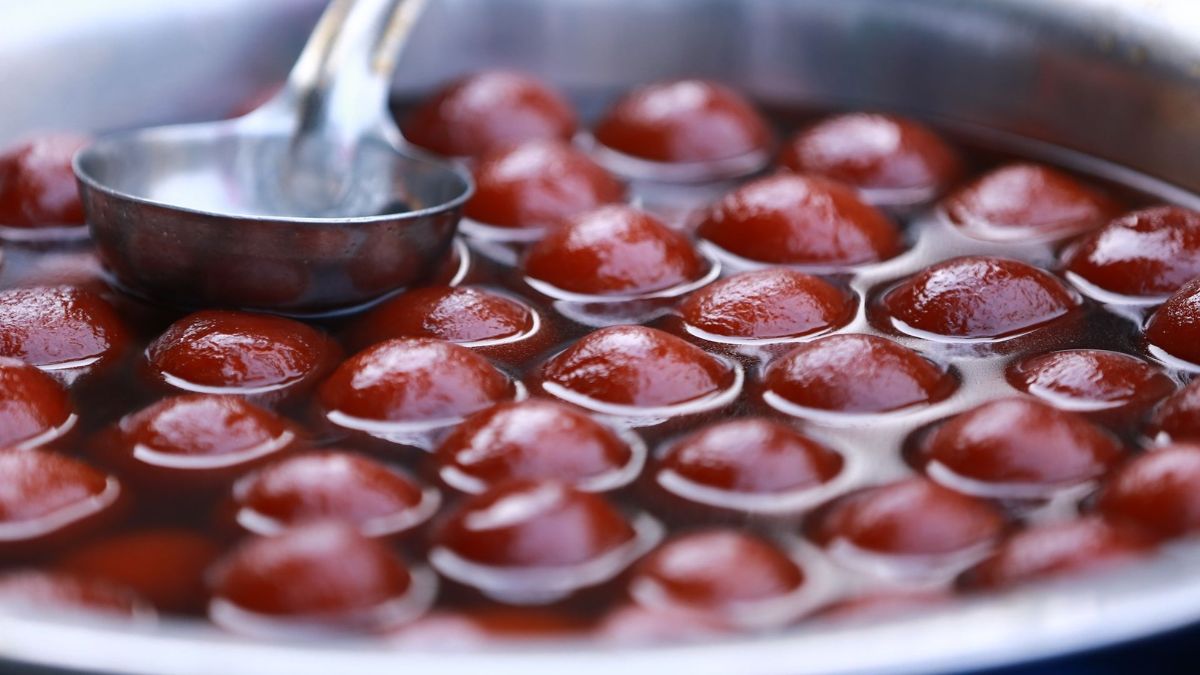
Quick Answer: Is gulab jamun healthy?
Gulab jamun is a rich, syrup-soaked Indian sweet, so it is best enjoyed occasionally and in a modest portion. The traditional version is made mainly from khoya, or reduced milk solids, with a little maida to bind the dough. The balls are deep-fried in ghee or oil and then soaked in sugar syrup, often flavoured with cardamom, rose water, kewra or saffron. Some recipes and instant mixes use milk powder instead of fresh khoya.
That combination makes gulab jamun high in added sugar and fat. It is not a food to rely on for nutrition, but you do not have to avoid it altogether. One small piece as part of a festive meal can fit into an otherwise balanced diet.
Gulab jamun is not a good choice when you have diarrhoea or an unsettled stomach. Its fried, fatty preparation may be harder to tolerate, and its milk solids can cause bloating, wind or cramps if you have lactose intolerance. During diarrhoea, prioritise fluids and oral rehydration if needed, eat when you feel able, and avoid fatty or spicy foods until you recover.
It can also trigger heartburn in people who are sensitive to rich or fried foods, especially when eaten close to bedtime. If you have diabetes, consider its sugar content and follow your clinician’s advice on portions. People with kidney disease should follow their individual renal diet advice rather than assume all sweets are automatically off-limits.
The short version: enjoy gulab jamun for the pleasure of it, not as a health food. Keep the portion modest, have it earlier rather than just before bed, and save it for when your stomach is feeling well.
What is gulab jamun made of?
It starts with milk, cooked slowly until much of the water evaporates and the milk solids, or khoya, remain. The khoya is kneaded with a little maida into a soft dough, rolled into balls and fried slowly in ghee or oil until golden. The hot jamuns are then soaked in sugar syrup flavoured with cardamom, rose water, kewra or saffron.
So, is gulab jamun made of maida? A little, usually, but khoya is the main ingredient. Is it made of milk? Yes. That also means the traditional version is not vegan. Some recipes and instant mixes use milk powder instead of khoya, so check the ingredient list if you are buying a mix.
Packaged mixes and shop-bought sweets can use different fats. Check the label or ask the sweet shop whether the jamuns are made with ghee, edible oil or vanaspati. FSSAI’s limit on industrial trans fats is 2% by mass of the total oils and fats present in a food product; that is not a guarantee that every product has the same fat composition. The type and quantity of fat used can vary.
Where does gulab jamun come from?
The name offers a clue to the sweet’s character. Gulab refers to rose, while jamun refers to the dark purple fruit whose shape the sweet resembles. The rose connection is often linked to the rose-water-scented syrup.
Its precise origins are debated. Gulab jamun is often associated with medieval India and Mughal-era cooking, and food historians have pointed to similarities with luqmat al-qadi, an older Middle Eastern sweet made from fried dough and syrup. The two are not identical, and there is no definitive proof of a single origin story. The popular tale that a cook in Shah Jahan’s kitchen invented gulab jamun is also not supported by reliable historical evidence.
Over time, the sweet developed a family of regional variations. Bengal has pantua and the darker kalo jaam; kala jamun is another familiar variation, usually fried longer for a deeper colour and firmer texture. Ledikeni, associated with Kolkata sweet-maker Bhim Chandra Nag and Lady Canning, is another close relative.
How does gulab jamun sit on your gut?
It can feel heavy, particularly when you have more than one. Gulab jamun is deep-fried, and a rich, fatty portion can take longer to leave the stomach and contribute to fullness or discomfort. It is also soaked in sugar syrup, adding a substantial amount of sugar in a relatively small serving.
The milk solids matter too. Khoya contains lactose, so people who have difficulty digesting lactose may experience bloating, wind or cramps after eating it. How much they can tolerate varies from person to person.
A small serving may sit comfortably with one meal and cause discomfort with another. The rest of the meal, the portion size and your own gut sensitivity all matter. If your stomach is already unsettled, this is one sweet worth postponing.
Is gulab jamun good for loose motions or an upset stomach?
No. Gulab jamun is not a suitable food to reach for when you have diarrhoea. It is fried and fatty, and health-service guidance advises avoiding fatty or spicy foods while you are unwell.
When you have loose motions, the priority is to replace lost fluids. Sip water regularly; oral rehydration solution (ORS) can help replace fluids and salts, particularly if diarrhoea is frequent. Eat when you feel able to, choosing foods you can comfortably tolerate. You do not need to force yourself onto a rigid list of bland foods, but it is sensible to leave rich, fried sweets until you have recovered.
Seek medical advice if you cannot keep fluids down, have blood in your stool, show signs of dehydration, or have diarrhoea lasting more than seven days or vomiting lasting more than two days. Children, older adults and people with existing health conditions may need medical advice sooner.
Can gulab jamun cause acidity?
It can, particularly if you are prone to heartburn or acid reflux. Fatty and fried foods are common triggers for some people, and gulab jamun has both. Eating close to bedtime can also make reflux more likely.
If you want to enjoy one, have it earlier in the evening rather than just before bed. Stay upright after eating and notice whether rich sweets reliably trigger symptoms for you. Triggers are individual, so there is no need to avoid a food simply because it affects someone else.
How does gulab jamun compare with other sweets?
- Gulab jamun vs rasgulla: Rasgulla is made from chhena and cooked in syrup rather than deep-fried. It therefore avoids the frying fat used in gulab jamun. Both are sweet and syrup-soaked, though, and their nutritional profiles depend on the recipe and serving size.
- Gulab jamun vs kala jamun: They belong to the same family. Kala jamun is generally fried longer or prepared in a way that gives it a darker colour and firmer texture. The ingredients are often similar, but oil and syrup absorption can vary.
- Gulab jamun vs pantua: Pantua is a close Bengali relative, also made from a milk-solid or chhena-based dough that is fried and soaked in syrup. Recipes and shapes differ, but both are rich sweets.
- Gulab jamun vs rasmalai: Rasmalai is not deep-fried, but it is served with thickened, sweetened milk. It is still a rich dairy-based dessert.
If you are choosing between gulab jamun and rasgulla, rasgulla avoids the frying step. That does not make it sugar-free or automatically the better choice for everyone. Portion size still matters.
How can I enjoy gulab jamun more lightly?
- Have one. A small serving after a meal is easier to fit into a festive day than grazing on sweets throughout the evening.
- Go smaller. Bite-sized jamuns give you the flavour without making the portion as large.
- Leave some syrup behind. You do not have to finish the syrup in the bowl or add an extra pour over the sweet.
- At home, use fresh frying oil. FSSAI advises limiting repeated heating and reuse of cooking oil. Its guidance says oil should ideally be used once for frying; used frying oil may be filtered and reused once for curries, rather than for another round of deep-frying.
- Use less syrup overall. If you are making gulab jamun at home, reduce the amount of syrup you serve with it. A thinner syrup does not automatically mean that each jamun absorbs less sugar.
How should I buy and store gulab jamun?
Gulab jamun is a milk-based sweet, so it has a shorter shelf life than many dry mithai. FSSAI guidance notes that milk-based sweets generally have a relatively short shelf life and need careful handling. Buy from a shop that maintains clean display and storage conditions, and ask when the batch was made and how it should be stored.
At home, refrigerate fresh gulab jamun promptly in a clean, covered container, and follow the shop’s storage advice. For packaged or tinned gulab jamun, follow the best-before date and storage instructions on the label. Once opened, transfer any leftovers to a clean covered container in the refrigerator and follow the manufacturer’s guidance on how soon to consume them. Do not assume that a sealed tin or a sweet kept in syrup will remain safe indefinitely.
A best-before date on loose sweets is not currently mandatory under the withdrawn 2020 direction: FSSAI withdrew that direction in November 2023, making the display voluntary or optional. It is still worth asking the shop about freshness and storage rather than relying on appearance alone.
Should anyone go easy on gulab jamun?
If you have diabetes, remember that gulab jamun is made with sugar syrup and is best treated as an occasional sweet. Your suitable portion depends on your overall meal plan, medication and blood-glucose management, so follow your doctor’s or dietitian’s advice.
If you have lactose intolerance, the khoya or milk powder may cause symptoms. If fried foods trigger your acidity, consider avoiding gulab jamun or having a small portion well before bedtime. People with kidney disease may have individual dietary restrictions depending on their condition and treatment; check with their renal dietitian or doctor rather than relying on general advice about sweets.
Sudden weight loss, blood in stool, severe or persistent pain, or difficulty swallowing need prompt medical attention. If digestive symptoms continue, are severe, or keep coming back, speak to a doctor.
For children, during pregnancy, or for older adults, follow a healthcare professional’s advice if there are ongoing symptoms or specific dietary concerns.
Sources
- FSSAI, Guidance Note on Safety and Quality of Traditional Milk Products
- District Administration, Ujjain: Gulab Jamun
- INFLIBNET, Traditional Indian Dairy Products: Khoa-Based Sweetmeats
- The Indian Express, Gulab Jamun: The Sweet That Travelled Across Empires and Centuries
- NHS, Diarrhoea and Vomiting
- NHS, Lactose Intolerance
- NHS, Heartburn and Acid Reflux
- Cleveland Clinic, Bloated Stomach
- FSSAI, Repurpose Used Cooking Oil (RUCO)
- FSSAI, Enforcement Notifications
- Business Standard, FSSAI Withdraws Order to Declare Best-Before Date on Loose Sweets
Disclaimer
This article is for general information only and is not a substitute for medical advice. If you have diabetes, kidney disease, acid reflux, lactose intolerance or ongoing digestive symptoms, follow your healthcare professional’s guidance.
FAQs
Is gulab jamun healthy?
Gulab jamun is a rich, fried sweet made with milk solids and sugar syrup. It can be enjoyed occasionally in a modest portion, but it is not a healthy food.
Is gulab jamun good for loose motion?
No. It is fried and fatty, so it is best avoided during diarrhoea. Prioritise fluids and ORS if needed, and eat foods you can tolerate until you recover.
Which is healthier, gulab jamun or rasgulla?
Rasgulla is not deep-fried, so it avoids the frying fat used in gulab jamun. Both are syrup-soaked sweets, and portion size matters.
Is gulab jamun made of maida?
Usually, a little maida is used to bind the dough, but khoya or milk solids are the main ingredient in the traditional version.
What’s the difference between gulab jamun and kala jamun?
Kala jamun is generally fried longer or prepared to develop a darker colour and firmer texture. The ingredients are often similar, but recipes vary.
Can people with diabetes eat gulab jamun?
Gulab jamun contains sugar syrup, so people with diabetes should follow their doctor’s or dietitian’s advice on whether and how much to have.