What to Eat After Navratri Fasting: A Simple Meal Guide
Your first meals after the vrat don’t need an elaborate plan. Familiar food, comfortable portions and enough water are a good place to start.
Table of Contents
If you’re wondering what to eat after Navratri fasting, the short version is a familiar, home-cooked meal: moong dal khichdi, or dal-chawal with lauki or tinda and some curd if it usually suits you. Keep the portion comfortable and drink water through the day. Your usual grains, dals, onion and garlic can return according to your tolerance and any prescribed diet. Let comfort guide richer meals, and skip detox drinks: your body already processes and removes waste.
Nine days of vrat food can shake up your appetite in unexpected ways. By the end of Navratri, you might find yourself longing for some comforting dal-chawal, or feeling so used to sama rice and singhara rotis that the idea of regular meals seems a bit strange. Either way, getting back to your usual food needn’t turn into another set of restrictions.
These suggestions are for a food-based vrat, in which you continued eating permitted foods. Follow any medical advice you were given about breaking your fast.
Navratri food traditions vary, so what changed on your plate matters more than the label “vrat food”. Some households leave out onion, garlic, wheat and pulses; others have a very different festive menu. Your portion sizes, meal timings and fluid intake may have changed too.
Nor is vrat food automatically low in fibre. Kuttu, samak, fruit and vegetables can all contribute some. If your meals centred on sabudana and potatoes, with fewer vegetables, fruits and pulses than usual, your fibre intake may have fallen. It depends on the whole thali, the portions and how the food was prepared. Vrat meals aren’t always lighter, mind you: kuttu puris and sabudana vadas can be fried and rich.
There isn’t a nine-day switch that makes familiar foods suddenly difficult to digest. But a very large, rich meal can leave you uncomfortable, whether it comes after a vrat or on an ordinary weekend. If your stomach feels sensitive, a smaller first helping is a useful place to begin.
You don’t have to go all out for your first dinner after Navratri. Think moong dal with plain rice, a simple vegetable like lauki or tinda, and a small bowl of curd if it agrees with you. A roti with dal and sabzi works too. Choose something you normally enjoy and tolerate rather than searching for one perfect post-fast food.
Khichdi is a comforting option when you want a soft, familiar meal. It combines rice and moong dal in one pot, and you can keep the seasoning as mild as you prefer. A small drizzle of ghee on top adds flavour and makes it feel like a proper meal rather than a recovery dish.
Serve a portion that matches your appetite, eat without rushing, and pause before taking seconds. If you are still hungry, you can have more.
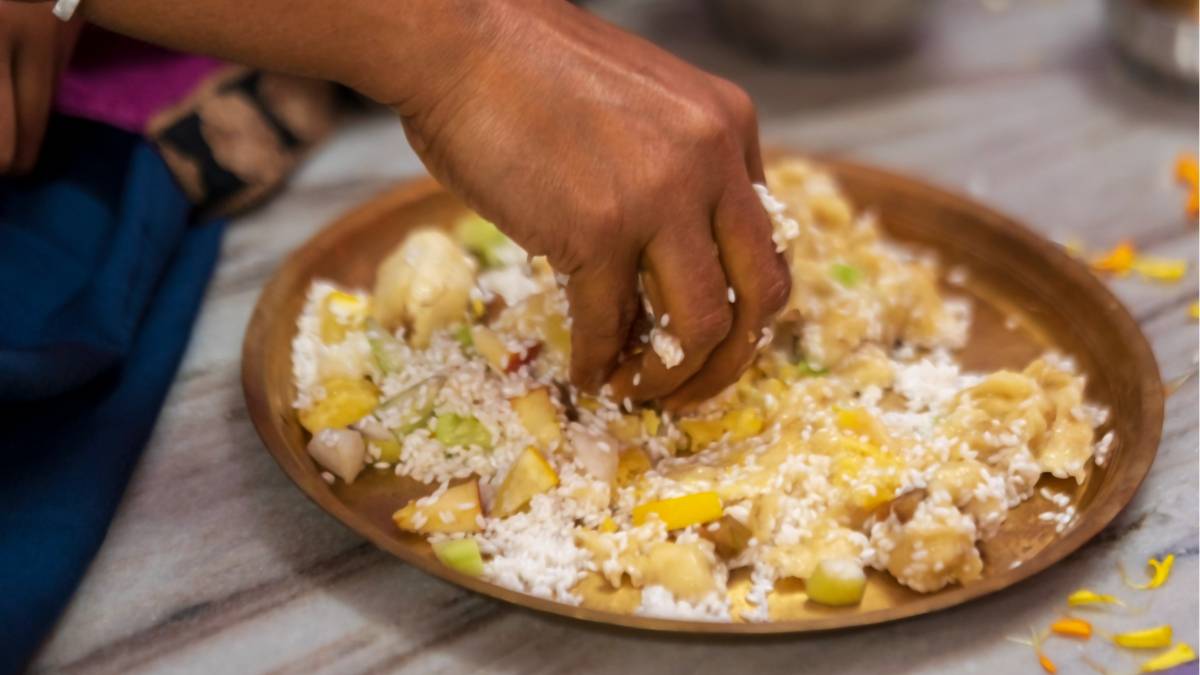
For many families, the first non-vrat meal is the kanya pujan prasad: halwa, puri and kala chana, eaten on Ashtami or Navami. That’s tradition, not a mistake, and there’s no need to skip it simply because the fast has ended. Enjoy a helping, eat slowly, and make your next meal the simple one if that feels right.
Kala chana contributes fibre and protein, but a large helping of pulses can also cause gas in some people. If you feel a little full afterwards, a short, gentle walk may help with bloating or trapped wind.
If you have avoided onion and garlic during Navratri, you don’t need to treat their return as a big event. If they normally agree with you, add them back in the amounts you usually use in your cooking.
Both contain fructans, fermentable carbohydrates that can bother some sensitive stomachs. Cooking changes their flavour and texture, but doesn’t reliably remove those carbohydrates. Onion or garlic cooked into dal is therefore not a guaranteed solution for someone who reacts to them.
If you felt less bloated without onion and garlic, pay attention to the whole meal when your usual routine returns. Portions, wheat, pulses, dairy and meal timings may have changed alongside the tadka. Repeated symptoms are worth discussing with a doctor or dietitian rather than putting more and more foods on a permanent avoid list.
Wheat rotis, rice and everyday dals like toor, masoor and chana can return if they normally suit you and fit your dietary advice. If you ate much less fibre than usual, though, increase it gradually rather than making the first meal an unusually large bowl of rajma or chana.
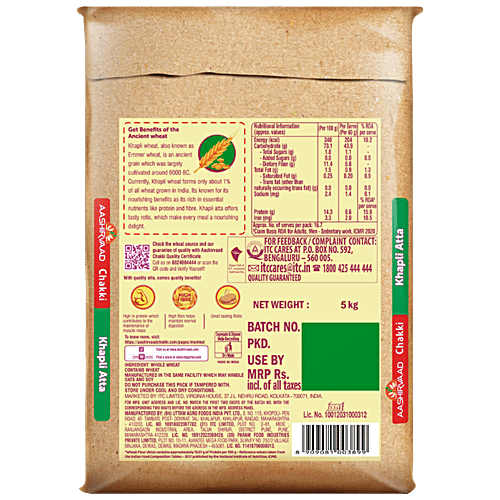
Your everyday atta can be part of that comeback. The Indian Food Composition Tables list ordinary whole-wheat atta with roughly four times the fibre of maida, comparing equal weights of uncooked flour. Khapli atta, including Aashirvaad Chakki Khapli Atta, is another whole-wheat option; ordinary whole-wheat atta offers comparable fibre.
The nutrition label for Aashirvaad Chakki Khapli Atta lists 11.4g fibre per 100g flour. If two rotis use 60g of that flour in total, they contribute approximately 6.8g by calculation. Larger or smaller rotis will contribute different amounts, so the flour quantity matters more than the roti count alone.
Fluids matter alongside the fibre. As NIDDK’s guidance explains, drinking enough helps fibre work well and keeps stools softer. Keep drinking through the day as you return to familiar meals.
If you have been dreaming about paneer butter masala or your favourite biryani for the last week, that craving is real and you can enjoy it. There is no need to frame the first regular meal as a test of discipline.
The practical suggestion is portion size. Rich restaurant-style dishes can contain a lot of oil, ghee, cream or salt, but the recipe matters; home cooking can be rich too. A very large helping may leave you uncomfortable, and high-fat foods can increase bloating in some people. Order or serve an amount you can enjoy comfortably, then see whether you actually want more.
If your stomach already feels unsettled, have a simpler meal and save the chole bhature or mutton curry for when you feel comfortable. Let your appetite and how you feel guide the timing.
If you drank less during the vrat, getting back to regular meals is a good moment to pay attention to fluids. The ICMR-NIN Dietary Guidelines for Indians 2024 use about eight glasses, approximately two litres, a day from water and other beverages as a guide for a healthy person. That includes other drinks; it isn’t two litres of plain water on top of everything else.
The guidelines note that needs rise in very hot weather and with vigorous activity. Your health and any prescribed fluid restriction matter too, so follow individual advice rather than forcing a fixed amount.
Plain water is the most straightforward option. Nimbu pani, coconut water or lassi can add variety if they suit you; go easy on added sugar, and remember that dairy or acidic drinks may bother some people. None needs to be given a special “cleansing” job.
No. There is no need for a special detox drink, tea or cleanse after Navratri. Your liver, kidneys and other organs already process and remove waste. The British Dietetic Association explains that commercial detox plans are not a substitute for those normal bodily processes.
A 2015 review of detox diets found very little clinical evidence supporting them, and NCCIH’s evidence summary likewise reports no compelling research supporting their use to eliminate toxins or manage weight. Returning to balanced meals and enough fluids is a more useful next step than buying a post-festival cleanse.
Festive dinners tend to run late, and lying down soon after a large meal can make heartburn worse. If you are prone to it, the NHS advises leaving three to four hours between eating and going to bed. Keeping your evening meal comfortable in size can help too.
Return to familiar meals, give yourself time to eat them, and keep the amounts suited to your appetite. A little common sense goes further than a strict post-Navratri diet chart.
Disclaimer: This article provides general food and nutrition information and is not a substitute for personalised medical or dietary advice. It addresses returning to meals after a food-based Navratri vrat, rather than prolonged fasting with little or no food. Follow any prescribed dietary or fluid restrictions. If you have diabetes or another health condition and changed your medicines or eating routine for the fast, speak to your doctor about returning to your usual plan. Seek medical advice for persistent or recurring digestive symptoms.
Choose a familiar meal such as moong dal khichdi, dal-chawal with a cooked sabzi, or roti with dal and vegetables. Include curd if it usually suits you. Keep the first helping comfortable, eat slowly and drink fluids through the day.
After a food-based vrat, you don’t need a fixed waiting period for eggs, fish or chicken you normally eat. Follow your own religious customs and medical advice. If your stomach feels sensitive, choose a simply cooked portion rather than a large, rich meat curry.
Yes, if it suits your health needs and family’s practice. Enjoy the prasad in a portion you are comfortable with, eat slowly, and choose a simpler next meal if you prefer.
There is no universal day-one or day-two timetable after a food-based Navratri vrat. Let your usual tolerance, appetite and any prescribed diet guide you. If your stomach feels unsettled, keep portions smaller and choose familiar preparations rather than forcing a heavy meal.
No special detox is needed after the usual food-based Navratri vrat. Your body has its own systems for processing waste. Regular balanced meals and adequate fluids are a more useful focus than detox teas, juices or restrictive cleanses.
A larger meal, more fibre, richer food or familiar ingredients that trigger symptoms can all play a part. Smaller portions, slower eating and gentle movement may help. If bloating persists or keeps returning, speak to a doctor. Seek urgent medical care for sudden severe abdominal pain.