Is Rasgulla Healthy? Nutrition, Gut Health & Diarrhoea
Soft, spongy and swimming in syrup, rasgulla is the one sweet many of us think of as light. Is it? What’s in it, how it sits on your gut, and whether it really helps when your stomach is upset.
Table of Contents
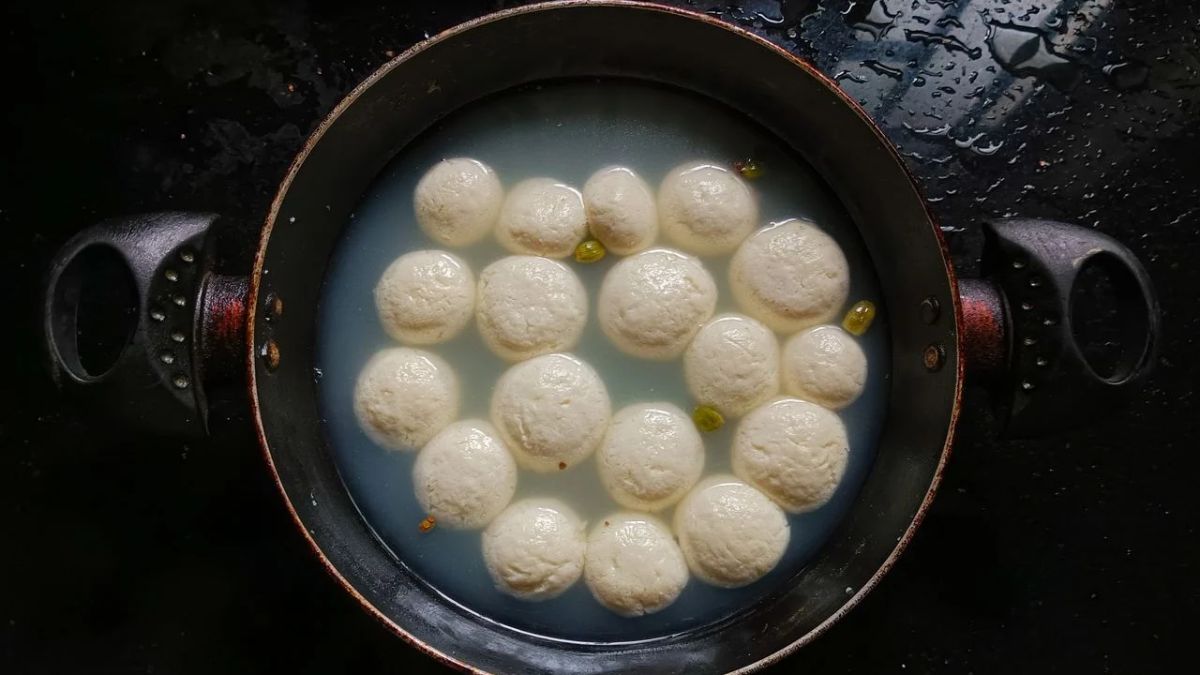
Rasgulla is relatively low in fat compared with many fried or ghee-rich Indian sweets, but it is still a sugar-rich dessert. It is made from chhena, a fresh curd cheese prepared by curdling milk, shaping the drained curds into small balls and cooking them in sugar syrup. Unlike gulab jamun, rasgulla is not deep-fried.
Chhena contributes some protein, but the syrup adds a substantial amount of sugar. The exact nutritional content varies with the recipe, size of the sweet and amount of syrup. A small rasgulla can fit into a festive meal, but having several in one sitting can add up quickly. Squeezing out the syrup may reduce some of what you consume, but it does not make the sweet sugar-free.
Rasgulla is not a remedy for loose motions, acidity or jaundice. If you have diarrhoea, the priority is replacing lost fluids and salts, including with oral rehydration solution (ORS) when needed. Eat simple foods as tolerated and wait until you are recovering before considering a sweet. If you have acidity or reflux, individual triggers vary; rasgulla may suit some people better than fried sweets, but it can still cause symptoms.
Because it is made from milk, rasgulla may also cause bloating, wind or cramps in people with lactose intolerance. People with diabetes should account for its sugar content, while those with kidney or liver disease should follow their clinician’s dietary advice.
In short, enjoy rasgulla as a sweet, not as a health food or a digestive fix. Portion size, personal tolerance and how it is stored matter.
Just milk, sugar and patience. Milk is curdled with lemon juice or a little whey to make chhena, which is drained and kneaded until smooth. Some recipes add a little semolina to help with the texture. The dough is rolled into small balls and dropped into boiling sugar syrup, where the rasgullas puff up and absorb the syrup as they cook.
Two questions come up a lot. Is rasgulla made of paneer? Almost. Chhena and paneer both start with curdled milk, but paneer is pressed into a firm block, while chhena is generally kept softer and kneaded for sweets. Is rasgulla fried? No. It is cooked in sugar syrup, not deep-fried. That makes it different from sweets such as gulab jamun, though it does not make rasgulla low in sugar.
That depends on whom you ask. The origin of rasgulla has been genuinely disputed between Odisha and West Bengal, and both have their own food traditions around it.
Odisha traces rasagola to Puri, where an older version is associated with the Niladri Bije ritual that follows the Rath Yatra. Pahala, between Bhubaneswar and Cuttack, is particularly known for its rasagola. West Bengal credits the spongy white rasogolla familiar across the country to Kolkata confectioner Nobin Chandra Das, who is said to have developed it in 1868.
Both states have geographical indication (GI) registrations for their versions: Banglar Rasogolla received its registration in 2017, and Odisha Rasagola in 2019. These registrations recognise the regional products; they do not settle every question about the sweet’s earlier history.
The family has since grown to include rajbhog, kamalabhog, cham cham, baked rosogolla and winter versions made with nolen gur. Whichever one you love, the way it sits on your gut depends on its ingredients, portion and your own tolerance.
Rasgulla may feel lighter than many mithai because it is not deep-fried and generally contains less fat than sweets made with generous amounts of ghee, khoya or nuts. But that is a comparison of preparation and ingredients, not a guarantee that it will be easy for everyone to digest.
The catch is the syrup. Rasgulla is cooked in sugar syrup, and the amount you consume increases when you have several pieces or drink the syrup along with them. It is also a milk-based sweet. People who do not digest lactose well may experience bloating, wind, tummy pain or diarrhoea after eating it.
If dairy usually agrees with you, a small portion may be fine. If it regularly leaves you uncomfortable, pay attention to your own response rather than assuming that a soft, spongy sweet must be gentle on the stomach.
No. Rasgulla is not a remedy for diarrhoea, even if it is sometimes recommended as a gentle sweet at home. When you have loose motions, the priority is to replace lost fluids and salts. Drink fluids regularly, and use ORS when appropriate, particularly if you are losing a lot of fluid.
Eat when you feel able to. Simple foods such as rice, toast, potatoes and other easy-to-digest meals may be more comfortable while your stomach settles. Avoid very fatty or spicy foods if they worsen your symptoms.
Rasgulla is still a sweet soaked in sugar syrup. It will not stop diarrhoea or treat its cause. If you are recovering and feel ready for your usual foods, you can decide whether a small portion suits you, but it should not replace fluids, ORS or appropriate medical care.
Seek urgent medical advice if you cannot keep fluids down, have blood in your stool or show signs of dehydration. Contact a healthcare professional if diarrhoea lasts more than seven days. Children, older adults and people with underlying health conditions may need advice sooner.
Rasgulla is not a treatment for acidity or other gastric problems. Because it is not fried, it may suit some people better than fried sweets. But reflux triggers vary: a food that causes no trouble for one person may bring on symptoms in another.
If you experience heartburn, notice how you respond to rasgulla and keep the portion modest. Avoid eating a large amount close to bedtime, since reflux symptoms can worsen when you lie down soon after eating.
The main differences are in their ingredients and preparation. They do not establish a universal health ranking.
Whichever one you choose, portion size and the rest of your meal matter more than a simple label of “healthier”.
Fresh rasgulla is a milk-based sweet, so refrigeration matters. FSSAI’s illustrative shelf-life guidance places rasgulla among Bengali milk sweets that should be refrigerated and consumed within two days of manufacture. Treat this as a practical guide for fresh sweets, and follow the sweet shop’s or manufacturer’s instructions if they specify a shorter period.
At home, transfer loose rasgullas to a clean, covered container and refrigerate them promptly. Avoid leaving them at room temperature for long periods, especially in warm weather.
For commercially canned rasgulla, check the best-before date and storage instructions on the tin. Once opened, refrigerate leftovers in a clean, covered container and follow the manufacturer’s guidance on how soon to consume them. Do not assume that an unopened tin or an opened tin will keep indefinitely.
If buying loose sweets, ask when they were made and how they have been stored. FSSAI currently allows shops to display a best-before date on loose sweets voluntarily; it is not mandatory under the withdrawn 2020 direction. Avoid sweets with an unusual sour smell, visible mould or other signs of spoilage.
If you have diabetes, remember that rasgulla contains added sugar despite its relatively low-fat profile. Follow your doctor’s or dietitian’s advice on how to fit sweets into your eating plan.
If you have lactose intolerance, rasgulla may cause bloating, wind, cramps or diarrhoea. Your tolerance can depend on the amount you eat, so follow the advice you have received from your healthcare professional.
If you have kidney or liver disease, follow the dietary guidance given by your doctor or dietitian rather than relying on general advice about sweets. Rasgulla does not treat jaundice. Yellowing of the skin or whites of the eyes can be a sign of a serious underlying condition and needs urgent medical assessment.
Seek medical advice if digestive symptoms are severe, persistent or keep returning. Blood in the stool, significant dehydration or severe abdominal pain should not be managed by changing your mithai choices alone.
This article is for general information only and is not a substitute for medical advice, diagnosis or treatment. If you have diabetes, lactose intolerance, kidney or liver disease, persistent diarrhoea, acidity or another digestive condition, consult your doctor or registered dietitian for advice suited to your needs.
Rasgulla is relatively low in fat compared with many fried or ghee-rich sweets, but it is still a sugar-rich dessert. A small portion can fit into a festive meal.
Rasgulla is not deep-fried, while gulab jamun is. Rasgulla generally contains less frying fat, but both are sugar-rich sweets and portion size matters.
No. It does not treat diarrhoea. Replacing lost fluids and salts, using ORS when needed and eating simple foods as tolerated are more important.
No. Rasgulla is made from chhena and cooked in sugar syrup. It is not deep-fried like gulab jamun.
It is not an acidity treatment. It may suit some people better than fried sweets, but reflux triggers vary. Keep portions modest and avoid eating close to bedtime if that worsens your symptoms.
No. There is no evidence that rasgulla treats jaundice. Yellowing of the skin or eyes needs urgent medical assessment to identify the cause.