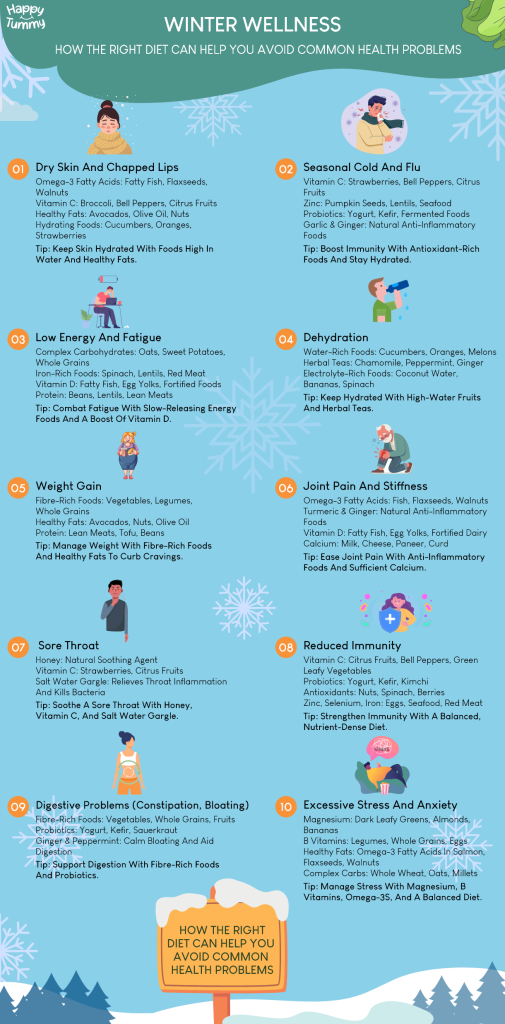
With the onset of winter and its cold, a feeling of comfort sets in: warm blankets, hot beverages, and the assurance of the cozy season. However, as temperatures decrease, our bodies are often exposed to new issues: dry skin, seasonal flu, fatigue, and poor digestion.
The proper diet can be your ultimate defence against winter hurdles to health, just as we layer up well to keep ourselves warm in the cold. Imagine this: a dish of rich, colourful, and nutritious foods that fortifies your immune system, boosts your energy levels, and keeps your skin healthy and shiny.
The foods you eat in winter will matter, and vice versa, you will be guaranteed of being strong, healthy, and willing to take everything that this season has to offer.
With this guide, you will learn how to manage the most typical winter health issues with a single bite at a time through a simple change in the way you eat.
Common Winter Health Problems and How the Right Diet Can Help
Along with seasonal colds and dry skin, winter brings a host of typical health concerns, and no wonder we are not at our best. Nevertheless, through good food choices, you could boost your immune system, increase energy level, and have your body running at its best during the colder months.
1. Dry Skin and Chapped Lips
With the onset of winter with its cold winds and dry weather, dry skin and chapped lips become old friends and annoying. The rough outdoors and indoor heating deprive the skin of its natural moisture, making it tight, cracked, and uncomfortable.
Areas such as the hands, feet, face, and lips are most exposed and are usually sore and irritated. Unless these problems are addressed, they may result in even worse skin damage or infection. Have no worries, but with the proper diet, winter skin ailments are manageable!
The food you consume is a significant factor in maintaining your skin’s hydration and softness, as well as in preventing it from becoming cold.
The following is the way you can feed your skin internally:[1]
- Omega-3 Fatty Acids: Omega-3 is found in fatty fish, flaxseeds, and walnuts, and it may also help keep the skin moist.
- Vitamin C: Broccoli, bell peppers, and citrus fruits may enhance the production of collagen and repair of the skin. It helps in wound healing. The recommended daily allowance for Vitamin C is 65 mg/day for females and 80 mg/day for males.
- Healthy Fats: Avocados, olive oil, and nuts may help maintain skin elasticity and prevent moisture loss.
- Hydrating Foods: Foods that are high in water, such as cucumbers, oranges, and strawberries, may help keep the skin hydrated.
- Zinc: Pumpkin seeds, lentils, nuts & seeds, seafood, and chickpeas may aid in healing the skin and help manage it from drying out. The recommended daily allowance for Zinc is 13.2mg/day for females and 17 mg/day for males.
- Vitamin E: Vitamin E is considered to be the most crucial liposoluble antioxidant in tissues. It may reduce the chances of wrinkling. Vitamin E can be found in vegetable oils, nuts, seeds, olives, and spinach.[2]
2. Seasonal Cold and Flu
Winter is associated with the dreaded cold and flu season. The drop in temperature and reduced sunlight can weaken the immune system, making us more susceptible to viruses.[3] Also, the dry air can run down the nasal passages, making it easier for infections to take root.
Various causes for cough include acid reflux, allergies, infections, or other underlying health conditions that may require medical assistance. These illnesses can be managed, though, by a sound immune system.
Diet Tips to Boost Immunity:[4]
- Vitamin C: Strawberries, bell peppers, and citrus fruits are beneficial in boosting the immune system. The recommended daily allowance for Vitamin C is 65 mg/day for females and 80 mg/day for males.
- Zinc: Zinc supports immunity through pumpkin seeds, lentils, nuts & seafood, and chickpeas. The recommended daily allowance for Zinc is 13.2mg/day for females and 17 mg/day for males.
- Probiotics: Yoghurt, kefir, and other fermented products enhance gut health, which is vital in immune defence.
- Garlic and Ginger: These are natural anti-inflammatory foods that may strengthen the immune system and help fight infections.
- Keep yourself hydrated: Drink a minimum of 8 glasses of water (you can have warm water )
- High-fibre diet: A high-fibre, plant-rich diet with plenty of fruits, vegetables, whole grains, and legumes appears to support the growth and maintenance of beneficial microbes. Certain helpful microbes break down fibers into short-chain fatty acids, which have been shown to stimulate immune cell activity.
- Protein: Include protein in your diet as it helps support the immune system. Some sources include pulses, lentils, milk, paneer, soybeans, eggs, lean meat, nuts & seeds, etc.
3. Low Energy and Fatigue
Winter days become so short and dark that you feel lethargic, uninspired, and in most cases exhausted. A lack of sunlight may reduce serotonin levels, making one feel psychologically low.[5]
Diet Tips to Combat Fatigue:[6]
- Complex Carbohydrates: Oats, whole grains, and sweet potatoes are sources of slow-releasing energy.
- Iron-Rich Foods: Spinach, lentils, and red meat are good for averting iron deficiency, which can contribute to fatigue. The recommended daily allowance for Iron is 29mg/day for females and 19 mg/day for males.
- Vitamin D: Fish fat, egg yolks, and fortified foods work to increase mood and energy, particularly on a sun-starved day. The daily requirement for Vitamin D is 600 IU (15 mcg) for both men and women.
- Include protein in your diet, as it helps reduce muscle weakness & fatigue. Some sources include pulses, lentils, milk, paneer, soybeans, eggs, lean meat, nuts & seeds, etc.
Try Aashirvaad Whole Wheat Atta, with its beautiful amber colour and solidity, since it is made with the finest grains. Aashirvaad’s atta is 100% Sampoorna Atta and contains no maida.
4. Dehydration
During winter, most of the time, people ignore the issue of dehydration since we are not as thirsty as we are in summer. However, moisture loss may occur even in a dry climate, leading to dehydration.
Diet Tips to Stay Hydrated:
- Foods High In Water: Cucumbers, oranges, and melons offer lost fluids.
- Herbal Teas: Chamomile, peppermint, and ginger teas will help you stay hydrated and calm your body.
- Electrolyte-Rich Foods: Coconut water, bananas, and spinach help balance hydration levels.
- Consume a minimum of 8 glasses of water (you can have warm water )
5. Weight Gain
Winter is associated with cravings for comfort foods and reduced physical activity, which may lead to weight gain.
Winter and colder days are more challenging to keep up with exercise, and heavier meals and more luxurious sweets tempt us.
Eating Habits to help avoid gaining weight:[7]
- Fibre-Rich Foods: Vegetables, legumes, and whole grains will keep you full and help you eat less. The Recommended Dietary Allowance (RDA) for fiber is 30g per day for men and 25g per day for women.
- Healthy Fats: Avocados, nuts, and olive oil help prevent cravings and support a healthy metabolism.
- Protein: Lean meat, tofu, and beans will aid in muscle building and maintain a high level of metabolism in your body. The Recommended Dietary Allowance (RDA) for protein is 54g per day for men and 46g per day for women.
- Engage in at least 30-45 minutes of brisk walking/physical activity of moderate intensity at least 5 days a week.
Aashirvaad Atta with Multigrains collaborated with renowned dietitians to develop the My Meal Plan test. The test determines how much fibre you eat per day and then creates a meal plan tailored to you.
6. Joint Pain and Stiffness
Cold weather may cause joint pain and stiffness, especially in people with arthritis or other musculoskeletal conditions.
Temperature decreases, leading to muscle contraction and inflammation, which can cause discomfort during movement.[8]
Diet Tips for Joint Health:
- Omega-3 Fatty Acids: Fish, flaxseeds, and walnuts help reduce joint inflammation.
- Turmeric and Ginger: Turmeric and Ginger are natural anti-inflammatory foods that relieve joint pains.
- Vitamin D: Fatty fish, egg yolks, and fortified dairy contribute to the betterment of joints. The Recommended Dietary Allowance (RDA) for Vitamin D is 600 IU (15 mcg) per day for both men and women.
- It is essential to meet calcium requirements for bone health, maintain Bone mineral density, and prevent the risks of osteoporosis and osteoarthritis. Some calcium sources include milk, cheese, paneer, ragi, curd, and yogurt. The recommended daily allowance for calcium is 1000mg per day for males and females.
7. Sore Throat
The throat will become scratchy and sore due to cold air and dry indoor heat. It is closely followed by coughing or congestion, something typical during the wintertime.[9]
Eating Healthy to the Throat:
- Honey: Honey has been shown to have a calming effect on a sore throat because of its antimicrobial properties.[10]
- Vitamin C: Strawberries and citrus fruits may be used to tone down the inflammation in the throat.[11]
- Salt Water Gargle: Gargling with salt water may help manage throat inflammation and kill bacteria, providing relief from a sore throat.
8. Reduced Immunity
Low temperatures, reduced sunlight exposure, and indoor isolation may undermine the immune system, leaving us more susceptible to infections and diseases.
Eating to boost Immunity:[12]
- Vitamin C: Citrus fruits, bell peppers, and green leafy vegetables may help strengthen the immune system.
- Probiotics: Fermented foods such as yoghurt, kefir, and kimchi may help keep the gut healthy. A healthy gut microbiota may help regulate metabolism and energy balance, and consuming bananas, garlic, yogurt, buttermilk, etc., which are good sources of probiotics and prebiotics, can help maintain a healthy gut.
- Antioxidants: Nuts, spinach, and berries may help manage oxidative stress and enhance immune function.
- A high-fiber plant-rich diet with plenty of fruits, vegetables, whole grains, and legumes appears to support the growth and maintenance of beneficial microbes. Certain helpful microbes break down fibers into short-chain fatty acids, which have been shown to stimulate immune cell activity.
- Zinc, selenium, iron, copper, folic acid, and vitamins A, B6, C, D, and E play vital roles in supporting the immune system in several ways: acting as antioxidants to protect healthy cells, supporting the growth and activity of immune cells, and producing antibodies.
- Include protein in your diet as it helps support the immune system. Some sources include pulses, lentils, milk, paneer, soybeans, eggs, lean meat, nuts & seeds, etc.
9. Digestive Problems (Constipation, Bloating)
During winter, the digestive system can be rather upset: constipation and bloating can occur, particularly because of a more nutritious diet and physical inactivity.
Digestion may be interrupted by the absence of fibre-rich foods and warm comfort foods.
Diet Tips for Digestive Health:
- Fibre-Rich Foods: Vegetables, whole grains, and fruits contain fibre that will regulate bowel movements.
- Probiotics: Yoghurt, kefir, and sauerkraut support gut health and digestion.
- Ginger and Peppermint: These are natural remedies known to calm bloating and support digestion.
- Avoid large, heavy meals, and practice portion guidance.
- Food should be eaten slowly and chewed thoroughly, as rapid eating triggers the gastric feeding reflex.
- Avoid lying down immediately after consuming your meal consumption
- An intake of at least 2 litres of water per day.
- A glass of hot water, preferably with lemon juice, early in the morning stimulates the gastrocolic reflex and helps ease constipation.
Aashirvaad Atta with Multigrains developed the Digestion Quotient. You can now determine your own digestion score with a 2-minute questionnaire that asks you questions about your digestive health.
10. Excessive Stress and Anxiety
The winter months often bring about increased stress and anxiety due to reduced sunlight, shorter days, and the physical impact of cold weather.
A lack of sunlight can lower serotonin levels, contributing to mood changes and feelings of isolation, while colder weather may also limit outdoor activities, further affecting mental well-being.[13] [14]
These emotional shifts can negatively impact overall health, including sleep quality and immune function. Stress is a complex phenomenon, and each individual has his/her own level of stress tolerance.
Multiple factors contribute to stress, including irregular sleep patterns, a sedentary lifestyle, current state of mind, and/or an underlying health condition. A nutritious, well-balanced diet can sometimes help improve stress management.
Eating in Stress Management:[15]
- Foods rich in magnesium: Dark leafy greens, almonds, and bananas are all consumed to relax the muscles and calm the nerves.
- B Vitamins: Legumes, whole grains, and eggs regulate mood and stress.
- Healthy Fats: Foods rich in omega-3 fatty acids, such as salmon, flaxseeds, and walnuts, can help reduce anxiety.
These nutrients play a particular and vital role in stress management:[16]
- Complex Carbohydrates: Whole wheat, millets, multigrain, wheat bran, oats, etc., help stabilize blood sugar levels, which can positively affect mood and stress levels.
- Proteins (Tryptophan, Phenylalanine, Tyrosine, Theanine): Good sources include milk, paneer, lean meat, eggs, lentils, soybeans, and nuts. These amino acids are involved in the production of neurotransmitters that regulate mood and stress responses.
- Vitamin C: Found in green leafy vegetables and citrus fruits, Vitamin C is known for its ability to reduce cortisol levels (stress hormones) and support immune function, which can help in managing stress.
- Vitamin B: Sources include meat, milk, eggs, beef, fish, poultry, whole grains, dark leafy greens (asparagus, spinach, Brussels sprouts), liver, peanuts, legumes, bananas, strawberries, and oranges. These vitamins are essential for brain function and energy production, helping to combat fatigue caused by stress.
- Magnesium: Found in plant foods like legumes, dark leafy green vegetables, nuts, seeds, whole grains, fortified cereals, and also in fish, poultry, and beef. Magnesium helps relax muscles and nerves, reducing stress and anxiety.
- Selenium: Present in seafood, organ meats, cereals, poultry, red meat, and eggs. Selenium plays a role in antioxidant defense and is linked to mood regulation and mental well-being.
- Dark Chocolate: Consuming dark chocolate reduces stress in two ways—its chemical impact and its emotional impact. Chocolate contains compounds that act on the brain, releasing endorphins and serotonin, which help reduce stress and improve mood. Limited intake is recommended for health benefits.
- Green Tea: Contains L-theanine, a protein that relaxes the brain, helping reduce stress and anxiety by promoting calmness and improving cognitive function.
- Prebiotics and Probiotics: Include prebiotics such as bananas, soybeans, and garlic, as well as probiotics like yogurt and buttermilk. These help maintain a healthy gut microbiome, which has been shown to influence brain neurochemistry, potentially treating anxiety and depression-related disorders.
Long Story Short
To sum up, it is important to eat a balanced diet rich in essential vitamins, minerals, and healthy fats to help manage common winter health problems.
Cold seasons are just around the corner, and you will be able to challenge the situation with the help of such foods that can assist your immune system, make your skin hydrated, and help boost your energy level.
It may be feeding your body with omega-3s and water-rich foods, or replenishing it with vitamins that strengthen immunity: the proper nutrition can be all.
It must be mentioned, though, that individuals do not need the same things, and particular care might be a good idea, as a healthcare professional could offer specific recommendations.
The best weapon against winter health problems is a balanced diet and good self-care.
Frequently Asked Questions
1. What should I do to keep my skin moist in winter? To maintain skin moisture, focus on the water content of foods like cucumbers and oranges, and use healthy fats like avocados and olive oil. Also, drinking plenty of water and using moisturisers can help lock in moisture. Use a good, synthetic, paraben-free moisturiser for tropical use.
2. Which foods should I eat to boost my immunity in winter? In the colder months, add foods rich in vitamin C, such as citrus fruits, bell peppers, and broccoli, as well as zinc-rich foods like pumpkin seeds and lentils, to strengthen your immune system.
3. What should I do to prevent tiredness and energy depletion in winter? To maintain your energy levels, you can consume complex carbohydrates, such as whole grains and high-iron foods like spinach and low-fat meat. You should also make sure you get sufficient vitamin D, which you can do by eating fatty fish or fortified foods to keep your energy levels up.
4. Which foods should I eat to avoid dehydration during winter? In addition to drinking enough water, be sure to include foods high in water content in your diet, such as cucumbers, melons, and citrus fruits. Herbal teas such as chamomile and ginger can help keep you hydrated and have a relaxing effect.
5. What can I do to manage joint discomfort and stiffness during winter? Fish, flaxseeds, and walnuts are also sources of omega-3 fatty acids that help manage joint inflammation. Turmeric and ginger also contain natural anti-inflammatories that may help soothe pain. Include potassium-rich foods to prevent muscle cramps & tightness.