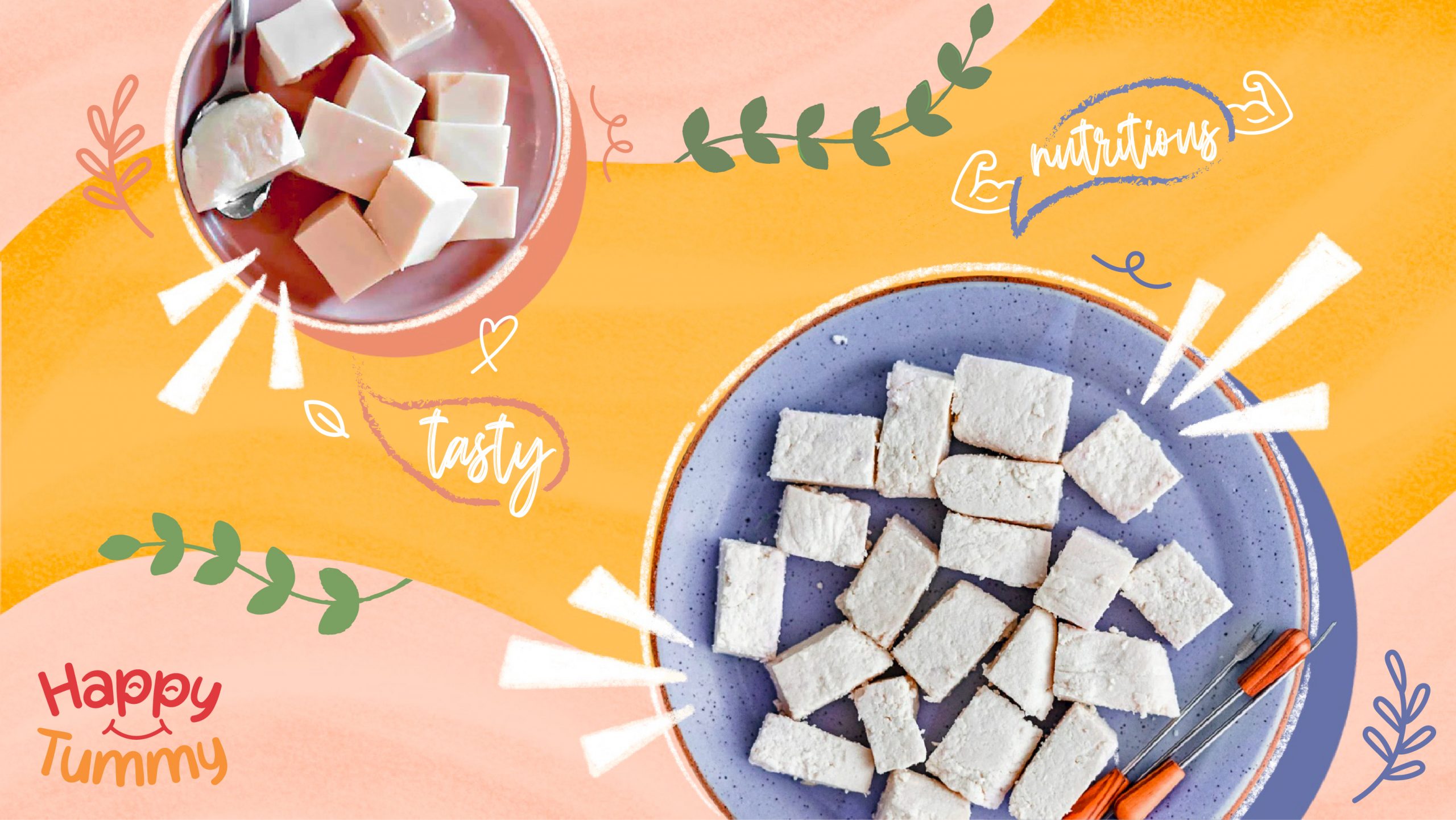
Because it contains several minerals, particularly calcium and phosphorus, as well as a reasonable amount of fat and protein, paneer has tremendous nutritional value, especially in the Indian vegetarian diet.
Simmer it, barbecue it, brisket or sauté it; paneer will never fail to impress you. It is an unequalled blend of deliciousness and health benefits. It melds into several different platters.
Also, you may incorporate raw paneer into your lettuce by adding some of your preferred vegetables, rock salt, and crumbled black pepper. In fact, you can use it as a main course, a dessert, or even an appetiser!
Cow paneer is often used to add protein to vegetarian dishes or to offset the blazing heat of spicy curries. Paneer is a staple in Indian cuisine and a great source of protein for vegetarians. The result is paneer when milk is emulsified with a food-grade acid, such as citric acid, vinegar, sour curd, or lemon juice. It is unscented, milky, crisp, and crunchy.
The texture of the raw paneer is tight, stiff, and coherent, with a marble-white sheen. Raw paneer’s flavour is sweetish-acidic-nutty. Besides calcium and protein, not much else comes to mind when considering paneer’s nutritional value.
However, humble cheese is much more than just a modest dairy product. Here are a few reasons to include these mushy chunks in your diet.
Nutritional Profile of Panner (Protein Per 100 g of Paneer)
Let us explore the protein content of 100 g of paneer and understand why paneer is so much more than a delicious addition to your meals. As per the USDA, 100 grams of paneer has the following nutrition [1]
Nutrient
Amount (per 100 g)
Calories
299 kcal
Protein
15.86 g
Total Fat
15.52 g
Magnesioum
58 mg
Sugars
23.33 g
Calcium
597 mg
Sodium
185 mg
Potassium
728 mg
Phosphorus
490 mg
Health Benefits of Paneer
When it comes to healthy food, paneer is your best friend.
Paneer is not only a meal but also a nutritional tank. Paneer is a step towards a healthier meal, whether you are boosting your energy or strengthening your bones.
The following are the health advantages of consuming paneer:
1. Paneer for Weight Management
Paneer can support weight management when portion-controlled and incorporated into a calorie-balanced diet. Since it is high in protein, it may help you feel full longer. This may also help keep hunger in check, making it easier to track your calories.[2]
Gym-goers, particularly those targeting muscle growth, enjoy paneer for its protein.
Incorporating paneer into a balanced diet can be a nutritious choice for both weight management and muscle development when consumed mindfully.
2. Does Paneer Promote Weight Loss?
Paneer is popular among dieters trying to lose weight, connoisseurs of healthy foods, and athletes because it contains casein, a form of protein that makes people feel satiated for longer.
Those who lift weights at the gym must consume large amounts of protein. In addition to being a fantastic source of protein due to paneer’s high nutrition content, it also helps to stave off hunger.
It also helps to improve body metabolism because the insulin level is managed.
Cow Paneer is an excellent alternative to traditional cheese because it has fewer calories, making it ideal for anyone attempting to reduce weight.
3. Paneer for Lasting Energy
Paneer is a dynamo, keeping you full and vitalised. At approximately 15g of protein per 100g, it is ideal for keeping hunger at bay and those annoying snack urges at bay. [3]
Not only does this high-quality protein help build muscle, but it also provides steady energy throughout your day, so you do not feel sluggish.
Be it in the gym or all day around, paneer keeps you going and your stomach full.
4. Paneer for Strength and Muscle
Paneer may be an excellent meal for someone who wants to enhance muscle power. It contains high levels of protein, which may help repair muscles after exercise and build muscle. [4]
Paneer is an excellent addition to your diet when you simply feel you need to be stronger. It is invaluable to vegetarians who do not eat meat or eggs but still need a good source of protein to maintain their muscles in good, healthy condition.
5. Paneer for Strong Bones and Teeth
Paneer is rich in calcium, which is vital in keeping the bones and teeth strong. Eating it regularly may help maintain bone density, which is essential to children and adults alike.[5]
Bone health requires adequate vitamin D, physical activity, and a balanced diet, along with calcium from foods like paneer.
Place 1 tablespoon of oil in a pan and heat it on medium heat.
When the oil is hot, add cumin seeds and let them splutter for a few seconds.
Sauté the chopped onions until they are golden brown.
Add chopped tomatoes, turmeric powder, red chilli powder, garam masala, and salt. Stir until the tomatoes soften, and the oil begins to separate from the masala.
Add crumbled paneer to the pan and stir to combine. Bake for 3-4 minutes, stirring occasionally to help the paneer absorb the flavours.
Garnish with fresh coriander leaves and serve hot with roti, paratha, or rice.
2. Paneer Tikka Recipe
Serving Size: 3-4 people
Total Time: 40 minutes
Ingredients:
250g paneer (cubed)
1/4 cup thick yoghurt
1 tablespoon lemon juice
1 tab of ginger-garlic paste.
1 tablespoon red chilli powder
1/2 teaspoon turmeric powder
1/2 teaspoon garam masala
1 teaspoon cumin powder
Salt to taste
1 tablespoon oil
1 tablespoon coriander leaves (as a garnish)
1 Tablespoon chaat masala
1 onion, cut into thin slices (to serve)
1-2 lemon wedges (for serving)
Method:
Assemble Marinade: In a bowl, blend yoghurt, lemon juice, ginger-garlic paste, red chilli powder, turmeric powder, garam masala, cumin powder, salt,t and oil. Blend to create a smooth marinade.
Marinate the Paneer: Add the paneer cubes to the marinade and let them marinate. Allow the paneer to marinate (at least 30 minutes) (you can refrigerate it to improve the taste).
Preheat a grill pan or an oven to cook the Paneer. When using a grill pan, heat it with some oil. Skewer the marinated paneer cubes and grill them 4-5 minutes per side until they get a golden char. You can also bake them in a preheated oven at 180 °C (350 °F) for 15-20 minutes, or until slightly crispy.
Garnish and Serve: Remove the paneer tikka from the skewers and serve it with fresh coriander leaves and chaat masala. Garnish with fine slices of onion and lemon.
Your smoky, delicious Paneer Tikka makes an ideal snack or appetiser!
Aashirvaad Atta and Multigrains have joined hands with professional nutritionists to launch My Meal Plan Test. It is quick and easy, which helps you identify how much fibre you are already taking or eating daily and formulate a personal diet.
Who Should Limit Paneer Intake?
Even though paneer is a healthy food to include in most diets, some individuals may need to take it in moderation. These include persons predisposed to the following conditions:
Lactose intolerance: it is the inability to digest lactose in dairy products like paneer.
Acne: High dairy intake might be a trigger for some people with acne.
Eczema and psoriasis: Dairy can make the condition of such patients worse.
Irritable Bowel Syndrome (IBS): Dairy can aggravate IBS symptoms, such as pain and bloating.
Kidney stones: Dairy can also predispose individuals to kidney stones.
High cholesterol: Paneer contains saturated fat, which isn’t ideal for people with high cholesterol.
Comparison between Different Paneer:
This table shows the main differences in protein content, dietary appropriateness, flavour, texture, and other nutritional aspects between conventional paneer and its vegan version.
Type
Origin
Diet
Flavour and Texture
Specific Points/Protein
Indian Paneer (Homemade)
India (Cow/Buffalo Milk)
Non-vegan, Vegetarian
Soft, creamy, mild flavour
High in protein (15.86g per 100g), rich in fat, great for muscle gain, higher in saturated fats [6]
Tofu
East Asia
Vegan, Plant-based
Smooth, soft to firm, mild flavor
Lower protein (3.5g per 100g), fat-free, lactose-free, suitable for vegans, easy to digest[7]
Tempeh
Indonesia (Soybeans)
Vegan, Plant-based
Firm, nutty flavor, dense texture
High in protein (20.3g per 100g), rich in fiber, fermented for improved digestion[8]
Seitan
Asia (Wheat Gluten)
Vegan, Plant-based
Chewy, meaty texture
Very high in protein, low in fat, but can be difficult to digest for some
Final Remark
Have these suggestions persuaded you to add these wonder cubes to your regular plates?
If you remember to include paneer in your daily diet by enjoying delicious dishes like Palak Paneer, Kadai, Tofu Salad, Tofu Dips, Saute Paneer Vegetable, Paneer Sandwich, Paneer Tikka, Chilli Paneer, and more.
The primary reason paneer has won our hearts is that it is delicious.
Paneer is a versatile ingredient that can be used in practically any dish, from appetisers to main courses and desserts. The more supple the paneer, the more it melts in your palate. And what you feel is a complete delight!
Frequently Asked Question
1. What happens if paneer is consumed regularly?
Paneer has a ton of health benefits; it contains vital nutrients your body needs, such as calcium, protein, magnesium, and vitamins. Before adding paneer to your daily diet, it’s important to discuss the following factors with your dietitian: lactose intolerance, high saturated fat intake, calcium-phosphorus imbalance, and gut sensitivity.
2. Can you eat raw paneer?
You can, of course. Raw and cooked paneer have similar calorie and fat content. Cooking methods involving oil or butter may increase total calories.
3. How much paneer ought to be consumed each day?
Although paneer offers several health benefits, the body does not respond well to excess. Therefore, even though we advise eating paneer frequently, do not exceed 50-100 grams 50-100g depending on total calorie needs, fat tolerance, and protein intake from other sources. Excessive consumption of paneer can also be unhealthy for the body.
You are now being directed to an external website https://www.callr.live/aashirvaadexperts/premium-plan.
This link is provided for your information and convenience only and ITC Limited is not
responsible for the contents or services provided by Brand Touch India or any information that
you share with Brand Touch India.