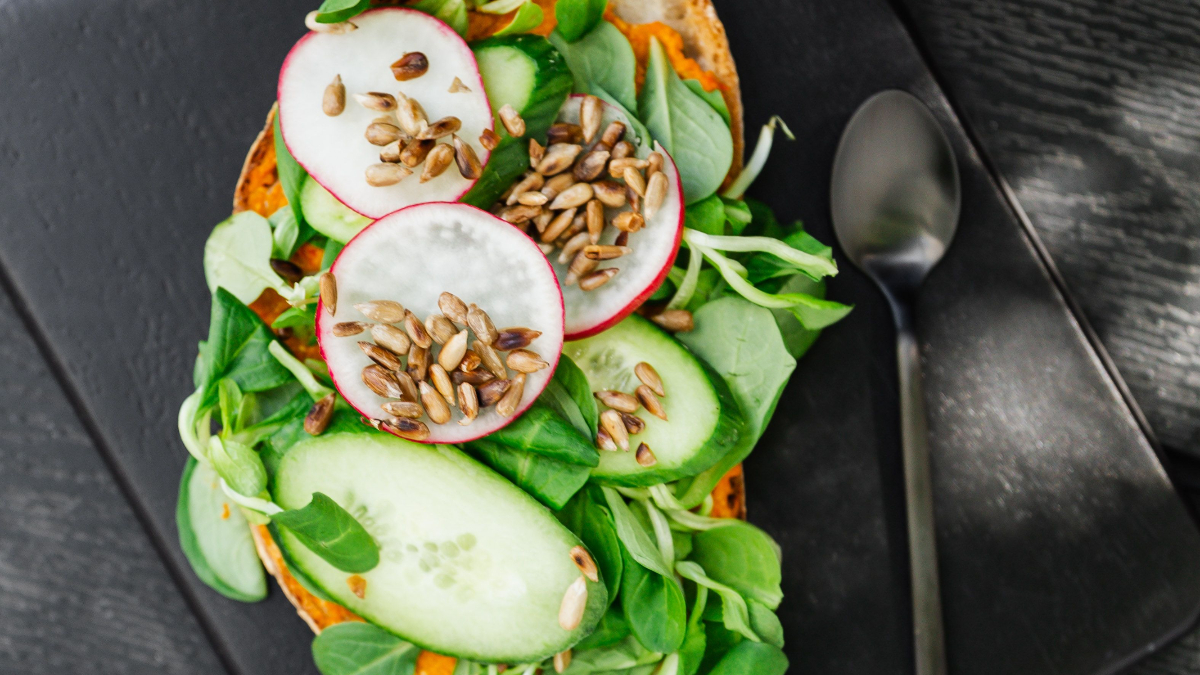
Nordic Diet for Gut Health: A Nutritionist Explains
Is Nordic eating simply Mediterranean with rye? Poulomi Mukherjee examines the grain research, the whole-diet evidence and practical adaptations for an Indian kitchen.
Table of Contents
The Nordic diet shares a plant-rich approach with Mediterranean eating, but uses foods typical of the Nordic region: rye, oats, barley, berries, root vegetables, rapeseed oil and fish. Rye studies offer useful evidence on gut microbes and fermentation, while whole-diet studies also exist and have mixed microbiome findings. Indian whole grains, vegetables and legumes can apply similar principles, without being proven substitutes for rye’s specific effects.
The modern New Nordic Diet was deliberately developed, drawing on traditional foods rather than inventing them from scratch. In 2004, Nordic chefs drew up a New Nordic Cuisine manifesto, emphasising local, seasonal ingredients and Nordic culinary identity. Public-health researchers, including a team at the University of Copenhagen, then developed that philosophy into a nutrition framework and began formally studying it.
Its familiar features are rye, oats and barley, rapeseed oil as a principal fat, root vegetables and cabbage-family vegetables, berries such as bilberries and lingonberries, regular fish, modest amounts of meat and dairy, and less added sugar and highly processed food. Local availability and seasonality are part of the idea, not just the ingredients on the plate.
There’s a real overlap, and it’s fair to notice it. Both emphasise plant foods, both limit red and processed meat and sweets, and both include fish and some dairy. The difference is mostly which plants and fats: rye, oats and barley feature prominently, rapeseed oil takes the place usually given to olive oil, and berries and root vegetables do a lot of the work. Same underlying philosophy, built around what grows in the Nordic region.
Where it earns its own identity is rye. It’s a particularly fibre-rich cereal grain, and it has been linked to increased gut fermentation activity. Observational studies have also associated whole-grain rye intake with better metabolic health, though that alone doesn’t prove rye caused the difference. The clinical research gives us something more specific to examine.
There are real differences worth looking at. A 12-week Swedish trial compared a high-fibre rye diet with refined wheat within a calorie-restricted eating plan. Its 2022 microbiome analysis reported changes in particular bacteria and an increase in plasma butyrate in the rye group. That’s more specific than simply saying ‘whole grains are good for you’, but the comparison was with refined wheat, not with every other whole grain.
A 2025 analysis of the same RyeWeight trial found higher levels of several metabolites, including indolepropionic acid and enterolactone conjugates. These are of interest in metabolic-health research. Their presence shows a change in the metabolite profile; it doesn’t establish that those compounds caused lower inflammation or better glucose regulation.
Separate laboratory research comparing rye and wheat found more short-chain fatty acid production, including butyrate, from rye in its fermentation model. That helps explain why rye is interesting, without turning a laboratory result into a promise about everyone’s digestion.
One important part of the explanation is arabinoxylan, a fibre found in cereal cell walls. Some microbes break complex fibres into smaller fragments; other microbes can use the fragments or fermentation products. This is called cross-feeding. Research on these microbial partnerships includes butyrate-producing bacteria such as Faecalibacterium prausnitzii and Roseburia. Butyrate helps fuel the cells lining the colon. The mechanism is useful to understand; it isn’t, by itself, proof that a particular food will improve someone’s blood-glucose control.
Oats and barley belong in the picture too. They provide fibre, including beta-glucans, that can reach the large intestine for fermentation. Different grains offer different fibre mixtures, and the response also depends on the microbes already present in your gut.
There’s research on both, and I think that distinction is worth making plainly. A trial of rye tells us something about rye in that particular eating plan. It doesn’t automatically establish every gut-health claim made for the Nordic diet as a whole.
Whole-pattern studies do exist. In a six-month New Nordic Diet trial, a microbiome analysis of 62 adults found that the broad groups defined by the Prevotella-to-Bacteroides ratio remained stable. The study also found no significant difference between diets in the 35 selected bacterial groups it measured. That doesn’t mean the diet had no possible health value; it means the microbiome measurements didn’t show the changes people might assume.
More recently, a 2024 fibre-intervention study found that participants responded differently to fibres including rye bran and beta-glucan, depending on their starting microbiota. That was a study of fibres, not a test of the entire Nordic diet.
So the honest version is that there are promising findings for particular grains and fermentation pathways, alongside stable or variable microbiome results. I wouldn’t promise the same response to everyone. The pattern gives you a useful way to organise whole grains and plant variety; the microbiome response is more individual.
A close practical adaptation, actually, and it centres on choosing whole grains. Bajra, jowar and ragi can bring grain variety and fibre to the plate. Whole-grain Khapli atta, such as Aashirvaad Chakki 100% Khapli Atta, is another option. Khapli is emmer wheat, also known as Triticum dicoccum, rather than a millet. It contributes fibre and plant protein, and whole-wheat fibre includes arabinoxylans.
If Mediterranean’s Indian adaptation is a well-built thali, the Nordic version might be a whole-grain-forward plate: bajra, jowar or Khapli roti, a mixed vegetable sabzi built around whatever root vegetable is in season, and mustard oil doing the cooking. Sweet potato, radish and beetroot give you plenty to work with. Cold-pressed mustard oil can be part of that cooking choice; it isn’t a requirement for the pattern to count.
Mustard oil and Nordic rapeseed oil are different products, but both can contribute unsaturated fats. Choosing local ingredients applies the seasonal, regional idea without importing every Nordic staple. It doesn’t mean that Khapli, millets or mustard oil have been shown to reproduce rye’s specific microbial effects.
They’re not the load-bearing part of the fibre-and-fermentation explanation, which is good news if you’re vegetarian. The gut-health case we’ve been discussing rests much more heavily on what the bacteria can ferment from whole grains, root vegetables and other plant foods than on fish or dairy specifically.
Fish brings protein and, depending on the type, useful omega-3 fats. Dairy can contribute protein and calcium. If you leave either out, plan suitable alternatives rather than simply removing a food group. Dal and other legumes can do much of the protein work in a vegetarian plate. The fermentation story is about what your gut bacteria have to work with, but the rest of your nutritional needs still matter.
Work a fibre-rich whole grain into your routine more often: bajra or jowar roti, for instance, in place of some refined-flour foods, rather than trying to import rye specifically. Regular whole-wheat atta is already a whole-grain option too. It’s an everyday change you can actually make and stick with.
That’s a way of applying the diet’s principles, not a claim that every grain has the same trial results as rye. If you’re increasing fibre from a low starting point, do it gradually and keep fluids adequate. Our guide to increasing fibre in an Indian diet gives you practical places to start. Follow any specific dietary advice you’ve been given for a medical condition.
Not a prescription, just an illustration of the pattern, built around Indian adaptations of the Nordic staples. Portions need to suit your appetite, energy needs and any medical advice.
A week built loosely around this shape might include fish two or three times if you eat it, root vegetables most days, and whole grains such as bajra, jowar, ragi or whole-wheat atta taking the place of refined grains more often. Nothing here needs to be exact unless you’ve been advised otherwise.
Berries are the one piece worth a specific substitution note. You don’t need to import lingonberries. Seasonal Indian fruit, jamun, amla, or even a handful of pomegranate seeds, can bring fibre and plant compounds to the plate. They fill a similar practical role without being nutritionally identical to Nordic berries.
| May Fit Your Routine Naturally | May Need More Planning |
| You’re open to eating whole grains such as bajra, jowar, ragi or whole-wheat atta regularly. | You mostly eat refined-grain meals and would need a habit shift. |
| You already cook with root vegetables such as sweet potato or beetroot. | Root vegetables aren’t a regular part of your usual cooking. |
| You eat fish or are open to adding it. | You need to adapt the fish and dairy components to your preferences or dietary restrictions. |
| You’re vegetarian and already build meals around legumes and varied plant foods. | You expect one fixed menu or a predictable microbiome change from the diet’s name alone. |
Disclaimer: This article provides general nutrition information and is not a personalised dietary plan or a treatment for a digestive condition. If you’re managing a medical condition, have food allergies or intolerances, or have been prescribed a therapeutic diet, consult your doctor or qualified dietitian before making substantial changes. If digestive symptoms continue, are severe or keep coming back, seek medical advice.
Its characteristic foods include rye, oats, barley, berries, root vegetables, legumes, fish and rapeseed oil, with modest meat and dairy. The modern New Nordic Diet also emphasises local, seasonal ingredients and less added sugar and highly processed food.
Both emphasise plant foods and suitable fats. The Nordic pattern features foods such as rye, oats, berries and rapeseed oil; Mediterranean eating is more closely associated with olive oil and its regional produce. Neither requires importing every traditional ingredient.
Whole-wheat atta, bajra, jowar and other locally available whole grains can help apply the pattern’s grain-variety principle. They haven’t been shown to reproduce rye’s specific trial findings. Choose grains that suit your needs, taste and budget.
Yes, with suitable planning. Pulses, legumes and other appropriate protein foods can replace the fish component, while dairy or suitable alternatives can help meet other nutrient needs. Plan the replacements rather than simply removing foods from the plate.
It hasn’t been established as a treatment for bloating. Increasing whole grains and legumes can initially cause more gas, especially after a low-fibre diet. Make changes gradually, and get medical advice if symptoms are severe, persistent or recurrent.