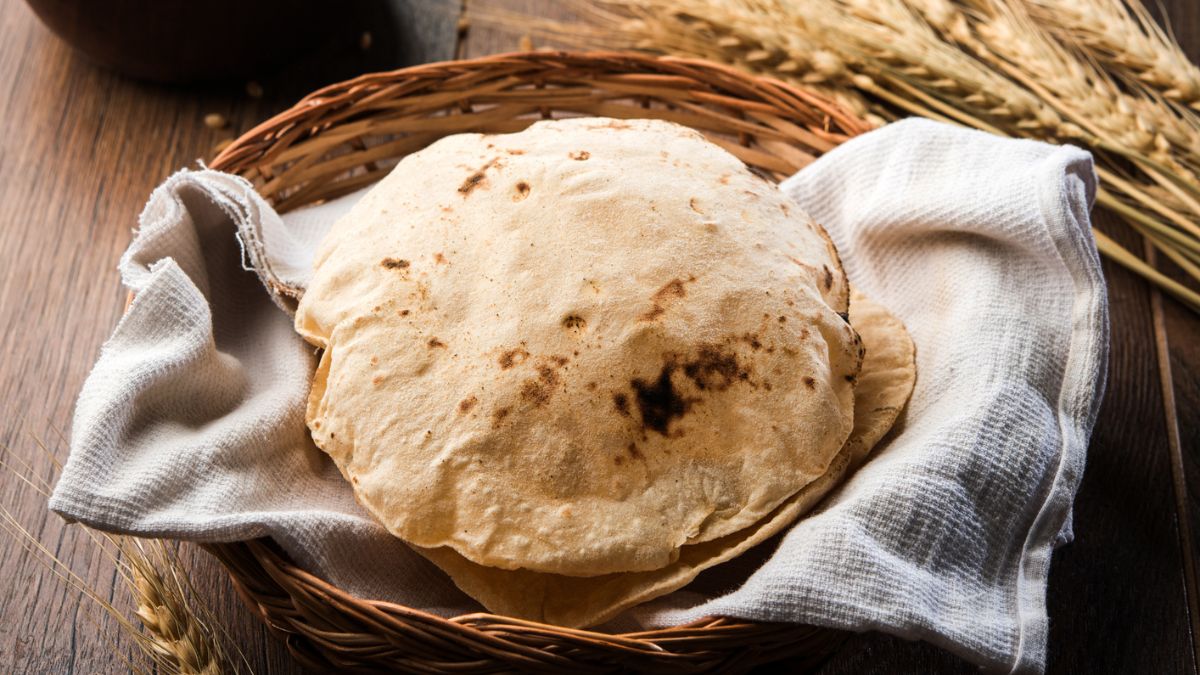
Khapli Wheat: What Climate Pressure on Indian Wheat Means for Your Roti
From heat and groundwater to the grain on your plate: where a traditional wheat fits.
Table of Contents
Khapli wheat is a traditional name for emmer, a hulled wheat grown in parts of Maharashtra, Karnataka and elsewhere in India. Its husk stays attached after threshing, so it needs dehulling before milling. It is still wheat, contains gluten and is unsuitable for people with coeliac disease or those advised to avoid wheat or gluten.
The climate connection begins in the field. Wheat in India is mainly a rabi crop, growing through cooler months. Heat around flowering and grain filling can reduce yields, and heat can shorten the time available for grain development. Irrigation helps, but it cannot remove all heat damage. Groundwater depletion in some growing regions adds another constraint.
Researchers study wheat diversity because different lines can offer useful breeding traits. That includes cultivated emmer and its wild relatives, which must not be treated as interchangeable. Evidence about a breeding line does not establish that every Khapli crop uses less water or withstands drought. Buying one flour is not a solution to groundwater depletion.
For eating, whole grain Khapli can add variety, but it is not automatically higher in fibre than whole wheat atta. Fibre values vary by grain, processing and product. Compare labels on the same weight basis rather than relying on the grain’s traditional reputation.
Choose an atta for taste, suitability and affordability, and eat it alongside dal, vegetables and other foods. Increase fibre gradually, drink adequate fluid and follow medical advice if you need a restricted diet. No particular wheat is essential for digestive health.
Most of us never think about any of this. Wheat arrives as roti beside dal, as a paratha on a slow Sunday, as toast, noodles or a festival halwa. But before it becomes flour and dinner, it has to grow through India’s soil, water and weather.
Khapli belongs in that story. Understanding where it fits means looking at the crop in the field as well as the atta in the kitchen.
Khapli is a traditional Indian name for cultivated emmer wheat, commonly called Triticum dicoccum. Its growing regions include parts of Maharashtra and Karnataka.
It is a hulled wheat: the grain retains its husk after threshing and needs dehulling before milling. This extra processing is one practical difference from free-threshing bread wheat. Research published in the Journal of Cereal Research describes emmer’s hulled structure and regional cultivation.
No. Khapli contains gluten. The NIDDK explicitly includes emmer among gluten-containing wheats. It is unsuitable for people with coeliac disease and anyone advised to avoid wheat or gluten. A traditional name does not change that.
Wheat in India is mainly a rabi crop: generally sown after the monsoon, grown through the cooler months and harvested as temperatures rise. Exact dates vary by region, altitude and variety. FAO’s India crop brief identifies wheat as a rabi crop, while government crop guidance describes its winter growing season.
The difficulty is heat at the wrong point in that season. At flowering, high temperatures can interfere with reproduction and reduce grain number. During grain filling, they can reduce grain weight and yield. ICAR’s Indian Farming journal explains these sensitive stages.
Very hot conditions can also hasten the crop’s ageing, giving it less time to fill the grain. A satellite study of wheat in northern India, published in Nature Climate Change, documented this effect of extreme heat.
The roti on your plate is tied to weather and water decisions made months earlier, in fields you may never see.
Irrigation has been important to Indian wheat production. A Nature Communications study by Esha Zaveri and David Lobell, using historical Indian data, found that irrigation increased yields and reduced their sensitivity to heat. It did not completely offset heat damage.
That makes water availability part of the same problem. Groundwater depletion has been documented in parts of the Indo-Gangetic Basin, although conditions differ substantially across it. A Nature Geoscience study using groundwater observations found falling levels in some areas alongside stable or rising levels elsewhere.
So the question facing farmers and breeders is not only how to grow more wheat, but how to maintain production under heat and water constraints. There is no single answer for every field.
High-yielding wheat varieties, irrigation and changes in crop management helped transform Indian wheat production during the Green Revolution. Emmer remained a more limited, regional crop, with the extra processing that its hull requires.
Researchers are interested in a wider pool of wheat types because different lines can offer useful traits for breeding. Khapli itself has also been improved through breeding. For example, ICAR-hosted research on Nilgiri Khapli, or HW 1098, describes a released emmer variety with resistance to several wheat rusts under the conditions tested.
Heat-tolerance research also involves wheat’s wild relatives. A 2022 study in Frontiers in Plant Science identified potentially useful heat-adaptation traits in breeding lines derived from wild emmer. Wild emmer is distinct from cultivated Khapli. Those findings cannot be transferred directly to an atta on a shop shelf.
There is no basis here for promising that every Khapli crop is drought-resistant, drought-proof or less water-demanding than other wheats. Performance depends on the variety, soil, weather, sowing date and farming practice.
Buying one atta will not fix groundwater depletion. The useful point is that genetic diversity gives breeders more options to investigate as conditions change. Traditional grains and modern breeding both have a place in that work.
Back in the kitchen, there is room for variety. ICMR-NIN’s 2024 Dietary Guidelines for Indians recommend consuming at least half of cereals and other grains as whole grains. Millets can be part of that mix.
Whole wheat, whole-grain Khapli and millets can all contribute fibre, though amounts vary by grain, processing and product. Rotating grains is an option for enjoying different tastes and textures; it does not require treating one as the winner.
The distinction between whole-grain atta and refined flour is useful. The Indian Food Composition Tables give the following generic flour values; the Khapli entry below comes separately from the manufacturer’s published product listing.
| Flour | Fibre per 100g of uncooked flour | Source |
| Wheat flour, atta | 11.36g | IFCT 2017, food code A019 |
| Refined wheat flour, or maida | 2.76g | IFCT 2017, food code A018 |
| Aashirvaad Meri Chakki Khapli Atta | 10.7g | Manufacturer’s published product listing |
These are different data sources, not a controlled comparison of the three flours. They do not support choosing Khapli for extra fibre over ordinary whole wheat atta. In the IFCT figures, atta has about four times as much fibre as refined wheat flour.
On the listed product’s 10.7g-per-100g basis, 90g of flour supplies about 9.6g fibre. If three rotis together use that much flour, that is the flour’s estimated contribution to the batch. Roti size varies, and the figure is not a recommended portion. Check the nutrition label on the pack you buy.
The reason to try Khapli can be as simple as taste and variety. Ordinary whole wheat atta remains a useful option, too.
Keep the rest of the meal in view. A Khapli roti beside dal and sabzi is one way to use it. Regular atta rotis, rice, jowar, bajra or ragi can fit into varied meals as well, according to your preferences and medical needs.
If a change in grains increases your fibre intake, build up gradually. Too much fibre too quickly can cause gas and bloating. Different fibres have different effects on stool bulk, water retention and fermentation; simply changing the name on the atta packet does not guarantee better digestion.
Adequate fluid helps fibre work properly. Stay hydrated as you increase fibre, and follow any prescribed fluid restriction. A high-fibre diet is not suitable for every medical situation: if you have been advised to limit fibre, ask your clinician before changing your grains.
Start with one meal if you want to try something different. There is no need to replace every roti or overhaul the week’s food.
Persistent, severe or recurring digestive symptoms need assessment rather than repeated flour changes. Blood in stool, unexplained weight loss, persistent abdominal pain or difficulty swallowing need prompt medical attention. Severe abdominal pain with vomiting or an inability to pass stool or gas needs urgent help.
Khapli is cultivated emmer, a traditional hulled wheat associated with parts of Maharashtra and Karnataka. It needs dehulling before milling and contains gluten.
It is not automatically higher in fibre. Whole-grain Khapli and regular whole wheat atta both contribute fibre; compare specific products on the same per-100g basis. Taste, cost and suitability can guide your choice.
No. It is wheat and contains gluten. It is unsuitable for coeliac disease or a medically advised wheat-free or gluten-free diet.
That cannot be assumed for every variety or growing situation. Research on particular emmer lines or wild relatives does not establish a drought-resistance claim for all Khapli wheat or a branded atta.
Mainly the rabi season, with sowing generally after the monsoon and growth through cooler months. Sowing and harvest dates vary by region and variety.
No. A varied diet can include other suitable whole grains, pulses, vegetables, fruit, nuts and seeds. Khapli is an option, not a requirement or a digestive treatment.
This article provides general information about grains, agriculture and nutrition. It is not personalised medical or farming advice, and does not establish a climate, water-saving or treatment benefit for any flour. Follow professional guidance about coeliac disease, wheat allergy, fibre and fluid restrictions. Children, pregnant or breastfeeding people, older adults and people with medical conditions may need individual advice. Persistent or severe digestive symptoms need medical assessment.
Khapli is cultivated emmer, a traditional hulled wheat associated with parts of Maharashtra and Karnataka. It needs dehulling before milling and contains gluten.
It is not automatically higher in fibre. Whole-grain Khapli and regular whole wheat atta both contribute fibre; compare specific products on the same per-100g basis. Taste, cost and suitability can guide your choice.
No. It is wheat and contains gluten. It is unsuitable for coeliac disease or a medically advised wheat-free or gluten-free diet.
That cannot be assumed for every variety or growing situation. Research on particular emmer lines or wild relatives does not establish a drought-resistance claim for all Khapli wheat or a branded atta.
Mainly the rabi season, with sowing generally after the monsoon and growth through cooler months. Sowing and harvest dates vary by region and variety.
No. A varied diet can include other suitable whole grains, pulses, vegetables, fruit, nuts and seeds. Khapli is an option, not a requirement or a digestive treatment.