Navratri Vrat Food: 7 Meals With 0 Deep-Frying
From samak khichdi to singhara kadhi, give familiar fasting ingredients something to do beyond puris and pakoras.
Table of Contents
Navratri vrat food can include soft samak khichdi, rajgira roti with sabzi, lauki soup topped with roasted makhana, singhara kadhi, a paneer-and-pumpkin bowl, sweet potato with curd and kuttu cheela, all without deep-frying. Choose the ingredients your household permits, and pair the main dish with vegetables or dairy where allowed. The quantities below are starting points for one person; adjust them to your appetite and the number of meals your fast allows. How comfortable a meal feels depends on its portion, ingredients and your own tolerance.
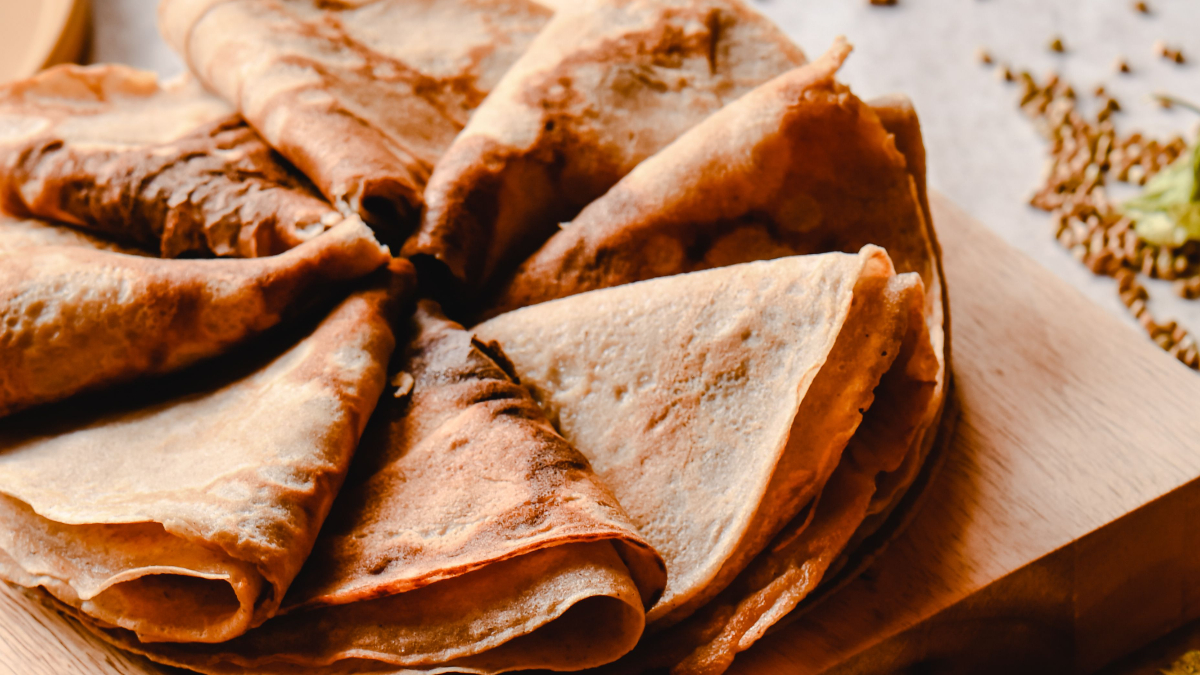
Navratri fasting has acquired a rather stereotypical look: a plate of sabudana vada, a couple of kuttu puris, sweet potato chips or something else deep-fried on the side, followed by a second helping because it is, after all, ‘homely vrat food’. Those favourites have their place. But the same ingredients can also become rotis, soups, khichdi and kadhi, with plenty of flavour and no kadhai of hot oil.
Vrat rules differ considerably across Indian households. Some permit samak, rajgira, kuttu and singhara; others allow a narrower range of foods. Many families use sendha namak and avoid regular table salt, onion, garlic, usual cereals and pulses. Check the vegetables, spices, nuts and dairy your own practice permits before choosing a dish.
The ICMR-NIN Dietary Guidelines for Indians 2024 emphasise variety across food groups. They are not a vrat rulebook, but that principle is useful: where allowed, give the flour or tuber a vegetable accompaniment and include curd, paneer or nuts. Makhana can add crunch; a scattering of it is not a meal’s main protein source.
Skipping deep-frying gives you more control over added oil, but it does not guarantee comfortable digestion. Greasy food, eating too much and eating too quickly can trigger discomfort in some people. Serve a manageable portion and eat at a comfortable pace. If dairy does not suit you, choose an accompaniment your fast allows rather than adding curd by default.
For the quantities below, a cup means a standard measuring cup of about 240 ml. Household katoris vary. Use permitted seasonings throughout, and treat the suggested portions as a starting point rather than a daily meal plan.
Samak, also called vrat ke chawal, is barnyard millet, not rice. Where your family permits it, the small grains are easy to turn into a soft khichdi.
For one person: Rinse ¼ cup dry samak and drain. Warm cumin, ginger and green chilli in 1–2 teaspoons of ghee, then add small pieces of potato or pumpkin and the samak. Add water according to the packet’s cooking directions, using more as needed for a soft khichdi. Simmer until the grain and vegetables are tender; add hot water if the mixture thickens before they soften.
Serve with ½ cup plain curd on the side and a small portion of permitted cooked vegetables. Pumpkin, lauki or spinach can work.
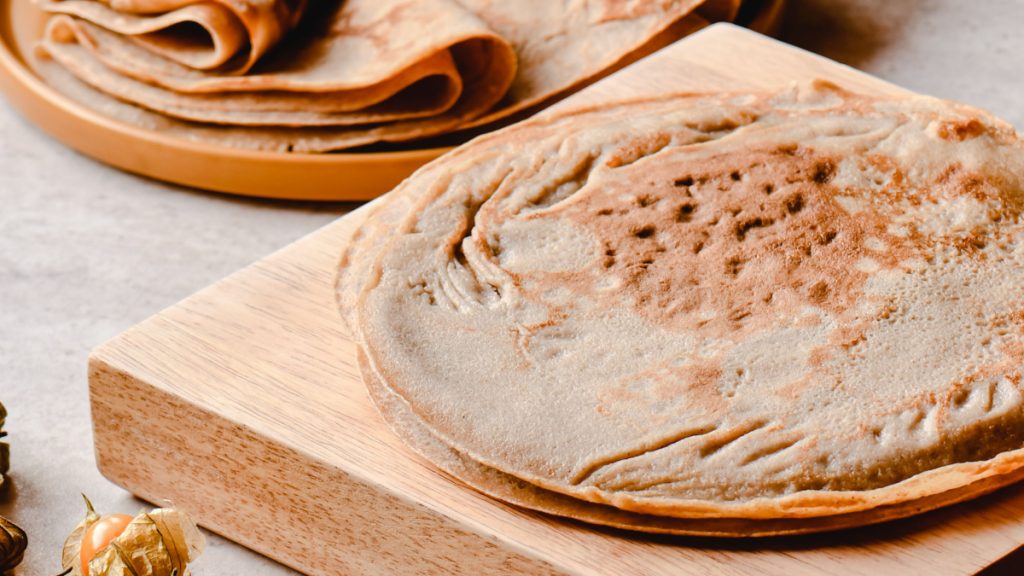
Rajgira roti can easily become an exercise in frustration if you treat it like ordinary wheat roti. Amaranth flour does not form the stretchy dough you get with wheat, so gentle handling matters more than vigorous kneading.
For one person: Make one or two medium rotis, using roughly 35–40 g rajgira flour for each. Add hot water gradually with a little permitted salt, mixing first with a spoon. Once cool enough to handle, gently bring the dough together. If it keeps cracking, a little mashed boiled potato, if permitted, can help it hold together.
Pat the dough out by hand or between sheets of baking parchment, then cook on a hot tawa with a light brushing of ghee, turning until both sides are cooked.
Now give it something worth eating with. A ¾ to 1 cup portion of permitted sabzi works well: pumpkin with cumin, lauki with ginger, lightly cooked spinach, or a potato-and-tomato preparation. Add ½ cup curd if dairy is permitted and suits you.
A bowl of soup may not be the first thing that comes to mind when someone says Navratri, but lauki makes a surprisingly good base.
Check the lauki first: ICMR’s expert committee advises checking a small piece for bitterness. Taste a tiny raw piece before using it; if bitter, spit it out and discard the whole gourd. Cooking does not destroy the bitter toxins, so do not try to cover the taste with spices.
For one person: Cook 1½ cups peeled, chopped lauki with ginger, cumin, green chilli and enough water to cover, until completely soft. Let it cool enough to blend safely, then blend and return it to the pan. Add water as needed for a spoonable consistency. For a thicker soup, whisk 1 teaspoon rajgira flour with a little cool water, stir it in and simmer until cooked through.
Dry-roast ½ cup plain makhana until crisp, stirring often, then crush it roughly. Add it just before serving with coriander and roasted cumin. The makhana supplies the crunch, the lauki gives the bowl its body, and the rajgira simply thickens it.
Think of this as a starter or side. To make it a more substantial meal, add paneer, curd or a permitted roti, according to your household’s rules.
Kadhi is a good reminder that vrat food can be tangy, warm and spoonable. Singhara flour takes the place of the usual besan in this version.
For one person: Whisk ½ cup curd with about 1 tablespoon singhara flour until smooth, then add water to make a thin, pourable mixture. Warm cumin, ginger and green chilli in a little ghee. Add the curd mixture and heat gradually on low to medium heat, stirring regularly, until it reaches a gentle simmer. Continue simmering until the flour is cooked and the kadhi thickens slightly; avoid a sudden vigorous boil.
Serve with 100–120 g potato, cut into small pieces, tossed with cumin and a little ghee, then roasted until tender. Alternatively, serve the kadhi with soft samak for a vrat version of kadhi-chawal. Adding ½ cup cooked lauki to the kadhi gives you another vegetable option.
For a vrat that permits dairy and paneer, this is a useful dinner when you want something substantial without an elaborate cooking project.
For one person: Use 75–100 g paneer, ¾ cup cooked pumpkin and ½ cup roasted makhana. Warm cumin, ginger and green chilli in a little ghee, then add the pumpkin. Add cubed paneer towards the end and heat through, keeping the cooking brief so it does not become rubbery. Finish with the makhana just before serving so it stays crunchy.
Scatter over about 1 tablespoon roasted peanuts, if permitted. Paneer contributes protein; the makhana is there mainly for crunch. You can add a small bowl of curd if you like and dairy suits you.
Sweet potato is often relegated to the “boring, allowed foods” list, but it can become a satisfying bowl with almost no effort and plenty of flavour.
For one person: Steam or roast around 150–180 g sweet potato until tender. Cut into chunks and toss with roasted cumin powder, lemon juice, fresh coriander and permitted salt. Top with ½ cup plain curd, if allowed and well tolerated. Add up to 1 tablespoon each of roasted peanuts and freshly grated coconut if your fast permits them.
There is no need to drown it in chutney. The sweet potato stays soft and substantial, the curd brings a tangy contrast, and the optional peanuts and coconut add crunch and nuttiness.
Kuttu, or buckwheat flour, need not end up only as pakoras and puris. A thin cheela gives it another job.
For one person: Mix about 40 g kuttu flour with a little grated lauki, cumin, green chilli and ginger. Add water gradually to make a spreadable batter. Grated vegetables release water, so check the consistency again before cooking.
Lightly grease a non-stick pan or well-seasoned tawa. Spread the batter thinly and cook on medium heat until the underside releases and the edges are set, then turn and cook the other side through. Use only as much ghee as needed to prevent sticking; 1–2 teaspoons is a starting quantity.
Serve with about ¾ cup lightly cooked pumpkin or lauki sabzi and ½ cup curd, if permitted. A homemade coriander chutney can work alongside, using only seasonings your household allows.
Check the flour’s pack and dates and store it according to its label. Avoid tasting raw flour or batter, and cook the cheela through. If your family does not permit kuttu during a particular fast, simply skip it. Vrat food is not a standardised medical diet, and there is no virtue in bending a religious practice to fit an internet recipe. Pick two or three meals that fit your family’s rules and your appetite. Fried favourites can remain an occasional part of the menu, while the same familiar ingredients give you plenty of other ways to cook. For snack ideas and packet checks, see our guide to makhana in a Navratri fast.
Try samak khichdi, rajgira roti with sabzi, lauki soup with an accompaniment, singhara kadhi, paneer with pumpkin, sweet potato with curd or kuttu cheela, if permitted.
Add hot water gradually, mixing first with a spoon. Once safe to handle, bring the dough together gently. A little mashed boiled potato, if permitted, can help.
No. Samak, often called vrat ke chawal, is barnyard millet. It is used in some fasting traditions, but permission depends on your household’s rules rather than its name.
Include curd, paneer or permitted nuts alongside the main dish. Portions matter. A small makhana topping adds texture but should not be the meal’s main protein source.
No. Portion size, ingredients and individual tolerance still matter. Greasy or oversized meals may cause discomfort for some people, but avoiding deep-frying does not guarantee comfortable digestion.