Why the Most Important Food in Your Diet May Be the Least Exciting One
Why everyday staple foods can have more nutritional influence than occasional “superfoods,” and how improving familiar foods can create sustainable dietary habits.
Table of Contents
Ask someone what the healthiest food they eat is, and you’ll get some interesting answers. Maybe they’ll say almonds, chia seeds, avocado, Greek yoghurt, blueberries, or that expensive trail mix they bought because an Instagram reel told them to.
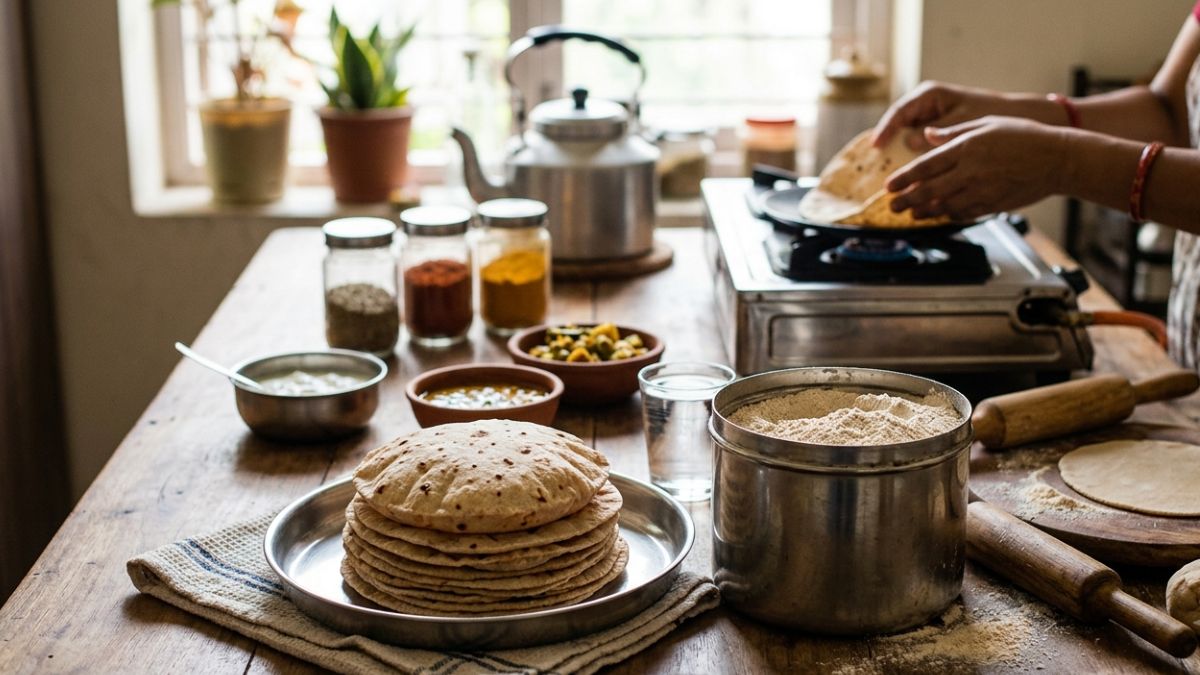
Very few people will point to the steel container sitting quietly in their kitchen and say, “Honestly? Probably the atta.”
And yet, for millions of Indian households, that may be closer to the truth than they realise. Because when it comes to nutrition, importance isn’t always about how healthy a food is. Sometimes it’s about how often you eat it. And that’s where the least exciting foods often become the most powerful ones.
Human beings are naturally drawn to novelty. That’s why nutrition headlines often focus on foods that feel new, unusual, or somehow special. Every few years, a different ingredient gets promoted as the answer to everything. Suddenly, everyone is discussing quinoa, flaxseeds, kale, matcha and chia. They’re not necessarily bad foods; many are genuinely nutritious.
The problem is that we often spend more time thinking about foods we eat once a week than foods we eat twice a day. Nutrition researchers sometimes call this nutritional leverage: the idea that a food’s real influence depends as much on frequency as on any single nutrient it contains. A “superfood” eaten occasionally has far less leverage than an ordinary staple eaten daily, simply by the arithmetic of repetition, not because the superfood is somehow fraudulent, but because eating it twice a year was never going to move the needle much.
Imagine two foods. Food A is eaten once every two weeks. Food B is eaten every single day. Which one has a greater opportunity to influence your fibre intake, satiety, energy levels and long-term eating habits? The answer is obvious. Yet most people direct their attention toward Food A, because Food B feels ordinary. And ordinary things rarely attract attention, until you realise how much of life is built on them.
Every cuisine has them, foods so common that people stop noticing them. In India, these are often atta, rice, dal, curd, vegetables, among other things. Nobody posts excited reviews of them. Nobody rushes to tell friends about the roti they ate on Tuesday. Yet these foods are doing most of the nutritional heavy lifting. They’re not guest appearances; they’re the main cast. And if you’re trying to improve your diet, the main cast deserves more attention than the occasional cameo.
A lot of nutrition advice focuses on addition: add this, add that, buy this supplement, try this powder. But sometimes the better question is: what am I already eating regularly? Because improving an everyday food often produces a bigger impact than introducing a brand-new one.
It’s the difference between changing a habit and adding another task to your life. One tends to stick, while the other often ends up forgotten in the back of a cupboard.
Walk through a supermarket and watch where people spend their time. They’ll compare biscuits, chocolates, snacks or breakfast cereals. The atta shelf? Many people are in and out in under a minute, which is remarkable when you think about it, because few ingredients appear on Indian plates as consistently as atta. Breakfast, lunch, dinner, lunchboxes, travel meals, family gatherings. Week after week, year after year, the humble atta packet often influences more meals than almost anything else in the shopping basket.
There does seem to be a quiet revival of interest in traditional grains in Indian kitchens lately, alongside a broader curiosity about what’s actually in everyday food rather than just what’s new. Whether that interest holds or fades is hard to say, but it’s a useful backdrop for why a once-overlooked grain like Khapli wheat is getting a second look.
Nutrition isn’t a one-meal game. Your body doesn’t remember your healthiest lunch of the year. It responds to patterns, repeated behaviours, repeated foods and repeated choices. That’s why a food eaten regularly carries so much influence. If a staple appears hundreds of times a year, even small nutritional differences — a little more fibre, a little more satiety, a little better nutrient density — begin to matter once multiplied across that many meals.
One reason Khapli wheat has attracted renewed interest isn’t that it’s exotic or some kind of rare grain, but because it’s familiar enough to fit into everyday life. People aren’t looking for another food they have to remember to eat. They’re looking for ways to improve the foods they already eat.
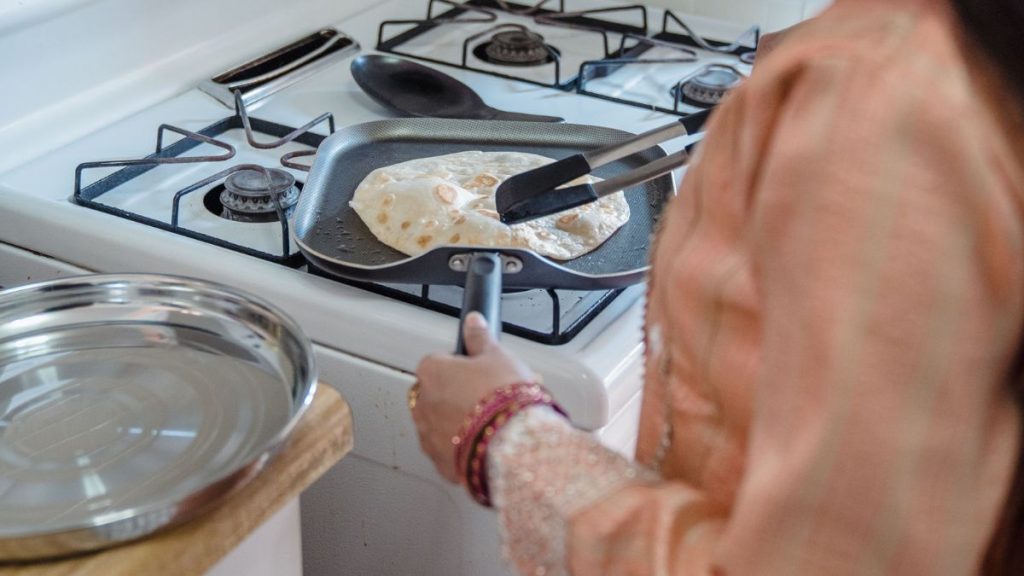
Khapli fits neatly into that philosophy. Instead of asking families to overhaul their diets, learn new recipes, or buy unusual ingredients, it works through a staple that already exists in many Indian homes: atta, made into roti, the way it always has been. That’s a very different proposition from most health trends. Aashirvaad Namma Chakki 100% Khapli Atta, like other whole wheat attas, provides around 11.4g of fibre per 100g, well above refined flour, and that figure matters precisely because it’s attached to a food eaten daily, not occasionally.
A health food is something you buy. A health habit is something you repeat. The distinction matters.
Many health foods enjoy brief moments of popularity; few become habits. The foods that truly influence health tend to have one characteristic in common: they’re easy to incorporate repeatedly. That’s one reason Khapli is increasingly appearing in conversations around fibre, satiety, digestion and everyday wellness. Its strength isn’t novelty, but usability; it asks nothing of a household that wasn’t already happening at mealtime.
Part of that usability comes down to how it’s milled. Khapli’s grinding profile, with a damaged starch content of around 28.8% against roughly 9.2% for typical roller-milled flour, is consistent with traditional stone-chakki-style milling. Practically, this shows up in texture and water absorption rather than in some separate ‘nutritional integrity’ claim; Khapli has a notably high water absorption (around 73%), which is part of why its rotis can feel softer. It’s a texture and technique difference, not a claim that one method makes the grain more nutritious than another.
There’s a lesson hidden in almost every successful nutrition story. The foods that create the biggest long-term impact are often the least exciting. The bowl of dal, the fruit after dinner, the curd with lunch, the roti made every evening without much thought — these foods rarely make headlines. But they show up. And showing up matters, because health isn’t built through occasional brilliance; it’s built through consistency.
Modern nutrition can sometimes feel overwhelming. Every week introduces a new ingredient, a new trend, or a new rule. Meanwhile, the greatest dietary improvements often come from making existing meals work harder, not replacing them. People are far more likely to maintain changes that fit naturally into their lives.
One might wonder: what if the most important food is already in our kitchen? It’s an interesting thought. Maybe the food with the greatest influence on your health isn’t something you need to discover. Maybe it’s already there, sitting quietly on a shelf, waiting to become breakfast, lunch, or dinner. Again and again.
That’s how staple foods work. They don’t demand attention; they earn influence through repetition.
We’re naturally attracted to foods that feel exciting. The problem is that excitement and importance aren’t always the same thing. The foods that shape our health most effectively are often the ones we barely notice, the ingredients we buy automatically, the meals we repeat without thinking, the staples that quietly accompany us through years of ordinary life.
Perhaps the smartest nutrition decision isn’t finding something new. It’s improving something familiar.
Disclaimer: This article is for general informational purposes only — not medical or dietary advice.
Nutritional leverage refers to the idea that a food’s real influence on your health depends as much on how often you eat it as on its nutrient content. While popular superfoods like chia seeds or kale are often eaten occasionally, daily staples like atta, rice, or dal are consumed regularly. Because of the simple arithmetic of repetition, an ordinary staple eaten daily provides far more leverage over your long-term health, fibre intake, and satiety than a superfood consumed only a few times a month.
Most health advice focuses on adding new supplements or novel ingredients, which requires building a new habit and often ends up forgotten. In contrast, improving an everyday food — such as upgrading the flour you use for rotis — leverages an existing habit that is already deeply ingrained in your routine. Because your body responds to repeated patterns over time, making an existing meal work harder produces a much bigger, more sustainable health impact without requiring extra willpower.
A health food is simply something you purchase, whereas a health habit is a behaviour you consistently repeat. Many trending health foods experience temporary popularity but fail to become permanent habits because they are hard to maintain. The foods that truly improve long-term health possess high usability; they seamlessly fit into daily mealtimes so that eating them becomes an automatic, repeatable habit rather than a short-lived effort.
Khapli wheat integrates into households that already eat rotis without requiring new recipes or altered routines. Providing around 11.4g of fibre per 100g (well above refined flour), it delivers significant nutritional value attached to an ingredient eaten daily. Additionally, its traditional stone-chakki-style grinding profile and high water absorption (~73%) produce soft rotis, delivering functional benefits in texture and nutrition while keeping the meal experience familiar.