The Hidden Power of Ordinary Ingredients
Why everyday staples like atta, dal, curd and vegetables can shape nutrition more than occasional “superfoods”, and how small changes to familiar foods become lasting habits.
Table of Contents
A few years ago, if someone had asked you to name the healthiest food in your kitchen, chances are you’d have pointed to something special. Maybe almonds, maybe olive oil, or maybe the expensive seeds sitting in a glass jar that you bought after reading an article about superfoods.
Very few people would have pointed to the atta container, the dal shelf, the curd in the refrigerator, the onions and tomatoes waiting patiently in a vegetable basket. And yet these ordinary ingredients probably have a far greater influence on your health than most of the foods we spend time talking about.
That’s one of the great ironies of nutrition. The ingredients that shape our health the most are often the ones we’ve stopped noticing.
Human beings are naturally drawn to novelty. A new ingredient, a new trend, a new health food — these feel important, almost as if they’re the only path to a healthier tomorrow. Ordinary ingredients don’t get the same treatment. Nobody excitedly tells their friends, “I’ve started eating more dal.” Nobody posts a picture of their roti on Instagram. Nobody writes breathless headlines about onions. Yet walk into almost any Indian kitchen, and you’ll find these foods doing the bulk of the nutritional work.
Imagine two foods. The first is eaten once every couple of weeks. The second appears on your plate almost every day. Which one has more opportunity to influence fibre intake, digestion, satiety and long-term eating habits? The answer is fairly obvious.
Frequency creates impact, which is why nutrition isn’t just about what’s healthy; it’s about what’s habitual. A reasonably nutritious food eaten daily often matters more than a “perfect” food eaten occasionally. This lines up with how habits form generally: a behaviour repeated in the same context, often enough, stops requiring a decision at all. It becomes the default, which is exactly why staple foods end up shaping outcomes more than trend foods ever manage to, not because the trend food is bad, but because it was never around often enough to compete.
One interesting thing happens when a food becomes part of daily life: we stop noticing it. Think about dal, for instance. It appears so often that many people barely think about it, yet it’s one of the most important protein sources in Indian diets. Curd is simple, affordable, familiar and deeply woven into meal patterns across the country. Vegetables aren’t the most glamorous, and they don’t trend on social media, but they form the backbone of balanced eating. Atta is perhaps the most overlooked ingredient of all; precisely because it’s so common, people rarely stop to consider how much influence it has over their everyday nutrition.
Most people approach healthy eating by asking, “What should I add?” Maybe the better question is, “What am I already eating?”
You don’t necessarily need a new meal plan, a complicated diet or imported ingredients. Sometimes you simply need to improve the ingredients already appearing on your plate. That’s a much easier change to sustain, and sustainability matters.
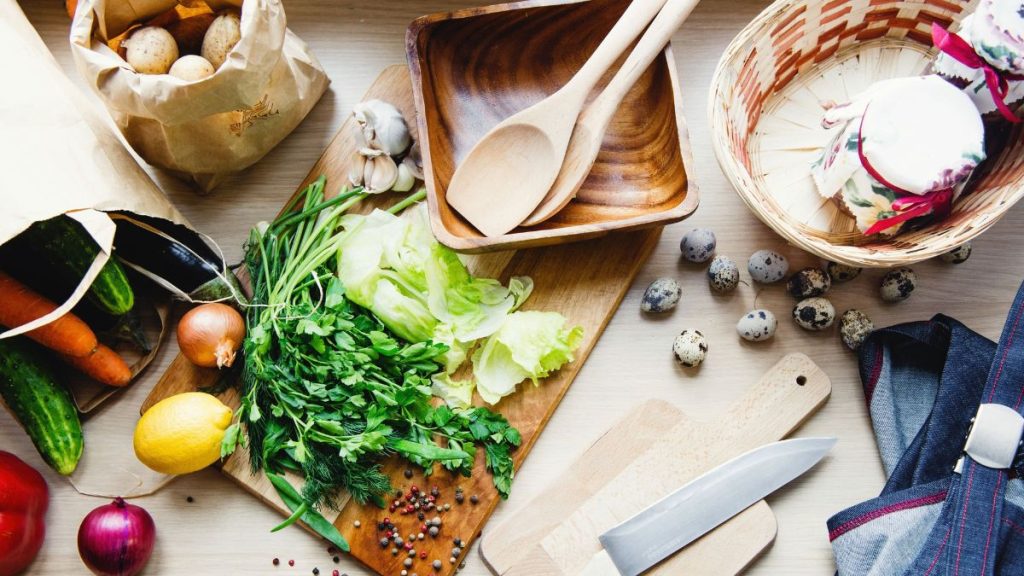
There’s a useful distinction here between what’s sometimes called a foundation food and a functional food. A functional food is usually something added on top of a diet for a specific, marketed benefit: a fortified drink, a specialised bar, a supplement. A foundation food is something a meal is already built around: atta, rice, dal, vegetables. Health foods come and go, but foundations remain. A health food might be something you remember to eat occasionally. A foundation is something that quietly supports hundreds of meals every year, whether or not you’re thinking about it.
That’s why nutrition advice so often circles back to grains, legumes, vegetables, fruits and proteins before it gets to supplements or wellness trends. The foundation determines the strength of everything built on top of it.
Let’s take atta as an example. Most people spend more time choosing biscuits, breakfast cereals and snacks than they do choosing atta, which is remarkable when you consider how frequently it appears in Indian meals. Rotis aren’t occasional foods; they’re everyday foods, the kind that quietly accumulate influence over years.
This growing awareness is one reason older grains like Khapli are finding a place in modern kitchens again. People are beginning to realise that improving a staple ingredient may have a bigger impact than constantly chasing new health trends.
Khapli’s biggest strength isn’t that it’s exotic; it’s that it can become ordinary. That might sound like faint praise, but it isn’t. The best nutritional changes are often the ones that become part of daily life. A fibre-rich grain only matters if people actually eat it, and Aashirvaad Namma Chakki 100% Khapli Atta, like other whole wheat attas, provides around 11.4g of fibre per 100g, well above refined flour, a figure that only really starts to matter once it’s part of a roti eaten several times a week, not once.
One reason Khapli has gained attention is that it fits naturally into foods people already know and enjoy. Rotis remain rotis, family meals remain family meals, only the grain changes.
For many years, older grains like Khapli were mostly discussed in specialist food circles. Today they’re showing up in ordinary grocery baskets. Nutrition seems to improve most effectively when it moves from theory to routine, not the other way round.
The real success of a grain like Khapli isn’t that people know about it, it’s that people use it, repeatedly, week after week and meal after meal.
An ingredient isn’t defined only by what it is, but also by how it’s grown, milled and handled, which is part of why questions about sourcing, processing and authenticity are becoming a bigger part of how people think about traditional grains generally.
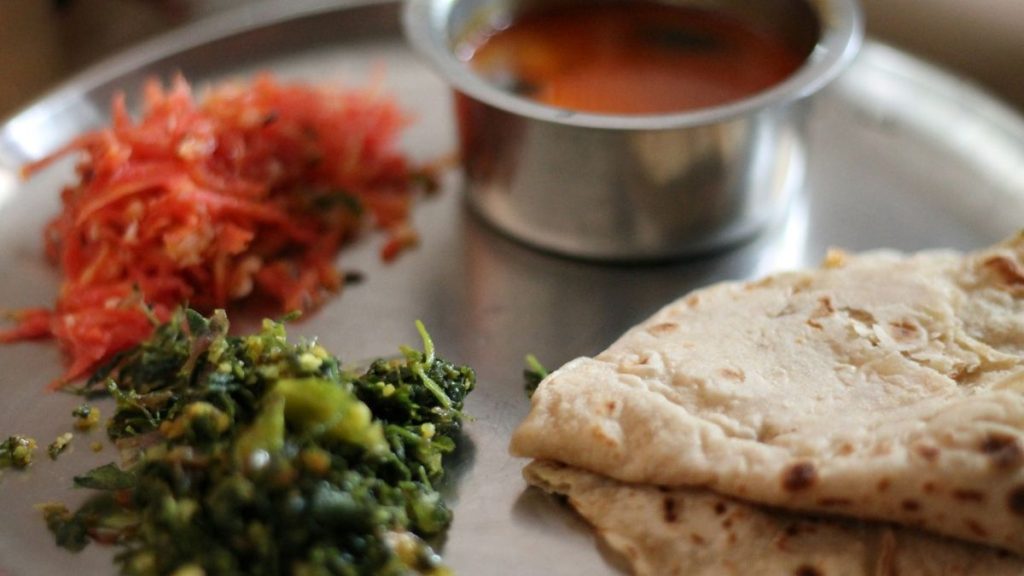
One reason nutrition can feel overwhelming is that people focus on dramatic changes. The reality is usually much simpler: most health outcomes are built through ordinary decisions repeated consistently.
The fruit after lunch, the vegetable with dinner, the dal in the pressure cooker, the atta in the kitchen container — these foods don’t feel important in the moment, but their influence accumulates. This is sometimes called habit stacking, attaching a small new habit to one that already exists, rather than building a new routine from scratch. Family food culture works the same way: a household’s habits don’t get decided so much as inherited, one person cooking a certain way long enough that everyone else simply adapts around it, often without anyone naming it as a “habit” at all.
Maybe better nutrition doesn’t begin with discovering something new. Maybe it begins with paying more attention to what’s already there: the foods you’ve normalised, the ingredients you’ve stopped noticing, the staples that quietly support hundreds of meals.
Sometimes the most powerful ingredient isn’t the one making headlines. It’s the one showing up every day.
Disclaimer: This article is for general informational purposes only — not medical or dietary advice.
Ordinary ingredients have a greater impact because of frequency and habit. A superfood eaten only occasionally cannot compete with foundation foods like dal, curd, or atta that show up on your plate almost every day. Frequency creates impact, so a reasonably nutritious food consumed daily shapes long-term fibre intake, digestion, and habits far more than a "perfect" food eaten rarely.
A foundation food is a staple that meals are naturally built around (such as atta, rice, dal, and vegetables) and quietly supports hundreds of meals every year. A functional food, on the other hand, is usually an added-on product marketed for a specific benefit, such as a fortified drink, specialised bar, or supplement. Health trends and functional foods come and go, but foundation foods remain the core strength of a diet.
Asking "What am I already eating?" and upgrading those staple ingredients is much easier to sustain than trying to follow a complicated new meal plan or buying imported ingredients. This concept relies on "habit stacking" — attaching a small improvement to an existing, automatic routine rather than building a brand-new task from scratch.
Khapli wheat succeeds because it easily becomes an ordinary part of daily life rather than an exotic novelty. By replacing regular flour with a whole grain flour offering around 11.4g of fibre per 100g, it significantly raises fibre intake through rotis eaten several times a week. It requires no overhauling of recipes or family routines — rotis remain rotis, making the nutritional upgrade automatic and lasting.