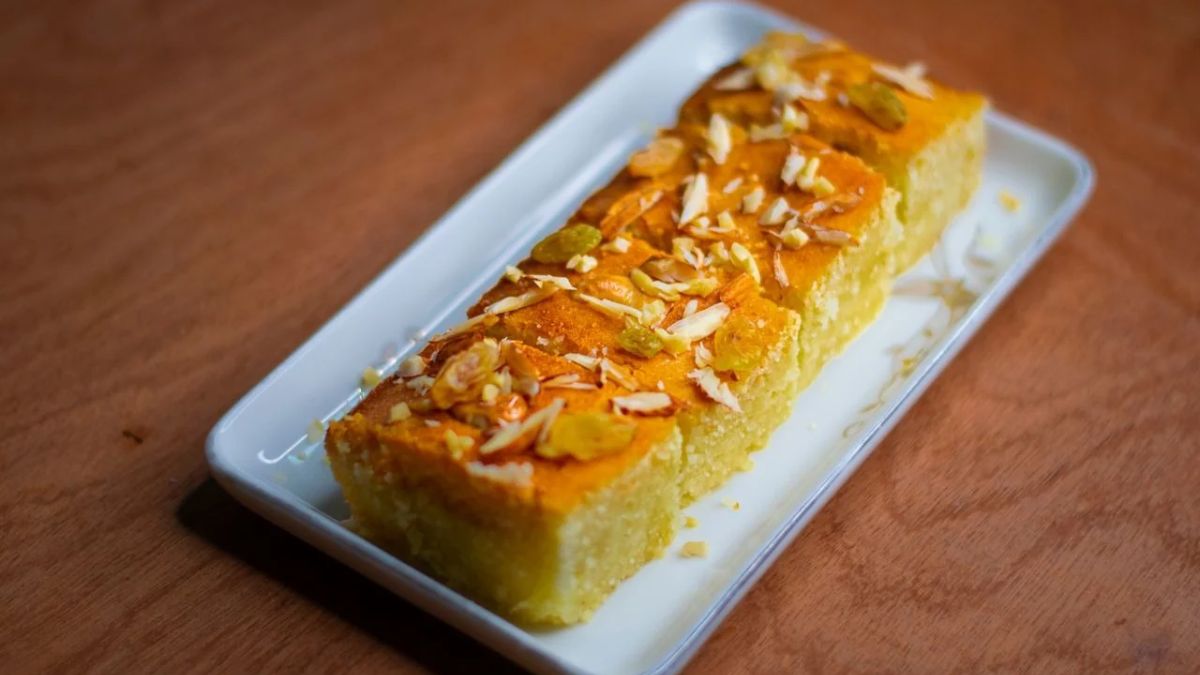
Do Sugar-Free Sweets Cause Gas? What to Know About Polyols
The sugar-free mithai box has become a Diwali fixture. It can be a useful option, but for your gut there’s a catch worth knowing about, and it’s printed right there on the label.
Table of Contents
Sugar-free sweets can cause gas, bloating, stomach discomfort and loose motions, particularly when they contain sugar alcohols such as maltitol, sorbitol, isomalt or xylitol. These sweeteners, also called polyols, are only partly absorbed in the small intestine. The unabsorbed portion can draw water into the gut and be fermented by gut bacteria, producing gas. The effects depend on the amount eaten and the sweetener used.
That does not mean every sugar-free sweet will upset your stomach. Some people tolerate polyols better than others, while people with irritable bowel syndrome (IBS) may find certain polyols harder to manage. Added fibres such as inulin and polydextrose can also contribute to gas in some people.
The label offers useful clues. Under FSSAI rules, packaged foods containing 10% or more polyols must carry the warning “Polyols may have laxative effect”. A separate warning applies to foods containing 10% or more sorbitol or sorbitol syrup.
It also helps to understand what the front-of-pack claim actually means. “Sugar-free” means the product contains no more than 0.5g of sugars per 100g or 100ml. “No added sugar” is different: a sweet made with dates, figs or milk can still contain naturally occurring sugars.
And sugar-free does not mean calorie-free. Khoya, ghee, nuts and flour still contribute energy and fat. If you are choosing these sweets for digestive comfort, diabetes management or simply to reduce sugar, read the ingredients and nutrition panel, start with a small portion and see how you feel.
Usually, two kinds of sweeteners, and sometimes both.
The first are sugar alcohols, also called polyols: maltitol, erythritol, xylitol, sorbitol and isomalt. They provide sweetness and bulk, helping give a barfi or peda some of the texture that sugar would otherwise provide. Their sweetness varies: xylitol is about as sweet as table sugar, maltitol is close, while sorbitol and erythritol are less sweet. They generally provide fewer calories than sugar, but the amount varies by sweetener.
The second are high-intensity sweeteners such as sucralose and stevia. These are used in much smaller amounts because they are far sweeter than sugar. Some packaged sweets also contain bulking fibres such as polydextrose or inulin. These are not sugar alcohols, but added fibres such as inulin can cause gas in some people.
Then there is a third kind of box: date-and-fig barfis sold as “no added sugar”. Under FSSAI rules, this claim means that sugars have not been added, subject to specific conditions. Where sugars are naturally present, the label must also say “CONTAINS NATURALLY OCCURRING SUGARS”.
A “sugar-free” claim is different. It is permitted only when the product contains no more than 0.5g of sugars per 100g or 100ml. Of all these ingredients, polyols are the ones most likely to cause the digestive symptoms this article is concerned with.
ALSO READ | Which Indian Sweets Are Healthiest? Your Diwali Mithai Box, Sweet by Sweet
Most polyols are only partly absorbed in the small intestine. The portion that remains unabsorbed can draw water into the gut, which may loosen stools. It then travels to the large intestine, where gut bacteria ferment it and produce gas.
How much trouble you get depends on how much you eat. A systematic review of 79 studies found that polyol malabsorption generally increases with intake in healthy people, and that combining different polyols can increase malabsorption. The evidence in people with IBS was more mixed, although some people with IBS may be particularly sensitive to these ingredients.
The thresholds also vary by sweetener. One review reported diarrhoea at around 15–30g of sorbitol in young people, while 40g of maltitol caused mild rumbling and wind. Erythritol was generally better tolerated in the studies reviewed, with 20–35g not producing a significant increase in symptoms. These are study-specific findings, not personal safety limits. Individual tolerance varies.
You may not know how many grams of polyols are in a single kaju katli, but you can still look at the ingredient list. Trouble is more likely when you eat several pieces at once or combine different sugar-free products over the day.
People with IBS may need to be more careful. Sorbitol and other polyols are among the FODMAPs: fermentable carbohydrates that can trigger digestive symptoms in some people with IBS. Sugar alcohols also occur naturally in certain foods. Sorbitol, for instance, is one reason prunes can help with constipation. The amount that helps one person’s constipation may cause loose stools or gas in someone else.
Start with the warnings. Under FSSAI’s labelling rules, packaged foods containing 10% or more polyols must carry the declaration “Polyols may have laxative effect”.
A separate declaration applies to foods containing 10% or more sorbitol or sorbitol syrup. The prescribed warning says these may have a laxative effect, cause bloating and diarrhoea in children, and reduce calcium absorption in post-menopausal women.
If you see either warning, treat it as useful information about the product, not just small print.
A few other things are worth checking:
Sucralose and stevia are used in much smaller amounts than sugar alcohols and are less likely to cause the same polyol-related gas or laxative effects. That does not mean every product containing them will suit everyone. The rest of the ingredient list matters, too, particularly if the sweet contains added fibres or other ingredients that you know trigger symptoms.
Their effects on gut bacteria are a separate question. In a 2022 study published in Cell, 120 healthy adults who did not usually consume non-nutritive sweeteners were given saccharin, sucralose, aspartame or stevia for two weeks. The researchers found changes in gut microbes and microbial function across the sweetener groups. Saccharin and sucralose also affected glucose tolerance, but the response varied between individuals. Aspartame and stevia did not show the same glucose-tolerance effect in the study.
The researchers said the long-term health implications still need to be understood. This was a short-term study in healthy adults, so it should not be read as proof that these sweeteners cause lasting gut or blood-sugar problems.
Separately, the World Health Organization’s 2023 guideline conditionally advises against using non-sugar sweeteners as a way to control weight or reduce the risk of diet-related disease. The recommendation does not apply to people with pre-existing diabetes, and it does not cover sugar alcohols such as maltitol and sorbitol. It is about the lack of established long-term benefit for weight control, not a warning that eating one sugar-free sweet is dangerous.
It depends on why you are choosing it.
If you are trying to reduce your sugar intake, a genuinely sugar-free sweet contains very little sugar. But the rest of the recipe may not have changed. Khoya, ghee, cashews and flour still contribute calories, fat and carbohydrates. Sugar-free mithai is not automatically a lighter or healthier choice.
The real trap is the licence it gives us. It is easy to have three pieces because they are sugar-free, but your gut may not agree. If you are managing diabetes, sugar-free sweets can be part of a festive diet, but the flour, khoya and fruit in them still count. Follow your doctor’s or dietitian’s guidance on portions.
For everyone else, the practical question is how to enjoy them without paying for it later.
Erythritol is often better tolerated in the gut than some other sugar alcohols, but that does not make it a health shortcut. Research into its longer-term effects is still evolving. Some observational studies have reported associations between blood erythritol levels and cardiovascular risk, but a causal relationship between eating erythritol and cardiovascular disease has not been established.
If you have IBS, polyols such as sorbitol and maltitol may trigger symptoms. You may find it easier to choose sweets without them, or to keep portions small and see how you respond.
If you have diabetes, do not treat sugar-free sweets as unlimited foods. Their other ingredients can still contribute carbohydrates and calories. Follow your doctor’s or dietitian’s advice on portions and meal planning.
Take particular care with products containing sorbitol when choosing sweets for children. FSSAI’s prescribed warning for products containing 10% or more sorbitol or sorbitol syrup specifically mentions possible bloating and diarrhoea in children.
If sugar-free sweets regularly upset your stomach, keep a note of what you ate, how much you had and which sweeteners were listed. If symptoms continue after you stop eating them, keep returning, or are severe, speak to a doctor. Blood in the stool, unexplained weight loss, severe or persistent abdominal pain, or difficulty swallowing also need medical attention.
This article is for general information only and is not a substitute for medical advice, diagnosis or treatment. If you have diabetes, IBS or another digestive condition, or have been advised to follow a specific diet, consult your doctor or registered dietitian about what is appropriate for you. For children, pregnant or breastfeeding women, and older adults with health concerns, seek individual medical guidance before making dietary changes.
They can. Sugar alcohols such as maltitol and sorbitol are only partly absorbed in the small intestine. The unabsorbed portion can be fermented by gut bacteria, producing gas. The likelihood of symptoms generally increases with the amount eaten.
Yes. Larger amounts of some polyols can draw water into the gut and have a laxative effect. FSSAI requires packaged foods containing 10% or more polyols to carry the warning “Polyols may have laxative effect”.
They may fit into a diabetes meal plan, but they are not unlimited foods. Flour, khoya, nuts and fruit can still contribute carbohydrates and calories. Follow your doctor’s or dietitian’s advice on portions.
There is no guarantee, because tolerance varies. Products made mainly with stevia or sucralose are less likely to cause polyol-related gas and loose stools than products containing larger amounts of maltitol or sorbitol. Check for added fibres such as inulin, too.
It means sugars have not been added during manufacture, subject to FSSAI’s conditions for the claim. The sweet can still contain naturally occurring sugars from ingredients such as dates, figs or milk. Where naturally occurring sugars are present, the label must say so.
There is no fixed number that works for everyone. It depends on the sweetener, the amount of polyols in the product and your individual tolerance. Start with one small piece and consider how much polyol-containing food you have eaten over the whole day.