How Daily Foods Shape Long-Term Habits
Why the foods you eat repeatedly matter more than occasional meals, and how small upgrades to everyday staples can build lasting, sustainable nutrition habits.
Table of Contents
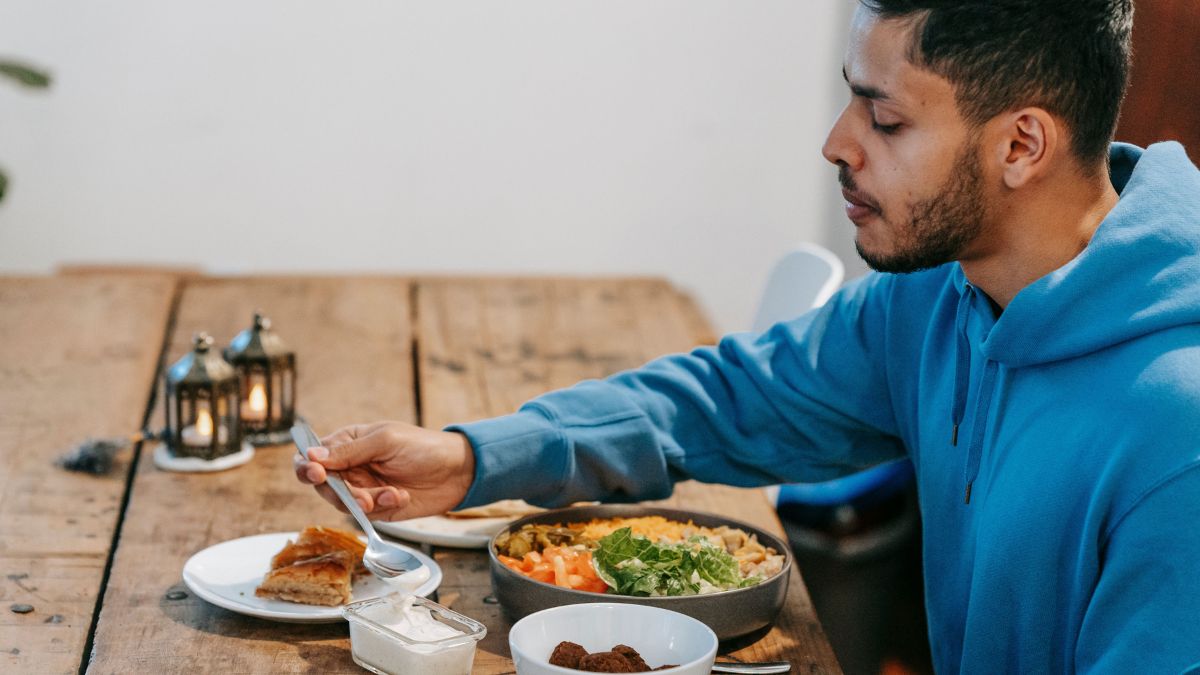
Every family has that one meal they don’t even think about anymore. The morning cup of chai. The roti that appears, invariably, at dinner. The bowl of curd that quietly accompanies lunch. The fruit your father cuts after dinner because he’s done it for twenty years and doesn’t see any reason to stop now.
Nobody calls these habits. They’re just life, which is funny, because when people talk about health, they usually focus on the dramatic things: a fitness challenge, a new diet, a thirty-day transformation. Meanwhile, some of the most powerful influences on our health are happening so quietly that we barely notice them.
They might not be exciting, or Instagram-worthy, but they’re incredibly important. Because while occasional meals come and go, daily foods have a way of shaping who we become.
Think about the last month. You probably don’t remember every meal, but you can probably remember the pattern: the foods that kept showing up. Maybe it was roti and sabzi, or rice and dal, eggs at breakfast, a fruit in the afternoon, chai at five.
Human beings love routine. Nutrition researchers who study what people actually eat, rather than what they say they eat, consistently find the same thing: most diets aren’t built on variety, they’re built on repetition — a small core of foods eaten again and again, with only minor variation around the edges. There’s a useful way to think about this: the ‘average week’ matters far more than the ‘perfect day.’ A single excellent meal barely moves the needle. A meal that quietly repeats fifteen times a month does almost all the work, simply because of how often it shows up.
Which food has a bigger influence on your health: a slice of birthday cake you eat six times a year, or a roti you eat six times a week? The answer is obvious. Yet many people spend far more time worrying about the cake, because occasional foods attract attention, while it’s the daily ones that quietly shape outcomes.
One reason habits are so powerful is that they’re boring. Nobody notices a habit forming. One day you’re adding a spoon of sugar to your tea; a few years later, you’ve added thousands of teaspoons. One day you’re choosing a certain breakfast; a decade later, you’ve eaten it hundreds of times.
This is partly just how habits work psychologically: a behaviour repeated often enough in the same context stops needing a decision at all, it becomes automatic, which is exactly why it stops being noticed. Small actions repeated frequently eventually become part of your identity, and it’s precisely why nutrition experts increasingly focus on systems and routines rather than individual meals.
Every household has its own definition of “normal eating.” In some homes, fruit is always available, vegetables appear at every meal, and home-cooked food is the default. In others, packaged snacks dominate, meals are irregular, and convenience foods become the norm. Nobody consciously decides these things; they emerge over time. And once they become normal, they become powerful, especially for children, who tend to absorb a household’s food culture as simply “how eating works,” long before they’re old enough to question it.
The foods we grow up around often become the foods we keep eating later in life.
Some foods carry more influence than others simply because they appear more often. In India, staple foods occupy a unique position: they’re foundations. Think atta, rice, dal, vegetables, curd. These foods appear so frequently that they become almost invisible. Yet from a nutritional standpoint, they’re doing most of the heavy lifting, which is exactly why improving a staple food can matter more over time than almost any supplement.
A supplement, by definition, is occasional, a capsule taken once a day at best, easy to forget, easy to stop. A staple food is structural; it shows up on the plate whether or not anyone is thinking about health that day. That difference in frequency is also a difference in impact. Foundational foods don’t need to be perfect to matter; they just need to keep showing up, which is something a daily atta or a daily dal can do in a way a bottle on a shelf rarely manages.
People often underestimate the power of a small improvement applied repeatedly. Imagine improving a meal you eat once every six months. Helpful, sure. Now imagine improving a food you eat every single day. That’s a very different story.
This is the logic behind many successful health strategies: instead of chasing perfection, they focus on leverage. What’s the food that appears most often? Can that food become slightly better? If yes, the benefits compound.
Khapli is a good example of a habit-friendly upgrade, precisely because it doesn’t ask anyone to build an entirely new eating pattern. It improves an existing one.
For households where rotis are already a daily fixture, switching to Aashirvaad Namma Chakki 100% Khapli Atta, a 100% whole-grain wheat atta, is a way to bring more fibre into a meal that’s already happening, rather than adding a new step to the day. Like other whole wheat attas, it provides around 11.4g of fibre per 100g, well above refined flour. Three rotis a day deliver roughly 10.3g of fibre, around a quarter of the ICMR’s daily fibre recommendation, simply by being part of a meal that was already on the table.
That matters because habits survive when they fit naturally into routines. The easiest health changes are often the ones that don’t feel like changes at all.
Fibre is one of the clearest examples of this principle in action. Fibre helps soften and bulk stool, feeds the good bacteria in the gut, and supports fullness, healthy cholesterol and steadier blood sugar, but it works through consistency, not single doses. Eating one extremely high-fibre meal isn’t particularly meaningful. Eating adequate fibre most days, in a way that’s sustainable rather than a one-off effort, is what actually shows up in how your gut feels over time.
The body responds to regular exposure. Your digestion doesn’t care about your healthiest meal of the month, it responds to what happens most days. This is the deeper reason habitual nutrition tends to outperform sporadic nutrition, and another reason staple foods matter so much: they provide repeated opportunities to improve nutritional quality, automatically, without asking for willpower every single day.
The phrase is usually applied to exercise or productivity, but it applies just as well to food. A single healthy meal doesn’t make someone healthy. A single indulgent meal doesn’t make someone unhealthy. The pattern is what matters.
What happens most mornings, most afternoons, most evenings — those are the decisions that shape outcomes. Not the exceptions. It’s always the routine.
Social media tends to celebrate dramatic transformations. Real health is often much quieter, and much less photogenic: choosing similar nutritious meals regularly, keeping helpful foods in the house, improving staple ingredients, and building routines that eventually run on autopilot. Nothing about that sounds particularly exciting, which is probably why it works. Sustainable habits rarely feel dramatic; they feel normal.
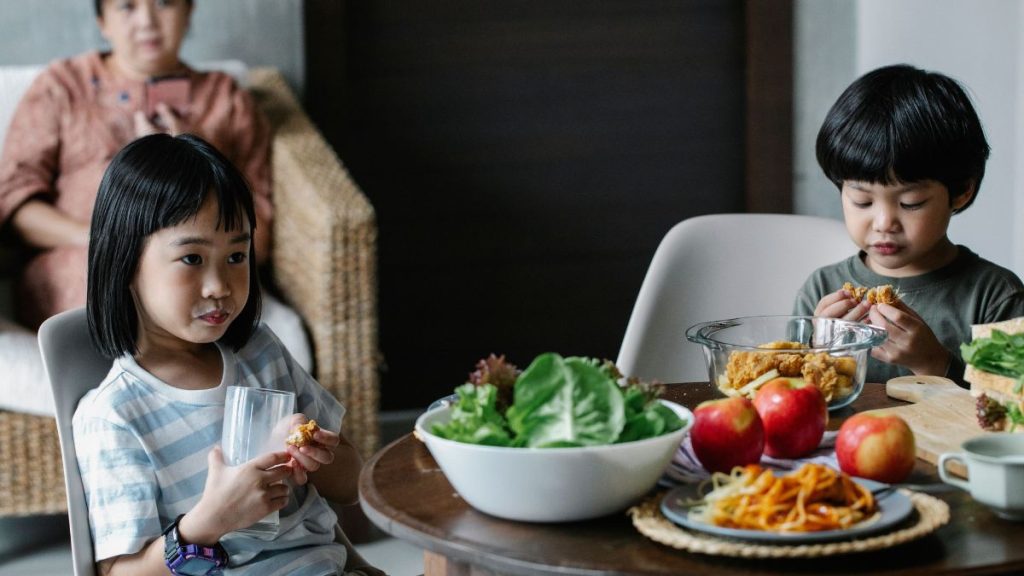
One person’s daily habits affect everyone around them. When parents keep fruit at home, cook regularly, and choose better staples, those habits ripple outward. Children absorb them without being taught. Partners adapt to them without discussing it. Over time, a household develops its own food culture, largely without anyone deciding to build one.
That’s why everyday food choices matter beyond individual nutrition. They’re teaching future habits too, often to people who won’t consciously realise they’ve been taught anything.
One might ask: what will our daily foods add up to? Not tomorrow, not next week, but ten years from now, twenty years from now. What foods will have appeared on your plate thousands of times? What habits will those foods have reinforced? That’s where the real story of nutrition lives, not in extraordinary meals, but in ordinary ones, repeated often enough to shape a life.
Most people think health is built through big decisions. In reality, it’s usually built through small ones: the foods we buy regularly, the meals we repeat without thinking, the staples that quietly become part of everyday life. That’s why daily foods matter so much. They’re not just feeding today’s version of us. They’re shaping tomorrow’s habits too. And over time, those habits become something much larger than a meal. They become a lifestyle.
Disclaimer: This article is for general informational purposes only — not medical or dietary advice.
Daily staples like atta, rice, and dal are structural — they show up on our plates consistently without requiring extra effort or willpower. While occasional healthy meals or supplements are easy to forget or stop, staple foods are eaten repeatedly. Because health is driven by the "average week" rather than a single "perfect day," these small, daily repeated actions compound over time to shape our long-term wellness far more than sporadic health efforts.
Sustainable habits succeed when they seamlessly integrate into your existing routine rather than forcing a drastic shift. Switching to whole-grain wheat like Khapli Atta upgrades a meal that is already a daily staple (rotis). For instance, consuming three rotis a day delivers roughly 10.3g of fibre — about a quarter of the ICMR's daily recommendation — improving your overall diet automatically without extra hassle.
Digestive health responds to regular exposure rather than isolated high-dose efforts. Fibre helps soften and bulk stool, feeds beneficial gut bacteria, aids satiety, and supports healthy cholesterol and blood sugar levels. Eating one high-fibre meal occasionally won't move the needle, but consuming adequate fibre through daily staples most days creates lasting benefits for your gut.
The "Family Effect" is the silent way a household's daily routines shape the habits of everyone in it. When you consistently stock fruits, cook fresh meals, or choose nutritious staples, family members and children absorb these behaviours as their baseline definition of "normal eating". Without explicit teaching, these choices establish a long-term food culture that children carry into adulthood.