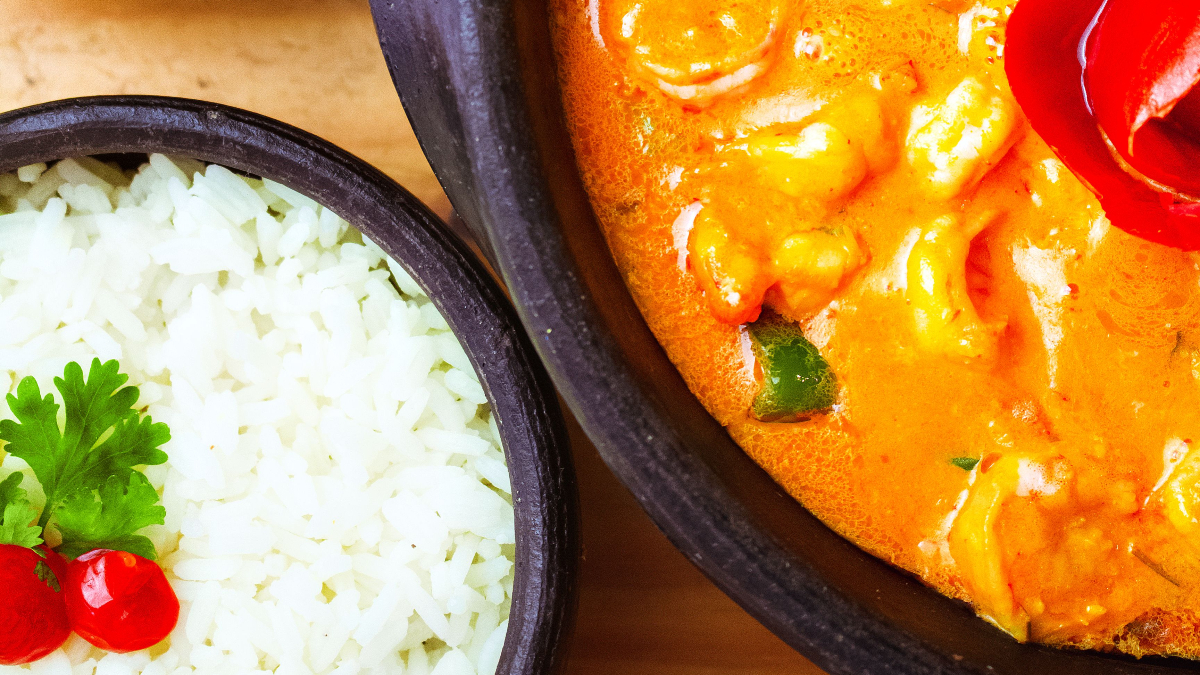
Three Light Gravy Sabzis for a Weeknight Dinner That Doesn’t Sit Heavy
Three everyday Indian gravies built without cream, cashew paste or deep-fried garnish — practical for nights when you want dinner to feel straightforward rather than rich.
Table of Contents
Dinner does not need to be universally smaller or earlier to be healthy. But if you are prone to night-time reflux, a large or high-fat meal close to lying down can make symptoms worse. These three gravies — lauki in tomato, palak moong dal and a light kadhi — use modest amounts of oil and no cream, cashew paste or deep-fried garnish. They are designed to be practical weeknight meals, not ‘diet food’.
There’s a reason so many Indian households, across very different regions and traditions, land on some version of the same instruction: don’t make dinner unnecessarily rich. The useful part of that advice is not a universal clock-time rule. It is the fact that lying down soon after eating can worsen reflux in people who are prone to it.
For people with night-time GERD symptoms, clinical guidance commonly recommends leaving about three hours between a meal and lying down. People without reflux do not necessarily need to finish dinner by a fixed hour.
Large, high-fat meals can also delay stomach emptying and may worsen reflux symptoms in some people, especially when eaten close to bedtime. That is enough reason to keep a Tuesday-night gravy simpler if rich meals tend to bother you; it is not a reason to treat every evening meal as a digestive hazard.
The practical answer is not eating less. It is building the gravy differently. A tomato base, a dal base or a curd base can all give you something proper to eat with rice or roti without relying on cream, cashew paste or a lot of added fat.
Lauki, or bottle gourd, has a long-standing reputation in Indian households as a mild recovery food. That reputation is traditional rather than clinically established. What we can say is simpler: lauki is high in water, naturally low in fat and often mild in flavour, which many people find easy to include in a straightforward meal.
• 500g lauki, peeled and cut into 1-inch cubes
• 2 medium tomatoes, pureed
• 1 tbsp oil or ghee
• ½ tsp jeera, a pinch of hing, ¼ tsp haldi
• 1 tsp grated ginger, 1 green chilli slit
• ½ tsp dhania powder, salt, chopped coriander to finish
Taste a tiny piece of raw lauki before cooking. If it is noticeably bitter, discard it rather than trying to mask the bitterness with spices. Bitter bottle gourd can contain high levels of cucurbitacins and has been linked to severe gastrointestinal toxicity.
1. Heat oil, add jeera and hing, then ginger and green chilli. Cook for about 30 seconds.
2. Add tomato puree, haldi and dhania powder. Cook on medium for 5–6 minutes, until the raw tomato smell reduces and the mixture thickens slightly.
3. Add lauki and salt, stir to coat. Start with about ¼ cup water; lauki releases water as it cooks, so add more only if needed.
4. Cover and cook for 12–15 minutes, or until tender but still holding shape. If the gravy is too thin at the end, uncover and reduce briefly. Finish with coriander.
Moong dal is one of the quicker-cooking dals and is commonly perceived as one of the lighter options in Indian kitchens. Split, dehulled mung cooks down readily, and some people find it easier to tolerate than larger, tougher pulses. It is also a practical way to add substantial plant protein to a vegetarian dinner.
With rice or roti, palak moong dal can form the basis of a balanced vegetarian meal, although portion size and the rest of the day’s diet still matter.
• ¾ cup moong dal
• 200g palak, chopped
• 1 tbsp ghee or oil
• ½ tsp jeera, a pinch of hing, ¼ tsp haldi
• 1 tsp grated ginger, 1 chopped tomato, 1 green chilli
• Salt, juice of half a lemon
1. Rinse the dal well. Pressure-cook with haldi, a pinch of salt and about 2½ cups water until soft according to your cooker’s instructions, or simmer in a pot until the dal breaks down.
2. Heat ghee or oil in a separate pan, add jeera and hing, then ginger, chilli and tomato. Cook until the tomato softens, about 5 minutes.
3. Add chopped palak and cook just until wilted, about 2–3 minutes.
4. Add the cooked dal, adjust the consistency with hot water, and simmer for about 5 minutes. Add salt as needed and finish with lemon juice off the heat.
Rinsing removes dust and some surface starch. Soaking pulses and discarding the soaking water can reduce some fermentable carbohydrates, although the effect varies with the pulse, soaking time and cooking method. Dehulling also changes the fibre structure and can improve protein digestibility. None of these is a dramatic digestive intervention, but they help explain why split, dehulled moong behaves differently from a whole pulse such as rajma.
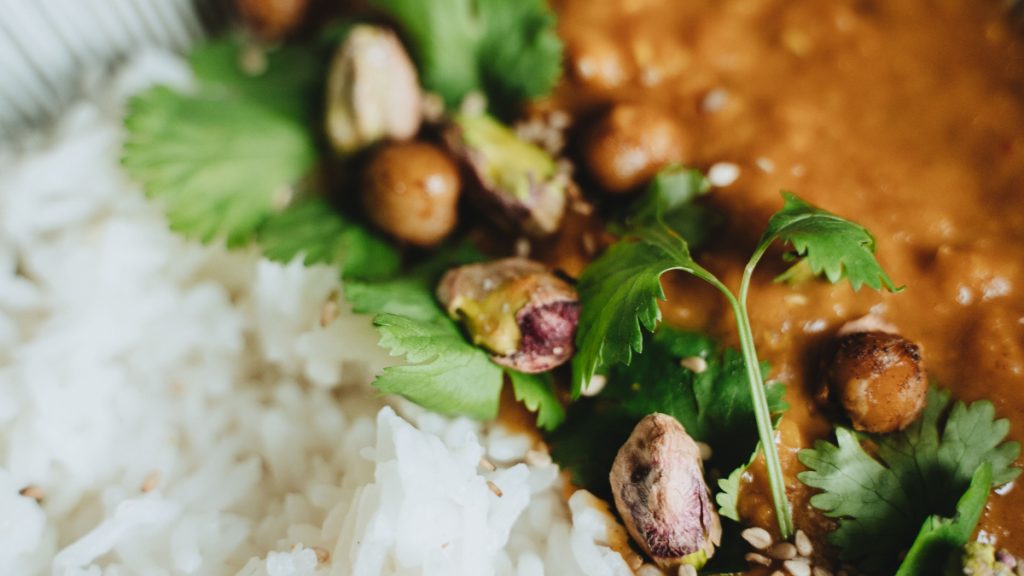
Kadhi is a curd-and-besan gravy, and without deep-fried pakoras it can be a very workable weeknight dish. This version stays thin and tangy rather than rich.
• 1 cup sour curd, preferably at room temperature, whisked smooth
• 2 tbsp besan
• 2½ cups water, added gradually
• 1 tbsp oil or ghee
• ½ tsp methi seeds, ½ tsp jeera, a pinch of hing
• ¼ tsp haldi, 1 dried red chilli, 8–10 curry leaves, salt
1. Whisk the curd and besan until completely smooth, then add the water gradually.
2. Heat oil or ghee, add methi seeds and jeera, then hing, red chilli and curry leaves. Methi adds a characteristic bitter, aromatic note in this version, so keep the heat moderate and do not let the seeds burn.
3. Pour in the curd mixture with haldi and salt. Keep the heat low to moderate and stir frequently as it warms.
4. Once it reaches a gentle boil, lower the heat and simmer for about 15–20 minutes, stirring periodically, until the raw besan taste is gone and the kadhi thickens slightly. Avoid a hard boil, which can encourage separation.
Kadhi begins with fermented curd, but then it is heated and simmered. That heat greatly reduces, and may eliminate, the live cultures present in the original curd, so kadhi should not be counted on as a reliable source of live cultures.
The dish keeps the curd’s acidity and flavour and still contributes protein. If live cultures are specifically what you want, plain curd that contains live cultures and has been stored correctly is the more dependable option.
Kadhi is also not automatically lactose-free. People with lactose intolerance or dairy sensitivity should judge it according to their own tolerance or seek individual guidance if symptoms are persistent.
• Cooked moong dal can be made ahead, but cool it promptly, refrigerate it in a shallow covered container and use it within three to four days. Reheat only the portion you plan to eat.
• Fresh tomato puree can be made ahead and refrigerated for a few days, or frozen in portions rather than keeping one batch for an entire week.
• Many people prefer kadhi the next day because the flavours meld. Cool and refrigerate it promptly; the texture may thicken, so loosen gently with water when reheating.
• Peel and cube lauki ahead if you like, though it is quick enough that it rarely saves much time.
• Kadhi is traditionally eaten with rice. If using leftover rice, cool it promptly after cooking, refrigerate it, and reheat or eat it safely. Cooling cooked rice can increase resistant starch, but the amount varies and is not a reason to leave rice at room temperature.
• Lauki sabzi works well with roti. If that is the whole meal, add dal, curd or another protein source according to your appetite.
• Palak moong dal with rice or roti can form the basis of a balanced vegetarian meal.
• Plain curd alongside any of the three can add protein; if you specifically want live cultures, check that the curd contains them and has been stored correctly.
A light weeknight dinner does not have to be a smaller dinner or a duller one. These three gravies simply rely on tomato, dal or curd rather than cream, cashew paste and deep-fried garnish. If you are prone to night-time reflux, leaving a few hours between dinner and lying down may also help. If you are not, there is no universal dinner deadline to obey.
This article provides general food and nutrition information and is not a substitute for personalised medical advice. If you have persistent or severe reflux, abdominal pain, vomiting, difficulty swallowing, unexplained weight loss or other ongoing digestive symptoms, speak to a qualified healthcare professional.
• NIDDK. Eating, Diet, & Nutrition for GER & GERD.
• Koch et al. / studies on processing and pulse digestibility referenced in the editorial fact-check.
• Effect of Radio Frequency Heating on Yoghurt: bacterial viability after heat treatment. Foods. • Lactase and Starter Culture Survival in Heated and Frozen Yogurts. Journal of Food Protection.
There is no universal dinner deadline. If you have night-time reflux, leaving at least about three hours between a meal and lying down may improve symptoms. People without reflux do not necessarily need to finish dinner by a fixed clock time.
Not reliably once it has been cooked and simmered. Heating greatly reduces and may eliminate the live cultures from the original curd. Plain curd containing live cultures is the more dependable option if that is specifically what you want.
You can, but deep-fried pakoras increase the fat and richness of the meal. If rich or high-fat dinners tend to worsen reflux or heaviness for you, the plain version may feel more comfortable.
Very high heat, aggressive boiling or a poorly whisked mixture can all contribute. Whisk the curd and besan smooth first, add water gradually, keep the heat low to moderate and stir frequently as the kadhi warms.
That is a traditional belief rather than a clinically established fact. Lauki is high in water, low in fat and mild in flavour, which can make it a straightforward ingredient in a simple meal.
There is no universal ranking. Split, dehulled moong cooks quickly and some people find it easier to tolerate than larger whole pulses, but digestive responses vary.