Three Gentle Dinners for When Your Stomach Already Feels Off
Three familiar Indian dishes for an evening when you want something soft, simple and comforting — with no promise that dinner can treat digestive symptoms.
Table of Contents
Three soft, familiar Indian meals for a mild off-day: moong dal khichdi, curd rice and jeera rasam. They are food choices, not treatments. Pick whichever you feel like eating and generally tolerate; if you are still full, wait until your appetite returns. Persistent or severe symptoms need medical attention.
This is about ordinary, passing discomfort — the heavy evening after a rich meal, or a day when your appetite is slightly unsettled for no dramatic reason. It isn’t a guide to treating an illness, and food isn’t a substitute for medical care.
Seek prompt medical attention for severe or worsening abdominal pain, repeated vomiting, signs of dehydration (such as very little urine, dizziness or marked thirst), black or bloody stools, unexplained weight loss or difficulty swallowing. If discomfort is frequent, persistent or keeps coming back, speak to a doctor rather than repeatedly changing dinner.
If vomiting or diarrhoea is causing significant fluid loss, replacing water and salts matters more than choosing among these recipes. Use a properly prepared oral rehydration solution (ORS) according to its packet instructions when needed, and seek medical advice if you cannot keep fluids down.
A varied, fibre-rich diet matters over the long term. So it’s worth being upfront about something that can sound like a contradiction and isn’t.
During a short spell of nausea, diarrhoea or marked bloating, some people find soft, cooked foods easier to manage than a very large raw salad, a big serving of bran or a bowl of whole pulses. Others are perfectly comfortable with their usual meals. Different fibres behave differently, and an unsettled stomach is not a blanket instruction to cut out fibre.
Indian kitchens arrived at a practical version of this long ago. The food that gets cooked when someone isn’t feeling quite themselves — khichdi, curd rice, thin dal — is often soft, simply seasoned and easy to portion. It’s a familiar comfort-food tradition, not evidence that any one dish will fix the problem.
If you temporarily choose simpler meals, return to your usual varied, fibre-containing diet as you feel better. There is no universal two-day low-fibre rule, and needing these adjustments often is a reason to seek individual advice.
The canonical Indian comfort food, and the one nearly every household has its own version of. Rice and split moong cooked together until they are soft and spoonable make a familiar meal when you want little spice and not much cooking effort. A little ghee is fine if you enjoy it; there is no need for a generous tempering on an off-day.
1. Heat the ghee or oil in a pressure cooker, add jeera and hing, and keep the tempering minimal.
2. Add rice, dal, haldi, salt and water. You want more liquid than for a firm khichdi: loose and spoonable rather than dry.
3. Pressure-cook according to your cooker’s instructions until the rice and dal are very soft, or simmer in a covered pot until both break down, adding water as needed. The time will vary with the pot, grain and quantity.
4. Mash lightly, loosen with a little hot water if it has thickened, and serve at a comfortable temperature.
A smaller portion may appeal if your appetite is low. You can have more later if you want it; there is no reason to turn one unsettled evening into an unnecessarily restricted diet.
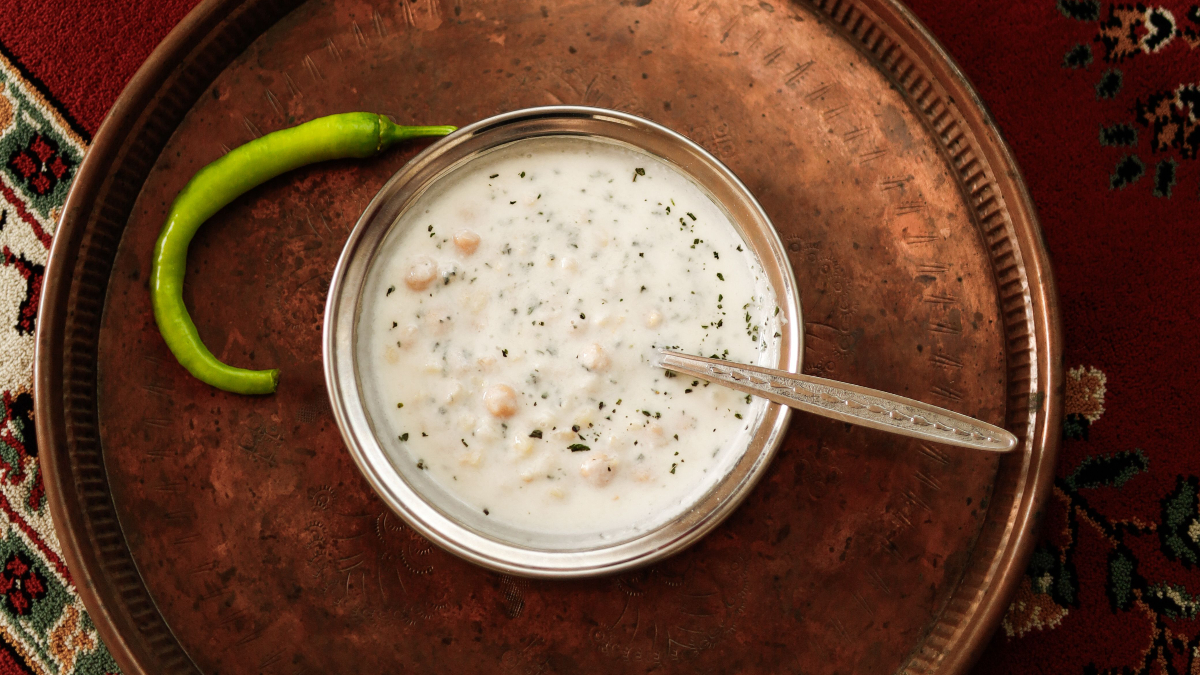
Thayir sadam is the other great Indian comfort dish. Unlike kadhi, the curd goes in after the rice has cooked and the finished dish isn’t heated again. If the curd contains live cultures and has been handled properly, some viable bacteria may remain — although neither their survival nor a particular gut-health benefit can be guaranteed.
1. Mash the freshly cooked rice lightly with the back of a spoon. Spread it in a shallow dish to let excess heat escape quickly; do not leave it sitting for hours on the counter.
2. When the rice is no longer steaming and is just warm, mix in the curd, salt and optional milk. Hot rice can reduce the viability of cultures in curd, but the degree depends on the temperature.
3. For the optional tempering, heat the oil, splutter the mustard seeds and briefly add the hing, curry leaves and ginger. Let it cool slightly before stirring it through. The dish works perfectly well plain.
4. Serve soon after making. If you are not eating promptly, refrigerate the rice or finished curd rice without delay. Do not leave it overnight or for hours in a warm kitchen.
Not every curd contains the same amount or strains of viable bacteria, and ordinary curd rice should not be presented as a clinically proven probiotic treatment. If you want a source of live cultures, use a fresh curd that contains them and avoid heating it afterwards.
Cooked rice can support growth of Bacillus cereus when left warm for too long. Cool rice promptly — ideally within one hour — refrigerate it at 5°C or below if not eating immediately, and use refrigerated cooked rice within 24 hours. The curd and optional milk make finished curd rice perishable too.
If dairy worsens your symptoms, particularly during or just after diarrhoea, skip this option. Nor is curd rice a universal recommendation for acidity or heartburn: sour foods and dairy can trigger symptoms in some people.
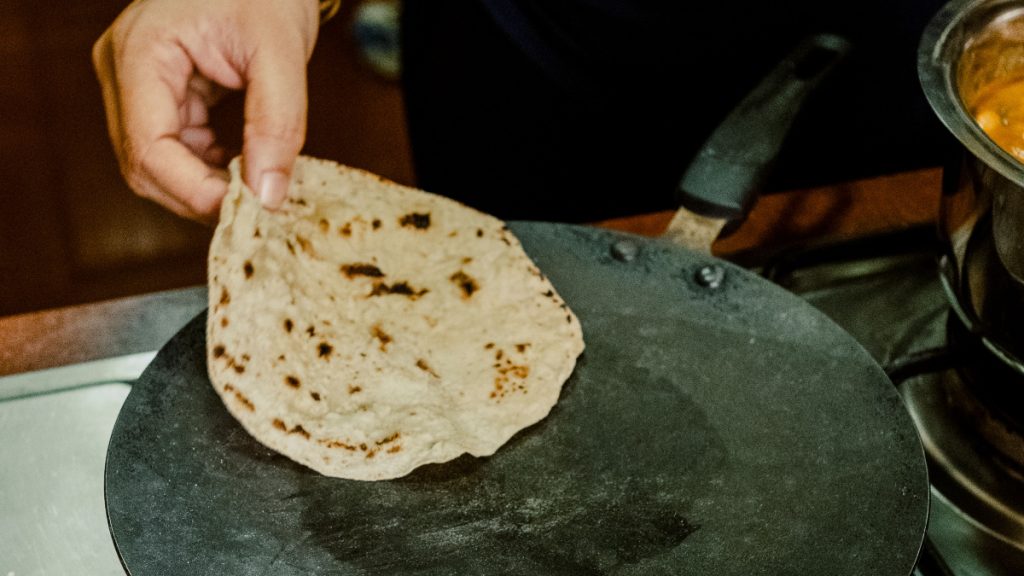
Thin, warm and heavily scented with cumin and pepper, rasam is what a lot of South Indian households produce when someone is off their food. It’s more drinkable than edible, which can be appealing on an evening when a large plate doesn’t sound inviting. But its tamarind and pepper mean it won’t suit everybody, especially anyone who finds sour or spicy food aggravates heartburn.
1. Crush the jeera, pepper and garlic coarsely rather than grinding to a paste.
2. Simmer the tomato, optional tamarind, haldi, salt and crushed mixture in the water for about 8–10 minutes. Add the cooked dal here if using.
3. Heat the ghee or oil separately, splutter the mustard seeds, then briefly add the hing and curry leaves. Pour the tempering into the rasam and switch off; a prolonged hard boil dulls the aroma.
4. Serve in a small bowl if that is all you want for now. Add rice or cooked dal if you need a more substantial meal.
Pepper and jeera have a long history in Indian cooking and in traditional digestive preparations. That tradition does not prove rasam improves digestion. If tamarind, pepper or garlic make your symptoms worse, this is not the dinner to push through for its reputation.
Think of the choice as preference and tolerance, not a symptom-to-recipe prescription. If you want soft, mild food after a rich meal, khichdi may appeal. If you like curd and dairy generally suits you, curd rice is another familiar option. If you want something warm, savoury and mostly liquid — and tolerate pepper and tamarind — rasam might be the one.
For heartburn, consider whichever option is least acidic and least spicy for you, and avoid lying down soon after eating if that tends to worsen symptoms. Plain khichdi may suit some people better than tangy rasam or curd rice; there is no guaranteed choice. People with recurring reflux should speak to a healthcare professional.
If you’re not hungry yet, you don’t need to force dinner to give your stomach ‘something to work on’. If you are hungry, you also don’t need to skip food as punishment for yesterday’s meal. Eat what you comfortably can, drink normally, and seek advice for symptoms that are more than a passing off-day.
There is no need to live on plain rice or follow a restrictive “gut reset”. If you have vomiting or diarrhoea, hydration and medical red flags matter much more than selecting a special dinner. Return to your normal, varied meals as appetite and comfort return.
None of these dishes fixes anything, and they aren’t meant to. They ask relatively little of you on an evening when that is the point, which is why Indian kitchens have been producing versions of them for generations. Eat whichever you enjoy and tolerate, keep rice and dairy safe, and return to your ordinary meals when you’re ready. And if you find yourself needing a ‘recovery dinner’ often, that’s the signal to speak to a doctor rather than simply getting better at making khichdi.
This article offers general food and nutrition information for generally healthy adults experiencing mild, passing discomfort. It is not medical advice, diagnosis or treatment. Seek advice promptly for severe, recurring or unexplained symptoms, persistent vomiting, dehydration, blood in stools or difficulty swallowing. Children, pregnant people, older adults and people who are immunocompromised or have significant medical conditions may need individual guidance sooner.
• NIDDK. Eating, Diet, & Nutrition for Diarrhea.
• NIDDK. Symptoms & Causes of Diarrhea (red flags and dehydration).
• NIDDK. Eating, Diet, & Nutrition for GER & GERD (night-time reflux and individual triggers).
• WHO. Diarrhoeal Disease (rehydration and nutrition).
• Food Standards Agency (UK). Safe cooling and storage of cooked rice.
• UK Government. Student Guide to Food Safety and Hygiene (rice cooling, 24-hour storage).
• ICMR–National Institute of Nutrition. Dietary Guidelines for Indians (2024).
Not automatically. During some brief episodes of nausea, diarrhoea or bloating, softer cooked foods and smaller portions of raw or bulky foods may feel more comfortable. That is individual and temporary; return to your usual fibre-rich, varied diet when you feel better.
It can, if the curd contains viable cultures and the dish is not heated afterwards. Warm rice and storage conditions can affect viability, so curd rice cannot be guaranteed to deliver a particular number of live bacteria or a proven probiotic effect.
Only if you personally tolerate it. Sour curd and dairy can worsen symptoms in some people. Choose the least acidic and spicy foods that suit you, avoid lying down soon after meals if you have night-time reflux, and seek advice if heartburn persists.
Yes, only if the rice was cooled quickly after cooking, promptly refrigerated and kept cold. Use it within 24 hours, and do not use rice left overnight at room temperature. Refrigerate finished curd rice promptly if it will not be eaten straight away.
Prioritise replacing fluids and electrolytes. Use ORS according to its packet instructions when needed, and seek prompt medical advice if you cannot keep fluids down, show signs of dehydration, have repeated vomiting, severe pain, fever or bloody/black stools.
Rice and moong dal provide carbohydrate, some plant protein and energy, making a soft khichdi a reasonable meal option for many adults. Its adequacy depends on the portion and the rest of your diet; it is not a complete long-term diet or a substitute for assessment of ongoing illness.