K-Drama Food Looks Irresistible. But Is It Good for Your Gut?
From the kimbap in Extraordinary Attorney Woo to kimchi, bibimbap and late-night ramyeon, a nutritionist separates the gut-health evidence from the screen-induced craving.
Table of Contents
K-drama food is not automatically good—or bad—for your gut. Unpasteurised, unheated kimchi may contain live lactic-acid bacteria; bibimbap and a varied spread of banchan can supply fibre and plant variety. Ramyeon, tteokbokki and fried chicken are better understood as comfort foods, often higher in sodium and lighter on fibre. What matters is the whole meal: the vegetables, beans, seaweed and protein around the headline dish, as well as seasoning, portion size and your own tolerance. Korean food offers plenty of gut-supportive possibilities, but no single dish earns a health halo.
K-dramas have always understood that food can do emotional work. A late-night bowl of ramyeon can turn into a confession. Tteokbokki can summon school-day nostalgia. Fried chicken and beer can mark a celebration, while a home-cooked spread can soften a difficult conversation.
Kimbap became inseparable from Extraordinary Attorney Woo, while food-centred dramas such as Tastefully Yours and Bon Appétit, Your Majesty have made the screen-to-craving pipeline even harder to resist.
Food works as a supporting character because sharing it makes closeness visible.
That emotional pull is real. This is also why a simple nutritional ranking can be misleading: food presented at its most dramatic is not necessarily meant to serve as a health lesson. A more useful approach is to distinguish fermented foods from probiotic foods, vegetables from mere decoration, and an occasional comfort meal from an everyday eating pattern.
For this guide, gut-friendly means a meal pattern that can supply fibre and a range of plant foods, fits the eater’s own tolerance, and does not let salt, rich sauces or portion size disappear from view.
Fibre has well-established roles in gastrointestinal health, but its effects vary by type, amount and person. No single Korean dish can guarantee a healthier gut microbiome.
Not automatically.
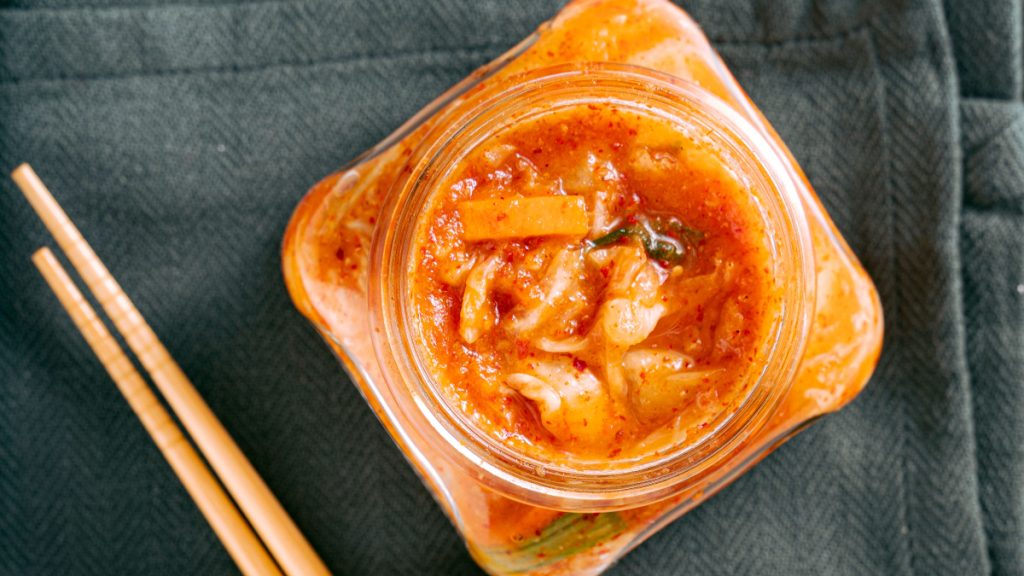
Kimchi is made by salting and seasoning vegetables and allowing a community of lactic-acid bacteria to drive fermentation. Cabbage kimchi, radish kkakdugi, cucumber oi sobagi and watery dongchimi can differ in ingredients, acidity, age and microbial make-up.
If fermented kimchi is unpasteurised, kept chilled and served without further cooking, viable bacteria may be present.
That is promising, but it is not the same as a probiotic claim. Scientific consensus reserves the word probiotic for identified live microorganisms shown to confer a health benefit when consumed in an adequate amount. Kimchi does not deliver one standard strain or dose.
Laboratory research has found potentially useful properties in particular kimchi-derived strains, including survival under simulated acid and bile conditions. But a finding from one isolated strain cannot be assigned to every jar of kimchi.
A small human intervention has also reported changes in faecal microbiota after regular kimchi intake. The study was conducted in a specific clinical group, however, and does not establish the same effect for every product or person.
The accurate description is therefore: a fermented vegetable food that may contain viable lactic-acid bacteria, not a clinically proven probiotic. Check whether packaged kimchi is pasteurised, follow its storage instructions and remember that its sodium content can be substantial, depending on the recipe and portion.
Yes—but not as a dependable source of live microbes.
Heating kimchi for fried rice or jjigae makes a live-culture contribution unreliable. It does not make the vegetable nutritionally blank: its fibre, vegetable ingredients and flavour remain, although the final nutritional profile depends on the recipe and cooking method.
The same distinction applies to doenjang. Fermentation creates the soybean paste, but boiling it in a stew substantially changes and reduces its viable microbial population.
Enjoy kimchi jjigae and doenjang jjigae as dishes made with fermented ingredients rather than depending on them for live cultures.
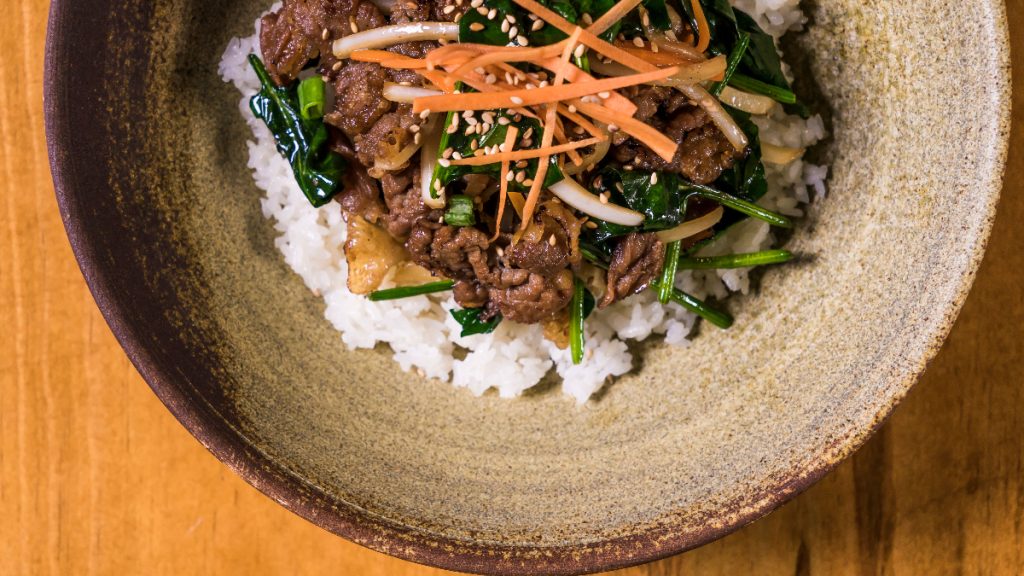
Bibimbap can be a useful meal template: rice, several seasoned vegetables, a source of protein and often an egg, mixed with gochujang.
Spinach, bean sprouts, mushrooms, courgette and carrot can bring genuine plant variety and fibre into one bowl. The name bibimbap, however, does not guarantee six vegetables, and restaurant portions and sauce levels vary.
Keep the vegetables abundant, include a satisfying protein and add gochujang according to taste. A sizzling dolsot changes the texture, not the nutritional category.
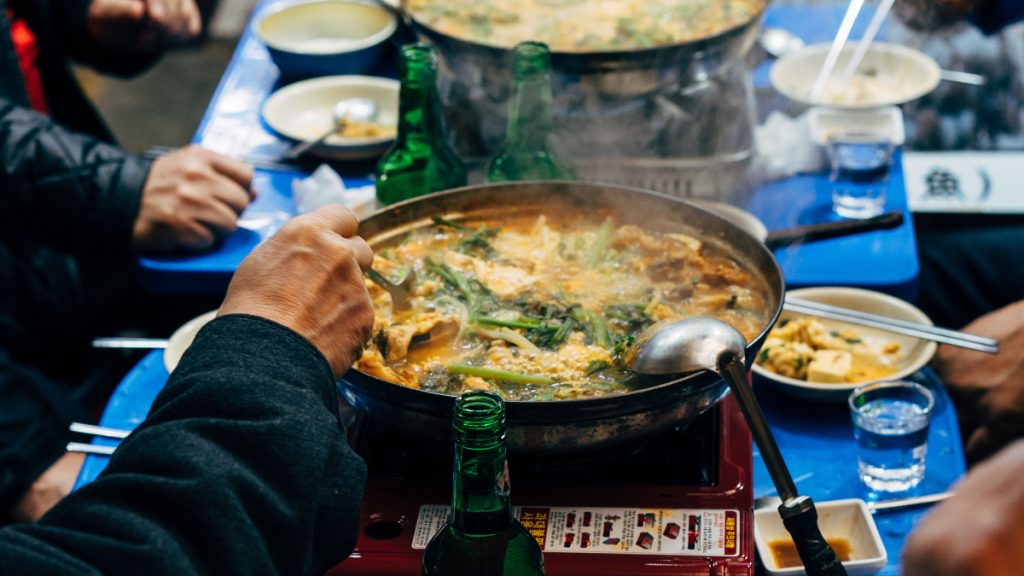
A spread of banchan can make a meal more varied, but not every side dish is vegetable-forward or low in salt.
The table may include greens, beans and seaweed alongside pickles, glazed dishes, egg, fish or fried foods. The advantage is opportunity: small amounts of several plant foods can widen the mix, much as they can in a well-composed Indian thali.
Scan the whole spread rather than simply counting dishes. Balance salty pickles and sauces with less heavily seasoned vegetables, beans or pulses.
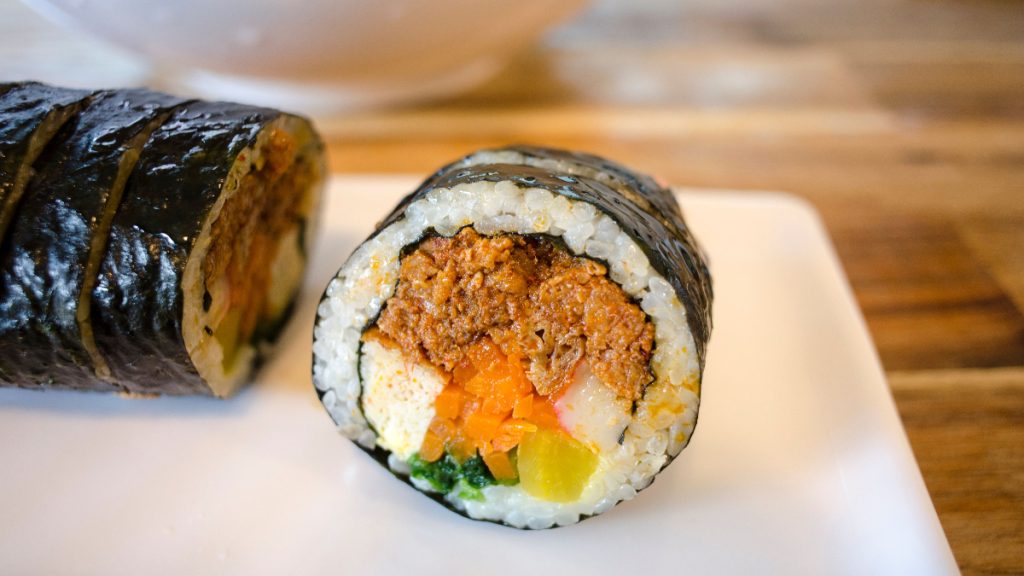
Kimbap—also spelt gimbap—can contain seaweed, rice, carrot, spinach, pickled radish, egg and another source of protein. Another roll may lean heavily on processed meat, mayonnaise or fried fillings.
Seaweed can contribute iodine and other minerals, but its iodine content varies widely by species and product.
Kimbap is not simply sushi by another name. Its rice is commonly seasoned with sesame oil and salt rather than sushi vinegar, while its typical fillings and eating context also differ.
Its nutritional value is determined by the filling, seasoning and portion—not by the rolled shape.
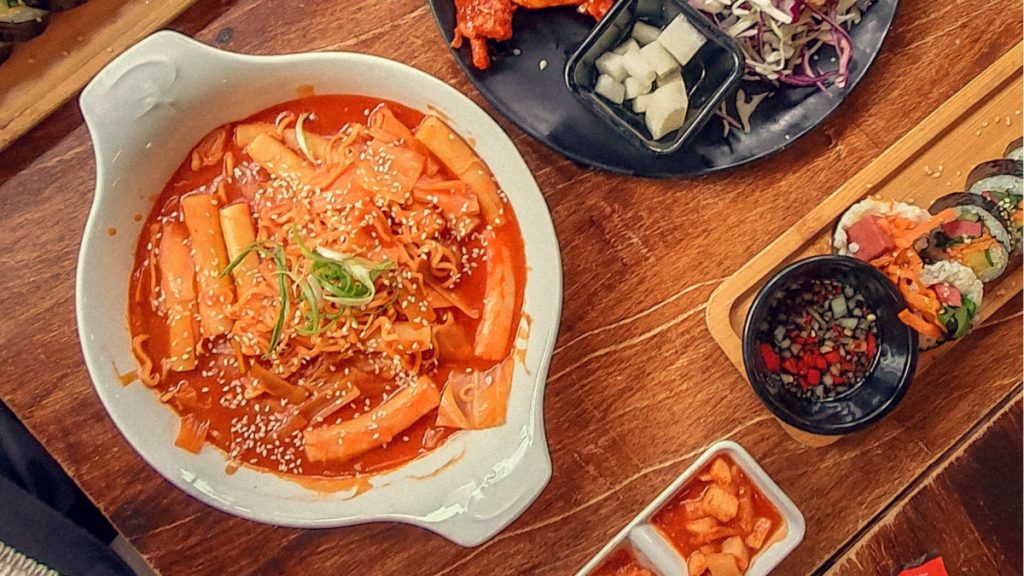
They can fit into a varied diet, but they are better treated as comfort foods than as gut-health staples.
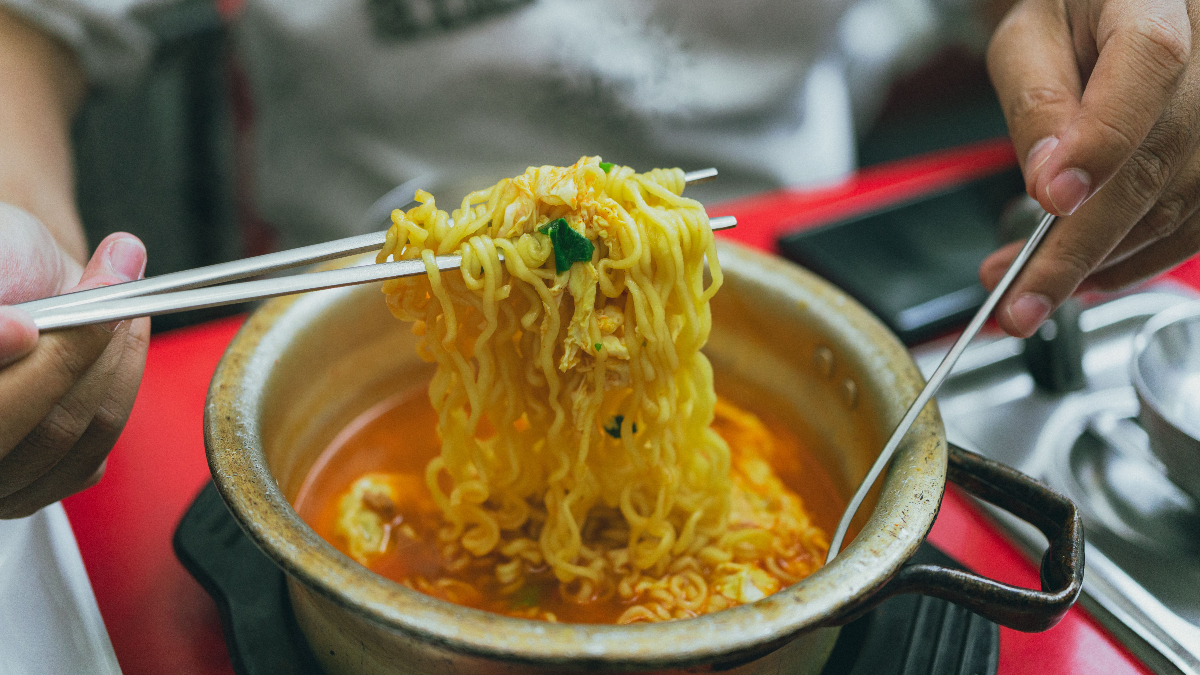
Tteokbokki delivers chewy rice cakes in a sweet, spicy gochujang-based sauce. Ramyeon offers instant noodles and a deeply savoury broth. Korean fried chicken brings crunch, glaze and the pleasure of sharing. Their appeal is not a trick, and none of these foods needs to be recast as health food to earn a place at the table.
Nutritionally, the dishes often centre on refined starch or fried food and can carry considerable sodium, sugar or fat. They may offer relatively little fibre unless the rest of the meal changes.
Gochujang is a fermented condiment, but commercially processed gochujang—or gochujang cooked into a sauce—is not a dependable source of live cultures.
Add vegetables, tofu or egg to ramyeon; share the tteokbokki or chicken; or simply enjoy the original occasionally. Context matters more than a moral label.
Korean barbecue is more nuanced than either “protein-rich” or “too fatty”.
Meat supplies protein and micronutrients, while the cut, marinade and portion shape the overall meal. Lettuce or perilla ssam, garlic, spring onion and vegetable banchan genuinely add plant foods. They do not cancel a very large serving of fatty meat or salty-sweet sauces.
Pile on the greens, balance richer cuts with leaner ones where practical, and let ssamjang add the punch rather than turning every bite into an excuse for a refill.
| Dish | What it may offer | Reality check | A practical move |
|---|---|---|---|
| Unpasteurised, unheated kimchi | Vegetables; viable lactic-acid bacteria may be present | Not a standardised probiotic; sodium and cultures vary | Check pasteurisation, storage and portion |
| Bibimbap | Potentially several vegetables, rice and protein | Vegetable variety and sauce levels differ by bowl | Keep the vegetables abundant; add sauce to taste |
| Banchan | An easy route to plant variety | Not every side is plant-rich or low in salt | Choose a mix of greens, beans and seaweed |
| Kimbap | Seaweed plus vegetables and protein, depending on the filling | Processed fillings and sauces can shift the balance | Look at the filling, not only the format |
| Doenjang jjigae | A satisfying dish made with fermented soybean paste | Boiling makes live cultures unreliable; the broth can be salty | Pair it with vegetables and consider the complete meal |
| Tteokbokki or ramyeon | Comfort, convenience and easy customisation | Often refined starch with a salty or sweet sauce | Add vegetables and protein, or share |
| Fried chicken | Protein and pleasure | Frying, glaze and portion drive the nutritional load | Choose a portion that fits the occasion |
| Korean barbecue | Protein plus scope for vegetable wraps | Wraps do not cancel rich cuts or marinades | Use plenty of leaves and keep raw and cooked utensils separate |
Want to build a Korean-style meal around the foods you enjoy? Ask Happy Tummy GPT: “I like kimchi, bibimbap and ramyeon. Help me add more plant variety without turning the meal into diet food.”
Continue the Food on Screen series: C-Drama Food Has Us Hooked. How Gut-Friendly Is It? | Why Food in J-Dramas and Anime Looks So Good…and Is It Good for Your Gut? | Thai BL Food Looks Delicious. But Is It Good for Your Gut?
At tabletop grills, keep tongs and plates used for raw meat separate from cooked food, and cook meat thoroughly. For packaged fermented foods, follow refrigeration, use-by and storage instructions.
Anyone who is pregnant, immunocompromised or following a medically prescribed diet should use food-safety and dietary guidance appropriate to their circumstances.
Disclaimer: This article is for general informational purposes only and is not a substitute for personalised medical or dietary advice. Individual tolerance, food-safety needs and dietary requirements vary. Consult a qualified healthcare professional if you have persistent digestive symptoms or require guidance for a medical condition.
Not automatically. Unpasteurised, unheated fermented kimchi may contain viable lactic-acid bacteria, but probiotic requires evidence for identified live microorganisms, an adequate amount and a health benefit. Recipes, strains, storage and serving sizes vary.
Cooking makes the survival of live microbes unreliable, so cooked kimchi should not be depended on as a probiotic food. Its vegetable ingredients, fibre and flavour remain, although the complete nutritional value depends on the recipe.
Neither is automatically superior. A refrigerated product labelled unpasteurised may be more likely to contain viable bacteria, although the label cannot guarantee a particular strain or amount. Homemade kimchi depends on the recipe, hygiene, fermentation and storage. Sodium varies in both.
Traditional gochujang is a fermented chilli paste commonly made with red pepper powder, grain, fermented soybean material and salt. Commercial formulations and processing differ, and cooked gochujang sauce should not be treated as a reliable source of live cultures.
Bibimbap can provide useful plant variety and fibre when it contains several vegetables, along with rice and a satisfying protein. Its nutritional balance depends on the actual vegetables, portion, oil, protein and amount of sauce—not the dish name alone.
No. Both can combine rice and seaweed, but kimbap rice is commonly seasoned with sesame oil and salt, while sushi rice is seasoned with vinegar. Their usual fillings, flavours and cultural contexts also differ.
Ramyeon is quick, affordable, familiar and strongly associated with convenient or late-night eating in Korea. On screen, a steaming pot also gives characters an ordinary meal to cook and share, making it useful shorthand for hunger, comfort and growing intimacy.
It can be uncomfortable for some people. Chilli, acidity, garlic, fermentable ingredients and salt may all matter, depending on individual tolerance and portion size. If kimchi is new to you, start with a small serving rather than assuming more is better.
A whole cuisine cannot be given one health score. Korean meals can include vegetables, beans, fish, seaweed and fermented foods; they can also be high in sodium or centre on refined starch, rich meat and fried dishes. Frequency, portion and the complete meal are more informative than nationality.
There is no single figure because portions, recipes and toppings vary. As a reference point, the USDA Food and Nutrient Database for Dietary Studies lists about 330 kcal for a 250 g cup of Korean tteokbokki. A larger street-food portion—or one containing extra fish cake, egg, cheese or cream sauce—may differ considerably. Rice cakes provide much of the energy, while the sauce and additions change the final count. Check the packet or restaurant information when you need an exact figure.