Mediterranean Diet for Gut Health: A Nutritionist Explains
What the research actually says, what it doesn’t, and how the pattern can work in an Indian kitchen.
Table of Contents
The Mediterranean diet is a well-studied eating pattern built around vegetables, fruit, legumes, whole grains, nuts and unsaturated fats. It can support a fibre-rich diet, and studies have found promising links with gut bacteria and their metabolites. But a consistent increase in microbial diversity or short-chain fatty acid production isn’t guaranteed. You can apply many of its principles to an Indian plate without importing every ingredient.
It wasn’t designed by any one person. American physiologist Ancel Keys and his colleagues helped study and popularise the pattern through the Seven Countries Study, which began in the 1950s. They were examining eating habits and heart health across different populations, documenting patterns that already existed rather than inventing a new diet.
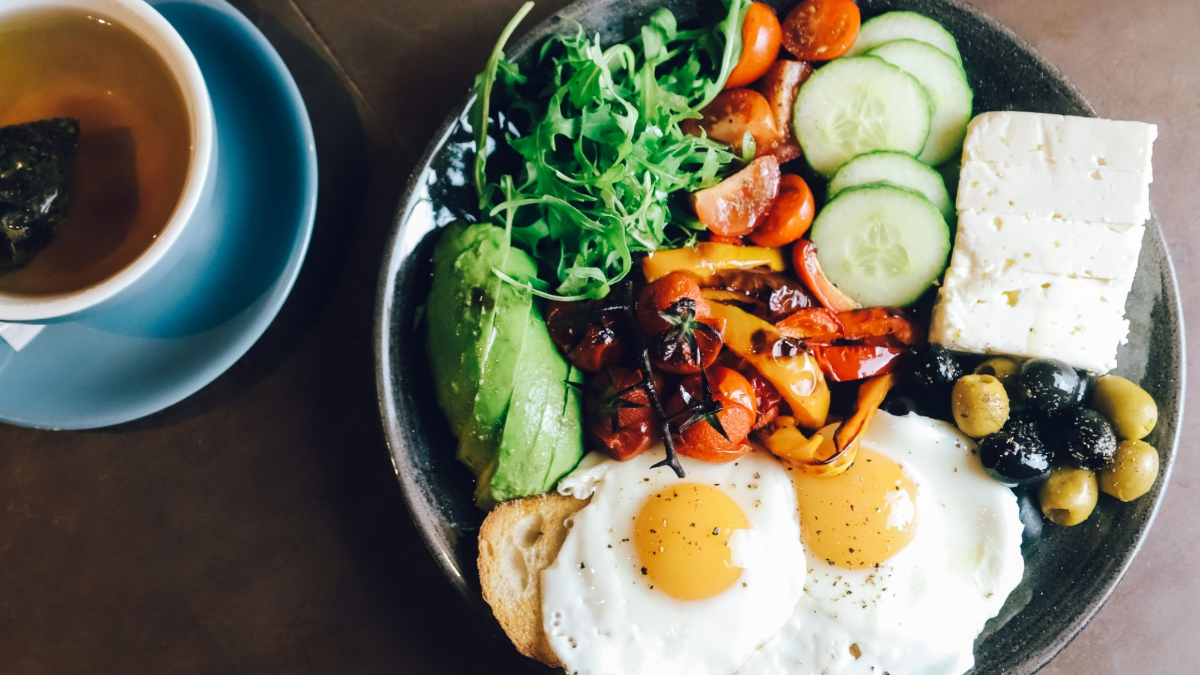
There isn’t one standard Mediterranean diet, either. The shared features include olive oil as a principal fat, plenty of vegetables, fruit, whole grains, legumes, nuts and seeds, fish regularly, moderate dairy and poultry, and less red or processed meat, refined food and added sugar. Wine appears in some traditional versions, but it isn’t required. If you don’t drink, don’t start for health reasons.
Yes, with a bit of precision about what ‘good for your gut’ means. It’s one of the most studied diets there is overall: decades of research, not a wellness trend that showed up five years ago. The pattern itself is simple: lots of vegetables, fruit, legumes and whole grains, olive oil as the main fat, fish and seafood regularly, moderate dairy, and less red meat or highly processed food.
Clinical studies have found changes in fibre-fermenting microbes, including Faecalibacterium prausnitzii and Roseburia. In the NU-AGE study, researchers profiled the gut microbiota of 612 older adults across five European countries over a year. Greater adherence to the diet was associated with changes in specific microbes and with markers of lower inflammation and frailty. Its findings on increased short-chain fatty acid production were inferred from microbial profiles, rather than directly measured.
These compounds include acetate, propionate and butyrate. Butyrate helps fuel the cells lining the colon and supports the intestinal barrier. Other microbes, including Bifidobacterium, can contribute to the wider fermentation network, but the studies don’t show the same set of bacteria increasing in everyone. In a separate observational study of 153 adults, eating more plant foods in line with the Mediterranean pattern was associated with higher faecal short-chain fatty acid levels. That’s encouraging, but an association isn’t the same as proof of a treatment effect.
Not one ingredient on its own, honestly, though olive oil gets most of the credit in headlines. It’s really the whole pattern working together. The fibre from all that plant variety is what many of your gut bacteria are feeding on, and that’s an important part of the picture. Olive oil supplies unsaturated fats and polyphenols, but it’s one contributor among several, not a magic ingredient you can just add to an otherwise ordinary diet and expect the same result.
What you eat less of matters too: processed meat, sugary drinks and highly refined snacks have less room on this plate. That doesn’t mean all processed food is a problem. Plain curd, frozen vegetables and canned beans can still fit. The useful distinction is the overall quality of the diet, rather than a simple story about feeding ‘good’ bacteria and starving ‘bad’ ones.
There is an Indian way to apply the principles, and a well-structured thali can follow much of the same nutritional logic. Dal supplies plant protein and fibre; seasonal vegetables provide micronutrients; and whole grains can take the place of refined flour. Whole-grain Khapli atta, such as Aashirvaad Chakki 100% Khapli Atta, is one option for the roti alongside that dal and sabzi. Khapli is emmer wheat, also known as Triticum dicoccum.
Whole-wheat fibres include arabinoxylans, which gut microbes can ferment. Laboratory research on wheat arabinoxylans has measured short-chain fatty acid production during fermentation. That’s part of the reason to keep whole grains in the picture alongside vegetables and legumes.
Mustard or groundnut oil can be practical local sources of unsaturated fats, curd can provide dairy, and if you’re along the coast, fish may already be part of the picture. A vegetarian version can lean on dal and other legumes, with dairy or suitable alternatives according to your diet. Paneer and tofu offer different options when you’re planning the protein part of the plate.
The point is the underlying pattern: plant variety, whole grains, unsaturated fats and less highly refined food. An Indian plate built that way applies similar principles with local ingredients. It’s a practical adaptation, though; it hasn’t been shown to produce identical microbiome effects to the diets used in those trials.
It’s fair if you’re trying to recreate it exactly as written in a European cookbook. Imported olive oil and fresh salmon in India can cost more than most households want to spend regularly. But that isn’t where you have to start. Legumes, seasonal vegetables and whole grains, the actual core of the pattern, can be affordable everyday foods. Local oils, local fish or dal let you follow the nutritional principles without the imported price tag.
There’s no need to choose a premium grain to make the framework work. Regular whole-wheat atta and locally available whole grains can belong on the same plate. The choice depends on access, budget, taste and what you’ll actually keep cooking.
That’s a fair thing to have read, and I’d rather say so directly than pretend the evidence is more settled than it is. When researchers look at randomised controlled trials rather than just observing people’s existing eating habits, the evidence that this diet meaningfully increases overall bacterial diversity is mixed. Some studies find it, some don’t.
It’s worth being equally careful about composition and metabolites. A systematic review of 17 randomised trials and 17 observational studies found no clear, consistent effect on gut microbiota composition or metabolism overall. A separate review of 37 observational and intervention studies was more positive, reporting associations with diversity and changes in particular microbes. Different participants, diets, study lengths and measurement methods help explain why the findings don’t line up neatly.
So the honest version is: some trials show shifts in specific fibre-fermenting microbes and their metabolic potential, but neither a diversity ‘boost’ nor an increase in short-chain fatty acids can be promised to every person. The diet’s value as a healthy eating pattern is better established than a single, predictable microbiome response.
Add more plant variety and swap some red or processed meat for legumes or fish, if you eat it. You don’t need to buy olive oil or start eating a Greek salad. A slightly more varied dal rotation and one more vegetable on your plate most days would bring you closer to this diet’s underlying pattern than chasing any specific imported ingredient would.
If your usual fibre intake is low, make those changes gradually and keep fluids adequate. Our guide to increasing fibre in an Indian diet turns that advice into foods you can actually cook. If you’ve been given a specific therapeutic diet, follow that rather than automatically adding more fibre.
Not a prescription, just an illustration of the pattern, adapted to what’s actually available in an Indian kitchen. Portions need to suit your appetite, energy needs and any medical advice.
The pattern matters more than the exact meals: plenty of plants, legumes regularly, fish if you eat it, fewer ultra-processed foods, and an unsaturated oil doing most of the cooking.
A week built loosely around this shape might include fish or seafood two or three times, vegetarian legume-based meals on other days, and red meat, if eaten at all, no more than once. These are examples rather than fixed rules for every version of the diet. None of this needs to be tracked precisely unless you’ve been advised otherwise; the direction matters more than hitting an exact count.
| May Fit Your Routine Naturally | May Need More Planning |
| You already cook with a good rotation of vegetables and legumes. | You rely heavily on ready-to-eat meals and don’t cook most days. |
| You eat fish, or already build varied vegetarian meals around legumes and other protein foods. | You’re vegan and need suitable alternatives to the fish and dairy in traditional versions. |
| You want a flexible framework rather than a strict rulebook. | You’re looking for a precise daily structure, or need a therapeutic diet tailored to you. |
| You have reasonable access to vegetables, fruit, whole grains and legumes. | Those foods are difficult to access or afford where you live. |
Disclaimer: This article provides general nutrition information and is not a personalised dietary plan or a treatment for a digestive condition. If you’re managing a medical condition, have food allergies or intolerances, or have been prescribed a therapeutic diet, consult your doctor or qualified dietitian before making substantial changes. If digestive symptoms continue, are severe or keep coming back, seek medical advice.
Vegetables, fruit, legumes, whole grains, nuts and unsaturated fats form the base. Traditional versions also include fish, some dairy and poultry, with less red or processed meat and fewer highly refined foods. It’s a flexible pattern, not one fixed menu.
Yes. Dal, seasonal sabzi, whole-grain roti or rice, nuts and suitable unsaturated oils can apply many of the same principles. You don’t need imported salmon or a premium flour. These are practical adaptations, rather than proven substitutes for every effect seen in Mediterranean-diet trials.
No. A vegetarian adaptation can use pulses, legumes, dairy or suitable alternatives, with attention to overall nutrient needs. Wine isn’t required. If you don’t drink alcohol, don’t start for health reasons.
No single ingredient reproduces the whole pattern. Olive oil contributes unsaturated fats and plant compounds, while fibre comes mainly from foods such as legumes, whole grains, vegetables and fruit. Adding oil alone doesn’t guarantee a particular microbiome change.
There’s no reliable timetable or guaranteed symptom benefit. Microbiome findings vary between studies and people. If you’re adding fibre, increase it gradually and keep fluids adequate; persistent or severe digestive symptoms need medical advice.