When Tiredness Becomes ‘Normal’: The Iron Deficiency Many Indian Women Miss
From menstrual blood loss to the iron absorbed from everyday meals, a clinical dietitian explains what dietary changes can help — and when food alone isn't enough.
Table of Contents
While Khapli atta is a whole-grain flour that contains iron and can contribute to an Indian woman’s diet, it is not sufficient on its own to prevent or cure iron deficiency.
Aashirvaad Chakki 100% Khapli Atta contains 3.3mg of iron per 100g of product, whereas refined maida contains approximately 1.77mg of iron per 100g. However, regular whole-wheat atta also contains iron. The amount of iron that is actually absorbed by the body depends upon the other foods consumed in the meal, the individual’s iron stores and their overall health.
Combining foods that contain iron with vitamin C, eating a variety of foods and paying attention to the timing of your consumption of tea and coffee can help. If, however, you suspect that you or someone else has iron deficiency or anaemia, it is best to consult a doctor, as dietary changes alone may not be enough to treat these conditions.
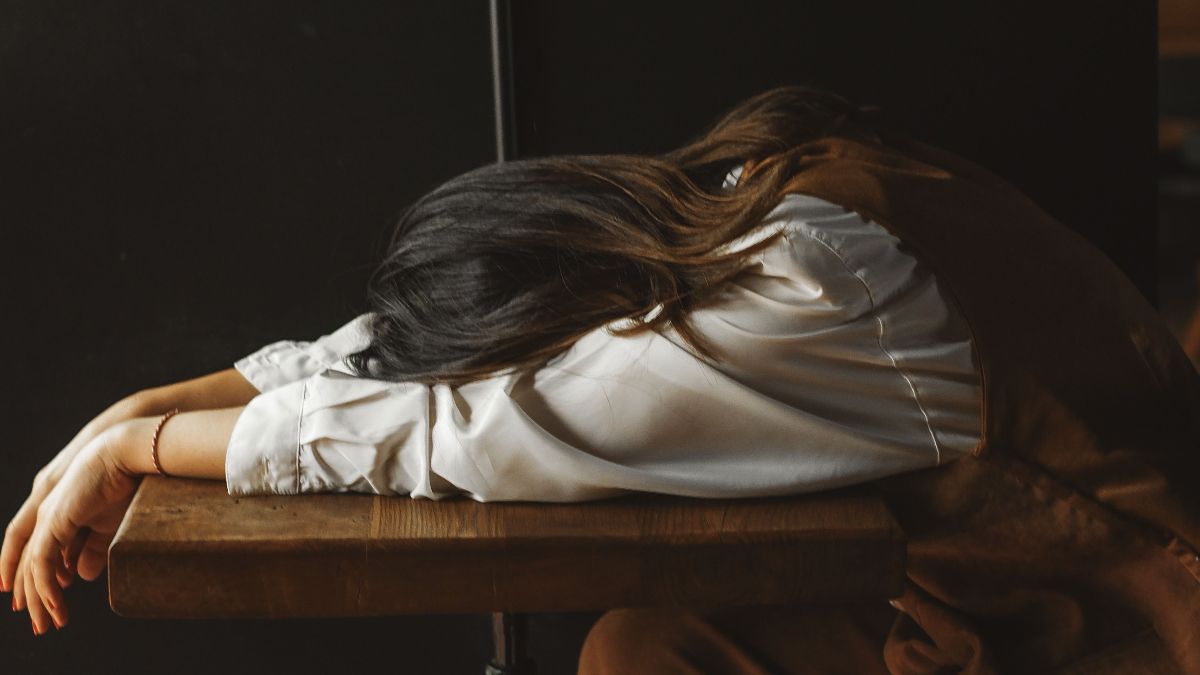
In my practice as a clinician treating patients of all ages, I find that iron deficiency is one of the most common conditions affecting women of all backgrounds and income levels. Fatigue that does not improve with rest, hair fall that has no obvious explanation, feelings of dizziness or weakness and poor concentration are just some of the common manifestations of this condition that I encounter frequently in my practice.
Most of my patients think of their fatigue, hair loss, dizziness, weakness and lack of concentration as normal symptoms of a busy life. I have come across many women who are tired all the time and feel that they are not able to do as much as they used to. But these symptoms could indicate an underlying deficiency of a fundamental nutrient required by the body. There could be many other causes for these symptoms as well, which would need to be investigated.
Iron deficiency anaemia is a condition that affects a disproportionate number of Indian women. Many of these women present for investigation of other health problems and only discover that they have iron deficiency when the blood tests come back. By this time, iron deficiency has often been developing for months.
This piece is written with a view to explaining what iron deficiency means for our bodies, why Indian women are especially prone to it and, above all, how we can make some simple dietary changes to address the problem, beginning with the grain that we eat every day.
The numbers are difficult to ignore: According to the National Family Health Survey (NFHS-5, 2019–21), about 57% of women aged 15-49 years are anaemic.
Again, the percentage above refers to the prevalence of anaemia and not specifically to iron-deficiency anaemia. While iron deficiency is an important cause of anaemia, there are other nutritional deficiencies, as well as inherited, infectious and chronic conditions that can cause anaemia.
Even with the distinction in place, the extent of the problem for Indian women is considerable.
As noted, the effects of iron deficiency extend well beyond the symptom of tiredness. In addition to affecting concentration and physical energy, it can also have an impact upon work, and upon overall health and well-being. The immune system also requires iron to function properly.
Iron deficiency is not just found in women with very poor diets. Women who eat regular meals and even eat well most of the time can have iron deficiency. The contributing factors are many, including menstrual blood loss, increased iron requirements, the type of iron consumed on a daily basis and the body’s ability to absorb iron.
The problem is that iron deficiency is generally cumulative and insidious. A person may experience a gradual decline in energy and concentration over a period of six months or more before linking these changes to a depletion of iron stores. By the time a patient presents with symptoms of iron deficiency, a significant depletion of iron stores may have occurred.
As mentioned above, several risk factors are present for women of reproductive age, but these are particularly relevant for women between 25 and 44 years of age.
Heavy or prolonged menstrual bleeding results in women losing large amounts of iron every month. Even with adequate dietary intake, this can lead to low iron stores. Women should know their menstrual cycle patterns and their effect on iron stores.
Pregnancy and childbirth can deplete a woman’s iron stores, and her body may require additional iron during the post-partum period. However, many women’s dietary habits are irregular during this time, and their recovery needs may take a back seat.
In addition to these physiological reasons why women between 25 and 44 years are particularly vulnerable to iron deficiency, lifestyle also plays a significant role. Stress, irregular eating patterns and missed meals during the day (especially breakfast) can all lead to a lack of iron-containing foods in the diet. Extreme diets, such as crash diets, can also lead to iron deficiency in women. In general, irregular and inadequate nutrient intake over a long period of time can cause iron deficiency.
Lastly, there is also the food environment. Many modern diets contain frequently consumed refined foods, and many of these foods are not rich in iron. It is when we consume a variety of whole foods that we can obtain a range of nutrients, including iron.
In traditional Indian meals, iron-rich foods like dal, leafy vegetables, whole grains and other meal components are consumed frequently. Even jaggery contains some iron. However, the amount of iron in jaggery is variable; hence, it cannot be considered a treatment for iron deficiency or a major source of iron.
When you eat mostly nutrient-poor foods, chances are that you may not get all the required micronutrients, even if you eat frequently throughout the day.
Haem iron, found in meat, fish and poultry, is generally absorbed more efficiently, since its absorption is less affected by other nutrients in the diet.
Non-haem iron is found in plant-based foods such as legumes, leafy green vegetables, whole grains and seeds, and is also often found in fortified foods. The amount of non-haem iron absorbed by the body varies and is greatly affected by other foods eaten at the same time.
For Indian women in particular, it is essential to understand the difference between haem and non-haem iron and how non-haem iron features in their typical diet. A large proportion of the Indian population consumes primarily plant-based sources of iron (by choice or because of cultural practices).
Even a vegetarian diet that contains ample iron can provide adequate amounts of the mineral if care is taken to select iron-containing foods and combine them in ways that support iron absorption.
The reference intake of iron for non-pregnant women is 29mg/day (ICMR-NIN, 2020), whereas for pregnant women it is 27mg/day (ICMR-NIN, 2020). These are population dietary requirements calculated based on certain assumptions and should not be confused with the amount of iron required to treat an individual with iron deficiency.
Each woman will have different iron requirements depending upon her general health, her circumstances and her clinical assessment.
For more information on the factors influencing the absorption of dietary iron from a vegetarian Indian diet, read Iron Absorption in a Vegetarian Indian Diet: What Helps?
There is a large difference between whole grains and refined flour such as maida.
Most of the bran and germ is removed while milling the grain to produce maida, leaving mainly the starchy endosperm.
However, it is essential to realize that even a finely milled packaged atta is not maida. Whole wheat atta can even be ground to a fine texture and still contain bran and germ.
There are several varieties of ancient grains that have been cultivated for thousands of years. These include Khapli wheat, or emmer wheat, which can be milled into whole-grain flour to retain the bran and germ.
This flour, Aashirvaad Namma Chakki 100% Khapli Atta, is made using the brand’s traditional Chakki Jaisi Pisai method. It is sourced from farmers in Karnataka and Maharashtra. The iron content of this flour is 3.3mg/100g, which is higher than the 1.77mg/100g of iron in refined wheat flour listed in the Indian Food Composition Tables 2017.
It also contains 11.4g of fibre/100g (vs. 2.76g in refined flour).
There is an important qualification.
Note: The iron content and total dietary fibre of regular whole-wheat flour (atta) in the Indian Food Composition Tables 2017 are approximately 4.10mg/100g and 11.36g/100g, respectively. Thus, the comparisons here are not meant to establish the superiority of Khapli atta over regular whole-wheat atta in terms of iron or dietary fibre content.
It is also important to note that there may be nutritional differences between various whole-grain flours and refined maida. However, these would have to be established from the actual nutritional composition of the flours rather than from their being described as “ancient”.
I do not recommend Khapli atta as a treatment for iron-deficiency anaemia. Instead, I explain how the flour can be part of an overall nutritious and sustainable diet that contributes to iron intake and the nutritional quality of meals.
In terms of nutritional value, it can be one component of a healthy, sustainable diet made up of foods that provide iron and other nutrients.
So, if you or someone you know has iron deficiency or anaemia, appropriate assessment, investigation of the cause and treatment as needed are required. Iron supplementation may be required, and changing to this atta will not, by itself, treat or prevent iron deficiency or anaemia.
The bottom line is that, even though Khapli atta can be a good addition to a nutrient-dense diet, it is in no way a guarantee against iron deficiency or anaemia. Depending on the cause and severity, iron supplementation may be necessary for people with iron deficiency or anaemia.
Khapli is a whole grain that can be milled into flour while retaining all parts of the grain, including the bran and germ. Whole-grain flour is more nutritious in certain respects than refined flour because it can contribute more fibre and other nutrients to the daily diet.
Assessing the iron content of food is only half the story of iron intake. The other half is the absorption of this iron by the gut.
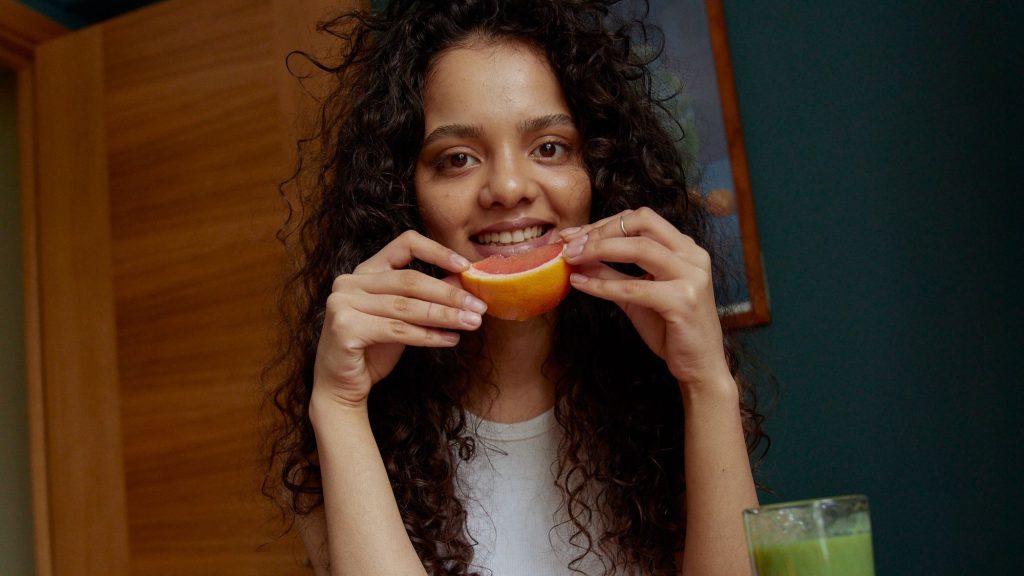
One of the best ways to increase your absorption of non-haem iron from your diet is to include vitamin C-rich foods with your iron-containing foods. This can be in the form of a squeeze of lemon over your dal, a glass of freshly squeezed amla juice or even eating an iron-rich meal with a guava or orange on the side.
Again, the extent to which vitamin C can increase the absorption of iron from a meal varies. It also depends on the individual’s iron status, the type of iron in the food, the quantity of vitamin C consumed in the meal and even the form of vitamin C in the food.
Here are some ways to pair a source of iron with vitamin C for improved absorption:
All these can easily be incorporated into the average Indian diet when meals are prepared from fresh produce.
Equally important is understanding what inhibits absorption.
Tea and coffee, if consumed in sufficient quantities with meals, can decrease non-haem iron absorption due to the presence of polyphenols, including tannins. This is another dietary pattern that I take into account in my practice.
One must also be mindful of tea or coffee consumption. Although consuming these beverages well after a meal is generally not a problem, it is best to have them at least an hour after a meal containing non-haem iron to support its absorption.
While there is some evidence from single-meal studies that calcium can reduce the absorption of non-haem iron, there is little evidence to support the claim that people with adequate iron stores should avoid calcium-containing foods altogether. For those on prescribed iron supplements, however, the timing of calcium-containing foods may need to be adjusted.
Phytates are also found in high quantities in whole grains, seeds and nuts. However, these foods are good sources of iron as well as fibre. So, there is no need to avoid them in the diet of individuals with iron deficiency.
In some cases, absorption of non-haem iron may be affected by intestinal disease or chronic inflammation, or by the body’s ability to use iron that has been absorbed. These problems need to be investigated by a doctor. While a healthy diet with a good mix of foods and possibly some fermented foods or increased fibre can help to ensure that overall nutritional needs are met, it is not a substitute for proper medical diagnosis and treatment of iron absorption problems.
The above scientific information is important to remember. Here are some practical ways to make sure you get enough iron — ways that you can incorporate into your daily life.
Khapli roti with green leafy vegetables and lemon. A preparation of saag (such as spinach, methi or amaranth) served with whole-grain Khapli rotis and a squeeze of lemon or lime is a good way to get plant iron along with vitamin C from the lemon or lime. Whole-wheat rotis can also be used for this purpose.
Beetroot, sprouts and amla salad: This salad is a great way to have a variety of vegetables, pulses and vitamin C. The sprouts in this salad contain plant-based iron, and amla contains vitamin C. Beetroot is a great vegetable and should be consumed, but it is not high in iron. Make sure to cook the sprouts thoroughly to avoid foodborne illness.
In addition to the individual meals listed above, dals (lentils) can be paired with vitamin C sources. Use dals in different ways throughout the day. Vitamin C can be added to dal after cooking, or it can be provided by a separate dish or a salad dressing. Tomatoes can be used in the preparation of dal, or a fresh tomato salad can be eaten as a side dish. Even a squeeze of fresh lemon juice added to dal at the table can help enhance iron absorption.
Nuts and seeds such as sunflower, pumpkin and flax can be added to meals like breakfast cereals, curd and salads. Even a teaspoon of mixed seeds at breakfast can provide iron along with healthy fats. Of course, the amount of iron contributed will depend upon the type and quantity of seeds added to the diet. These are just additions to a balanced diet. For example, sesame seeds, or til, can easily be added to our diet, as they already feature in many Indian recipes.
Dietary strategies for iron intake can include a balanced breakfast rather than skipping breakfast altogether. Patients who miss breakfast may have lower nutrient intakes over the rest of the day, so it can be better to have a good meal at the start of the day instead of drinking just chai for breakfast. A good breakfast includes a whole grain (cheela or roti), a protein source (eggs, paneer or dal) and a vitamin C source (tomato, fruit or amla).
As a clinical dietitian, I sometimes work with a patient’s clinician to ensure that the patient receives the appropriate iron supplements and takes them correctly to support iron absorption.
While it is good to make dietary changes to try to address underlying nutritional deficiencies, it is also important to recognise when medical treatment is required and not to delay treatment of diagnosed iron deficiency in the hope that diet alone will correct it.
Iron supplements can have side effects such as nausea, constipation and stomach upset. Some people find it difficult to take iron supplements for long periods because of these side effects. So, it is very important to discuss with your doctor ways of managing any side effects you may experience. There may be changes to the way you take iron that will help you continue taking it safely for as long as needed.
One way to support the body’s iron needs over the years is for a patient to practise habits that help with dietary iron intake and absorption: pairing dal with lemon, not drinking chai with iron-rich meals, eating a variety of iron-containing foods and having regular, substantial meals.
Thus, preventing iron deficiency and its recurrence can be supported by sustainable dietary habits, appropriate food combinations, screening for iron deficiency when indicated and, most importantly, a long-term approach to nutrition and health.
Looking at preventive healthcare strategies, it becomes clear that sustainable dietary habits and appropriate food combinations can help ensure adequate iron intake and prevent avoidable nutritional deficits over the long term.
Preventing a recurrence of iron deficiency also requires the underlying causes to be identified and addressed (e.g. heavy menstrual bleeding, post-natal blood loss or inflammatory bowel disease).
In summary, preventing iron deficiency and its recurrence means identifying the cause and planning nutrition for the long term by developing an everyday eating plan alongside treatment as necessary.
You have far more power to change your diet than is often acknowledged in nutritional messages. The simplest changes to improve your diet can have a huge impact over time.
Your grain is a good place to start.
Ministry of Health & Family Welfare — NFHS-5 (2019–21) Anaemia Findings
ICMR–National Institute of Nutrition — Nutrient Requirements for Indians, RDA and EAR 2020
ICMR–National Institute of Nutrition — Indian Food Composition Tables 2017
World Health Organization — Anaemia: Causes, Prevention and Treatment
NIH Office of Dietary Supplements — Iron: Health Professional Fact Sheet
CDC — Safer Food Choices During Pregnancy
This article is intended for general educational and informational purposes. It reflects Dr Payel Kr Roy’s clinical nutrition experience and does not constitute personalised medical advice, diagnosis or treatment.
Anaemia has several possible causes, and symptoms such as fatigue, dizziness, breathlessness and hair loss are not specific to iron deficiency. Blood tests, including a complete blood count and iron studies such as serum ferritin when appropriate, may be required to establish the diagnosis.
Anyone with suspected or confirmed iron deficiency, heavy menstrual bleeding, pregnancy-related concerns or a medical condition affecting iron absorption should consult a qualified healthcare professional. Severe breathlessness, chest pain, fainting or rapidly worsening symptoms require urgent medical evaluation.
Dietary changes, including switching flour or adjusting meal combinations, should not replace prescribed iron treatment or investigations into the cause of anaemia. Do not begin, stop or change therapeutic iron supplementation without appropriate clinical advice.
Product nutrition values may vary by batch or specification and should be checked against the approved current label.
Dr Payel Kr Roy is Chief Clinical Dietician and Critical Care Nutritionist at Techno India DAMA Multispeciality Hospital.
Menstrual blood loss, pregnancy, inadequate dietary iron intake, reduced absorption and certain medical conditions can all contribute. Heavy or prolonged periods increase the risk further. The causes vary between individuals, and anaemia should not automatically be assumed to result from iron deficiency without appropriate testing.
Possible symptoms include fatigue, weakness, dizziness, difficulty concentrating, reduced stamina and hair shedding. Some people may have low iron stores before significant symptoms appear. These symptoms are not specific to iron deficiency, so clinical assessment and appropriate blood tests are important.
Whole-grain Khapli atta contributes dietary iron, but it is not a treatment for iron deficiency or iron-deficiency anaemia. The product discussed here reports 3.3mg iron per 100g. Its contribution is best understood as one part of a varied diet, alongside other iron-containing foods and medical treatment when needed.
Not according to the figures used in this comparison. Aashirvaad Namma Chakki 100% Khapli Atta reports 3.3mg iron per 100g, while ICMR-NIN's Indian Food Composition Tables list ordinary whole-wheat atta at approximately 4.10mg per 100g and refined maida at 1.77mg. Product-specific data and reference-table values are not identical laboratory comparisons.
Vitamin-C-rich foods such as lemon, amla, guava and capsicum can improve non-haem iron absorption when eaten with iron-containing meals. Tea and coffee consumed with meals may inhibit it. Iron absorption also depends on existing iron stores, medical conditions and the overall diet.
Some people may benefit from improving dietary intake, but diagnosed iron-deficiency anaemia often requires medical treatment and investigation of its cause. Diet alone may not correct depleted iron stores, particularly when there is substantial blood loss or impaired absorption. Treatment should be guided by a qualified healthcare professional.