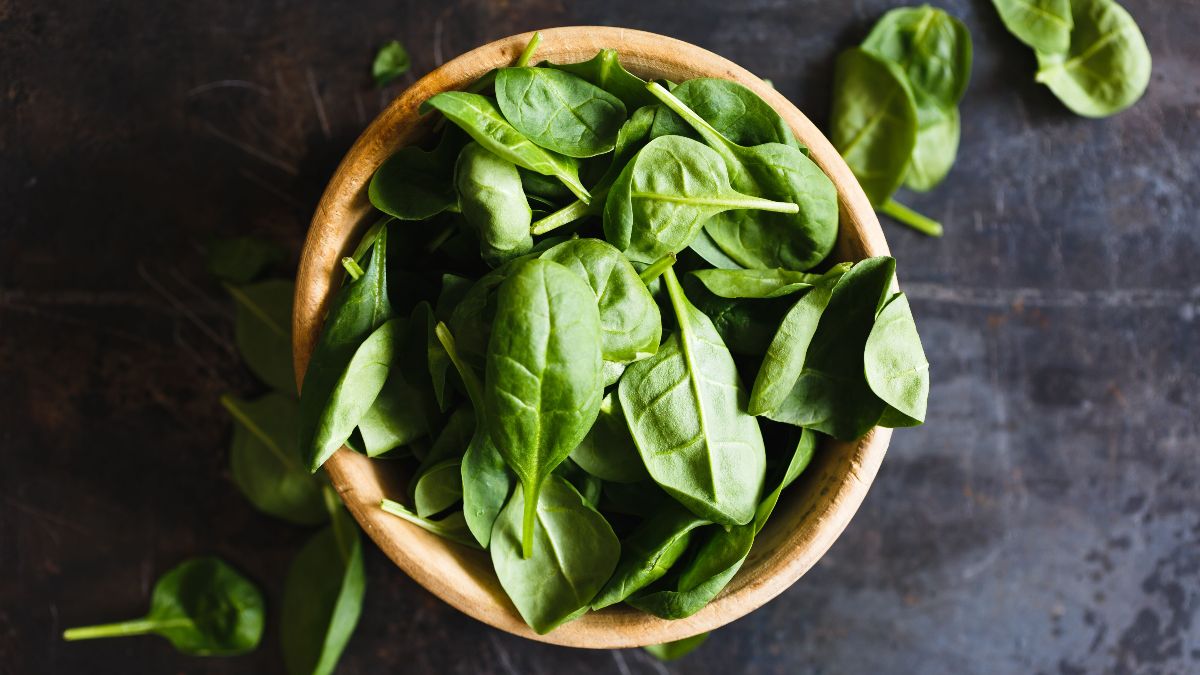
Iron isn’t about eating one “superfood” and hoping for the best. From dals and leafy greens to sesame, meat and whole grains, daily intake comes from the pattern of foods on your plate — and what you eat alongside them matters too.
That low-battery feeling has many possible causes. Iron deficiency is one worth knowing about — and everyday meals are part of the picture.
There’s a very specific kind of tiredness that a lot of Indian women learn to normalise. It’s not dramatic exhaustion. It’s quieter than that: a constant low-battery feeling that’s just… there. You wake up tired. Midday hits and your energy drops sharply. Climbing a flight of stairs feels more annoying than it should. Someone says, “thoda weakness lag raha hai?” and the answer is almost always yes.
Sooner or later, iron enters the conversation. Maybe through a blood test that comes back with a flag. A doctor’s comment at a routine check-up. Pregnancy supplements. A family member insisting, “palak khaaya karo.”
There is good reason iron gets discussed so often in India. According to NFHS-5 (2019–21), 57% of Indian women aged 15–49 were anaemic. That is not a niche health statistic. It is a majority. But one distinction matters: anaemia is not always caused by iron deficiency. Iron deficiency is an important cause, but vitamin deficiencies, infections, inherited blood disorders and other conditions can also produce anaemia. Symptoms alone cannot tell you which one is responsible.
So food matters. But diagnosis matters too.
And when food is the conversation, iron isn’t about eating one “superfood” and hoping for the best. It’s about building intake steadily, meal by meal, day by day. That’s exactly where staple foods — the things you eat repeatedly without much thought — become quietly important.
Why Iron Matters — and Why We Miss It
Iron is essential to haemoglobin, the protein in red blood cells that carries oxygen around the body. It also plays roles in muscle metabolism, cellular function and several other biological processes. When iron stores become depleted enough to cause iron-deficiency anaemia, symptoms can include fatigue, weakness, reduced stamina and difficulty concentrating.
The reason people miss it is that fatigue is extraordinarily easy to explain away. It doesn’t announce itself on a Monday morning with a sign saying CHECK YOUR FERRITIN. It builds quietly, while work is busy, sleep has been poor, the children need something, an elderly parent needs something else, and “a bit tired” gradually becomes the default setting.
Especially for women, there are often half a dozen perfectly plausible reasons for exhaustion before anyone thinks of asking whether there might also be a nutritional or medical one.
That is why persistent tiredness deserves proper assessment rather than self-diagnosis with spinach.
Is Iron Deficiency the Same as Anaemia?
Not quite.
Iron deficiency means the body’s iron stores are low.
Iron-deficiency anaemia occurs when that deficiency progresses far enough to affect haemoglobin and the blood’s ability to transport oxygen effectively.
And anaemia itself can have causes other than iron deficiency.
This matters because increasing iron-rich foods is sensible dietary practice, but it is not a substitute for finding out why somebody is anaemic.
Haem and Non-Haem Iron: What’s the Difference?
Dietary iron comes in two forms, and the distinction matters particularly in an Indian food context.
Haem iron is found in animal foods such as meat, poultry and seafood. It is generally more readily absorbed.
Non-haem iron is the form found in plant foods — pulses, grains, leafy vegetables, nuts and seeds — as well as in fortified foods. Its absorption is much more influenced by what else is in the meal. Vitamin C can enhance it; phytate and certain polyphenols can reduce it.
The lower bioavailability of plant iron doesn’t make it useless. It simply means that variety and pairing matter.
A familiar Indian meal can actually make very good use of that principle: dal or chana supplying non-haem iron, vegetables alongside, and lemon or another vitamin-C-rich food added to the meal.
Sometimes nutrition science arrives simply to explain why a plate already made sense.
Which Indian Foods Are Good Sources of Iron?
There isn’t one winner, and it helps to look beyond spinach.
For people who eat animal foods, meat, poultry and seafood can provide haem iron.
Plant-based Indian sources include:
- dals and whole pulses such as chana, rajma, masoor and moong;
- sesame seeds or til;
- garden cress seeds, also known as halim or aliv;
- green leafy vegetables such as palak and chaulai;
- whole grains, including wheat;
- nuts and seeds.
The exact amount varies enormously between foods and between raw and cooked forms, so “per 100g” comparisons need to be read carefully.
And one familiar entry deserves a little myth correction: jaggery can contain some iron, but it should not be treated as an iron supplement or a primary strategy for correcting deficiency. Its mineral content varies, and it remains an added sugar.
ⓘ An Iron-Smart Indian Plate
Instead of searching for one heroic ingredient, try to combine:
An iron-containing food:
Dal, chana, rajma, leafy greens, sesame, whole grain, meat or fish
+ A vitamin C source:
Lemon, amla, guava, tomato, capsicum or another vitamin-C-rich fruit/vegetable
+ A little distance from tea:
If iron absorption is a concern, avoid having strong tea with the iron-containing meal
That is a far more useful formula than “eat palak”.
Where Khapli Atta Fits In
No atta alone will fix anaemia.
That’s important to say clearly, and we’re saying it first. If you have clinically significant iron deficiency or anaemia, the appropriate response is a conversation with your doctor, not a change of flour. Khapli atta is not a treatment.
What it is, is a staple food — and staple foods matter because they repeat.
Aashirvaad Chakki 100% Khapli Atta contains 3.3mg iron per 100g according to the current Chakki Certificate used for this article. That means it can contribute non-haem iron as part of the day’s intake.
The comparison needs to be made carefully, though.
ICMR–NIN’s Indian Food Composition Tables list refined wheat flour or maida at approximately 1.77mg iron per 100g, whereas regular whole-wheat atta is listed at approximately 4.10mg per 100g. In other words, Khapli should not be presented as automatically higher in iron than every regular atta simply because it is an ancient wheat.
The more defensible point is simpler: a whole-grain wheat flour can contribute to the iron coming from an everyday Indian meal, while refined flour has lost much of the nutrient-rich outer grain during milling.
Aashirvaad Chakki 100% Khapli Atta is also sourced from farmers in Karnataka and Maharashtra and uses the brand’s Chakki Jaisi Pisai process. The product therefore fits here not as an iron cure, but as one more whole-grain contributor within a plate that should still contain pulses, vegetables and other foods.
Why Women in Particular Need to Pay Attention
Menstruation is an obvious physiological factor. Blood loss means iron is lost too, and women with heavy or prolonged periods can be at greater risk of iron deficiency.
Pregnancy increases iron requirements considerably as maternal blood volume expands and iron is required for the developing baby and placenta. The postpartum period can bring its own challenges, particularly where blood loss, depleted stores and the sheer logistics of caring for a newborn collide.
But there is another, more domestic layer worth naming.
In some Indian households, women still routinely put everybody else’s plate together before their own: children first, then parents or grandparents, then the other adults, then herself. It is not always dramatic or deliberate. It can simply become the architecture of everyday caregiving.
The person planning everybody else’s nutrition can very easily become the person whose own meal is least considered.
That is one reason staple foods and routine meal patterns matter. They do not remove the need for individual care, but they make nutritional quality less dependent on somebody remembering to make herself a separate “healthy” meal.
Iron-Rich Indian Foods That Work Well Alongside Khapli
Nutrition works best when foods support each other. Here are some everyday iron-containing foods that fit naturally into an Indian kitchen:
Palak and chaulai: Leafy greens contribute non-haem iron alongside folate and other nutrients. Add lemon or another vitamin C source to the meal rather than expecting the greens to do the entire job.
Dal and whole pulses: Masoor, moong, chana, rajma and other pulses contribute iron as well as protein and fibre. Their iron content varies, but the fact that they appear so regularly in Indian meals makes them practically important.
Black chana: Easy to use dry, sprouted or in a gravy; another pulse-based source of non-haem iron.
Sesame and garden cress seeds: Small quantities can fit into chutneys, laddoos or other familiar preparations, although portions matter when interpreting per-100g nutrient figures.
Animal foods, where eaten: Meat, poultry and seafood provide haem iron, which is generally more bioavailable than plant-derived non-haem iron.
Now imagine one ordinary plate: Khapli roti + dal or chana + sabzi + lemon.
The grain contributes some non-haem iron. The pulse contributes more. The vegetables broaden the meal. The vitamin C helps with absorption of the non-haem iron. That is the real nutritional pattern. Not one miraculous atta.
Why Vitamin C Matters for Iron Absorption
This is one of the most practical pieces of the iron puzzle.
Vitamin C improves the absorption of non-haem iron, particularly in individual meals where plant compounds such as phytate would otherwise inhibit some absorption.
The good news is that Indian food already offers plenty of natural pairings: lemon over dal, tomatoes in sabzi, amla, guava, capsicum, green chilli. That reflexive squeeze of nimbu over a bowl of dal turns out to make nutritional sense as well as culinary sense.
You do not need a vitamin C supplement beside every meal. You need a varied plate.
What About Chai With an Iron-Rich Meal?
This is the one habit worth paying attention to if iron intake is a concern.
Tea contains polyphenols that can reduce absorption of non-haem iron when consumed with the meal. In a controlled trial, drinking tea one hour after an iron-containing meal reduced that inhibitory effect compared with drinking the tea alongside the food.
So nobody is confiscating your chai.
If you are actively trying to improve iron intake, simply avoid making strong tea the automatic accompaniment to your most iron-rich meal. Shifting it until later is a surprisingly painless adjustment.
Which, in nutritional terms, is excellent news. Nobody wants dietary advice that begins with “First, abandon chai.”
Does Fibre Block Iron Absorption?
This question usually puts the blame on the wrong thing.
The more relevant inhibitor in many plant foods and whole grains is phytate, not dietary fibre itself. Phytate can bind iron and reduce the amount of non-haem iron absorbed from a meal.
That does not mean whole grains, pulses and seeds should be avoided — which would be a spectacularly counterproductive interpretation of the evidence.
They bring iron, fibre, protein and many other nutrients of their own.
The more useful strategy is to look at the whole meal: keep eating varied plant foods, include vitamin-C-rich foods alongside them, and avoid relying on one ingredient as your entire iron plan.
Again, the plate wins.
When Food Alone Is Not Enough
If a blood test shows iron deficiency or iron-deficiency anaemia, food may be one part of treatment — but it may not be enough to correct the problem on its own.
A clinician may need to determine why iron is low and whether supplementation or further investigation is necessary.
That is particularly important with heavy menstrual bleeding, pregnancy, gastrointestinal blood loss, absorption disorders or recurrent anaemia.
Do not keep trying to solve a medical deficiency by progressively adding more spinach.
Sometimes the next food decision should be book the appointment.
Small Changes, Repeated Daily
Iron intake is rarely about one ingredient. It is built through meal patterns, nutrient variety and sensible pairings — dal appearing regularly rather than occasionally, greens and pulses rotating through the week, vitamin C showing up alongside plant iron, and tea not automatically arriving in the middle of the meal.
Khapli atta can be one small part of that larger picture. Not a cure. Not an anaemia intervention. Not evidence that an ancient grain automatically contains more iron than every other wheat. Just another whole-grain food in a plate where the things eaten around it matter at least as much.
That is less dramatic than a superfood promise. It is also considerably easier to live with.
If you would like to understand how your dietary pattern measures up across iron-containing foods and other key nutrients, the Aashirvaad Daily Quota test can be a useful starting point.
Important: The DQ test can assess dietary patterns; it cannot tell you whether your blood iron, ferritin or haemoglobin levels are low. Those require appropriate medical testing.
FAQs About Iron-Rich Foods
Which Indian foods are rich in iron?
Useful Indian sources include pulses such as chana, rajma and dals; sesame and garden cress seeds; green leafy vegetables; whole grains; and, for people who eat animal foods, meat, poultry and seafood. The amount and bioavailability of iron vary between foods.
Which vegetarian foods contain iron?
Pulses, beans, leafy vegetables, sesame, garden cress seeds, nuts and whole grains all provide non-haem iron. Pairing these with vitamin-C-rich foods can help improve absorption.
Does lemon help your body absorb iron?
Vitamin C can enhance absorption of non-haem iron. Adding lemon or another vitamin-C-rich food to a plant-based iron-containing meal is therefore a useful pairing.
Does chai reduce iron absorption?
Tea taken with a meal can reduce non-haem iron absorption. A controlled trial found that waiting an hour after the meal reduced that inhibitory effect.
Is Khapli atta rich in iron?
Khapli atta contributes iron, but it should not automatically be described as higher in iron than ordinary whole-wheat atta. The Aashirvaad Chakki Certificate used for this article lists 3.3mg iron per 100g for its Khapli atta; IFCT 2017 lists ordinary whole-wheat atta at approximately 4.10mg/100g and refined wheat flour at approximately 1.77mg/100g.
Can eating iron-rich foods cure anaemia?
Not necessarily. Anaemia has several possible causes, and confirmed iron-deficiency anaemia may require medical treatment as well as dietary changes. A doctor should determine the cause and appropriate treatment.
Is jaggery a good way to increase iron?
Jaggery can contain some iron, but the amount varies and it is still an added sugar. It is better treated as a sweetener than relied on as a strategy for preventing or treating iron deficiency.
Why are women more likely to become iron deficient?
Menstrual blood loss and the increased iron requirements of pregnancy are important factors. Heavy menstrual bleeding can further increase risk, but individual causes vary and should be medically assessed when deficiency is suspected.
Ask Happy Tummy GPT
Try this prompt:
“Look at what I usually eat in a day and identify my main food sources of iron. Suggest simple Indian meal pairings that add vitamin C alongside plant-based iron, and flag where chai or coffee timing may be worth adjusting. Do not tell me whether I am iron deficient — explain when a blood test or doctor would be needed.”
Sources
- National Family Health Survey-5 (2019–21) / Ministry of Health & Family Welfare
- ICMR–National Institute of Nutrition: Indian Food Composition Tables 2017
- NIH Office of Dietary Supplements: Iron — Health Professional Fact Sheet
- NIH Office of Dietary Supplements: Vitamin C — Health Professional Fact Sheet
- Fuzi et al., American Journal of Clinical Nutrition (2017)
This article provides general dietary information about iron intake and is not a substitute for medical advice. If you suspect you have iron deficiency or anaemia, please consult a qualified doctor or registered dietitian.