Does Khapli Atta Make Cakes and Biscuits Healthy?
Khapli atta can bring whole-grain wheat into a biscuit, cake or namak para. But flour is only one part of a recipe — sugar, fat, salt, cooking method, portion and frequency still count.
Table of Contents
There is growing interest in traditional grains across Indian dining tables and kitchens, and Khapli wheat is becoming an interesting part of that conversation. As more households look beyond refined flour for everyday cooking, recipes made with Khapli atta have found their way into everything from rotis and parathas to cookies, cakes, crackers and festive snacks.
However, this growing popularity comes with a common assumption: if a recipe uses Khapli atta, it must automatically be healthy.
It is an understandable conclusion, but nutrition is rarely that straightforward.
Whether it is a homemade biscuit, a celebratory cake, a muffin or a crispy fried snack, the nutritional quality of a dish depends on much more than the flour alone. Sugar, fat, salt, portion size and cooking method all play a role, as does how frequently the food appears in your diet.
ALSO READ | Khapli Atta Pancakes: An Easy, Wholesome Breakfast Recipe
This is why it helps to think about recipes as complete foods rather than focusing on one ingredient as a miracle tool. Aashirvaad Namma Chakki 100% Khapli Atta can certainly be part of balanced home cooking, but it remains one component of the recipe, not its entire nutritional story.
Quick answer: Does Khapli atta automatically make a cake or biscuit healthy?
No. Using a whole-grain Khapli atta instead of refined flour changes the flour component of the recipe and retains the nutritional characteristics of the whole grain. But a cake is still influenced by how much sugar, butter or oil it contains; a biscuit still contains whatever fat and sugar the recipe requires; and a deep-fried snack remains fried. Khapli can improve one part of the ingredient list without cancelling everything else.
Across India, home cooks are rediscovering heritage grains that have been cultivated for generations but spent years outside the mainstream food conversation. Khapli wheat, also known as emmer wheat, is one of the older cultivated wheats and has a long history in parts of Maharashtra and Karnataka.
Its naturally nutty flavour and hearty character also make it interesting beyond rotis. It can move into crackers, biscuits, pancakes, cakes and savoury snacks without pretending to be refined flour.
Aashirvaad Chakki 100% Khapli Atta is a whole-grain wheat flour. Current Happy Tummy product information describes it as Khapli or emmer wheat flour retaining the whole-grain structure rather than being a refined flour.
That distinction matters. Whole grains retain the bran, germ and endosperm, while refining removes much of the bran and germ. As a result, whole-grain flour retains considerably more of the grain’s original fibre-containing structure than refined flour.
But here is the important second half of that sentence: Using a whole-grain flour does not automatically make the finished recipe nutritionally balanced.
It is easy to focus on one ingredient because it makes food choices feel simpler. Yet recipes are combinations of ingredients working together.
Consider three dishes:
All three contain the same flour.
They do not, however, contain the same amount of fat or sugar, use the same cooking method, come in the same portion size or play the same role in the diet.
That does not diminish Khapli atta or the nutritional characteristics of whole-grain wheat. A biscuit made with whole-grain atta still contains the grain’s fibre and other naturally occurring nutrients that would be reduced when using refined flour. It simply means “contains a nutritious ingredient” and “the whole food is automatically healthy” are not the same statement.
WHO’s healthy-diet guidance makes this broader distinction useful: whole grains form part of a healthy dietary pattern, while foods high in free sugars, sodium and less desirable fats should still be moderated.
Another common misconception around “healthier baking” is that replacing maida somehow offsets every other ingredient in the recipe.
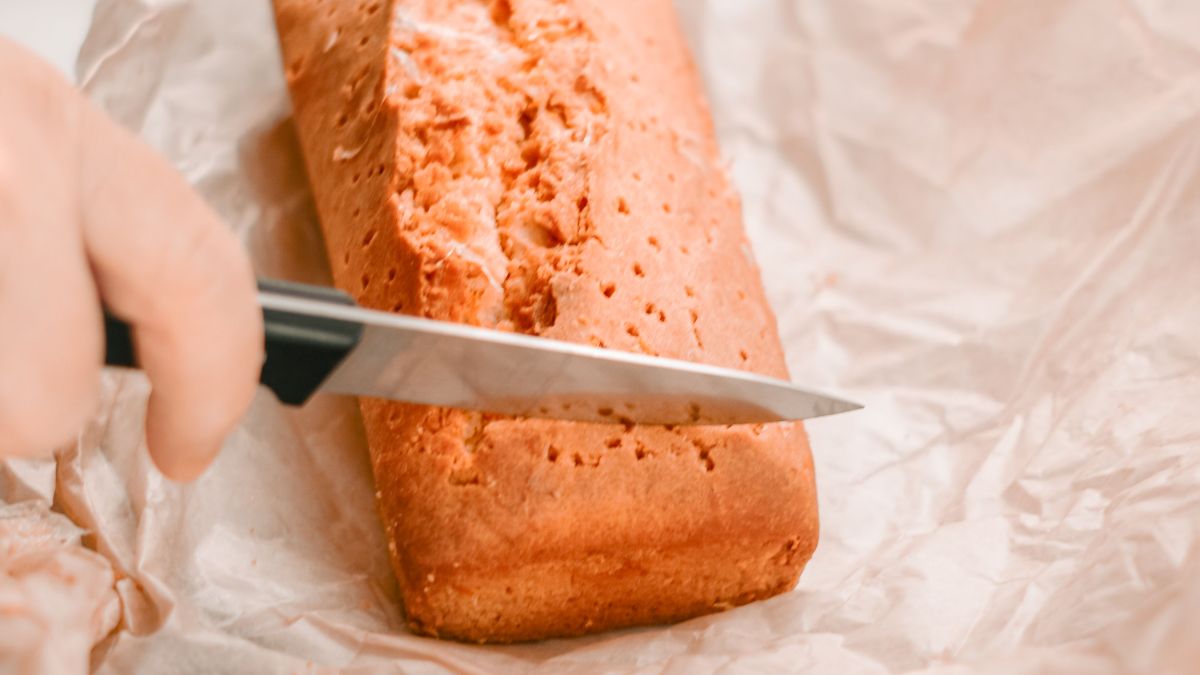
Take cake as an example. A cake prepared using Aashirvaad Chakki 100% Khapli Atta may bring the nutty flavour and whole-grain character of Khapli wheat, but the cake may still contain butter, oil, cream, chocolate, sugar or condensed milk. And no, these ingredients are not culinary mistakes.
ALSO READ | Khapli Roti, Porridge, or Cheela: Which Fits Your Day Best?
They are there for reasons. Sugar brings sweetness and contributes to texture and browning. Fat helps create tenderness, richness and mouthfeel. Eggs, yoghurt, milk and other ingredients affect structure and moisture. A celebratory cake is meant to behave like a cake.
Changing the flour changes one part of the recipe. It does not erase the rest of it.
The same principle applies to biscuits. Whole-grain flour can change their fibre and nutrient profile compared with the same recipe made from refined flour, but the finished biscuit still reflects the quantity of sugar, fat and salt that went into it.
That is not an argument against eating the biscuit. It is an argument against asking one ingredient to perform nutritional magic.
The same logic becomes even clearer with frying.
Khapli flour can become:
These preparations may begin with the same grain, but they do not finish with the same nutritional profile.
Deep-frying introduces substantially more cooking fat than steaming or dry-cooking. WHO specifically recommends limiting frequent consumption of fried foods as part of an overall healthy dietary pattern.
That does not mean the festival mathri needs to be banished from the house.
It means “made with Khapli atta” and “deep-fried” can both be true at the same time. One describes the flour. The other describes what happened to the whole food.
Home cooking does give you something useful: control.
You get to decide whether to bake, steam, use the stove, air-fry or go rogue and whip out the waffle-maker. You decide how much sugar, salt or fat goes into the recipe. You can add nuts, seeds, fruit, vegetables or spices where they make culinary sense. You choose the portion.
That doesn’t automatically make every homemade food healthier than every packaged or restaurant version. It simply gives you much more visibility over what went into it.
Using Aashirvaad Chakki 100% Khapli Atta at home also gives cooks the chance to explore the flour’s robust, slightly nutty flavour across both savoury and sweet dishes without forcing every recipe into the category of “health food”. And that may be the more enjoyable way to cook with it.
A cake can simply be a very good Khapli cake. A biscuit can simply be a biscuit made with whole-grain flour. They do not need wellness credentials before anyone is allowed to enjoy them.
One of the simplest ways to think about favourite foods is to ask how they fit into the larger pattern of eating.
A homemade Khapli biscuit served with evening tea occupies a very different place in someone’s diet from absent-mindedly finishing half the jar every evening. Similarly, a slice of birthday cake at a celebration is different from eating large portions of cake routinely.
CHECK OUT | Recipes For The Seven-Best Khapli Atta Sweets & Desserts
WHO’s current healthy-diet guidance is built around four useful ideas: adequacy, balance, moderation and diversity. That is considerably more practical than dividing every individual food into “healthy” and “unhealthy” camps.
So instead of asking: “Is this Khapli cake healthy?” try asking: “What’s in it, how much am I eating, how often am I eating it, and what does the rest of my diet look like?”
Those questions usually produce much more useful answers.
This is perhaps the easiest way to see the distinction.
| Question | Khapli / whole-grain atta | Maida / refined flour |
|---|---|---|
| Whole grain? | Yes | No |
| Bran and germ retained? | Yes | Largely removed during refining |
| Provides more whole-grain fibre? | Yes | Considerably less |
| Makes sugar in a recipe disappear? | No | No |
| Makes butter/oil disappear? | No | No |
| Makes a deep-fried food unfried? | No | No |
| Can be useful for baking? | Yes, with recipe adjustments | Yes |
| Automatically makes the finished food “healthy”? | No | No |
The whole-grain swap can be nutritionally meaningful.
It simply isn’t the only thing happening.
If all this talk about cake has made you hungry, that’s fair.
This simple vanilla yoghurt cake is an easy way to explore Aashirvaad Chakki 100% Khapli Atta in baking. The flour’s naturally nutty flavour works well with vanilla and citrus, while yoghurt helps keep the crumb moist.
It is still cake. That is entirely the point.
Serves 8–10, depending on slice size
For an eggless cake: use a recipe formulated and tested specifically without eggs rather than assuming yoghurt can replace two eggs one-for-one. Baking chemistry is less forgiving than internet substitution charts sometimes suggest.
So, does using Khapli atta automatically make a biscuit, cake or fried snack healthy?
No.
Khapli atta can bring whole-grain wheat into a recipe. That is a genuine change, particularly when the alternative is refined flour.
But the nutritional character of the finished food still depends on the rest of the recipe: how much sugar or salt it contains, the type and quantity of fat used, whether it is baked, steamed or fried, the portion you eat and how frequently that food appears in your diet.
The useful lesson is not that Khapli doesn’t matter. It is that Khapli matters without being magical.
And perhaps that is a much easier way to enjoy it. Make the roti because you enjoy the roti. Bake the cake because you want cake. Make festive mathri because festivals would be considerably duller without foods that exist simply because somebody wanted them to taste wonderful.
A whole grain can improve one component of a favourite recipe without turning the recipe into something it was never supposed to be.
Not automatically. Khapli atta is a whole-grain wheat flour, so changing from refined flour alters one part of the recipe. The finished cake still reflects its sugar, fat, toppings, portion size and overall recipe.
A Khapli biscuit made with whole-grain flour can retain more whole-grain fibre than an otherwise comparable biscuit made with refined flour. But the amount of sugar, fat and salt still matters, so the flour alone cannot tell you the nutritional quality of the finished biscuit.
They are different ingredients. Khapli atta is a whole-grain wheat flour, while maida is refined flour with much of the bran and germ removed. Whole grains are recommended as part of a healthy dietary pattern, but choosing whole-grain flour does not make every recipe made from it automatically balanced.
Using Khapli changes the flour, not the fact that the snack is fried. A deep-fried Khapli mathri or namak para still absorbs cooking fat and is best understood as a fried snack made with whole-grain flour.
Yes. Its flavour works well in many baked recipes, although whole-grain flour can behave differently from refined flour in terms of water absorption, texture and crumb. Recipes may need adjustments rather than a completely blind one-for-one swap.
Not necessarily. Total energy depends on the full recipe and quantities used. Changing the flour may alter the nutritional composition, but it does not remove the calories contributed by sugar, butter, oil, chocolate, cream or other ingredients.
Not automatically. Home baking gives you control and visibility over the ingredients and quantities you use, which can be helpful. But a homemade cake can still be rich in sugar and fat, while packaged products vary greatly. Compare the actual recipes or nutrition information rather than relying only on the words “homemade” or “Khapli”.
That depends on the biscuit, portion and rest of the diet. A biscuit remains a composite food, and regular intake should be considered alongside its sugar, fat and salt content rather than just the type of flour used.
No. Khapli is emmer wheat, so it contains gluten. It is not a gluten-free substitute for people with coeliac disease or those who medically need to avoid wheat.
Disclaimer: This article provides general food and nutrition information and is not a substitute for personalised medical or dietary advice.