Multigrain Atta, Explained Without the Hype
Multigrain atta offers grain diversity rather than a guaranteed nutritional upgrade. Learn what the label means, what varies by blend and how to choose it sensibly.
Table of Contents
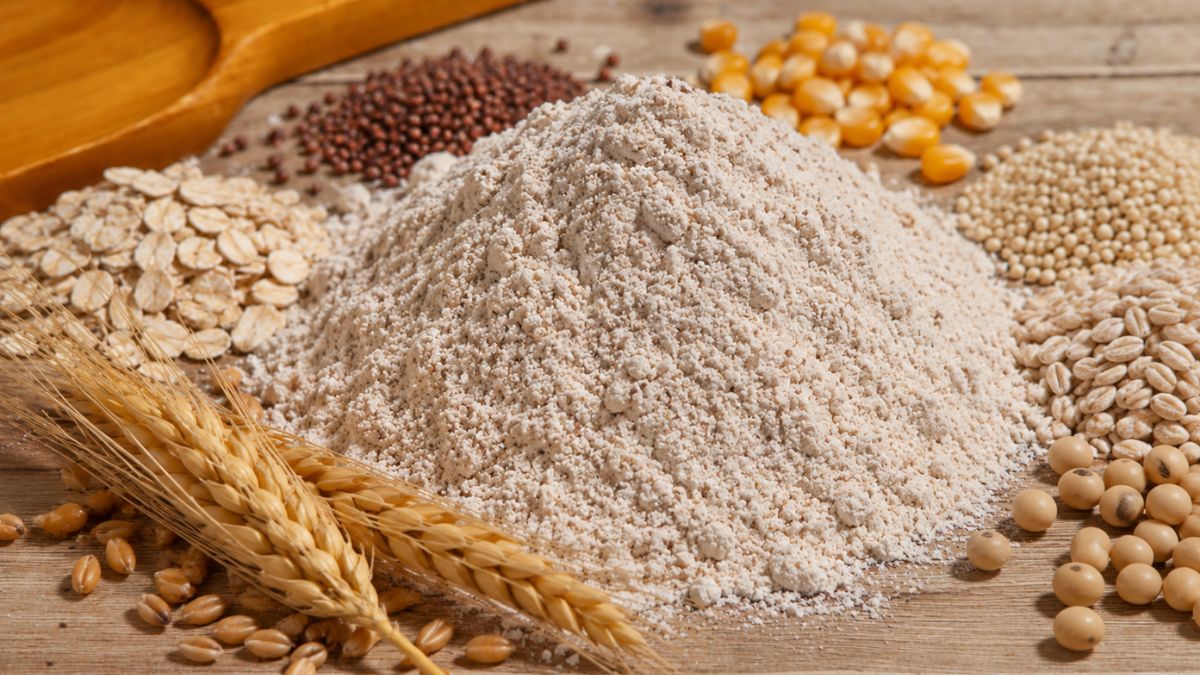
‘Multigrain’ describes a blend, not a single grain — wheat combined with one or more additional grains, in a recipe that varies by brand and product. That’s worth saying plainly, because it’s easy to assume ‘multigrain’ is a fixed, standardised thing with a fixed nutritional advantage. It isn’t. What it reliably offers is grain diversity — more than one type of grain in the mix — which is a genuinely useful thing on its own, without needing an inflated fibre claim to justify it.
There’s no single regulated definition that fixes exactly which grains, or in what proportion, a product needs to qualify as multigrain — it’s a descriptive term, not a standardised category. In practice, a multigrain atta typically combines wheat as a base with one or more additional grains or seeds — commonly things like soy, oats, millets such as bajra or ragi, maize, or barley, depending on the specific blend a brand has formulated. The exact recipe shapes both the taste and the nutritional profile, which is why two different multigrain attas, from two different brands, aren’t necessarily nutritionally identical.
ICMR-NIN recommends sourcing nutrition from at least eight to ten different food groups across a day — a principle that applies just as well to grains specifically as it does to the wider plate. Different grains bring different micronutrient profiles, different textures, and different growing and milling traditions, even where their fibre content lands in a broadly similar range. This is the same logic this platform has applied to millets elsewhere: the value of variety doesn’t depend on any one grain being nutritionally superior to another.
| ⓘ What Multigrain Atta Typically Includes A wheat base, combined with one or more additional grains or seeds Common additions: soy, oats, millets (bajra, ragi, jowar), maize, barley — varies by brand No single fixed recipe — ‘multigrain’ describes a category, not a standardised formula The specific blend shapes both taste and nutritional profile |
Multigrain atta promises grain diversity. It does not automatically promise more fibre than regular whole wheat atta — whether it does depends entirely on the specific blend and ratio used, which varies by product and isn’t something this piece quotes a number for, since the precise composition of any single multigrain product isn’t part of this series’ currently verified data. It also doesn’t promise to manage or cure bloating, constipation or acidity, and it doesn’t carry a published glycaemic index figure any more than other Aashirvaad products do.
Multigrain rotis often have a denser, slightly coarser texture than a roti made purely from refined or standard whole wheat atta, along with a more pronounced, nuttier flavour depending on which grains are included. Dough made with multigrain atta can also behave differently — sometimes needing a bit more water or a longer rest, similar in spirit to how other whole-grain and heritage attas handle differently from standard roller-milled flour.
People drawn to multigrain atta are often looking for variety in their everyday grain intake, a different taste and texture from a purely wheat roti, or simply curiosity about trying something different within a familiar format. None of these are wrong reasons, and none of them require a health claim to be valid — wanting variety, or a different taste, is reason enough on its own.
Because ‘multigrain’ isn’t a regulated, standardised term, the ingredients list is the most reliable way to understand what’s actually in a specific product. The order ingredients are listed in generally reflects their proportion — if wheat is listed first by a wide margin and everything else appears in small quantities towards the end, that’s a meaningfully different product from one where several grains appear in more balanced proportions. Neither is wrong; it’s simply useful to know what you’re actually buying rather than assuming ‘multigrain’ on the front of a pack tells the whole story.
If your household already eats a varied diet — different dals, vegetables, occasional millets elsewhere in the week — multigrain atta is one more way to add diversity, but not the only way, and not an essential one. If a roti is largely the only grain in most meals, multigrain can be a reasonable way to introduce variety into that specific staple. Either way, this is a preference decision, not a corrective one — there’s no deficiency being fixed by switching, and no harm in staying with whatever atta already works for your kitchen.
Across this series and the wider Happy Tummy platform, regular wheat, multigrain and Khapli atta are treated as fit-for-purpose choices, not a ranked ladder from ‘basic’ to ‘best’. Regular wheat remains the trusted everyday baseline it’s always been; multigrain offers grain diversity and a different taste profile; Khapli offers a heritage wheat with its own distinct texture and story. None of the three needs to be the ‘upgrade’ from the others — a household might reasonably use all three across different weeks, for different reasons, without any of them being a downgrade from the last.
Multigrain atta sits alongside regular whole wheat and Khapli as one more fit-for-purpose option, not a hierarchy with a clear winner. If grain variety, a different taste, or a denser texture appeals to you, multigrain is a reasonable choice. If your household is happy with regular whole wheat atta, there’s no compelling reason this piece can point to that says you’re missing out on a meaningful fibre advantage by staying with it.
Disclaimer: This article is for general informational purposes only — not medical or dietary advice.
It varies by brand, but common additions to a wheat base include soy, oats, millets like bajra or ragi, maize, and barley. There's no single fixed recipe across all multigrain products.
It depends entirely on the specific blend and ratio, which varies by product. This series doesn't quote a specific fibre figure for any particular multigrain product, since that composition isn't part of its currently verified data.
Multigrain atta isn't a treatment for any digestive condition. Like other whole-grain options, it can be part of a generally varied, balanced diet, but it doesn't manage or cure bloating, constipation or acidity.
Often for grain variety, a different taste or texture, or simple curiosity — all reasonable, valid reasons that don't require a specific health claim to justify.
No, in most cases — since wheat is typically the base grain in a multigrain blend, it generally still contains gluten. Always check the specific product's ingredients if gluten is a concern.
Generally yes — multigrain rotis tend to have a denser texture and a more pronounced, sometimes nuttier flavour, depending on which additional grains are included in the blend.
Check the ingredients list — items are generally listed in order of proportion, so a product with wheat first by a wide margin differs meaningfully from one with several grains in more balanced amounts.
Not necessarily — if your meals already include varied dals, vegetables and occasional other grains, multigrain atta is one more option for diversity, not an essential fix for a gap.