Dev Deepawali Foods: Prasad And Varanasi’s Festive Favourites
From panchamrit and panjiri to kachori-sabzi and malaiyyo, explore the puja offerings and local foods around Dev Deepawali in Varanasi.
Table of Contents
Dev Deepawali food traditions in Varanasi include puja offerings and shared vegetarian meals, with dishes varying by household. Panchamrit, panjiri, fruit and kheer may be offered during worship; local foods such as kachori-sabzi, jalebi and seasonal malaiyyo are enjoyed around the festival.
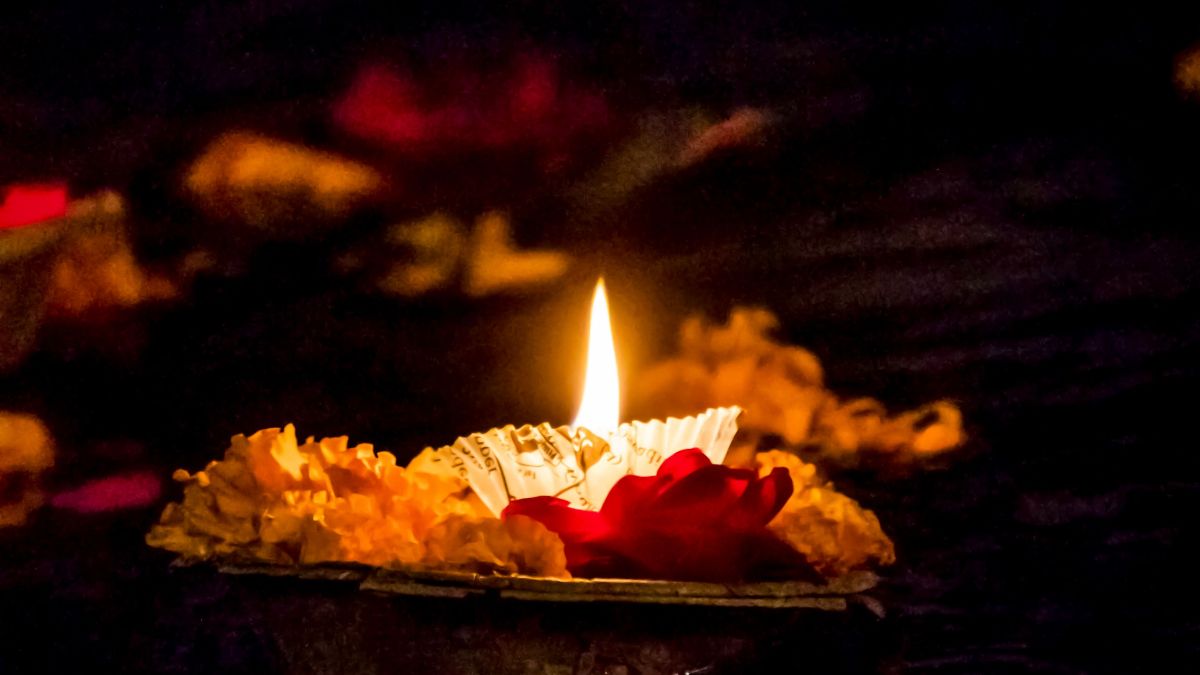
On Kartik Purnima, Varanasi’s relationship with the river Ganga takes on a special devotional character beyond the usual. The ghats are prepared for deepdaan, temples receive devotees from all over the country and even parts of the world, while families gather for prayers as the full moon rises over the river. Known as Dev Deepawali, or the Diwali of the Gods, the festival celebrates the religio-spiritual belief that the Hindu gods descend to the mortal realm to bathe in the Ganga. In Shaiva tradition, the day is also associated with Lord Shiva’s victory over Tripurasura, thus earning the name Tripurari Purnima.
Food has a unique place in this observance, although there is no single universal menu that is followed by every household or temple. Devotees like to prepare offerings for Lord Shiva, Lord Vishnu or Maa Ganga according to their family traditions, observe a fast, distribute prasad, or participate in a religious community meal. Plus, around these rituals, Varanasi’s familiar festive foods and winter specialities also come into their own. From panchamrit and panjiri offered during puja to kachori-sabzi, malaiyyo, and more, the city’s food culture offers a delicious way to experience the holy occasion while indulging in local seasonal favourites as well, for the full Varanasi experience.
Kartik Purnima is the culmination of the sacred month of Kartik for many devotees. The day begins with Kartik snan, or the ritual bath in the Ganga, followed by prayers, charity, and the offering of lamps. At dusk, deepdaan becomes the defining act of the festive occasion, as rows of earthen diyas are lit along the ghats and, where permitted, offered on the river. The food offered during worship depends on the deity, the puja being performed, as well as the respective household customs.
For instance, if a Satyanarayan katha is organised, then panjiri, panchamrit and bananas are familiar offerings. Similarly, kheer, seasonal fruit, and other sweets may also be prepared as naivedya. These foods are subsequently shared among devotees as prasad. Devotees may also give grain, sesame, and other essentials in daan, reflecting the importance of charity during Kartik.
Panchamrit is among the most recognisable and popular offerings in Hindu worship. Its name refers to a mixture of five ingredients, commonly milk, curd, ghee, honey, and sugar, although household and temple preparations can differ in exact ingredients and proportions. It is commonly offered during puja and distributed in small quantities as prasad. In Varanasi, where Kartik Purnima worship does include prayers and offerings to Shiva and Vishnu, panchamrit may also form part of the household offering, depending on the family’s observance.
Panjiri is another familiar preparation, especially when a Satyanarayan katha is held. Roasted wheat flour or semolina is combined with ghee, sugar or jaggery, and sometimes nuts, seeds, and dried fruit as well. Its toasted aroma and crumbly texture make it a pretty satisfying prasad offering that can be prepared ahead and distributed easily.
ALSO READ | Karthigai Deepam Special: Traditional Tamil Nadu Foods And Pori Urundai
The devotional character of Kartik Purnima is also reflected in the food served at household gatherings and community bhoj. Simple vegetarian preparations such as rice, dal, khichdi, seasonal vegetables, and puris may form part of a sattvik meal, especially in families observing the day with specific dietary customs. Some devotees fast or eat only after completing their prayers, while others follow a regular vegetarian meal. However, as practices vary, visitors should not assume that everyone observes the same restrictions.
Khichdi also has a long culinary association with the food history of Banaras, along with rice, kheer, puris, and sattu among the foods consumed in the region over centuries. This food phenomenon is particularly interesting to note because it shows how everyday staples and festive preparations have coexisted in the city’s culinary history for centuries. Food distribution and annadaan also hold a lot of significance during religious observances. A meal offered to visitors, pilgrims, or people in need is not merely a hospitality gesture; it also showcases the universal importance of sharing food as an act of service.
Beyond the food offered in worship, a visit to Varanasi around Dev Deepawali is an opportunity to further explore the city’s breakfast and snacking culture. Kachori-sabzi is one of its best-known and street-friendly combinations. The appeal is easy to understand: crisp, deep-fried kachoris, commonly filled with spiced lentils and served with a flavourful potato curry. The filling often also carries notes of hing, cumin, and other spices, while the sabzi is usually soft and generously seasoned.
Some local preparations are rather substantial, making this a popular breakfast rather than a small snack. Jalebi is a familiar sweet accompaniment to this meal. Fermented batter is piped into hot oil or ghee, fried into coils, and then dipped in sugar syrup. Its crisp exterior and syrupy centre make it a natural, dreamy contrast to the savoury and moderately spicy kachori.
If there is one seasonal sweet worth looking for and hunting out during a late-autumn or winter visit to Varanasi, then it is malaiyyo. This airy, milk-based preparation is traditionally associated with winter mornings. To make it, milk is prepared and aerated to create a delicate froth, which is then flavoured with saffron and cardamom and served in small earthen cups. A garnish of chopped nuts adds a little texture to an otherwise soft, almost cloud-like sweet. Its availability depends on the weather, and it is generally more closely associated with the colder months around and after the occasion, rather than with the festival itself. Try it early in the day, when the vendors are more likely to have freshly prepared portions of the city’s iconic winter speciality.
Launglata is a rich Banarasi sweet made by filling pastry with khoya and dry fruits, then folding it into an envelope-like shape and securing it with a clove. It is then deep-fried and dipped in sugar syrup, creating a crisp outer layer around a soft, sweet centre. The clove adds a warm fragrance that makes the preparation distinctive and memorable. It is a great choice for visitors who enjoy sweets with a pastry-like texture rather than the softer consistency of conventional milk-based mithai.
Lal peda is another local sweet that you must explore in Varanasi. Made by slowly cooking reduced milk or khoya with sugar until the mixture acquires a deep reddish-brown colour, the desi sweet has a dense texture and a caramelised dairy flavour. The slow cooking is central to its culinary character, as the milk solids darken gradually, producing a richer taste than a pale peda. It is often bought as a small gift or enjoyed with tea after a day of temple visits and sightseeing.
Varanasi’s tamatar chaat offers a very different kind of festive indulgence. Tomatoes are cooked down with potatoes and spices until the mixture becomes soft and almost jammy. After that, it is finished with chutneys, namkeen and, in some versions, a generous dash of ghee. The balance of acidity, spice and crunch distinguishes this innovative chaat from the papdi and aloo tikki chaats found elsewhere. It is a street-food favourite to actively look for during a visit.
A food walk in Varanasi or Benaras often includes the famous Banarasi paan, prepared by folding betel leaf around ingredients such as kattha, slaked lime, fennel, cardamom, and gulkand, among others. Sweet paan is highly popular as an after-meal preparation, and the delicate balance of fragrant fillings and syrupy ingredients is a key part of paan-making. Paan is closely woven into the city’s hospitality and food culture, making it a fitting local experience and palate-cleansing finish after exploring Benaras’ festive dishes.
Above all, Dev Deepawali is a religious observance, not just a spectacular evening of lamps. The Ganga snan, prayers, deepdaan, offerings and acts of charity give the day its meaning. Food becomes part of that experience through prasad, shared meals and the familiar, local flavours of Kashi. If you are going to explore Varanasi at this time of the year, you may be fortunate enough to see how devotion and everyday life meet, be it in a small portion of panjiri offered after a katha, a meal shared with others, a warm kachori in the morning, or a seasonal sweet enjoyed after the lamps have illuminated the river.
Dev Deepawali food traditions in Varanasi include puja offerings and shared vegetarian meals, with dishes varying by household. Panchamrit, panjiri, fruit and kheer may be offered during worship; local foods such as kachori-sabzi, jalebi and seasonal malaiyyo are enjoyed around the festival.
No. Offerings depend on the deity, the puja and household customs. Fasting practices also vary. Varanasi's street foods and seasonal sweets are part of the wider local food experience and should not be treated as compulsory puja offerings or fasting foods.
Panchamrit is a mixture of five ingredients, commonly milk, curd, ghee, honey and sugar. Panjiri is a crumbly preparation commonly made from roasted wheat flour, ghee and a sweetener, sometimes with nuts or dried fruit. Both may be shared as prasad, depending on the puja and household tradition.
Malaiyyo is a winter speciality of Varanasi, made as a delicate milk froth and often flavoured with saffron and cardamom. Its availability depends on cold weather. It may be found around the festival season, but it is not a universal Dev Deepawali offering.
Dev Deepawali in Varanasi falls on Tuesday, 24 November 2026, on Kartik Purnima. The occasion is marked by ritual bathing, prayers and the lighting of lamps along the Ganga's ghats.