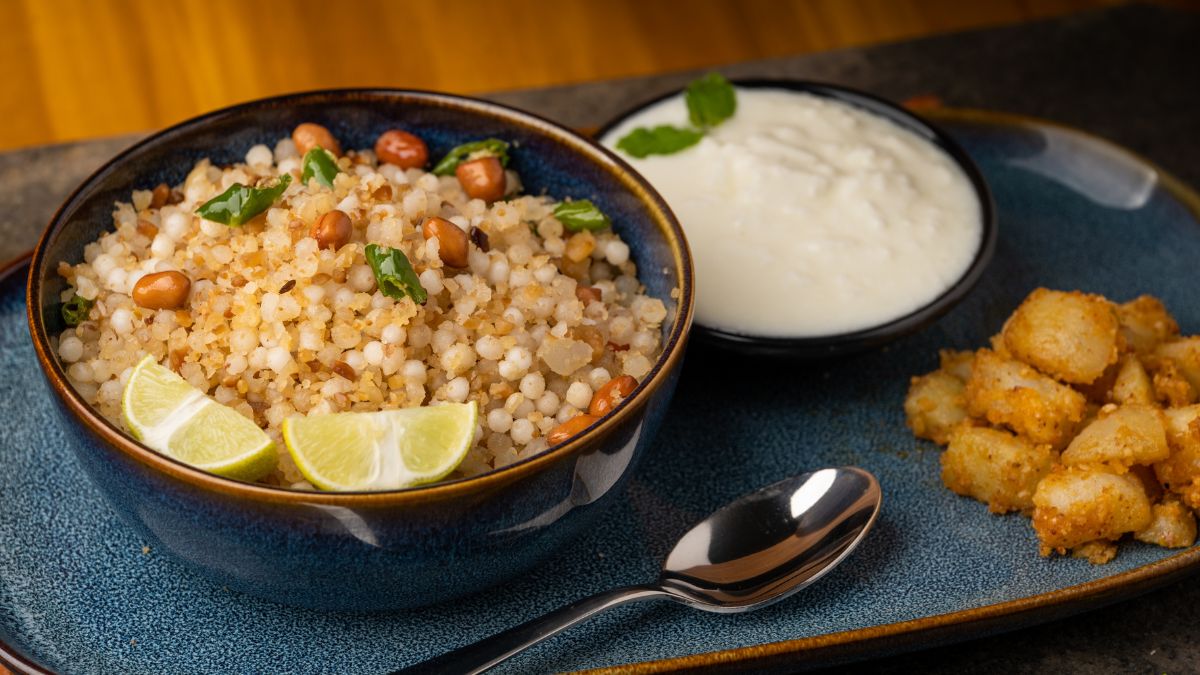
Is Sabudana Good for Gut Health? Fibre, Fasting and the Honest Answer
Sabudana is a useful fasting food, but it brings very little fibre on its own. Here is what it can do, what it cannot, and how to build a more balanced plate.
Table of Contents
Sabudana is a useful fasting food, but it brings very little fibre on its own. Here is what it can do, what it cannot, and how to build a more balanced plate.
Is sabudana good for gut health? Not especially on its own. Sabudana is a processed cassava starch that supplies mostly carbohydrate and very little fibre or protein. Its soft cooked texture may feel comfortable for some people, and it offers a quick source of energy during a fast, but it contributes little fermentable material for gut microbes. Tapioca and sago products contain small amounts of resistant starch; cooling may increase this modestly, though the change in a home-cooked dish is uncertain. Treat sabudana as the energy part of a fasting meal, with the rest of the plate doing the balancing.
Our first memory of sabudana is usually a kheer or a vada during a fast. From Janmashtami to Navratri, those tiny glossy pearls turn up in kitchens across India, soaked and cooked into khichdi, kheer and vada. But it is worth asking honestly: is sabudana actually doing much for your gut, or has it simply had very good PR for a very long time?
The fair answer sits in the middle. Sabudana is useful for the job it has traditionally been given: supplying carbohydrate energy in a food that works within many fasting practices. The trouble starts only when that role is inflated into a gut-health claim.
Sabudana is starch extracted from cassava root; it is not a grain, seed or millet. During commercial production, cassava is peeled and washed, the starch is separated, and the starch is then shaped into pearls and dried. Those processing steps matter because raw cassava contains natural compounds that must be reduced before the starch is eaten. Commercial sabudana has already been processed; cook it according to the pack instructions as you would any packaged food.
What remains is nutritionally narrow: mostly starch, with very little protein or dietary fibre. That is not a criticism so much as a description. Sabudana can sit perfectly well in a meal; it simply cannot supply everything the meal needs.
Once cooked properly, sabudana becomes soft and easy to chew. Because it contains very little fibre, some people may find a modest serving comfortable. But ‘easy to digest’ is not a guarantee. A large portion, an oily preparation or an ingredient served alongside it may still leave someone feeling heavy, gassy or uncomfortable.
There is one honest tension worth naming. Less fermentable material can mean less gas produced from that particular food for some people. The same feature also means less food for gut microbes. These are not separate findings—one filed as a benefit and the other as a drawback. They are two sides of the same low-fibre profile.
So let your own response set the portion. If sabudana regularly brings discomfort, changing the quantity or preparation is more useful than assuming it must be ‘gentle’ because it is a fasting staple.
Gut microbes use fibre and other fermentable carbohydrates as fuel. Sabudana brings very little of either, so it contributes little to that side of gut health when eaten on its own. ICMR-NIN uses about 40 g of dietary fibre a day as the reference point for Indian adults. A meal centred only on sabudana does not take you far towards it.
This matters more when fasting meals repeat over several days, because the plate can lose the fruit, vegetables, nuts, seeds and other allowed foods that usually widen fibre intake. Fasting rules differ, of course. Within the foods your practice allows, the useful aim is variety rather than asking one ingredient to carry the whole day.
If you want the bigger picture, read why fibre variety matters for digestion.
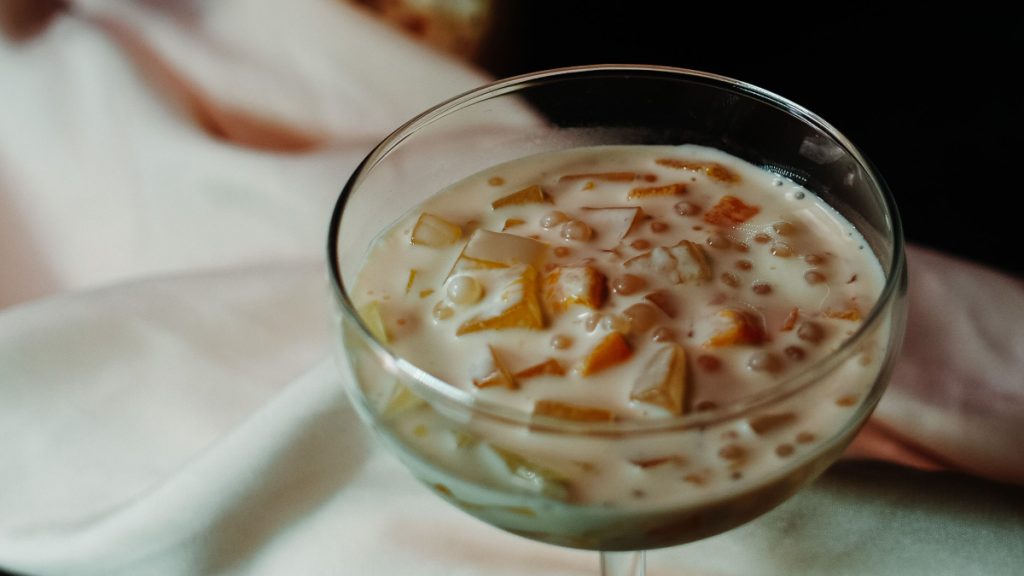
Resistant starch is starch that escapes digestion in the small intestine and reaches the large intestine, where gut microbes can ferment it. Sabudana is low in resistant starch, but ‘low’ is not the same as ‘none’.
A 2014 analysis of 33 commercial cassava products found resistant starch levels of 0.56–1.1% on a dry basis in its starch, tapioca and sago samples. That study was not a survey of every Indian sabudana brand, so the range is useful context rather than a label value for the packet in your kitchen. It is also far too small to turn sabudana into a high-fibre food.
Cooling cooked starch can encourage some of it to reorganise into type 3 resistant starch, a process called retrogradation. The mechanism is real; the exact increase in a home-cooked bowl of sabudana khichdi has not been established. In other words, cooled sabudana may contain slightly more resistant starch, but the practical effect is likely to be modest. If you make it ahead, cool and refrigerate it promptly—there is no benefit in leaving cooked food sitting out.
It can, particularly as a large serving or when eaten on its own. Sabudana is mostly digestible starch and has little fibre or protein to slow the pace of the meal. Individual response still varies with portion, preparation and what else is on the plate.
There is no good reason to pin one universal glycaemic-index number on sabudana. Published studies use different cassava or sago products and cooking methods, and boiled cassava root is not the same food as Indian sabudana pearls. Directional advice is more honest here: keep the portion sensible, build a mixed meal, and follow your clinician’s guidance if you have been asked to monitor blood glucose.
You do not need to turn sabudana khichdi into a wellness bowl with ten ingredients and a side of disappointment. A few ordinary additions do the useful work, as your fasting practice allows:
If you love sabudana, eat it. Just eat it alongside other things rather than instead of them. Its strongest case is not that it ‘feeds the gut’; it is a familiar fasting food that supplies carbohydrate energy and takes well to useful pairings.
Good gut health was never about one ingredient being magic or toxic. It is about how the whole plate comes together across days and weeks. Sabudana is not a villain and it is not a superhero. It does its actual job well, and the rest of your plate does the rest.
Want ideas that fit your own fasting rules? Ask Happy Tummy GPT: “How can I build a more balanced Indian fasting meal around sabudana?”
For a broader look at your everyday digestive habits, take the Digestive Quotient Test.
This is general information, not medical advice. If digestive symptoms continue, are severe, or keep coming back, speak to a doctor. Sudden weight loss, blood in the stool, severe or persistent pain, repeated vomiting, or difficulty swallowing need prompt medical attention.
Not especially on its own. Sabudana is very low in fibre, so it provides little fuel for gut microbes. It can still fit into a balanced meal when paired with permitted vegetables, peanuts, curd or fruit.
Cassava starch does not naturally contain gluten. If you need to avoid gluten strictly, choose a pack clearly labelled gluten-free and check its allergen statement, because cross-contact can happen during processing or packing.
Its soft cooked texture and low fibre content may feel comfortable for some people, but tolerance is individual. Portion size, cooking method and accompaniments all matter.
Its main practical benefit is carbohydrate energy in a food accepted in many fasting traditions. It contains very little protein or fibre, so the rest of the meal determines how balanced it is.
No. Sabudana supplies mostly starch. Peanuts, curd, fruit or permitted vegetables can add protein, fat, fibre and a wider mix of nutrients, depending on your fasting practice.
Cooling cooked starch can increase type 3 resistant starch, but the size of the change in home-cooked sabudana is uncertain. Any increase is unlikely to make sabudana a high-fibre food.
It can for some people. Sabudana itself provides little fermentable fibre, but a large or oily serving—and the peanuts, dairy or potato in the dish—may still cause discomfort depending on the person.
It can, especially in a large portion or eaten alone, because it is mostly digestible starch. Portion size and the rest of the meal matter; follow individual clinical advice if you monitor blood glucose.