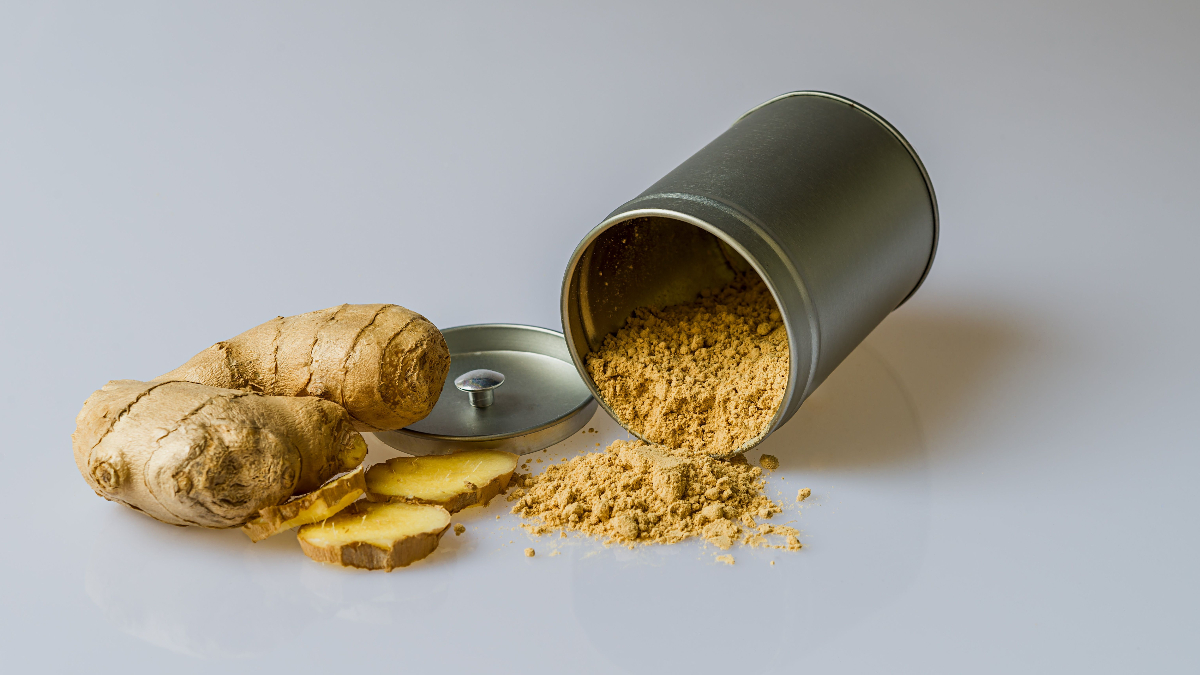
Benefits of Ginger: Can Adrak Help with Nausea and Digestion?
Fresh adrak in chai, saunth in chutney: ginger is familiar food. Its digestive benefits depend on what was tested, how it was used and who is taking it.
Table of Contents
The benefits of ginger have some of their clearest human evidence for nausea during pregnancy. Studies usually tested measured ginger preparations, rather than the adrak in a cup of chai. Evidence for reducing vomiting is less consistent. A small study found faster stomach emptying in people with persistent indigestion, but their symptoms did not improve. Ginger can also cause heartburn or stomach discomfort. A little ginger in food can be enjoyable, but it is not a proven remedy for every digestive problem.
Fresh ginger and dried saunth belong in everyday cooking. They add flavour to dal, sabzi, chutneys and drinks. The small quantities used in a meal are different from capsules, extracts or concentrated shots; research findings cannot automatically be applied to all these forms. Some supplement studies also examine menstrual cramps and ongoing joint discomfort.
Ginger is also not a major fibre source in ordinary kitchen portions. Vegetables, fruit, whole grains and pulses still matter to the overall diet. Adding more ginger does not replace those foods or make a rich meal automatically easier to digest.
Before using supplements, check with a clinician if you take regular medicines, have gallstones, are pregnant or are breastfeeding. Keep food use separate from taking ginger specifically to address symptoms.
If a ginger drink makes burning or discomfort worse, leave it out. Persistent symptoms need assessment. During pregnancy, repeated vomiting, difficulty keeping fluids down, very little urine or faintness are reasons to seek medical advice promptly, rather than relying on a home brew.
Few Indian kitchens are ever without ginger. Fresh adrak goes into ginger-garlic paste, dal tadkas, sabzis and a morning cup of chai; dried ginger, saunth or sonth, turns up in winter laddoos, panjiri and saunth ki chutney. South Indian homes have their own traditions, from inji puli to sukku coffee. When someone in the family has a queasy stomach or a cold, a cup of ginger tea is often the first thing on the stove.
That familiarity makes ginger easy to recommend for almost any discomfort. The research is more particular: the cause of the symptom, the preparation and the amount all matter.
Ginger is the edible rhizome, or underground stem, of the plant Zingiber officinale. Fresh ginger and dried ginger are both used for flavour, but they are not interchangeable with a standardised supplement.
The Indian Food Composition Tables 2017, published by ICMR-NIN, list about 5.4 g of total dietary fibre per 100 g of raw, fresh ginger. But we eat ginger by the gram, not the 100 g. A 5 g portion provides only about 0.27 g of fibre, so ginger is a seasoning rather than a way to meet your fibre needs.
Pregnancy-related nausea is one of the better-studied uses of ginger. A systematic review of 12 trials involving 1,278 pregnant women found an improvement in nausea compared with placebo, but not a statistically clear reduction in vomiting episodes. The studies varied, and the review noted limitations in evidence quality.
Most research tested measured preparations, often supplements. It does not establish that your usual adrak chai delivers the same result. If you are considering ginger specifically for morning sickness, discuss the preparation with your maternity clinician, especially before taking a supplement.
The US National Center for Complementary and Integrative Health, or NCCIH, also makes an important distinction between types of nausea: most motion-sickness studies have not shown a benefit, while usefulness after surgery or alongside chemotherapy remains uncertain. One finding cannot be extended to every queasy stomach.
During pregnancy, seek medical advice promptly for persistent vomiting, difficulty keeping fluids down, very little or dark urine, faintness, weight loss or blood in vomit. A home brew should not delay care.
A small randomised crossover trial studied 11 people with functional dyspepsia, a condition involving persistent indigestion symptoms. Each person took ginger powder in capsules or placebo on separate occasions before a low-nutrient soup meal.
With 1.2 g of ginger, the median time for half the meal to leave the stomach was 12.3 minutes, compared with 16.1 minutes after placebo. Their digestive symptoms did not improve. This was a very small physiological study, not evidence that ginger in an everyday meal relieves indigestion. The trial amount is a study detail, not a suggested dose.
If you describe fullness, burning and burping together as “acidity”, our guide to acidity, heartburn and indigestion explains the differences. Describing the actual discomfort is more useful than choosing a remedy for a catch-all label.
Ginger has traditionally been used as a carminative, meaning an ingredient taken to ease gas. But the nausea and stomach-emptying findings do not establish that ginger treats bloating or constipation. A pinch in your dal can be enjoyable without needing that promise.
If bloating or a change in bowel habits keeps returning, seek medical advice rather than increasing the strength of a ginger brew.
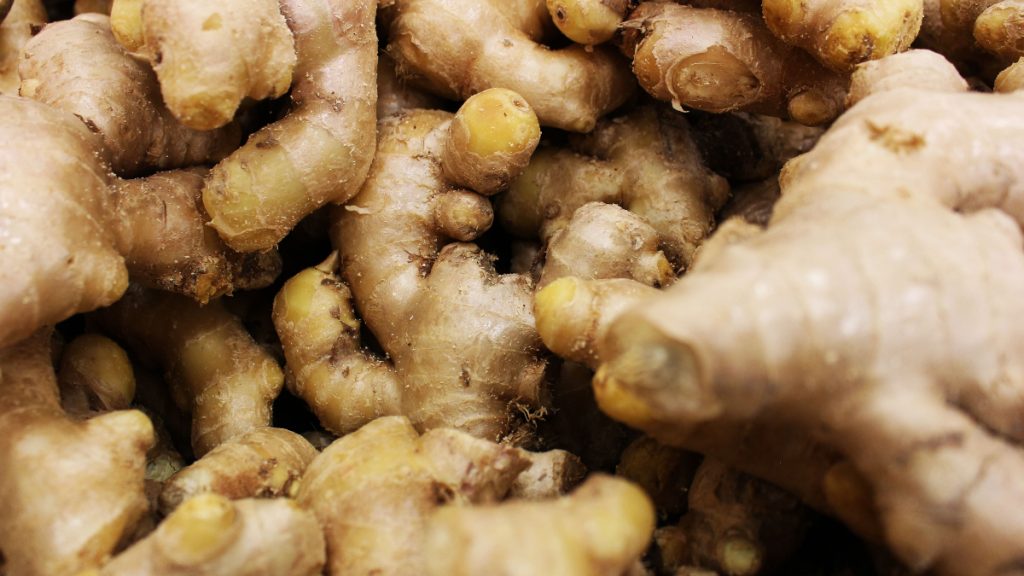
Ginger is often suggested for acidity, yet NCCIH lists heartburn among its possible side effects. If ginger tea or a ginger-heavy meal brings on burning, cut back or leave it out. Frequent or worsening symptoms need medical assessment.
There is no need to force down a stronger cup because someone has called it good for digestion. Your own response matters.
Ginger is also promoted for period pain, joint discomfort and a long list of other concerns. It helps to ask what researchers actually tested before turning a finding into a kitchen recommendation.
| Claim | What the evidence says | What it means for your food |
| Period pain | NCCIH reports possible benefit from ginger supplements for menstrual cramps. | This does not show that a little ginger in chai has the same effect. |
| Knee osteoarthritis | NCCIH reports possible symptom benefits from supplements, with much of the research of poor quality. | A ginger-flavoured meal is not an established treatment. |
| Colds and coughs | Human evidence for treating respiratory illness is lacking, according to Memorial Sloan Kettering. | A warm drink can be comforting; it should not replace appropriate care. |
| Weight, sleep, brain health and ageing | Findings about particular extracts or supplements do not establish benefits from the ginger normally used in food. | These claims are not a reason to increase the ginger in your meals. |
There is no universal daily requirement for ginger as a food. Use it for flavour in quantities you enjoy and tolerate; a dose tested in a supplement trial is not a target for cooking.
For a warm ginger drink, a mild preparation is enough to enjoy its flavour. Our guide to kadha and home brews includes a simple ginger recipe and explains why more concentrated mixtures do not necessarily offer more benefit.
Ginger can cause heartburn, abdominal discomfort, diarrhoea, or irritation in the mouth and throat. If a preparation makes you uncomfortable, reduce it or leave it out.
The following checks are mainly about supplements or concentrated use, rather than a little ginger used to season a shared dish:
Persistent symptoms need a proper assessment. Severe pain, difficulty swallowing, blood in vomit, black stools or unexplained weight loss should not be managed with home remedies.
Ginger has earned its place in Indian kitchens. Adrak brings bite to a tadka; saunth gives a chutney its familiar warmth. Those are good reasons to enjoy it, even when a particular health promise is unproven.
Enjoy ginger in food if it suits you. For recurrent symptoms or questions about supplements, get advice that takes your own circumstances into account.
For ideas beyond your usual chai, ask Happy Tummy GPT: “Suggest Indian meals using fresh ginger, with vegetables, pulses and whole grains. I want cooking ideas rather than a remedy.”
ICMR-NIN: Indian Food Composition Tables 2017
Viljoen E, et al. A systematic review and meta-analysis of ginger for pregnancy-associated nausea and vomiting. Nutrition Journal, 2014; 13:20.
Hu ML, et al. Effect of ginger on gastric motility and symptoms of functional dyspepsia. World Journal of Gastroenterology, 2011; 17(1):105–110.
NCCIH: Ginger—Usefulness and Safety
MotherToBaby: Ginger
Memorial Sloan Kettering: Ginger
NHS: Vomiting and morning sickness
Disclaimer: This article provides general food and nutrition information and is not a substitute for professional medical advice, diagnosis or treatment. Do not use ginger or supplements to replace prescribed care. Consult a qualified healthcare professional about persistent symptoms, pregnancy-related nausea, medical conditions or possible medicine interactions.
Research on ginger for nausea is promising, especially in pregnancy. Faster stomach emptying in a small trial did not improve symptoms; broader digestive benefits remain unproven.
Ginger tea is not a reliable acidity remedy and may cause heartburn. If it worsens burning, leave it out; frequent or worsening symptoms need medical assessment.
Moderate ginger in food differs from supplements. Discuss concentrated preparations with your maternity clinician, particularly for morning sickness; persistent vomiting or difficulty keeping fluids down needs care.
There is no universal daily requirement for culinary ginger. Use amounts you enjoy and tolerate; supplement doses from research are not recommended targets for your everyday cooking.
Ginger side effects can include heartburn, abdominal discomfort, diarrhoea and mouth irritation. Before using supplements, seek advice if you take medicines, have gallstones, are pregnant or breastfeeding.