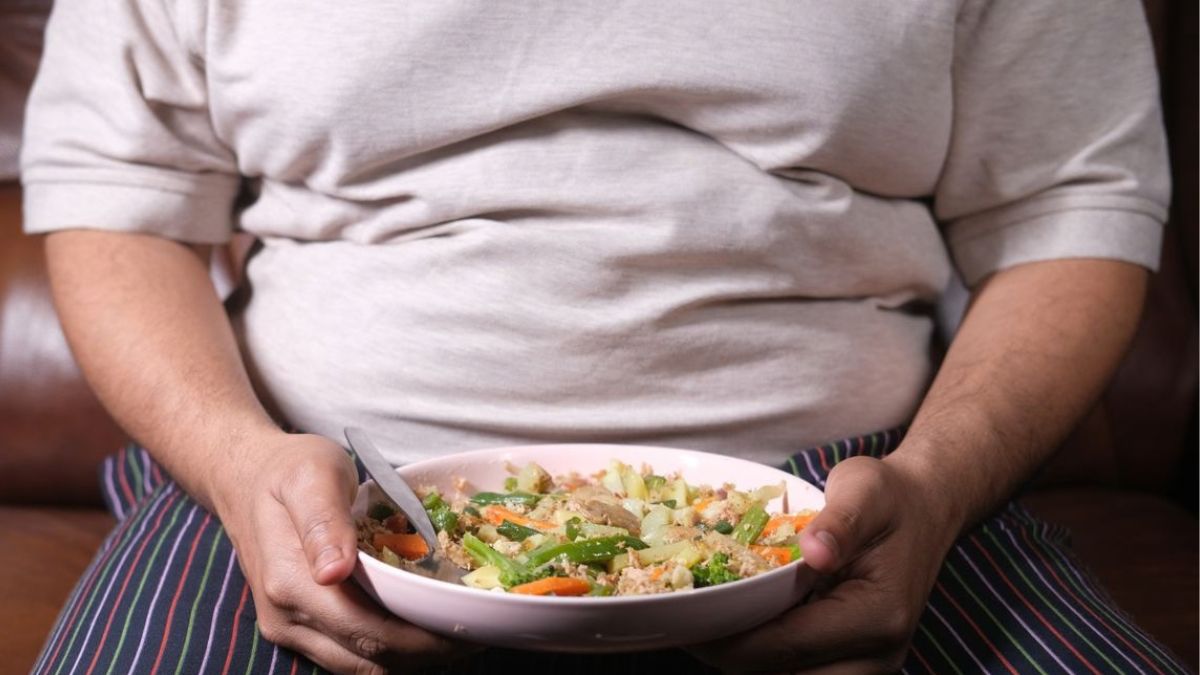
Heaviness After Eating: Why a Full Stomach Can Feel Uncomfortable
A meal can leave you satisfied, uncomfortable or simply sleepy. Noticing the difference is more useful than blaming a food straight away.
Table of Contents
Heaviness after eating usually describes uncomfortable pressure or a feeling that a meal is sitting in your stomach. Fullness is the sensation of a filled stomach, which can be comfortable or uncomfortable. The two feelings can overlap. Meal size, eating pace and individual tolerance can affect how you feel afterwards. Some people also become sleepy after meals; that is different from abdominal discomfort. A whole-grain meal can still feel uncomfortable, and feeling heavy does not automatically mean you ate poorly. Frequent or persistent discomfort deserves medical advice, especially if it comes with other symptoms.
Ever finished a meal and felt satisfied, comfortable, done, then finished another and wanted to lie down for an hour? Both meals may have left you full. The difference worth noticing is how you feel afterwards.
This is one of those distinctions that seems minor until you start paying attention to it. It becomes useful when you can describe the feeling more clearly, rather than judging the entire meal by it.
Comfortable fullness can be a fairly quiet sensation. Your appetite eases, you feel settled, and you are ready to move on with your day.
Your stomach expands as food enters. Stretch signals and hormones from the digestive tract help your brain respond to a meal. That response involves more than a stomach filling up like a container.
Then there is satisfaction. You can feel physically full while still wanting something else, or enjoy a meal without feeling especially stretched. Appetite, enjoyment and stomach comfort do not always move together.
People use “heavy” to describe different things: pressure in the upper abdomen, bloating, or the feeling that food is lingering in the stomach. You might notice this after a large meal, but discomfort can also happen after a smaller one.
If “heavy” means sleepy, that deserves a separate explanation. Post-meal drowsiness has several possible contributors, including the size of the meal, sleep loss and the body’s natural afternoon dip in alertness. It does not, by itself, show that your stomach is struggling to digest the food.
Sometimes, quantity is the simplest thing to look at. Eating beyond the point of comfortable fullness can leave you feeling stretched. But the amount on the plate is only part of the picture.
Meals containing more fat can slow stomach emptying, and some people notice more discomfort after rich meals. Fat also participates in fullness signalling. Its presence in a meal does not automatically make that meal difficult to digest.
Picture a hurried lunch between calls. You serve rice, dal and sabzi, finish before the next meeting, then barely remember the portion. On another day, you sit down with the same dishes and notice when you have had enough. That is a useful difference to observe.
Fibre is worth pausing on here. Whole grains, vegetables, fruit and pulses contribute fibre to a varied diet, and some types of fibre can help with fullness. The effect varies with the fibre, the food and the person.
More fibre does not always mean a more comfortable stomach. A large increase can bring gas or bloating, particularly when you are not used to it. Add fibre-containing foods gradually and keep your fluid intake adequate. Your fluid needs also depend on the weather, activity and health.
Whole-wheat atta, including Khapli or emmer wheat atta, retains more of the grain’s fibre than refined maida. Aashirvaad Chakki Khapli Atta is one whole-wheat option for making your usual rotis alongside dal and sabzi.
That choice contributes to the meal’s fibre, but the serving size, accompaniments and your own tolerance still matter. A whole-wheat roti meal can leave someone comfortably satisfied or uncomfortably full; the grain alone cannot predict which.
Eating more slowly gives you a chance to notice how the meal feels as you go. Research has linked slower eating with lower food intake. A brief pause before another helping can give you a moment to consider your appetite.
For the next few meals, pay attention to the details you can actually observe:
| What to notice | A practical next step |
| Portion | Start with a smaller first helping if you often finish feeling overstretched. You can have more if you are still hungry. |
| Pace | Sit down to eat when possible, chew comfortably and pause before taking another serving. |
| The feeling itself | Note whether “heavy” means pressure, bloating or sleepiness, and when it starts. |
| A recurring pattern | Write down the meal, approximate portion and symptoms. If discomfort keeps returning, take those notes to a clinician. |
A few notes can be more useful than deciding that the last thing you ate must be the culprit. Avoid cutting out several foods at once on the strength of one uncomfortable afternoon.
If heaviness is frequent, persistent or worsening, speak to a doctor. Repeatedly feeling full after very little food also deserves assessment, even if you have already tried adjusting portions or eating more slowly.
Seek prompt medical help for severe or constant abdominal pain, repeated vomiting, difficulty swallowing, blood in vomit or black, tar-like stools. Unexplained weight loss is another reason to get checked.
After your next meal, give yourself a moment to notice what you mean by full. Has your appetite eased? Is your stomach comfortable? Or are you dealing with pressure, bloating or sleepiness? Start with a manageable change, and seek advice when discomfort keeps returning.
NIDDK: Your Digestive System and How It Works
NIDDK: Symptoms and Causes of Indigestion
Cleveland Clinic: Food Coma
Clark and Slavin (2013): The Effect of Fiber on Satiety and Food Intake
Robinson et al. (2014): Eating Rate, Energy Intake and Hunger
NIDDK: Eating, Diet and Nutrition for Gas in the Digestive Tract
Clegg and Shafat (2009): The Role of Fat in Gastric Emptying and Satiety
ICMR-NIN: Dietary Guidelines for Indians 2024
Disclaimer: This article is intended for general educational purposes and is not personalised medical advice. Seek advice from a qualified healthcare professional for persistent, recurring or severe symptoms.
Fullness describes the sensation of a filled stomach. Heaviness usually means uncomfortable pressure or bloating. They can overlap, and neither proves that a meal supplied all the nutrients you need.
Discomfort can occur even after small meals and has several possible explanations. If this happens repeatedly, or you feel full unusually early, seek medical assessment rather than simply reducing portions.
Yes. A sudden increase or a large amount of fibre can cause gas and bloating in some people. Increase fibre-containing foods gradually and keep your fluid intake adequate.
Post-meal sleepiness can reflect meal size, inadequate sleep and your body's daily rhythm, among other factors. It is different from stomach discomfort; frequent or severe daytime sleepiness deserves medical advice.
Seek advice for recurring or persistent discomfort, especially after small meals. Severe abdominal pain, repeated vomiting, trouble swallowing, blood in vomit or black stools need prompt medical help.