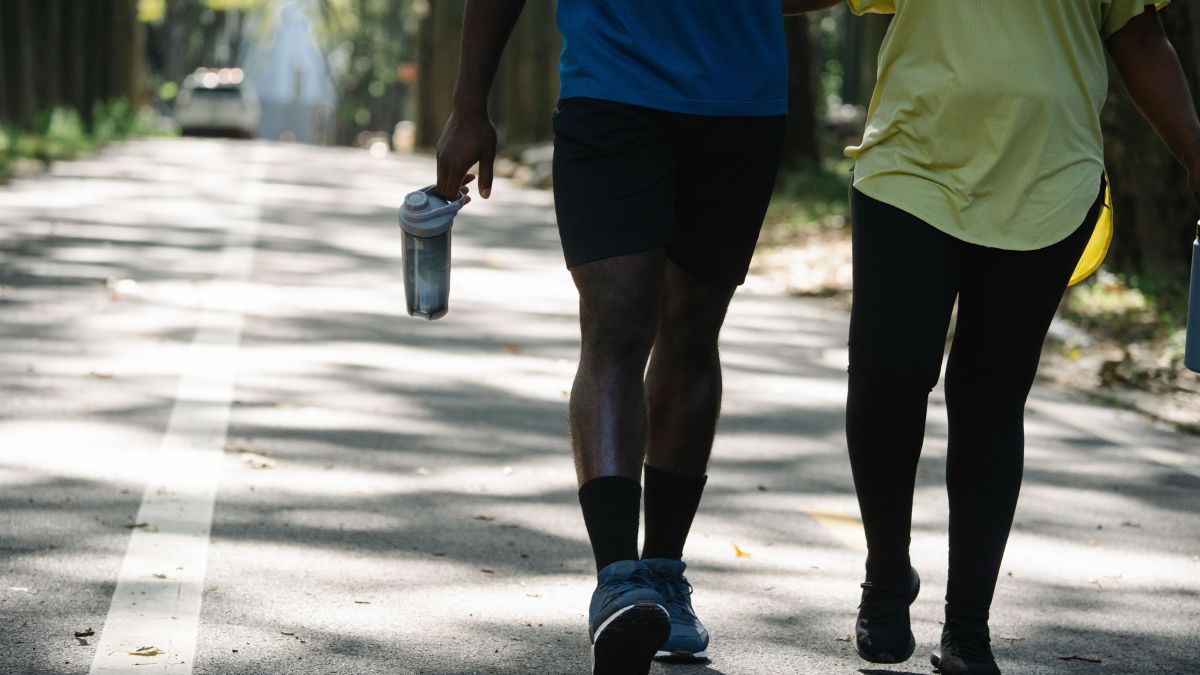
Exercise for Digestion: Beyond the After-Meal Walk
Walking helps. So do four other things you probably already do.
Table of Contents
Exercise for digestion can be as simple as walking regularly, cycling comfortably, dancing or tending your plants. Physical activity may help with constipation, while gentle movement can help some people feel less bloated. There is no single exercise that works best for everyone, and none replaces treatment for persistent digestive symptoms.
After a meal, an easy stroll is a sensible place to start if it feels comfortable. Save brisk walking, vigorous cycling, energetic dancing and deep yoga bends for when your stomach has settled, especially after a large meal or if you get acid reflux. How long you need depends on the meal, the activity and your symptoms; there is no universal waiting time.
Yoga offers movement, breathing and relaxation, and may help with stress. Its direct digestive benefits are less certain, so think of it as a supportive practice rather than a constipation or reflux remedy. Gardening and dancing are useful ways to make movement part of life; their value comes from being active, rather than any special digestive action.
For overall health, adults should aim for 150–300 minutes of moderate aerobic activity each week, plus muscle strengthening on at least two days. Start small and build gradually. Pair movement with a varied diet, increase fibre gradually and drink enough fluids for your needs.
Seek medical advice if symptoms persist. Blood in stool, unexplained weight loss, difficulty swallowing, or severe abdominal pain need prompt assessment. Pain with vomiting or an inability to pass stool or gas needs urgent care.
Almost every Indian household has the same after-lunch line: thoda chal lo. Whether it follows a plate of biryani, a long Sunday thali or one gulab jamun too many, a short walk is the family’s unofficial digestive ritual, and a sensible one. But exercise for digestion is wider than one ten-minute walk. What else belongs on your movement menu, and when should you do it? None of it needs a gym membership.
Your digestive tract is not a passive pipe. The muscles of the stomach and intestines squeeze in coordinated waves, known as peristalsis, to push food and waste along. This is part of gastrointestinal motility: the movement of material through the digestive tract. The National Institute of Diabetes and Digestive and Kidney Diseases (NIDDK) explains how muscles, nerves and hormones coordinate the process.
Regular physical activity may help relieve constipation, according to NIDDK guidance. Exercise can also help with bloating, as the NHS notes.
Intensity changes the story, though. Very intense or prolonged exercise can sometimes bring on nausea, cramps, reflux or loose stools. A systematic review of exercise-induced gastrointestinal syndrome describes disturbances in gut function during strenuous activity. Gentler options may be more comfortable, particularly when your stomach is already unsettled.
Movement is also not a cure-all. The British Dietetic Association’s 2025 guidelines support specific dietary options, including psyllium and kiwifruit, for particular outcomes in adults with chronic constipation. The evidence for probiotics varies by strain and outcome; it is not a blanket endorsement of every probiotic product. Nor does the guideline establish that a general high-fibre diet treats every case of chronic constipation.
Exercise for constipation is one useful piece of a bigger picture that also includes diet, fluids, toilet habits, medicines and any underlying health condition.
Brisk walking raises your breathing and heart rate while staying relatively low-impact for many people, and it needs nothing more than comfortable shoes. At a moderate pace, you should usually still be able to talk, though singing would be harder. Treat it as a proper exercise session rather than something to do straight after a heavy meal. A gentle stroll may suit that moment better; the brisk version can wait until your stomach has settled.
Start at a pace you can sustain and build up over a few weeks. Copying an intense routine from social media on day one is a quick route to injury.
For an office-goer, brisk walking can be stitched into the day: getting off a stop early, taking the stairs, walking to the chai stall instead of ordering in. The aim is not to “burn off” lunch. It is to make movement an ordinary part of your routine, and the daily commute is a good place to begin.
Not everyone enjoys walking, and that is perfectly fine. Cycling offers another way to get aerobic activity, which helps if long walks bore you or feel uncomfortable.
It also fits Indian life as both exercise and transport. A quick ride to the sabzi market, a quiet early-morning loop around the colony, or a weekend ride with old neighbourhood friends all add to your weekly activity.
Timing matters here. Cycling right after a heavy meal can feel uncomfortable, especially if you are prone to reflux or abdominal cramps, so give your body time to settle before any vigorous effort. NHS reflux advice notes that bending and exercise, particularly after a meal, can trigger symptoms. Frequent or persistent acid reflux should be checked by a doctor.
Yoga combines movement with controlled breathing, balance and relaxation. The gut has its own network of nerves and communicates with the brain, so digestive symptoms and stress can be closely connected.
Yoga may help with stress management, according to the National Center for Complementary and Integrative Health (NCCIH). Its direct effects on digestive symptoms are less certain. A 2025 systematic review of yoga for irritable bowel syndrome found uncertain evidence and no clear improvement in gastrointestinal symptom severity. It is better approached as a supportive movement and relaxation practice than as a proven digestive treatment.
You do not need elaborate poses. Gentle mobility sequences, an easy cat-cow or comfortable seated movements are a place to begin. Choose what suits your body and ask a qualified instructor if you are unsure, especially if you have an injury, limited mobility or a medical condition.
As with other activity, leave your stomach some time to settle after a substantial meal. Deep folds and strong twists may be uncomfortable, particularly if you get reflux; skip any movement that brings on pain or burning.
Dancing is the one form of exercise that rarely feels like exercise. Bollywood routines, classical styles, garba, bhangra or aimless shuffling around the living room can all add movement to your day. How much they count towards moderate activity depends on how energetically you move, and the fun makes it easier to keep going. It suits anyone who dreads the idea of “working out”.
So put on three or four favourite songs and move. No choreography, gym clothes or audience required: just you, a room and some music. Any digestive benefit comes from being more active overall, not from a special step.
Pulling weeds, repotting a tulsi or coaxing a stubborn curry-leaf sapling does not feel like exercise. Yet the bending, squatting, reaching and carrying of pots and watering cans adds movement to your day. For digestion, the value is less about any gut-friendly motion and more about breaking up long periods of sitting.
A balcony herb pot or a small patch outside the house is enough. Start with a short session of tending, and save heavy digging for a time when you have not just eaten. Light pottering will not necessarily reach moderate intensity, but it still gets you moving.
For overall health, the World Health Organisation (WHO) advises adults to get 150–300 minutes of moderate aerobic activity a week, or 75–150 minutes of vigorous activity, or an equivalent combination. It also recommends muscle-strengthening activities involving the major muscle groups on two or more days a week. These are general health targets, not a prescribed dose for treating digestive symptoms.
The moderate-activity range averages roughly 20–45 minutes a day across the week, and it can be split into short bouts: a morning ride, a walk to the market, an evening dance session. If you are new to exercise, start with what you can comfortably manage and build up.
On timing, no single rule suits everyone. Walking after eating can be an easy habit if you keep the pace gentle and feel comfortable. Vigorous cycling, energetic dancing and deep yoga bends are better left until your stomach has settled, especially after a large meal or if they trigger reflux. If you notice bloating or cramps, ease off and note when they happen.
Movement belongs alongside what is on your plate. Whole grains, pulses, vegetables and fruit give you different ways to include fibre, and for many households, the roti is an easy place to start.
Whole-wheat atta is one familiar option; Khapli atta, made from emmer wheat, is another. For Aashirvaad Namma Chakki 100% Khapli Atta, Happy Tummy’s published comparison lists fibre broadly comparable with its regular wheat atta comparison. Think of it as a variety choice rather than a guaranteed digestive upgrade. Khapli is still wheat and contains gluten, so it is unsuitable for people with coeliac disease or wheat allergy.
Increase fibre gradually, because a sudden jump can cause gas and bloating. Drink enough fluids for your needs, especially when increasing fibre. Your requirements vary with the weather, activity and health; follow your clinician’s advice if you have been told to restrict fluids.
A high-fibre diet also is not right for every medical situation. If you have been advised to limit fibre, follow that advice rather than changing your diet on the strength of a general article.
1. Pick one activity from the menu above that you would realistically enjoy.
2. Do 10 to 15 minutes of it on three days this week, or start with less if that is what feels manageable.
3. After each session, log what you did, how long after eating you did it, and how your stomach felt: comfortable, heavy, crampy or bloated.
4. At the end of the week, look for a pattern. Adjust the timing or intensity before adding more.
The log is a way to notice what suits you. If symptoms persist, take it to a healthcare professional rather than treating it as a diagnosis.
If symptoms continue, are severe, or keep coming back, speak to a doctor. NIDDK’s constipation guidance flags blood in stool, unexplained weight loss, constant abdominal pain, vomiting and inability to pass gas as reasons to seek medical care promptly. Difficulty swallowing also needs assessment.
Seek urgent care for severe abdominal pain, especially with vomiting or an inability to pass stool or gas. Do not try to exercise through it.
NIDDK: Your digestive system and how it works.
NIDDK: Treatment for constipation.
NHS: Constipation and bloating.
Costa and colleagues: Exercise-induced gastrointestinal syndrome, a systematic review (2017).
Northern Care Alliance NHS Foundation Trust: Reflux oesophagitis.
NCCIH: Yoga effectiveness and safety.
CDC: How to measure physical activity intensity.
WHO: Physical activity recommendations.
Royal Free London: Low-fibre diets and when they may be needed.
Happy Tummy: Khapli atta, dalia and whole-grain comparison (publisher’s product information).
NIDDK: Symptoms and causes of constipation and NHS: Heartburn and acid reflux.
This article provides general health information for adults and does not replace personalised medical advice, diagnosis or treatment. Exercise, fibre and fluid needs vary with your health, medicines and circumstances. If you are pregnant, recovering from illness or surgery, or have a medical condition or limited mobility, ask a qualified healthcare professional about suitable changes. Children need age-appropriate guidance. Product mentions are illustrative and do not establish that a particular flour treats digestive problems. Seek medical advice for persistent symptoms and urgent care for severe symptoms.
An easy walk after a meal can be a comfortable way to stay active. Regular activity may help bowel regularity and bloating, but a post-meal stroll is not a guaranteed remedy for indigestion. Keep the pace gentle and stop if symptoms worsen.
No single exercise is best for everyone. Walking, cycling, dancing and gardening offer ways to move regularly; yoga adds breathing and relaxation. Choose an activity you enjoy and can do comfortably, with timing and intensity that suit your symptoms.
Regular physical activity may help relieve constipation. Diet, fluids, toilet habits, medicines and underlying conditions matter too. If lifestyle changes do not help, speak to a healthcare professional about appropriate treatment.
Yes. Very intense or prolonged activity can cause gastrointestinal symptoms, including cramps, nausea, reflux and loose stools. Reduce the intensity and reassess your meal timing. Repeated symptoms need medical advice; severe pain or bleeding needs prompt assessment.
Yoga may help with stress and offers a gentle way to move, but evidence for directly improving digestive symptoms is uncertain. No particular pose is a proven cure for constipation or reflux. Use comfortable movements and avoid poses that aggravate symptoms.