
Detox Water Benefits: Can They ‘Cleanse’ or Reset Your Gut?
What detox water can and cannot do, why the body does not need routine cleanses, and what to do instead for constipation, bloating, acidity or post-indulgence discomfort.
Table of Contents
Expert reviewed by Qurath Ain, Certified Nutritionist and Clinical Dietitian
Detox water benefits are much smaller than the marketing suggests. Water infused with lemon, cucumber, mint or fruit can make hydration more appealing, but it does not draw unspecified toxins from the bowel, flush the liver or reset the gut microbiome. In a healthy body, the liver processes many substances, the kidneys remove wastes and extra water into urine, the lungs exhale carbon dioxide, and the digestive tract moves unabsorbed material into stool. Medical detoxification for poisoning or substance dependence is different. Juice fasts, laxative teas and colon cleanses are not routine maintenance—and some can cause harm.
The useful question is not ‘Which cleanse works best?’ It is ‘What am I trying to change?’ Constipation, bloating, reflux, fatigue and feeling heavy after a celebration are different problems. A vague detox promise bundles them together, which makes it harder to choose an action that actually fits.
A commercial ‘detox’ or ‘cleanse’ is a diet, drink, supplement or procedure marketed as removing toxins or resetting the body. Unless the product names the substance, shows how it is measured and demonstrates that the intervention removes it safely, ‘toxin’ is a marketing label rather than a testable health claim.
In medicine, detoxification can mean supervised care after poisoning or while someone withdraws from alcohol or drugs. That has a defined substance, a clinical reason and monitoring. It should not be confused with a three-day juice pack or a powder sold for an otherwise healthy gut.
Happy Tummy normally avoids the words ‘detox’, ‘cleanse’, ‘reset’ and ‘flush’ because they imply a benefit that food cannot promise. They appear here only to answer the high-intent myth directly.
The liver processes; it does not need a cleansing juice
The liver processes nutrients, medicines, alcohol and substances produced during normal metabolism. It changes or packages compounds so the body can use or remove them, and it produces bile. A healthy liver does this continuously. The factors that affect liver health are dietary deficiencies, infections, alcohol, drugs and chemicals and inborn errors of metabolism. A wellness supplement has not been shown to wash it clean, and some concentrated herbal products can themselves affect the liver or interact with medicines.
The kidneys filter blood and balance fluids
Healthy kidneys filter the blood, returning substances the body needs while wastes and extra water become urine. More water is not always better: fluid needs vary with heat, activity, pregnancy, illness and medical advice. People with kidney, heart or liver disease may be told to limit fluids, so a large-volume water challenge is not universally safe.
The lungs and digestive tract have different jobs
The lungs remove carbon dioxide with every breath. The digestive tract breaks food down, absorbs nutrients and water, and moves what remains towards elimination as stool. Passing more stool after a laxative does not show that toxins have left the bloodstream; it shows that bowel movement has been stimulated or stool water has changed.
ALSO READ | What Is the Gut Microbiome, and Why Does Everyone Suddenly Care?
The gut microbiome is not a drain to be rinsed
Gut microbes take part in digestion and produce many compounds, but there is no single ideal microbiome that a cleanse can install. A sudden restrictive diet, diarrhoea or laxative use is not evidence that the microbiome has been ‘reset’.
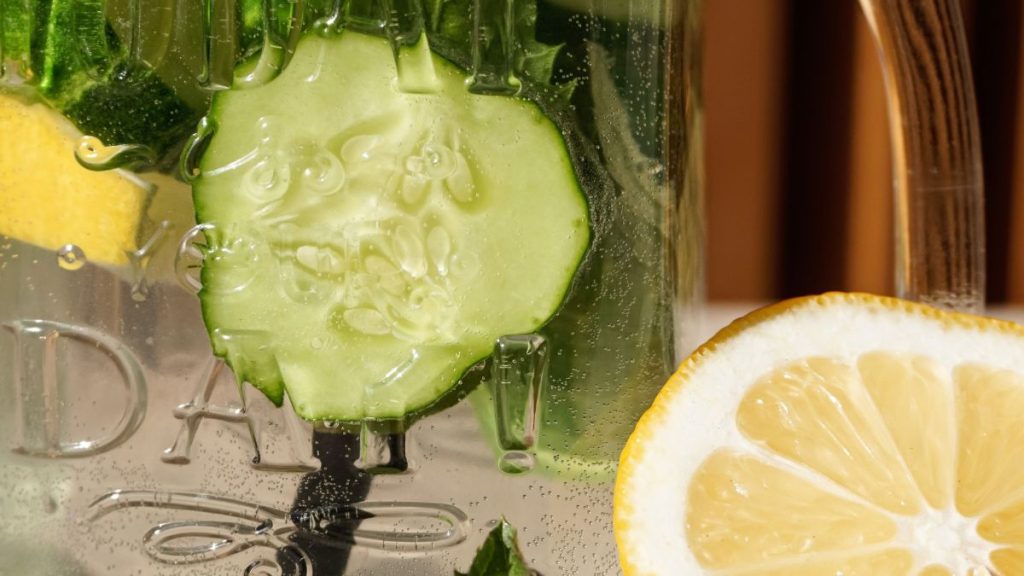
What detox water benefits really amount to
Lemon, cucumber, mint, ginger or fruit may add flavour, and that can help someone who otherwise forgets to drink. They also contain vitamins, minerals and antioxidants that may not be available in plain water. The fruit pieces do not give water a special route to the liver or bowel. If you enjoy an infused bottle, treat it as a drink—not an antidote to a meal, alcohol or constipation.
Juice cleanses and fasting reduce ordinary food
A juice-only plan usually cuts energy, protein, fat and much of the fibre found in whole fruit and meals. A short-term change on the weighing scale can reflect lower calorie intake, less stored carbohydrate and water, or less food in the gut. It does not prove that toxins were removed. Restrictive plans can also cause hunger, changes in energy levels, headache, dizziness or blood-sugar problems in susceptible people.
Laxative teas make the bowel move
Some teas and powders contain stimulant laxatives such as senna, even when the front of the pack emphasises herbs or flat-tummy language. They can produce cramping, urgency and diarrhoea. That is a drug effect, not a deep clean. Repeated or unsuitable use can contribute to dehydration or disturbed electrolytes and can mask the reason for constipation.
Colon cleansing empties the colon; it does not reset the gut
Colon irrigation introduces fluid into the large bowel. Bowel preparations also empty the colon, but their legitimate role is a medically directed procedure such as preparation for colonoscopy—not general wellbeing. Cleansing procedures can cause dehydration, infection, electrolyte disturbance or, rarely, injury to the bowel. Risk is higher with certain gastrointestinal, kidney or heart conditions.
Supplements add ingredients, not proof
Milk thistle, dandelion, turmeric, probiotics and other ingredients each have separate research and safety questions. Putting several into a ‘liver’ or ‘gut’ formula does not demonstrate toxin removal. Over-the-counter drugs and supplements can vary in dose and quality, and they may interact with medicines. Check the complete label with a doctor or pharmacist rather than judging by the word ‘natural’.
The experience can be real even when the explanation is wrong. During a cleanse, a person may drink more water, stop alcohol, eat smaller portions, reduce very salty or rich foods, sleep on time or simply pay closer attention to symptoms. Any of those changes can affect thirst, fullness, bowel habits or the scale.
The comparison is also often unfair: three structured days are measured against a weekend of late meals, alcohol and little sleep. Feeling less heavy afterwards does not identify stored toxins as the cause. It points to the ordinary behaviours that changed—and those can usually be continued without buying a kit. Most of these cleanses tend to affect the water weight of an individual, and in some cleanses diarrhoea is observed, which causes temporary changes in weight, giving people false hope on weight management which is not safe and long-lasting.
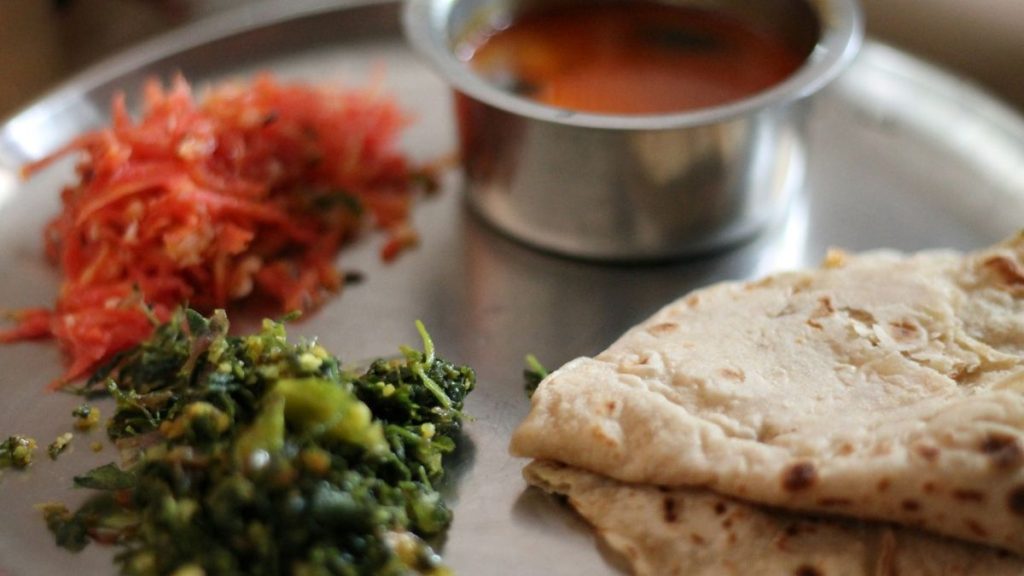
After a rich meal or festive weekend
Return to regular portions and familiar meals rather than compensating with a fast. A plate of dal, sabzi, curd and roti is more useful than swinging between excess and restriction. Aashirvaad Multigrain Atta can be one familiar roti option if it already suits your household; it is not a detox product and is not needed to ‘undo’ a meal.
If constipation is the real problem
Increase fibre gradually and pair it with enough fluid; a sudden jump can worsen gas or discomfort. It is generally advised to drink six to eight glasses of water a day, adjusted for weather, activity and individual medical advice. Constipation guidance is more specific than ‘eat clean’. Read more here: Triphala, Isabgol and Ayurvedic Gut Remedies: An Honest Look.
If bloating, acidity or loose stools are the problem
Do not use one purge for three different symptoms. Bloating may relate to portion size, gas, constipation or another cause. Upper-abdominal burning and reflux need different steps from loose stools, where preventing dehydration may be the immediate concern. If the symptoms are persistent, do not self-treat. It’s always better to check with your doctor for the right diagnosis and treatment.
Write down the exact result you want: easier stool, less bloating, less burning, more energy, weight change or reassurance after an indulgent meal. Then inspect the claim. What toxin is named? How would you know it was present? What ingredient produces the claimed effect? What are the side effects, medicine interactions and exclusions? If those answers are absent, the promise is not decision-ready.
For three days, log meals, fluids, sleep, movement, bowel pattern and the symptom itself without starting a cleanse. Your next step is one ordinary change matched to the pattern: resume regular meals, drink to your usual needs, take a short walk, or ask a pharmacist or doctor about persistent constipation. Your profile hook is the reason you searched—constipation, bloating, acidity, fatigue, weight concern, post-festive guilt or curiosity.
If symptoms continue, are severe, or keep coming back, it’s worth speaking to a doctor. Sudden weight loss, blood in stool, severe or persistent pain, or difficulty swallowing need prompt medical attention. Repeated vomiting, black stool, fainting, confusion or signs of significant dehydration also need urgent assessment.
This is general information. For children, during pregnancy, or for older adults, follow a doctor’s guidance before making changes. Seek individual advice before any restrictive diet, laxative product or colon-cleansing procedure if you have diabetes, kidney, liver, heart or gastrointestinal disease, or take regular medicines.
Disclaimer: This article is for general informational purposes only — not medical or dietary advice.
Detox water works as flavoured water: it can contribute to hydration if it helps you drink. There is no good evidence that lemon, cucumber, mint or similar additions remove unspecified toxins, cleanse the liver or reset the gut. However, they can add minerals, antioxidants and vitamin C to your plain water, which can be beneficial to maintain hydration and electrolyte balance.
A healthy gut does not need periodic purging. Identify the actual concern and use a symptom-specific response: regular meals after indulgence, gradual fibre plus fluid for an appropriate constipation context, and medical advice for persistent or severe symptoms.
A colon cleanse empties bowel contents; it has not been shown to remove vague stored toxins or improve general health. Colon-cleansing procedures and laxative regimens can cause adverse effects and should not be used as routine maintenance.
There is no established clinical ‘reset’ measured by a juice plan. A cleanse may temporarily change food intake, bowel contents, fluid balance and symptoms, but that does not show repair of the gut lining or microbiome. Juice cleanse lacks essential nutrients, is not sustainable, and over the period can cause various side effects.
No drink performs a whole-body cleanse. Plain or infused water can support normal hydration and electrolyte balance. If poisoning, alcohol dependence, liver disease or kidney disease is the concern, the correct response is medical care—not a homemade drink.
No. Some probiotic strains are studied for specific uses, but a probiotic does not wash the bowel or remove toxins. Benefits are strain- and context-specific, so ‘contains probiotics’ is not evidence for a cleanse claim; however, they can promote a healthy gut.