Bloating vs Constipation: What’s the Difference?
One describes a feeling, the other a bowel problem. Here is how they overlap.
Table of Contents
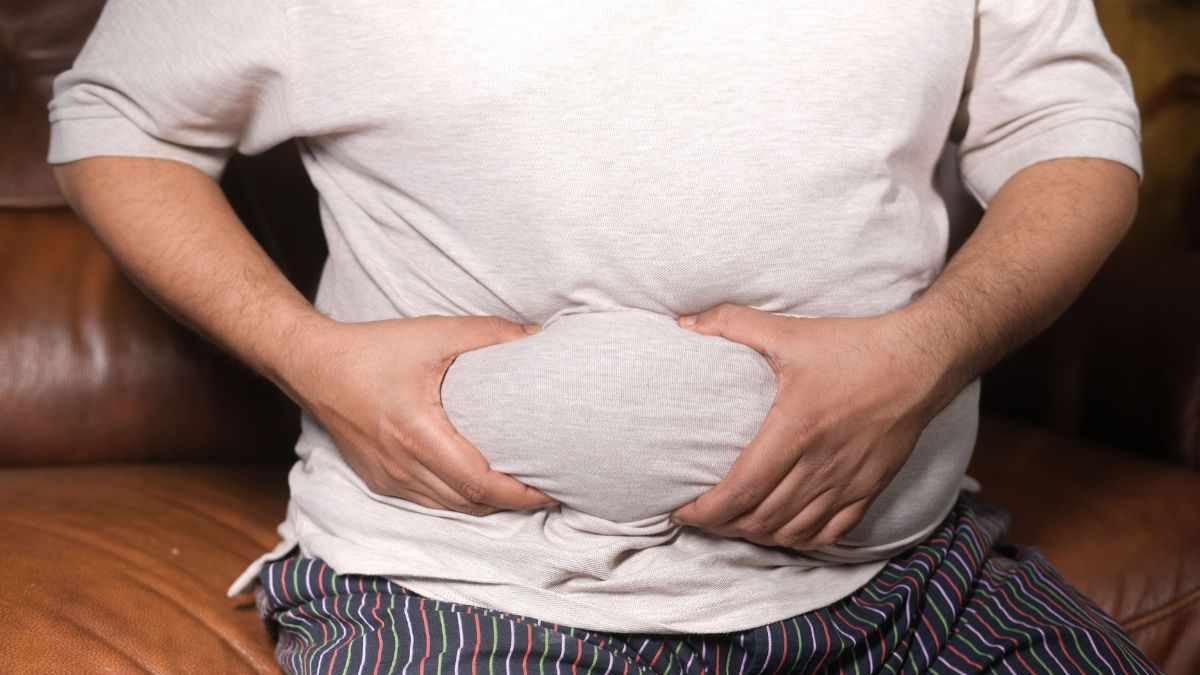
Bloating and constipation differ but can happen together. Bloating is a feeling of fullness, pressure or tightness in the belly. Visible enlargement is called abdominal distension; it may accompany bloating, but is not required. Constipation involves hard or difficult stools, straining, incomplete emptying or bowel movements that are less frequent than usual.
Look beyond how your belly feels. Notice stool consistency, whether passing stool hurts, whether you strain and whether you feel unfinished afterwards. You can be constipated even if you pass stool daily, and you can feel bloated while your bowel movements remain normal. These clues help describe symptoms; they do not establish the cause.
Bloating may relate to swallowed air, fermentation of food, constipation, food intolerance or other conditions. Eating slowly, reducing fizzy drinks and chewing gum, choosing smaller meals and taking movement breaks may help some people. A food-and-symptom diary can reveal patterns without cutting out food groups at once.
For constipation, check adequate fluids, a gradual fibre increase if suitable, regular movement and time for the toilet. Respond to the urge to go. Psyllium and kiwifruit have evidence for constipation outcomes; prunes may help some people too. A pharmacist, doctor or dietitian can guide treatment.
More fibre is not always better, especially when bloating is prominent. Follow prescribed fibre or fluid restrictions, and seek review for persistent or recurring symptoms.
Blood in stool, unexplained weight loss or persistent pain needs prompt medical attention. Severe abdominal pain with vomiting or inability to pass gas needs urgent assessment.
The two words often get used interchangeably. A tight waistband can make you wonder whether you need the toilet, while hard stools may arrive without much belly discomfort. Looking at both the feeling and your bowel pattern gives you a clearer description of what is happening.
| Bloating | Constipation | |
| What it describes | A feeling of fullness, pressure or swelling in the belly | A problem with passing stool |
| Common clues | Tightness, heaviness or discomfort; visible distension may also occur | Hard or lumpy stools, straining, difficult passage or incomplete emptying |
| Bowel frequency | May be unchanged | May be reduced, but daily bowel movements do not rule it out |
| Possible contributors | Swallowed air, fermentation of food, constipation, intolerance or other conditions | Low fibre or fluid, less activity, delaying toilet urges, medicines or medical conditions |
| First steps if symptoms are mild | Eat slowly, try smaller meals, reduce fizzy drinks and notice patterns | Check fluids and fibre, move regularly and allow time for the toilet |
The table is a way to describe symptoms, not a diagnostic test. They can occur separately or together.
Bloating is a feeling of fullness or swelling in the abdomen. You may feel heavy or tight even when your belly does not look different. Visible enlargement is called distension.
It can build through the day or follow meals, but that pattern is not universal. It can also happen with regular, comfortable bowel movements. The timing alone does not tell you the cause.
Constipation can mean infrequent bowel movements, hard or dry stools, difficulty passing them, straining or incomplete emptying. Missing one day does not automatically mean you are constipated.
Equally, going every day does not rule it out if passing stool is difficult or you repeatedly feel unfinished. Look at how you go as well as how often.
A meal followed by bloating does not necessarily identify one food as the culprit. Gas comes from swallowed air and from microbes breaking down carbohydrates that reach the large intestine undigested.
Eating quickly, chewing gum and drinking fizzy drinks can increase swallowed air. Pulses such as rajma and chole contain fermentable carbohydrates, so a large portion may cause gas in some people. That does not mean these foods need to disappear from everyone’s plate.
Constipation-related bloating is more likely to sit alongside hard stools, straining or incomplete emptying. Relieving constipation may ease that bloating, but it will not address every possible cause.
Stress can influence digestive symptoms too. A clinician may consider gut–brain approaches for ongoing symptoms, rather than assuming the amount of gas explains everything.
Notice four things: stool consistency, straining, discomfort during passage and whether you feel emptied afterwards. Compare them with your own usual pattern.
A brief diary can help. Note meals and portions, when bloating starts, bowel movements, stool texture and any recent medicine changes. The aim is to spot patterns and give your clinician useful detail, not to diagnose an intolerance yourself.
Do not stop prescribed medicines because you suspect they are contributing. Ask the prescriber or pharmacist to review them.
For mild symptoms, NHS advice includes smaller meals, eating more slowly and regular movement. A gentle after-dinner walk is one way to add activity if it feels comfortable.
Cut back on fizzy drinks and chewing gum if they seem to worsen symptoms. Some people notice more discomfort after large, high-fat meals; ‘processed food’ is too broad a category to identify a trigger on its own.
Some added fibres can increase wind. In particular, the BDA constipation guideline found that inulin-type fructan supplements increased flatulence in trials, although the evidence was low certainty. A higher fibre number on a pack does not guarantee better comfort.
If a food repeatedly causes symptoms, review the portion and preparation with a dietitian rather than removing several food groups. Restrictive elimination diets need professional guidance.
Avoid assuming that a probiotic will treat bloating. The American Gastroenterological Association’s 2023 expert guidance advises against using probiotics to treat abdominal bloating and distension. Evidence for a particular product in constipation does not automatically apply to bloating.
Adequate fluids, regular movement and time for the toilet may help. Respond to the urge to go rather than repeatedly postponing it. If your diet contains little fibre, increase it gradually if suitable.
For persistent constipation, treatment needs to match the symptoms and cause. The BDA’s 2025 guidance for chronic constipation in adults supports options such as psyllium and kiwifruit for specific outcomes. Prunes may also help some people, but their evidence is less certain and depends on what is measured. These findings do not establish a universal best food.
Psyllium husk, commonly called isabgol, can be useful, but ask a pharmacist or clinician about suitability and how to take it with fluid. If you have difficulty swallowing or symptoms suggesting a bowel blockage, seek medical advice before taking a fibre supplement.
The BDA found insufficient trial evidence for a generic high-fibre diet as a treatment for chronic constipation. That does not remove fibre’s broader health benefits. It means ‘eat more fibre’ is not a complete treatment plan for everyone.
Dal, vegetables, fruit and whole grains can form a sound everyday base. If you use Khapli atta, such as Aashirvaad Namma Chakki 100% Khapli Atta, it can sit alongside ordinary whole-wheat atta and other grains. No particular flour should be expected to treat either symptom.
A doctor or pharmacist can advise if you need a laxative or further assessment. You do not have to keep increasing fibre when it is making you more uncomfortable.
Add fibre a little at a time over a few weeks. A sudden increase can cause gas and bloating. Adequate fluid helps fibre work properly, especially when using a fibre supplement.
The NHS suggests around six to eight cups or glasses of fluids a day as a general guide. This includes drinks overall, not just plain water; food contributes water too. Needs vary with activity, climate and health. Extra water is not a universal remedy for bloating.
Follow any prescribed fibre or fluid restriction. Some bowel conditions and post-surgical plans require less fibre, while certain medical conditions require fluid limits.
Arrange a review if symptoms are frequent, persistent, worsening or affecting daily life, or if your usual bowel pattern changes and stays different. New persistent bloating deserves attention even if bowel movements seem normal, especially with pelvic pain or feeling full unusually quickly.
Seek prompt medical attention for blood in stool, unexplained weight loss, persistent abdominal pain or difficulty swallowing. Black, tarry stools need urgent medical attention.
Severe or sudden abdominal pain, particularly with vomiting, a swollen abdomen or inability to pass gas or stool, needs urgent assessment. Do not try to manage these symptoms by adding fibre or taking a laxative.
This article provides general information for adults and cannot diagnose the cause of bloating or constipation. It is not a substitute for personalised medical or dietary advice. Consult a qualified clinician for persistent, recurring or worsening symptoms, and seek urgent care for the warning signs described above. Children, pregnant or breastfeeding people, older adults and anyone with a medical condition may need individual guidance. Follow prescribed fibre or fluid restrictions and seek advice before using fibre supplements or laxatives.
Bloating is a feeling of fullness, pressure or swelling. Constipation involves difficult, hard, infrequent or incomplete bowel movements. Visible enlargement is called distension. You can have either symptom or both.
It may help if constipation contributes to the bloating. A bowel movement will not necessarily relieve bloating caused by food intolerance, swallowed air or other conditions.
Yes. Daily bowel movements do not rule out constipation if stools are hard, you strain, or you repeatedly feel you have not emptied fully. Persistent difficulty needs assessment.
Eating slowly, reducing fizzy drinks and chewing gum, and gentle movement may help some people. If symptoms persist, seek advice rather than repeatedly cutting out foods or adding supplements.
Around six to eight cups or glasses of fluids is an NHS guide, with individual needs varying. Drink enough to stay hydrated and follow any prescribed fluid limit. More water does not resolve every cause of either symptom.
Yes. Bloating can happen when bowel movements are normal. Constipation can also occur without noticeable bloating. The two are not reliable substitutes for each other as a diagnosis.
Occasional episodes are common, including when diet or routine changes. Frequent, persistent, severe or worsening symptoms deserve medical review. Do not wait for a diary or dietary experiment if warning signs are present.