Rajasthani Winter Cuisine: Dal Baati Churma, Bajre Ki Roti and More
Dal baati churma, bajra rotis, ker sangri and more: Here's a look at Rajasthan’s winter meals, local ingredients and food traditions.
Table of Contents
Dal baati churma, bajre ki roti, ker sangri, bajra khichdi and methi-based preparations are popular choices for hearty winter meals in Rajasthan.
Winter in Rajasthan has a flavour of its own. When temperatures dip, the state’s kitchens turn to millet flour, lentils, seasonal greens, warming spices and generous dollops of ghee. Many of these dishes are rooted in the region’s climate, local ingredients and culinary traditions, but they are also the kind of comfort food that makes you want to linger over a meal.
The winter food of Rajasthan, from the iconic dal baati churma to rustic bajra rotis eaten with garlic chutney, is less about elaborate menus and more about making humble ingredients memorable. Some dishes are hearty and savoury, others are sweet, tangy or unapologetically spicy. Together, they tell the story of Rajasthan’s diverse food culture.
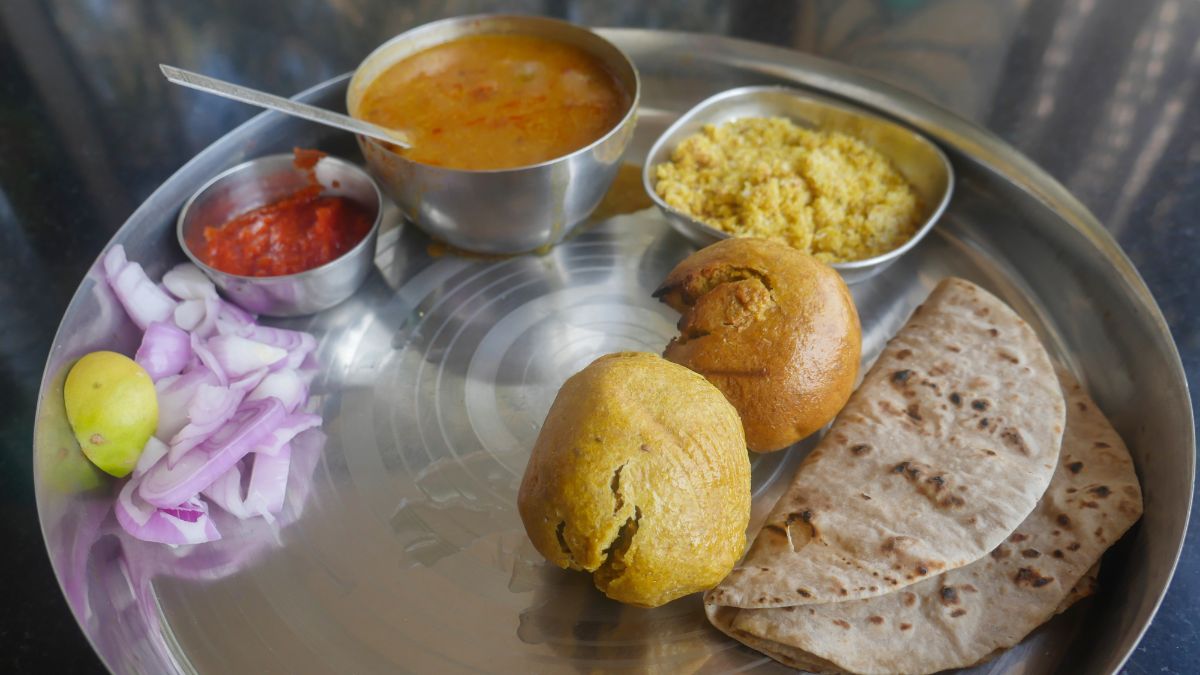
Baati, dal and churma form a comforting meal from Rajasthan. Each of these is made separately and then served together. The baati is baked until crisp on the outside, then broken up and mixed with dal, while the sweet churma is served alongside.
Baati is traditionally baked over an open fire or in a tandoor for a rustic taste, then dipped in ghee or generously drizzled with it before serving. The dal is made with a mix of lentils and spices and is very comforting to eat. The churma is made by crumbling cooked wheat baati or other wheat preparations and mixing the crumbs with ghee and sugar or jaggery.
Of the various flours used in Rajasthani cuisine, the focus during the winter months is on bajra or pearl millet. It is a staple in certain parts of the state and is served most commonly as a millet bread called bajre ki roti. The texture of the rotis is rough, while the earthy taste of millet pairs well with various winter dishes.
The dough for bajra rotis is more fragile and less elastic than wheat dough, so it is usually patted into a circular shape by hand. Bajra rotis are then cooked on a tawa and served after being smeared with ghee.
A bajra roti can be eaten in many ways:
The tradition of eating bajra in winter is deeply ingrained in the region’s climate-sensitive food practices and its use of locally grown produce.
Ker sangri is one of Rajasthan’s distinctive regional preparations, made using ker, a desert berry, and sangri, the dried pods of the khejri tree. These ingredients are commonly dried and stored, making them useful in a region where fresh produce can be limited in certain seasons.
The preparation typically involves soaking the dried ingredients before cooking them with spices, oil and other flavouring ingredients. The resulting dish can be tangy, spicy and deeply savoury, with a texture that is unlike the usual vegetable sabzi.
Ker Sangri is usually eaten with Bajra Roti. It also pairs nicely with traditional pickles and chutneys.
Khichdi may be associated with simple, light meals across India, but Rajasthan’s bajra khichdi has its own rustic charm. Made with pearl millet and lentils, it is a hearty one-pot preparation that makes sense on a chilly day when a warm bowl of food is particularly welcome.
Bajra is combined with moong dal, water and mild spices, then cooked until the grains and lentils soften. Depending on the preparation, the millet may be soaked or broken into smaller pieces beforehand to help it cook more evenly. Once ready, it is often served with ghee, yoghurt, pickle or a side of vegetables.
Serve it with:
Bajra khichdi is a good example of how a few everyday ingredients can come together to create a satisfying meal without much fuss.
Rajasthan has its own tasty methods of mixing millet with fresh methi, a leafy green that finds its way into Indian homes throughout winter. Methi bajra poori combines the rustic taste of bajra with the fragrant, somewhat bitter undertones of young fenugreek leaves.
Bajra flour, chopped methi, and spices like cumin, green chillies, and garlic are used to make the dough. The dough is shaped into little pooris and fried until crisp.
No matter what time of day it is, these pooris will go well with breakfast, a snack, or dinner. Yoghurt, chutney, or potato sabzi are all tasty accompaniments.
ALSO READ | Indian Street Food Trends to Watch: Chaat, Fusion Snacks and Regional Favourites
Rabodi is a traditional dried preparation made from buttermilk and flour. The dried pieces are rehydrated and cooked into a curry with spices, and the dish is known for its tangy, rustic flavour.
Rabodi curry reflects Rajasthan’s traditional food-preservation practices, where ingredients could be dried and stored for later use. The dried rabodi is cooked with spices and, depending on the recipe, yoghurt, onions or other ingredients to create a comforting curry.
It is often served with bajra roti or other rustic breads.
What gives rabodi curry its character?
Rajasthani winter food is more than just millets and vegetarian dishes. The state’s fiery mutton curry, laal maas, is one of its most celebrated dishes. It is traditionally associated with the royal and hunting traditions of Rajasthan. It is known for its thick gravy and characteristic red colour, often achieved using Mathania chillies.
The mutton is cooked in spices and yoghurt, so the meat is tender while the gravy has a deep, fiery flavour. Recipes vary, but the chilli-forward character of the dish is what makes laal maas memorable.
It is often served with bajra or wheat roti or rice, depending on the meal.
Ghevar is one of the most popular traditional sweets of Rajasthan and is closely associated with festivals like Teej and Raksha Bandhan. This sweet is prepared in the form of a disc from a batter which is poured into hot ghee or oil to get a honeycomb-like texture. It is then topped with sugar syrup and sometimes with toppings like nuts or saffron.
Ghevar is not a winter dish per se; it is often part of festive meals, weddings and celebrations during the colder months.
The crisp texture, sweetness and generous toppings make it a treat, a refreshing change from the savoury dishes that dominate Rajasthani winter cuisine. Ghevar is a celebratory way to finish a meal of dal baati churma or bajra roti and ker sangri.
During the winter months, the food of Rajasthan comes alive. Dishes like dal baati churma, bajre ki roti, ker sangri and laal maas, with their comforting familiarity, earthy flavours and fiery richness, reveal many facets of Rajasthan’s culinary history. And if winter is the time to savour big meals, then Rajasthan is definitely the place to explore.
Dal baati churma, bajre ki roti, ker sangri, bajra khichdi and methi-based preparations are popular choices for hearty winter meals in Rajasthan.
Bajra is a traditional staple in Rajasthan, where it has long been cultivated and used in everyday cooking. Its earthy flavour makes it a natural fit for rustic rotis, khichdi and other regional preparations.
Ker sangri is a traditional Rajasthani preparation made with dried ker berries and sangri pods, typically cooked with spices for a tangy, savoury dish.
Dal baati churma is a traditional Rajasthani meal comprising lentil dal, baked wheat-flour baati and sweet churma, often served with ghee and chutney.
No. Rabodi is a dried flour-and-buttermilk preparation used in savoury curries. Rabri commonly refers to a sweet made by slowly reducing milk with sugar. Baasa Foods In parts of Rajasthan, however, “rabri” can also mean a savoury grain-and-buttermilk preparation, so the regional context matters.